
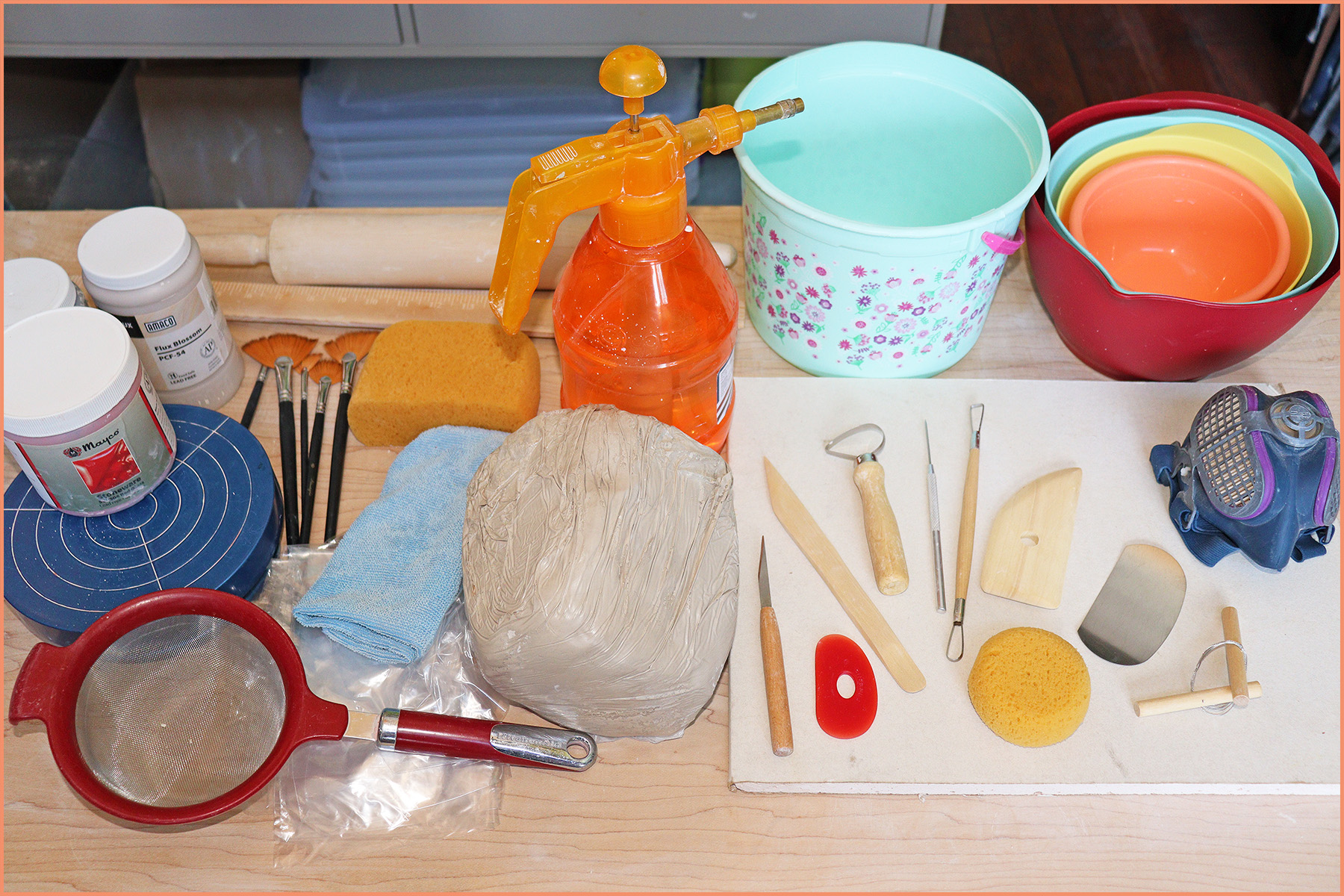
What You Need to Start Making Pottery at Home – My Guide for New Potters
For some new potters, starting to make pottery at home can feel overwhelming. The good news is that you can start out simple and grow your studio as you go. My initial setup was modest, utilizing basic tools and a small workspace.
Because I have been asked by many potters over the years, I will share how I started making pottery at home to help make it easier for you. My guide will focus on minimal investment and resources so you can gradually expand your toolkit and equipment as your skills develop.
Affiliate Disclaimer: We are ambassadors or affiliates for many of the brands we reference on the website. As an Amazon Associate, I earn from qualifying purchases.
Getting Started: Setting Up Your Space
Before you start making ceramics at home, you have to find the right space. After considering several options in my home, I chose a room with enough square footage to fit a worktable and a storage shelf, plus extra room to expand my workspace. The natural light from a large window was a bonus, aiding in the detailed work that making pottery requires and keeping the space bright.
When selecting your space, make sure your flooring is non-porous, like tile, linoleum, or concrete. The space should be comfortable enough for you to move around freely and should have extra room if you plan on expanding your workspace. Consider factors such as electrical outlets, ventilation, and ease of cleaning, as pottery can get messy.
Work Table
I have heard that some potters just starting out use their kitchen table. I would personally advise against it. Even if the clay and glaze are labeled non-toxic, you still do not want to work with them where you eat because they produce fine dust. Plus, a kitchen or dining room table may not be suitable for wedging and slamming clay around it.
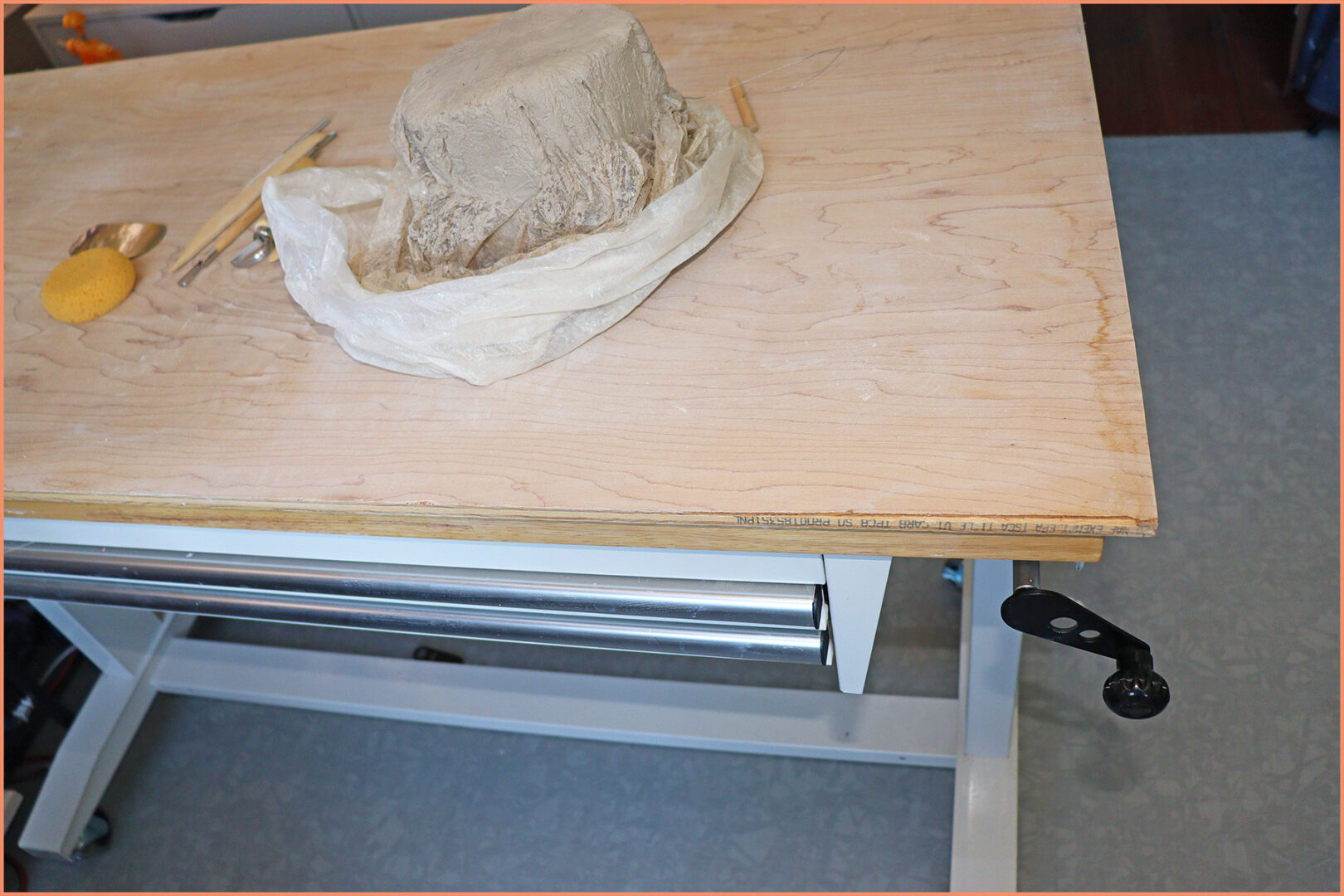
I would recommend a strong work table. It should be at a comfortable height to avoid back strain. My Work Table is adjustable and has locking wheels, with ample space to create and glaze my pottery.
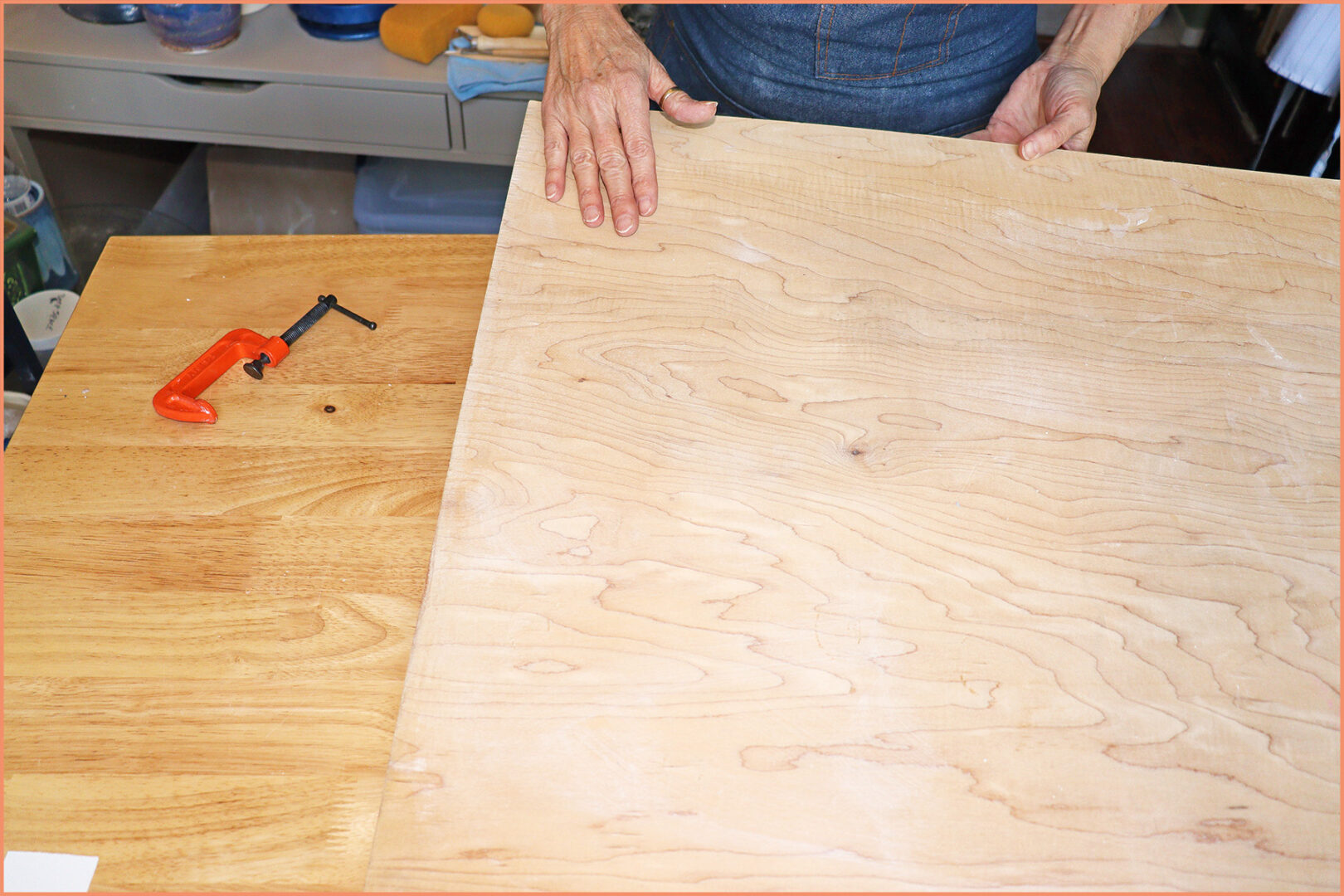
Note that you don’t need a dedicated table for glazing if you protect it with a Cover or clear the area where you handle your clay. I use C-Clamps to secure my wooden wedging and hand-building board, then remove the board and C-Clamps when I glaze. This approach helps to conserve space.
Storage Shelf
You will need to start with one Storage Shelf or cabinet for your clay, glaze, and hand tools. You also need space for your Greenware and Bisqueware pieces.

Wedging Board and Ware Board
You will need a surface to wedge your clay on. The surface needs some grip to prevent the clay from sliding off or sticking to it. The surface also needs to be somewhat absorbent, but not too absorbent; otherwise, it will dry out the clay too quickly. Here are 7 Surfaces for you to choose from. I like to use a 2-by-4 piece of wood.

You will also need at least one wareboard to carefully carry your pottery from one area to the next. You can also use this Portable Clay Wedging Board for your work surface and a ware board.
Note that if you use your wedging board as a ware board, you must make sure no glaze gets on it. You don’t want the glaze mixing with the clay. If you would like to make your own ware boards, here is a detailed video on How to Make Ware Boards for Your Pottery – What Are Ware Boards Used For
Basic Hand Tools To Make Pottery at Home
To begin making pottery at home, you only need the essentials. Here are the basic hand tools you will need, along with a few suggestions for more advanced tools to consider as your studio and skills grow.
Hand Tool Set
I started with this Basic Tool Set, which most new potters receive when they begin crafting pottery. This tool set has all the essential tools for making pottery.
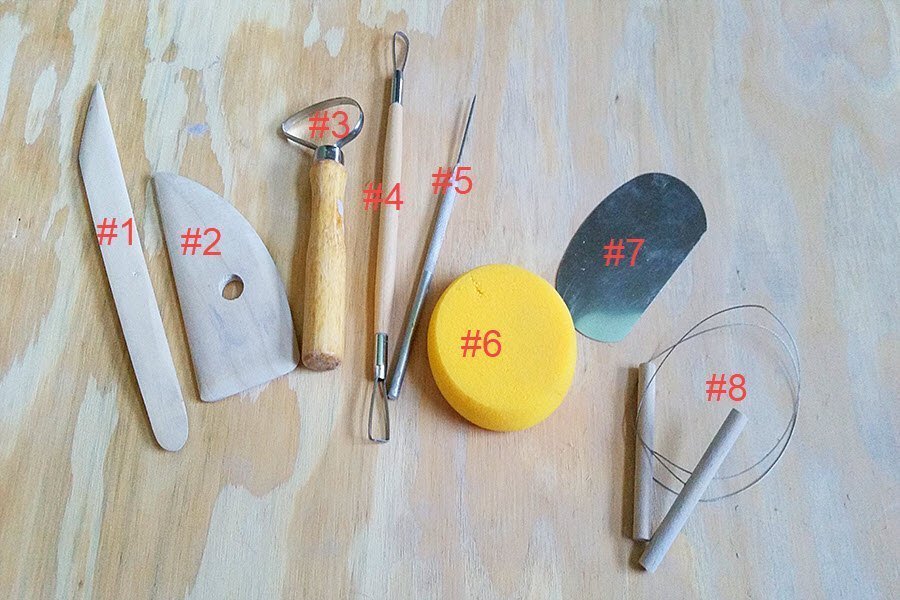
- Wooden Modeling Tool:
The wooden modeling tool shapes, carves, and smooths clay. This tool is made from wood and is favored for its gentleness on clay. It is designed for specific purposes, such as adding fine details, creating textures, or refining the overall form of a pottery piece. Wooden Rib:
The wooden rib tool is used to shape and smooth clay, making it ideal for gently contouring and compressing the clay surface. Potters use wooden ribs to refine the shape of their work, eliminate uneven thickness, and create a smooth surface on both the interior and exterior of the clay piece.Loop Tool:
The loop tool is used for carving, shaping, and trimming clay. Its sharp looped end is primarily used as a trimming tool to scrape away excess clay, help create thin, even walls, and add intricate details or textures to the pottery.Ribbon Tool:
is designed for shaping, cutting, and trimming clay. It consists of a ribbon-like metal blade attached to a handle. It’s useful for creating designs or patterns in the clay. The ribbon blade makes it ideal for removing controlled amounts of clay and refining a piece’s shape.
The ribbon toolNeedle Tool:
The needle tool is used primarily for scoring, trimming, adding fine details, and cutting through clay. It’s also used to check the thickness of your clay and trim excess.Sponge:
The small sponge in pottery making is used for various purposes. Primarily, it’s used to smooth and shape clay on the pottery wheel. The sponge can absorb excess water and slip (liquid clay), helping to maintain the right moisture level on the clay’s surface.Metal Scraper:
The metal scraper is a versatile tool used for shaping and smoothing the surfaces of clay objects. It is often used in the early stages of pottery making to remove excess clay and achieve a uniform surface. The metal scraper’s ability to bend allows for precise control in sculpting and finishing, ensuring that the pottery has a smooth and even texture.Wire Tool Clay Cutter:
It would be quite hard to work with clay without a wire cutter. The cutting wire slices through clay easily, allowing you to cut large and small blocks of clay into pieces.
Fettling knife
A Fettling Knife is used for cutting, trimming, and carving tasks. This knife has a thin, flexible blade, making it ideal for cutting and shaping leather-hard clay.
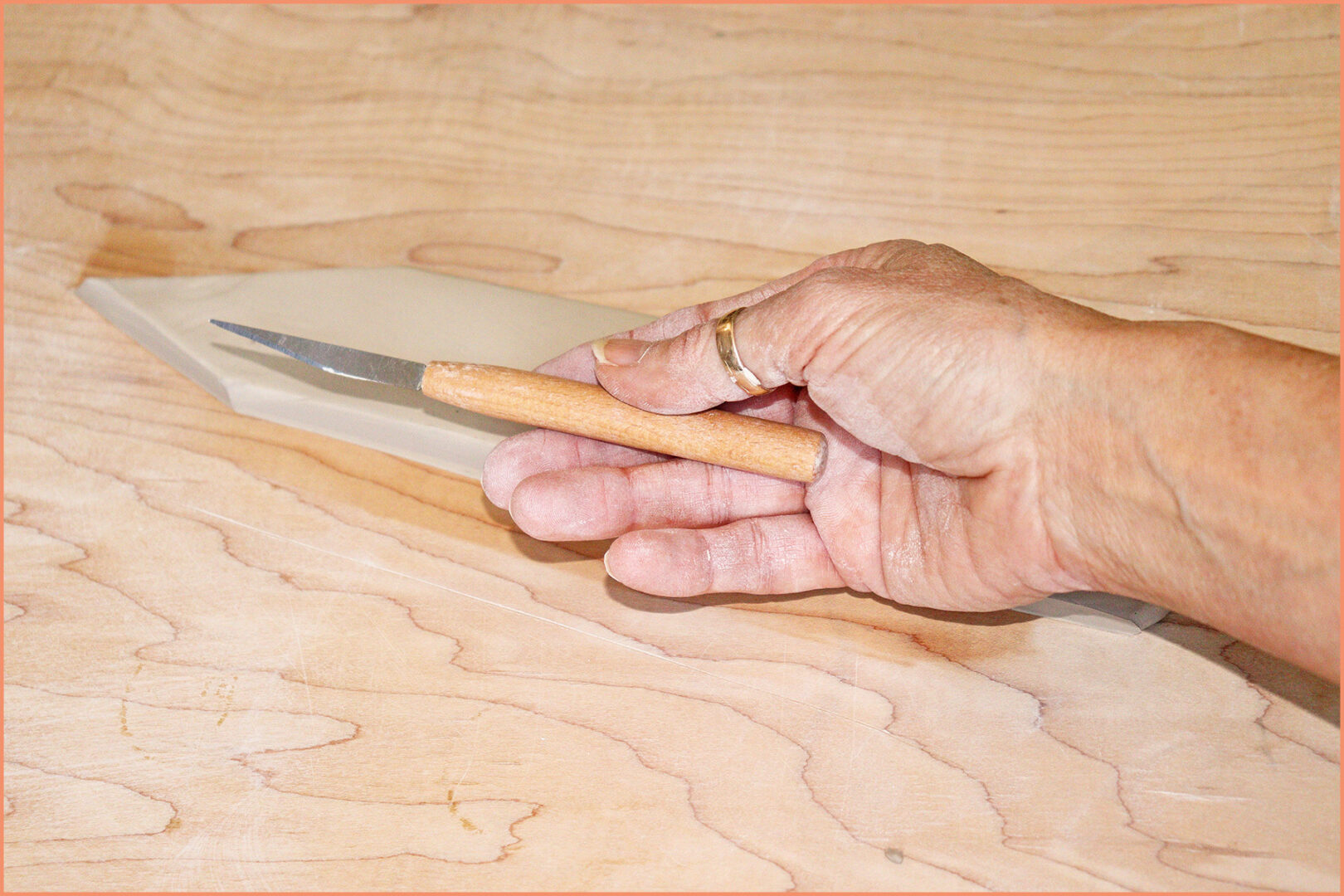
Potters use it to cut clay, trim excess clay from their pieces, and carve fine details.
Rib Tool
This Soft Polymer Rib is particularly useful for shaping, smoothing, and compressing clay surfaces. Made from a flexible, soft polymer material, this rib conforms easily to the curves and contours of a pot. It’s especially helpful in the initial stages of throwing on the wheel, where it can be used to shape the interior and exterior of a piece, smoothing out any irregularities or bumps.
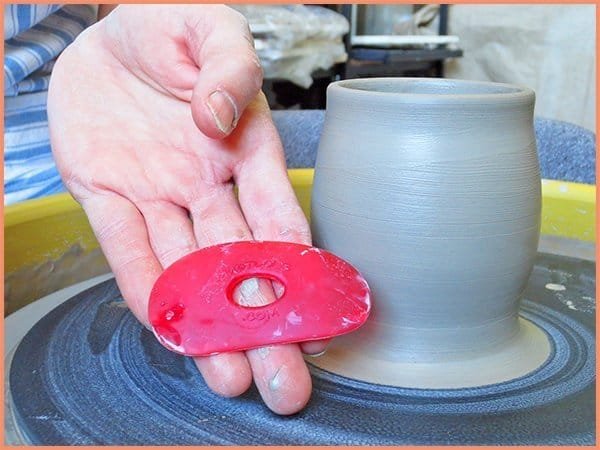
This tool is also ideal for hand building, creating a smooth, even surface without removing too much clay. I use this rib tool to shape and smooth my pots. Its curved edge is perfect for contouring and creating uniform surfaces.
Small Bucket and Bowls
The Bowls I use for slip, water, clay scraps, glaze pouring, and brushing.
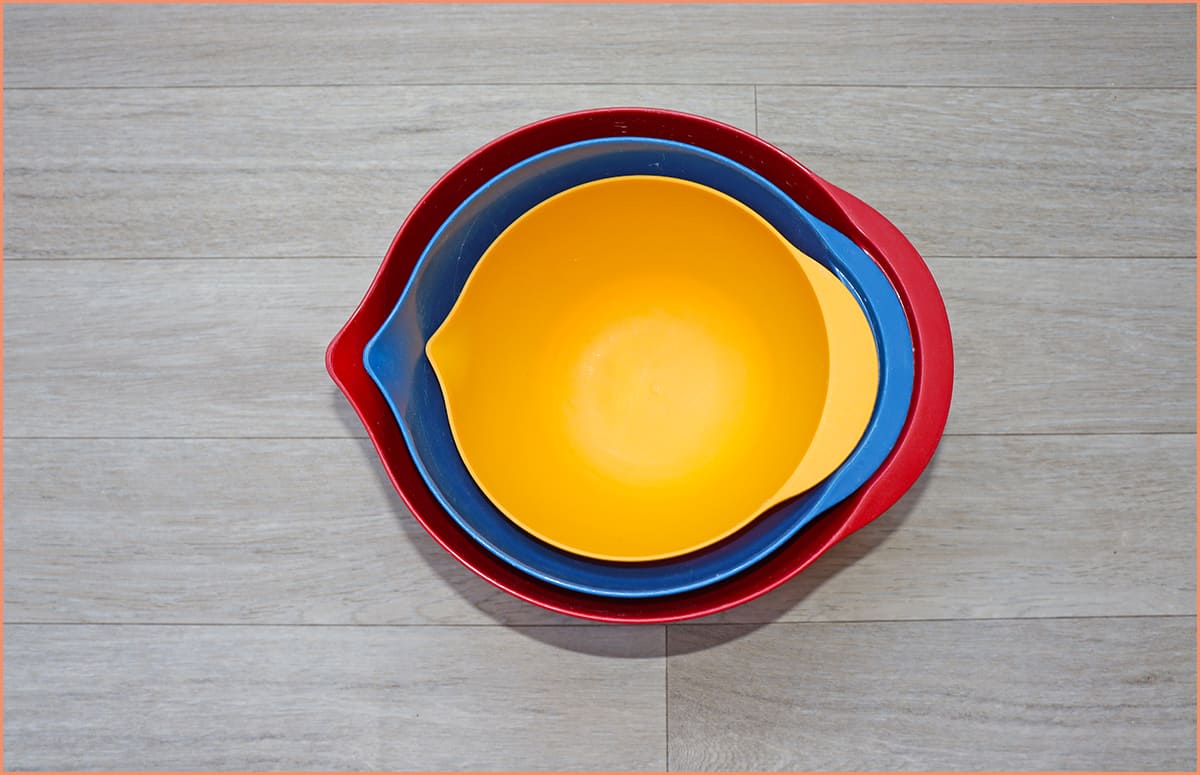
The Small Bucket is typically used to hold water or clay. The water bucket is essential for keeping the clay workable and moist during the throwing process on a pottery wheel. Potters frequently dip their hands into the bucket to wet the clay, making it easier to shape. I also use the bucket for cleaning up my work area.
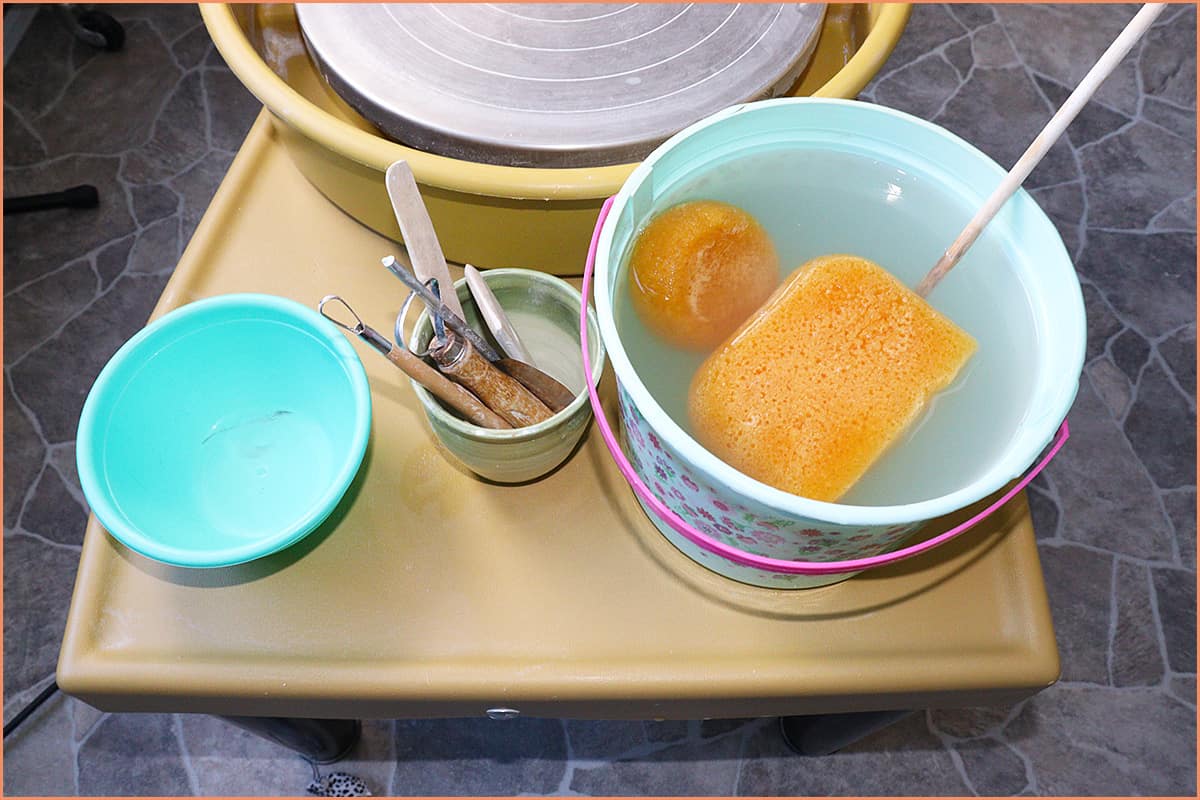
Both the bucket and the bowls are essential to the efficiency of the pottery-making process and to the cleanliness of your workspace.
Rags and Clean-up Sponges
Rags are often used to wipe excess slip (liquid clay) or water from the potter’s hands or tools, and to clean and dry the pottery wheel and work surfaces.
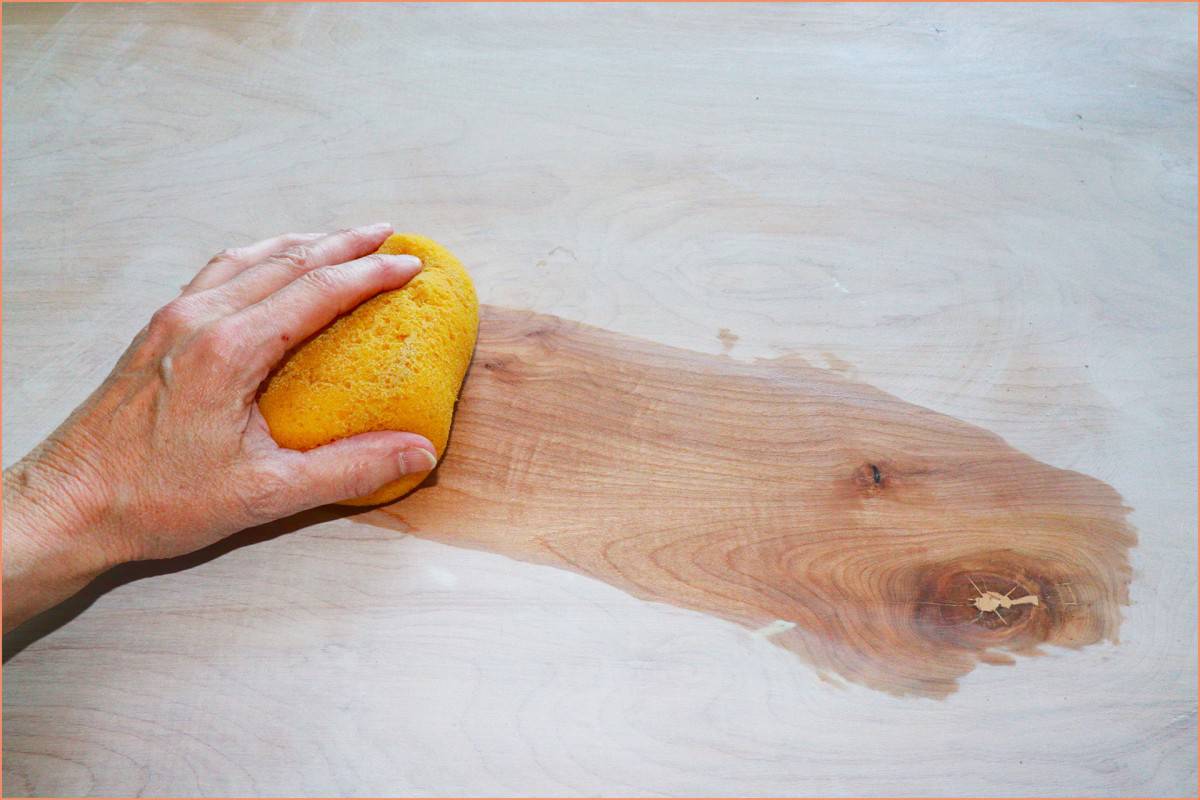
A Clean-up Sponge, on the other hand, is primarily used for cleaning up excess clay in your work area. The damp sponge picks up wet clay and dried clay with ease. They both help maintain a tidy workspace and control the level of clay on the surfaces.
Basic Materials Needed to Make Pottery at Home
Creating pottery at home requires essential materials, such as various clays and a selection of glazes for color and finish.
Pottery Clay Body
Depending on the method you choose to make your pottery and the firing temperatures, there are many clays to choose from. New potters mainly choose from Earthenware or Stoneware Clays before working with porcelain clay because they are easier to work with.

I prefer Stoneware clay for its durability and non-porous nature after firing. It’s great for beginners and, when fired to vitrification, capable of holding liquid without glazing.
Earthenware, on the other hand, is softer and easier to shape, making it perfect for hand-building techniques. Both types are good for experimenting with various styles and techniques.
This article will help you find the best clay for your needs. Choosing Your Pottery Clay – Best Pottery Clay For Beginners.
Glazing Your Pottery at Home
Glaze serves several important functions. Firstly, it provides color and sheen to the finished piece. Secondly, glaze acts as a sealant, creating a non-porous and often water-resistant surface.
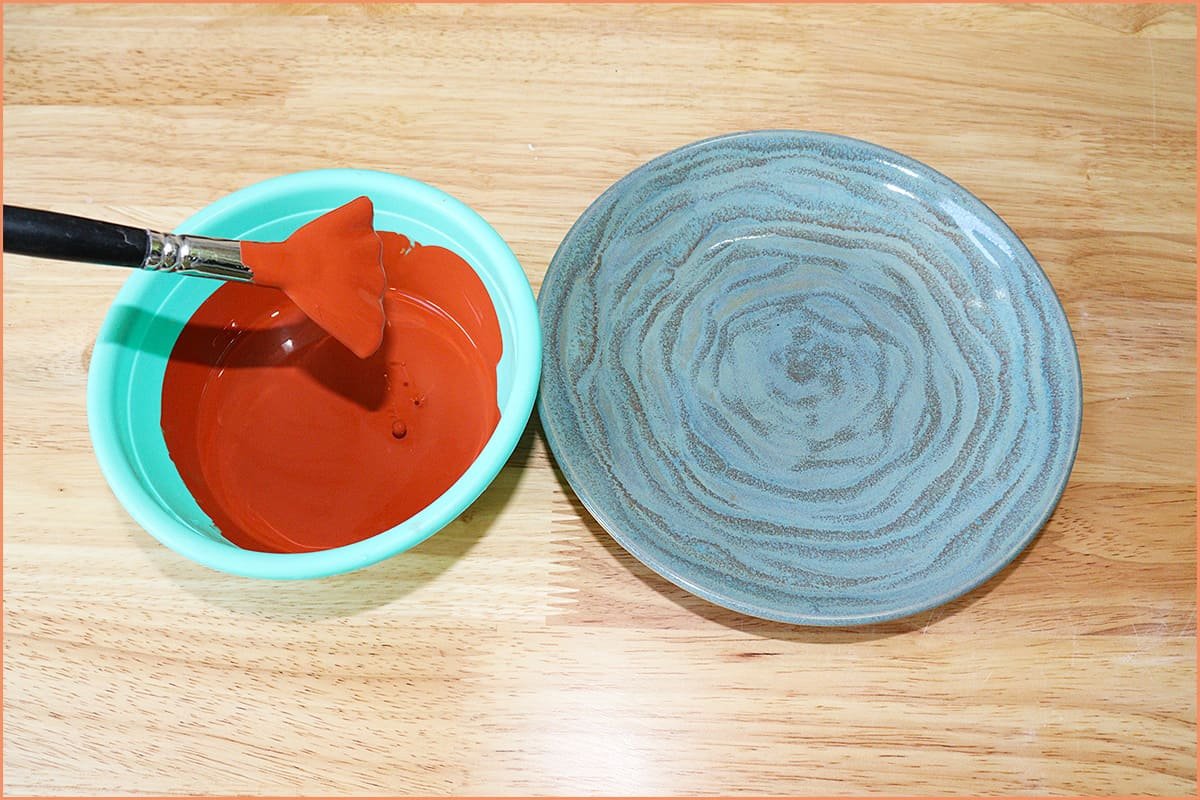
Lastly, the glazing process, which involves firing the pottery with the glaze at both high and low temperatures, chemically bonds the glaze to the pottery, ensuring it adheres firmly and enhances the piece’s overall strength. The good news is that to glaze pottery, you only need a few essential items.
Glaze
Glaze comes in various colors and finishes, allowing for creative expression. To start glazing, you only need a few or even one glaze you like the most to start with. If you are unsure of how to choose your glaze, here is more detailed information for you: How to Choose Pottery Glaze – A Beginner Glaze Guide
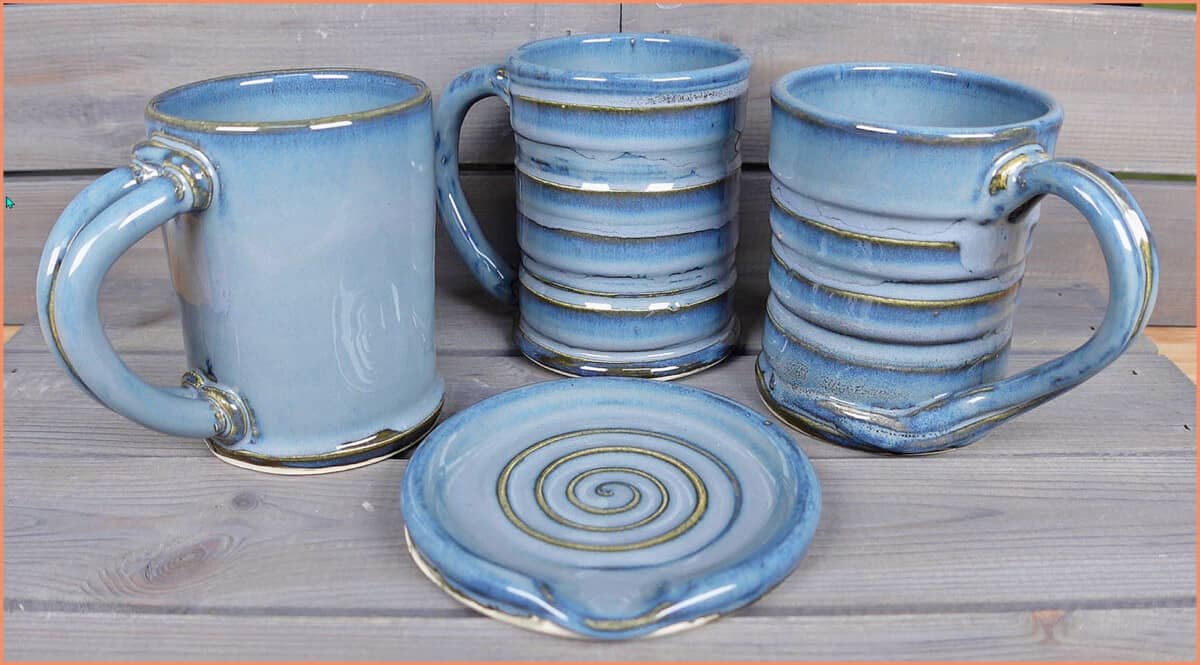
Here are a few of My Glaze Picks you can select from to start glazing at home.
Strainer
I found that a Strainer is necessary to remove any clumps or debris from the glaze, ensuring a smooth, even application. Clumps or debris in the glaze can lead to imperfections in the final product. Whenever I didn’t use it, I would end up with a clump of glaze or something else on my pot. Better safe than sorry.
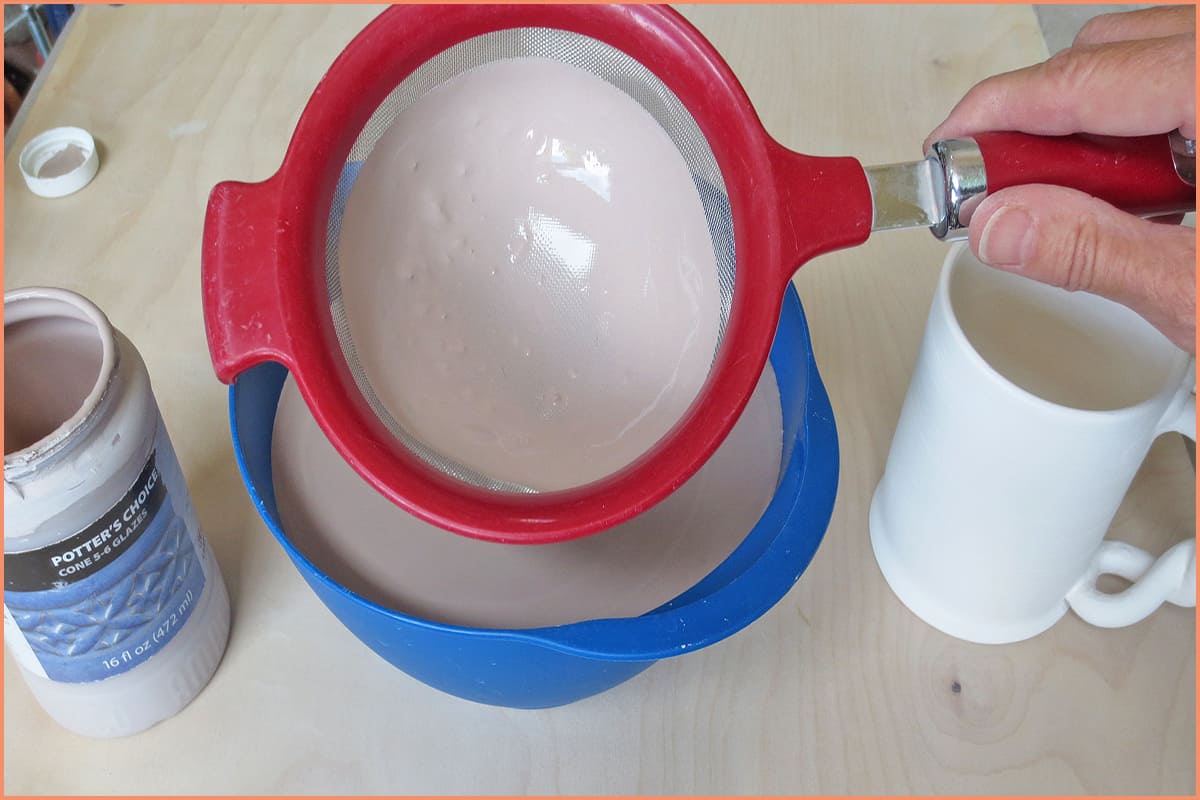
Note: You can’t use the strainer with crystal glazes because the crystals will get trapped in the strainer.
Glaze Brushes
Finally, most new potters need glaze brushes to apply the glaze. These brushes come in different sizes and shapes, allowing precise application and creating different effects on the pottery surface.
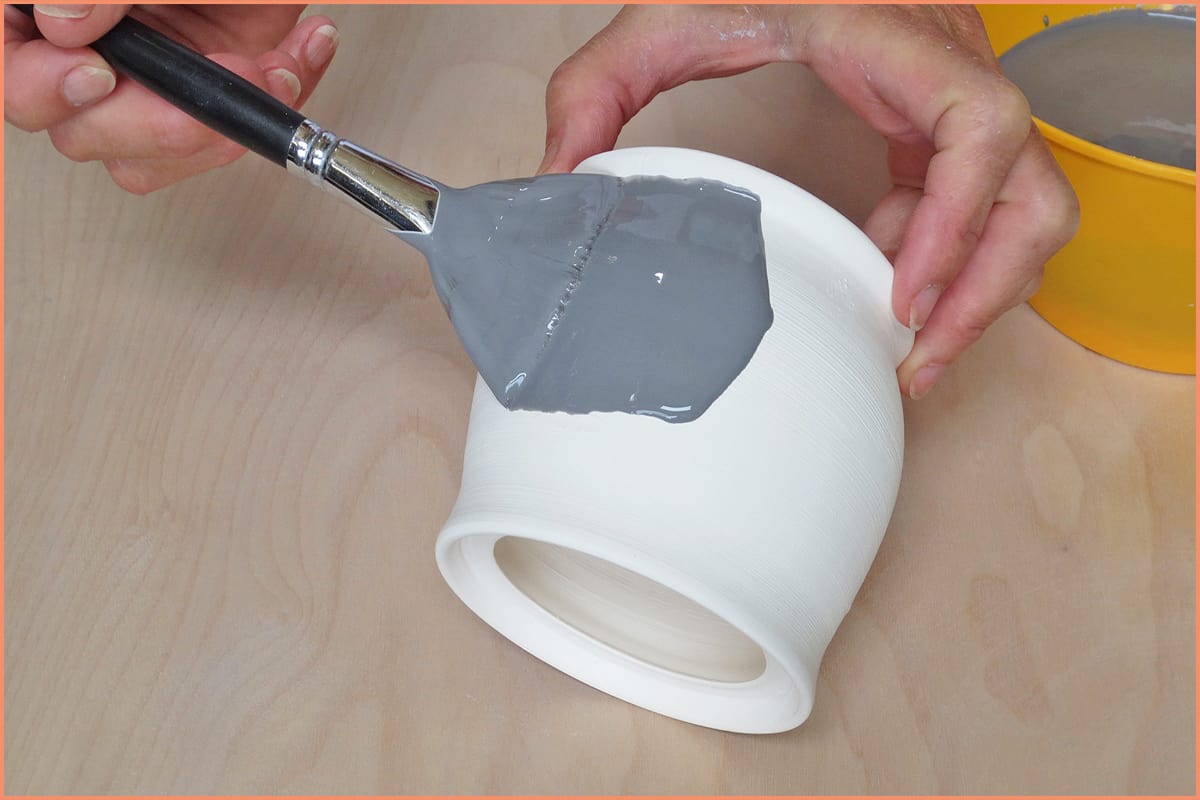
I would suggest starting out with AMAGIC Artist Soft Fan Brushes. I like the way they hold the glaze and brush it onto the pot. These are some of my favorite brushes. They may end up being yours as well.
For a detailed look at more brushes, go to My Glaze Brushes Picks
Dust Mask
When working with dry clay and glazes, a dust mask is essential for health and safety. These materials produce fine dust particles that, if inhaled, can harm the respiratory system. This is especially true for silica dust, commonly found in clay and some glazes.
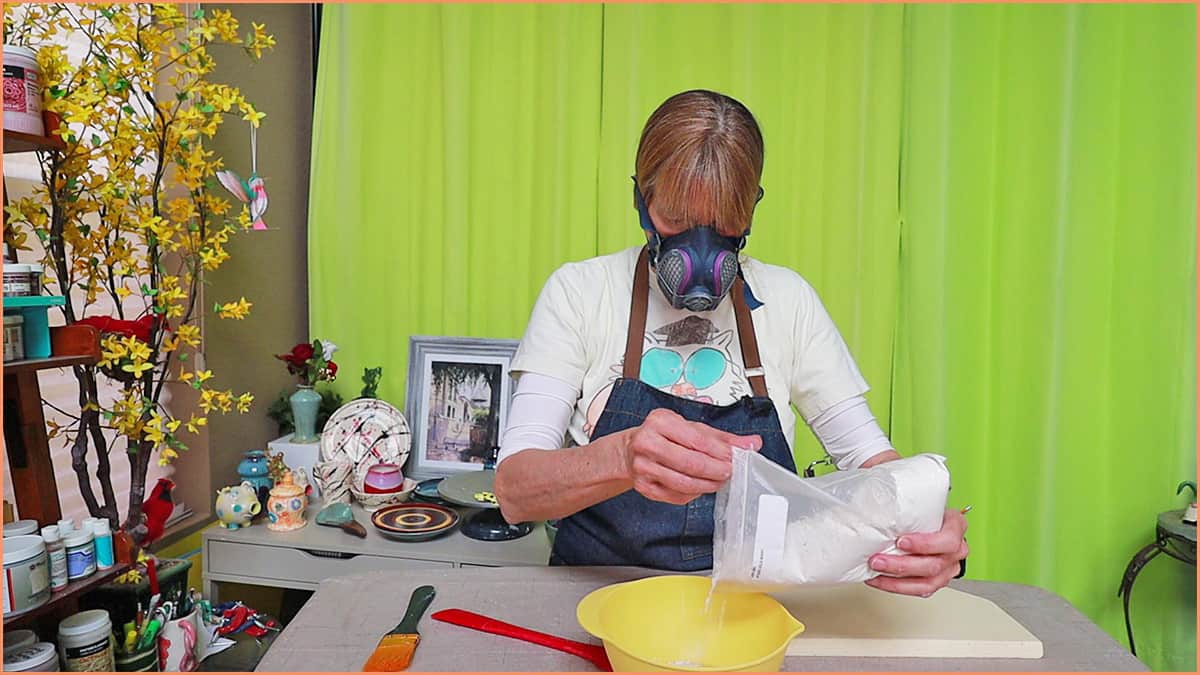
If inhaled over time, silica dust can lead to serious lung diseases such as silicosis. A Dust Mask effectively filters out these harmful particles, protecting the lungs from irritation and long-term health risks. You can read this article on how to Reduce Airborne Dust Particles from Glazes and Clay.
Spray Bottle
Maintaining the right level of moisture is essential for the workability of clay and for the overall cleanliness of the pottery studio environment. A Mister Pump Spray Bottle is an excellent choice because it emits a fine, gentle mist.
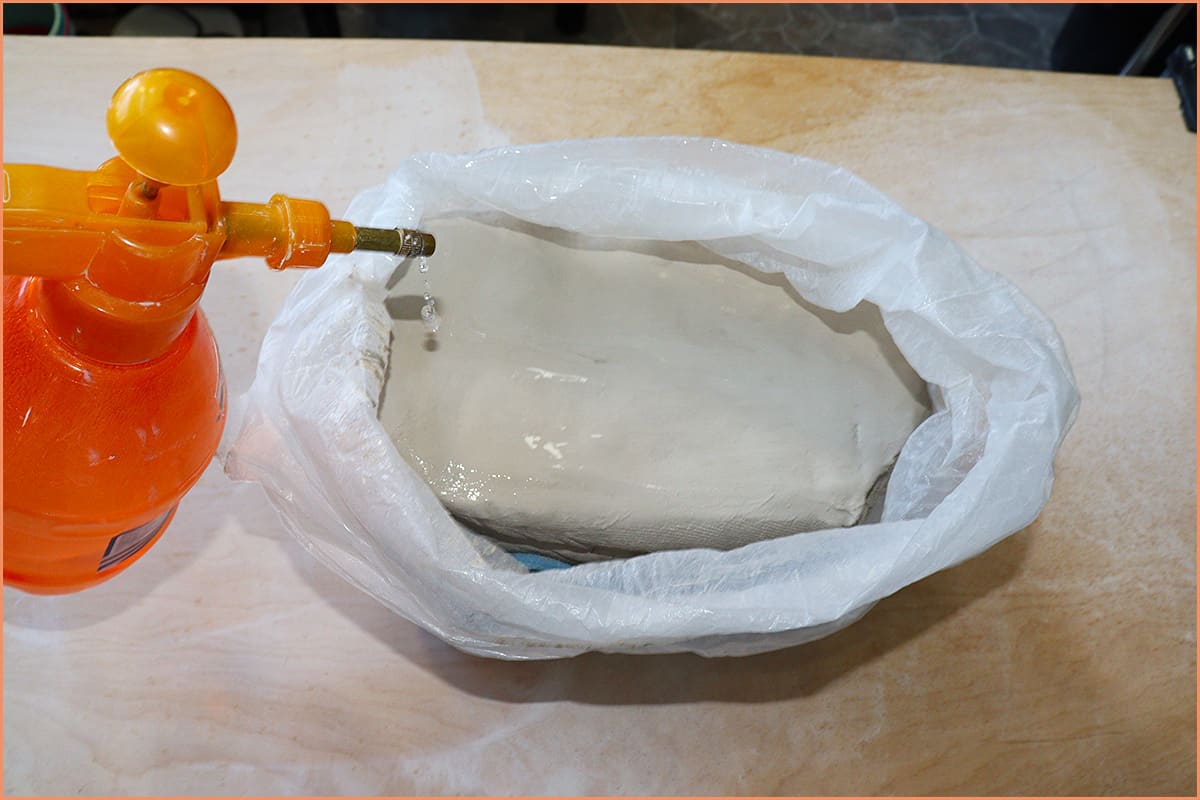
This light misting is perfect for evenly moistening clay without saturating it, which is essential for handbuilding and decorating. Moreover, by lightly misting surfaces, the spray bottle helps to keep clay dust at bay.
Basic Equipment: Finding Your Style
When I embarked on my pottery journey, determining my preferred method of creation was crucial. Both hand-building and wheel-throwing offer distinct textures and forms that echo your personal artistic expression.
Hand-Building Equipment Needed
There are several approaches to Making Pottery, and as a beginner, you can focus on hand-building techniques that do not require a pottery wheel. This allows you to get a feel for the material and start creating immediately with techniques such as pinch pots, coil building, slab construction, and even slip casting using plaster molds.
Pinch Pots
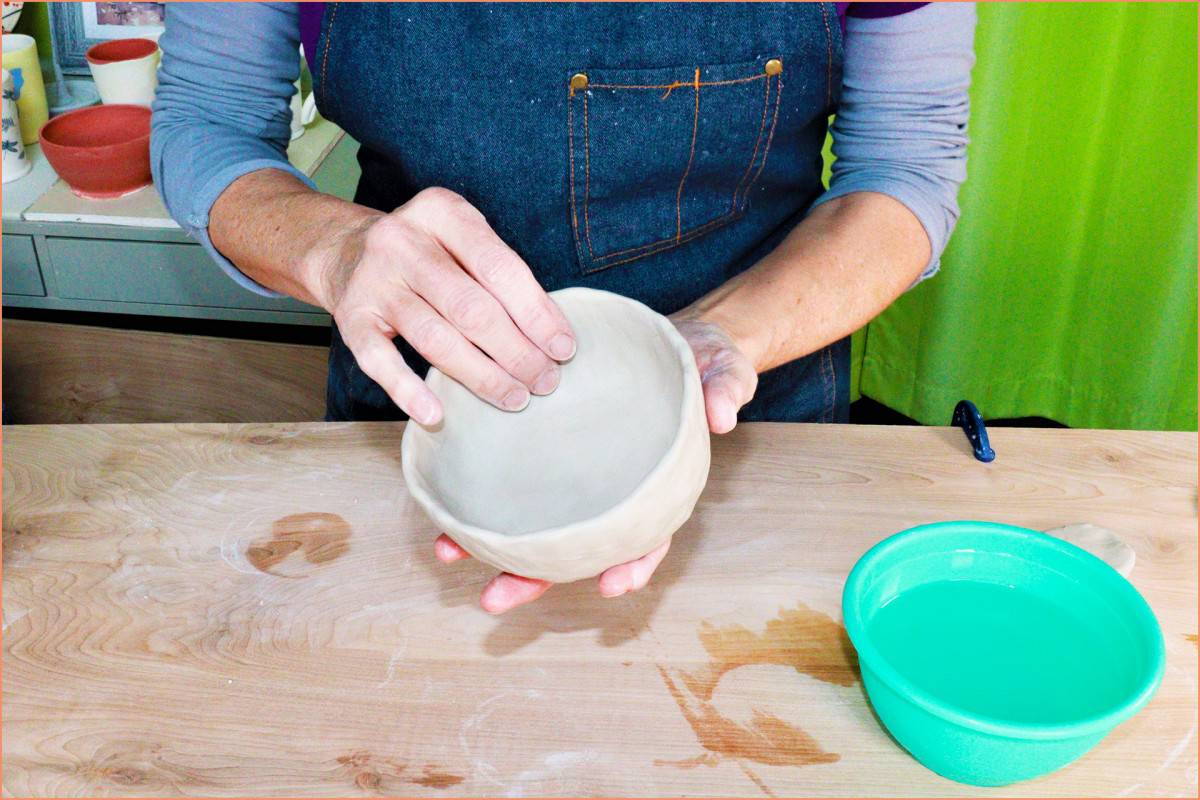
Pinching starts with a ball of clay, forming shapes by pinching and turning the clay. If you choose to make pinch pots, no additional equipment is needed, and you can start making your pottery.
Coil Construction
Coiling involves rolling out long strings of clay and stacking them to create forms. If you choose to coil, you can also start making cool pots with no further equipment.

Clay Extruder: If you would like to add any equipment to help make your coils, you can get a handheld clay extruder. A clay extruder is a valuable tool in making clay coil pots. It helps create uniform, consistent coils for building the pot’s walls.
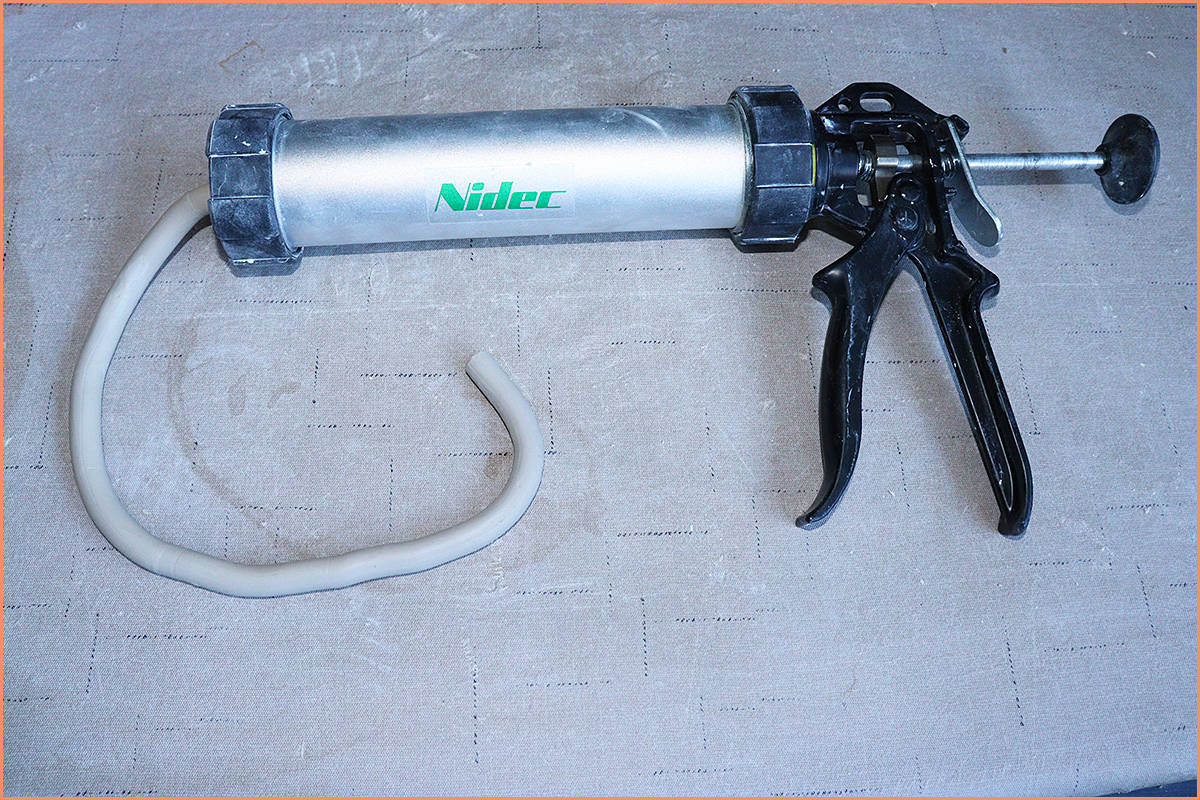
By using an extruder, you can quickly produce long, even strands of clay that are the same thickness throughout. This consistency ensures the pot’s structural integrity. The Handheld Clay Extruder also saves time and reduces the physical strain of hand-rolling coils, making the pot-making process more efficient and enjoyable.
For more detailed information, check out Pottery Clay Extruders – Uses and Functions
Slab Building
Slab building uses flat pieces of clay cut into shapes and joined together, which is ideal for geometric forms. If you choose to slab build, I would recommend getting a rolling pin and rulers to shape clay. The Rolling Pin flattens the clay into even sheets, while Rulers held securely with C-Clamps ensure the sheets maintain a consistent thickness throughout. This technique allows the potter to create various forms, such as slabs, which can then be cut and assembled into a wide range of pottery pieces.

Slab Roller: If you love slab building and know that it is the main way you want to create things with clay, then I would suggest getting a Slab Roller. It flattens the clay into sheets very quickly and easily. You can start out small and get the Table Top Slab Roller that I have. It works great for me.

Then, if you have the space and it’s in your budget, you can get the Stand Alone Slab Roller.
Pottery Wheels
After gaining confidence with hand-building, I transitioned to wheel throwing, which was mesmerizing and a little more complex to learn. Learning to center the clay was the most frustrating for me, but it was a transformative skill that I conquered.

For those interested in Shaping Clay on the Potter’s Wheel, you will need a pottery wheel in your home studio. The good news is that there are many types of pottery wheels to choose from.
If you are not sure if wheel throwing is the main way you want to create with clay, you can start out with a Pottery Wheel Forming Machine. I found this wheel to be a great starter wheel. For more detailed information about it, check out The Skytou Pottery Wheel Pottery Forming Machine – Owners Review
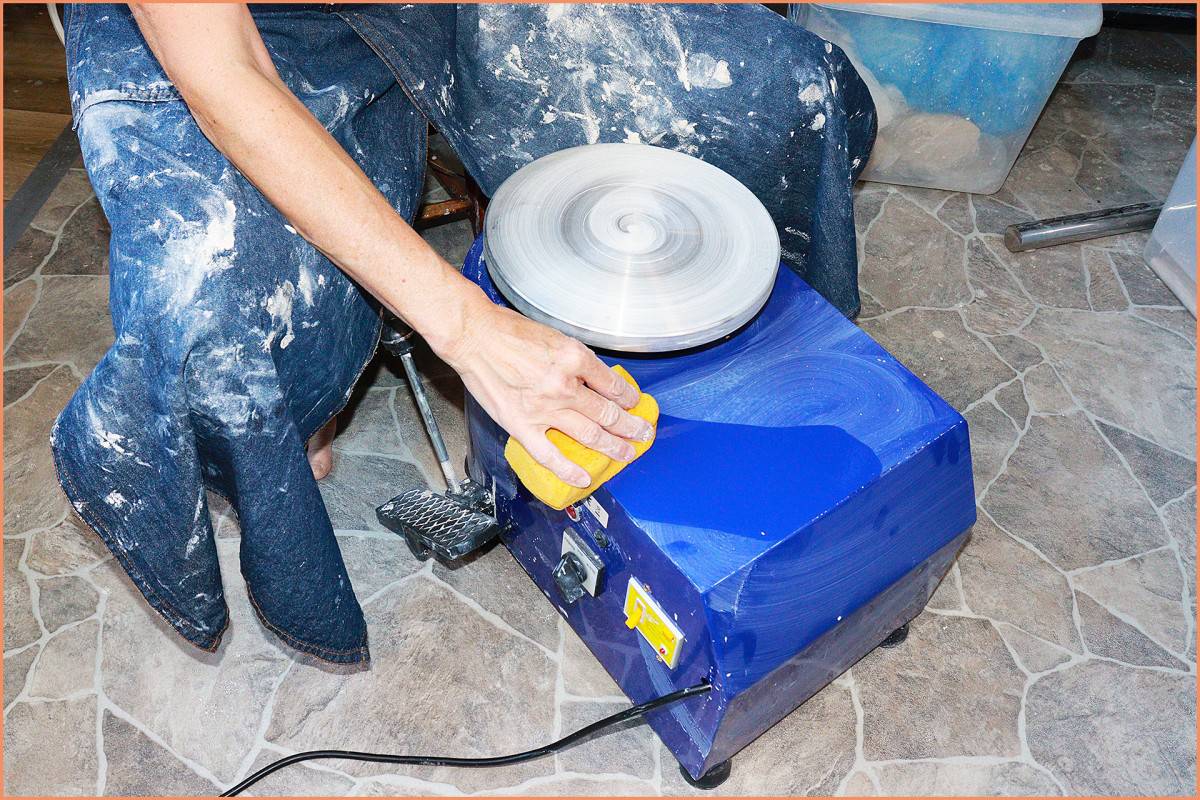
If you love wheel throwing and know it is the main way you want to create with clay, but don’t have much space or the budget for a freestanding Wheel, you can select the Speedball Artista Portable Potter’s Wheel. For more detailed information on this wheel, go to Speedball Artista Pottery Wheel – Owners Review.
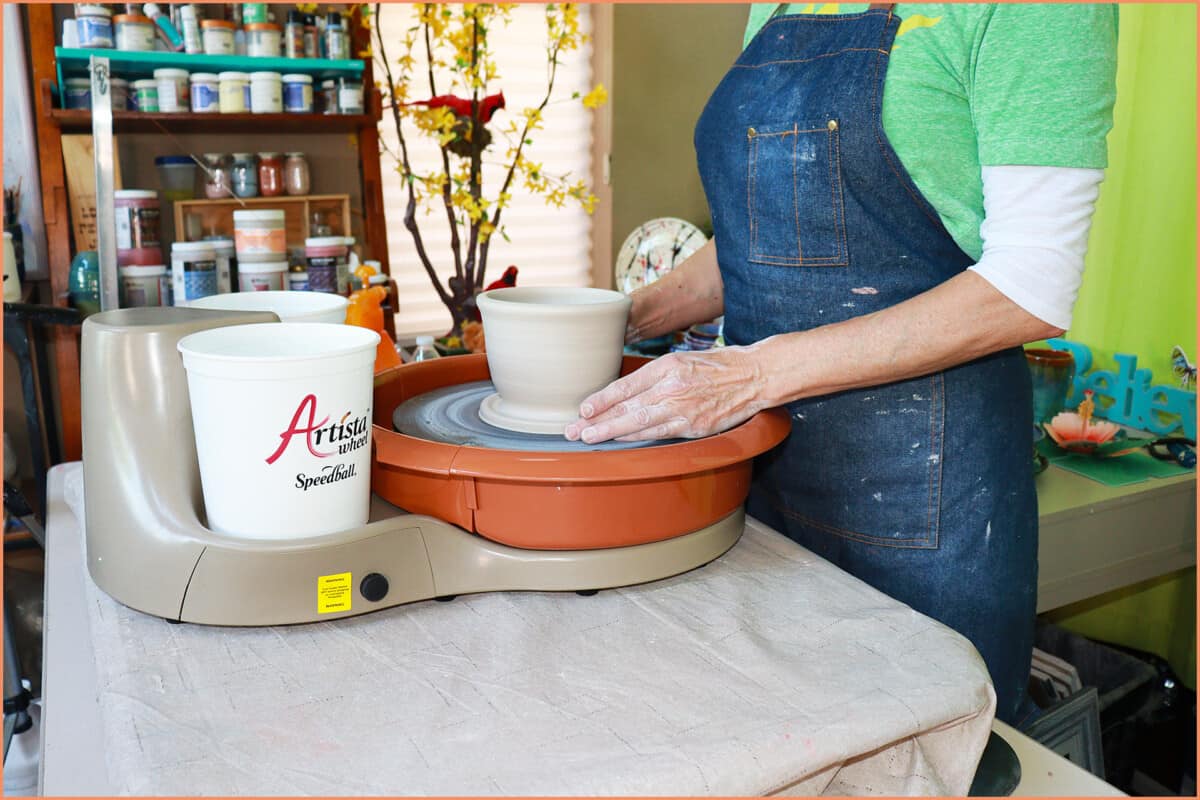
After advancing in my pottery wheel skills, I knew I wanted a well-built, stand-alone Potter’s wheel, so I bought the Brent Model CXC Pottery Wheel and never looked back. For more detailed information on this wheel, go to The Brent CXC Pottery Wheel – Owners Review.
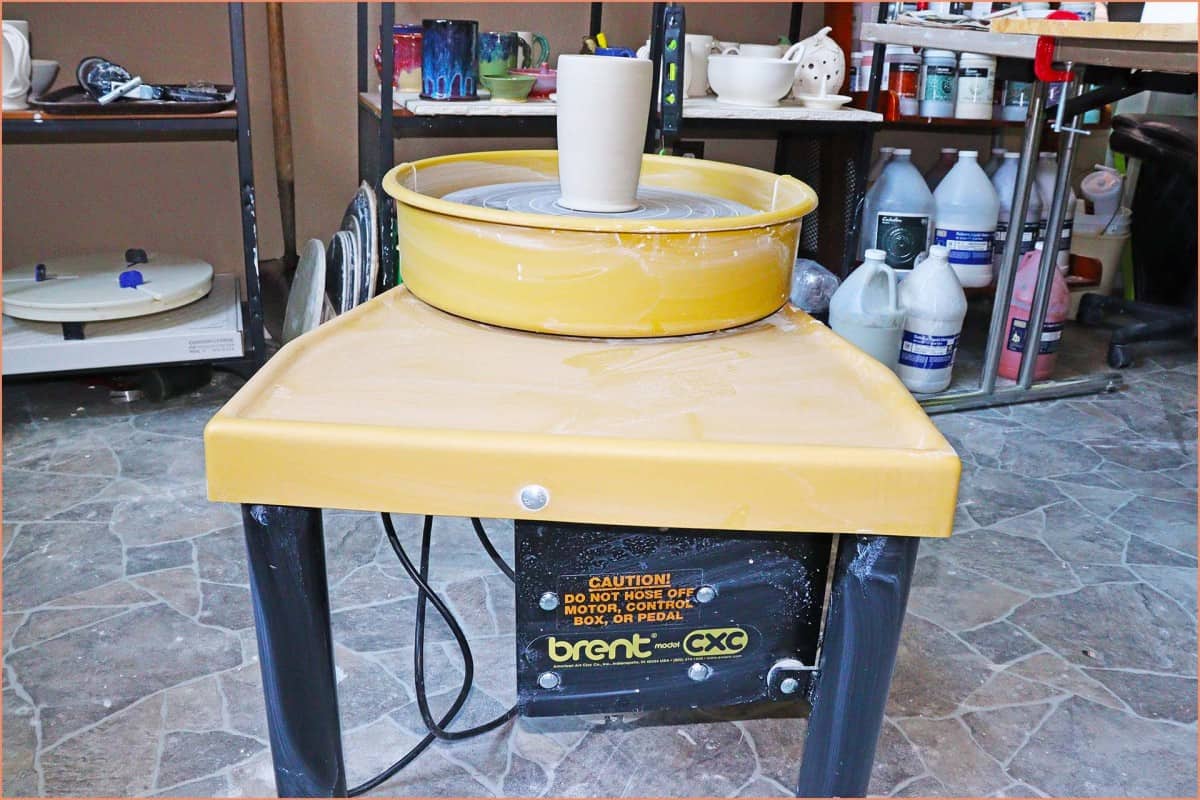
If you are still unsure of which wheel is best for you, you can go to this Pottery Wheel Buyers Guild.
If you are not in the market for buying a new wheel, you can also get a used one. Here are the things to look for and look out for when buying a Used Pottery Wheel.
Banding Wheel
A banding wheel is a helpful piece of equipment to have in your studio. It is mainly used in hand-building and decorating. It helps artists access all sides of their work without manually repositioning it. Its steady rotation facilitates the uniform application of materials and patterns, making it easier to create evenly decorated pieces.
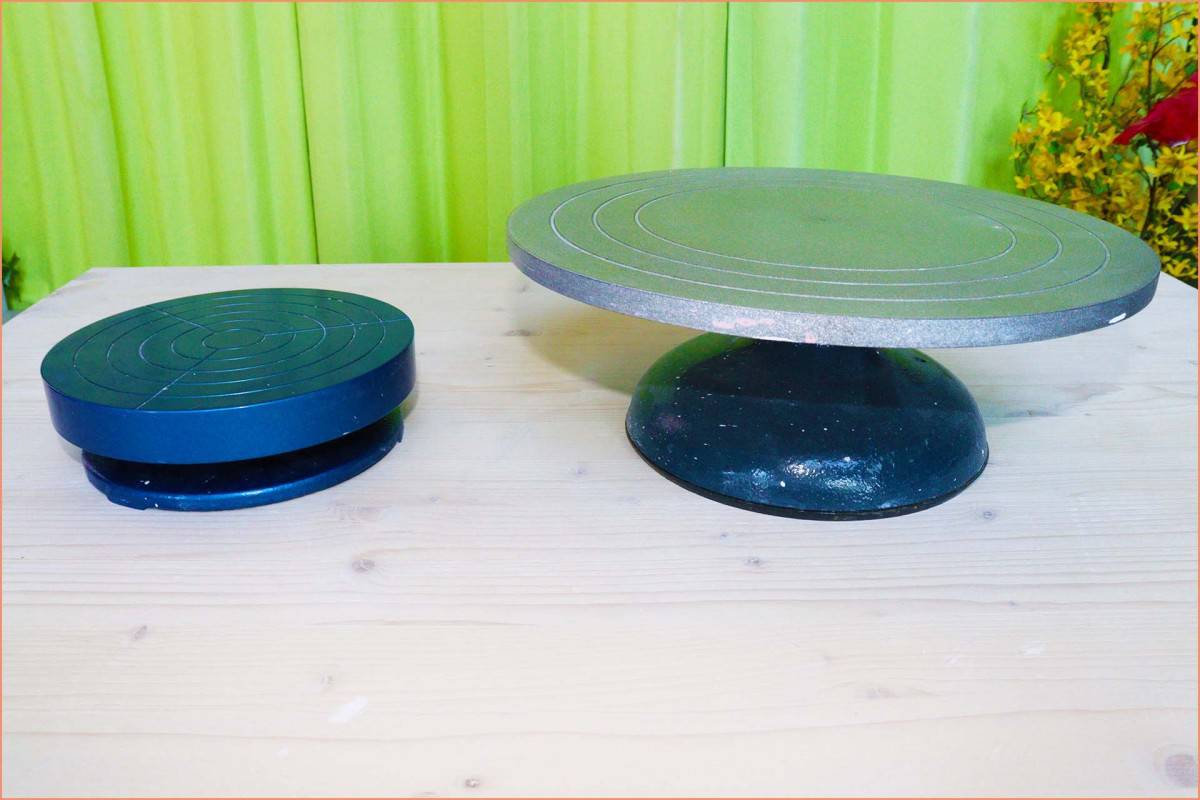
Various types of banding wheels are available. To help you select the one that’s best for your needs and budget, be sure to check out my detailed article on the “Best Banding Wheels.”
Kilns
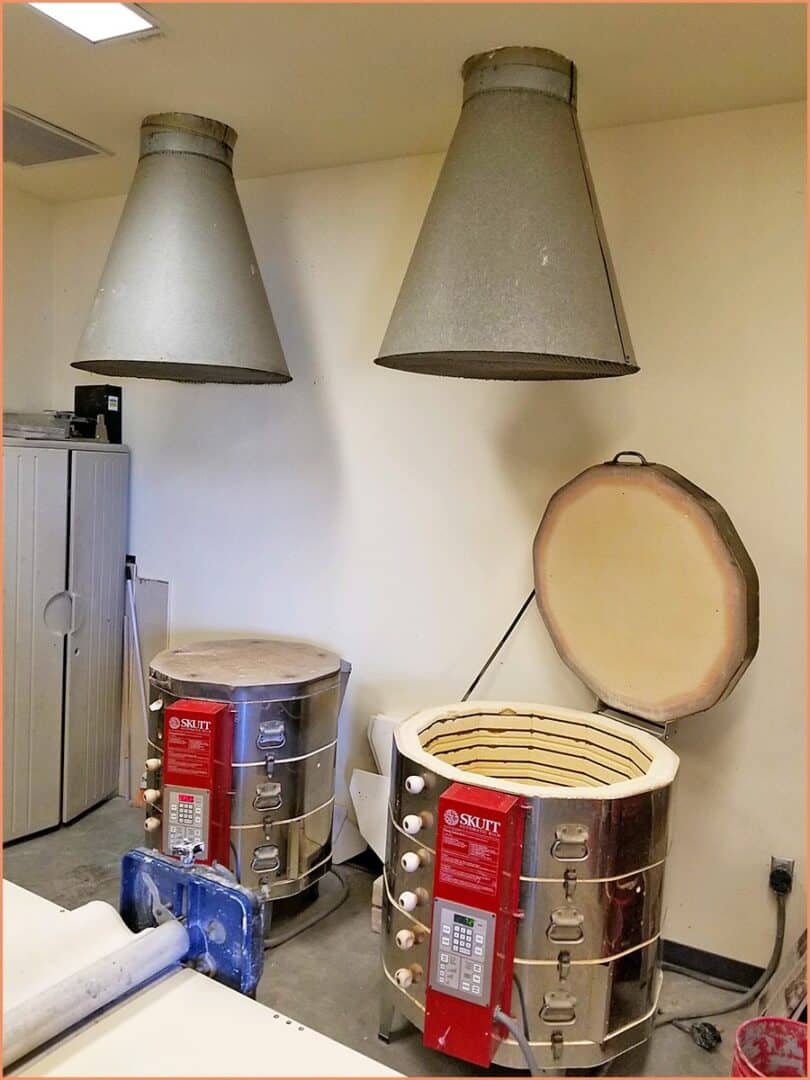
A specialized oven that reaches the high temperatures required to fire pottery. There are Gas and Electric Kilns, each offering different effects on the final piece.
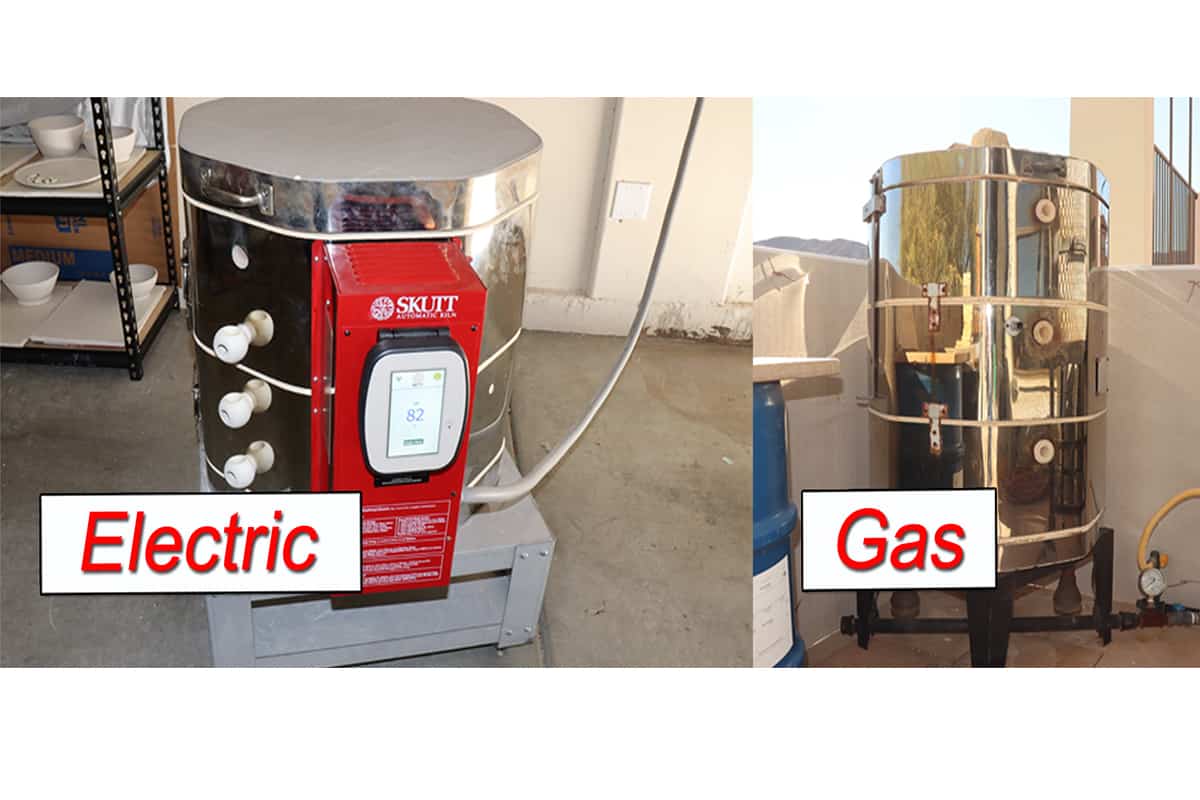
It’s a significant investment but essential for serious pottery. When Choosing an Electric Kiln, it is good to know how it works and where you can place it.
When you plan on buying your own kiln, this Buyers Guild for Home Kilns will go through 6 Kilns, from an 8×6 Kiln for smaller pieces and a small amount of pottery to a 9.9 square foot kiln if you plan on making larger pieces of pottery or producing a lot of pottery.
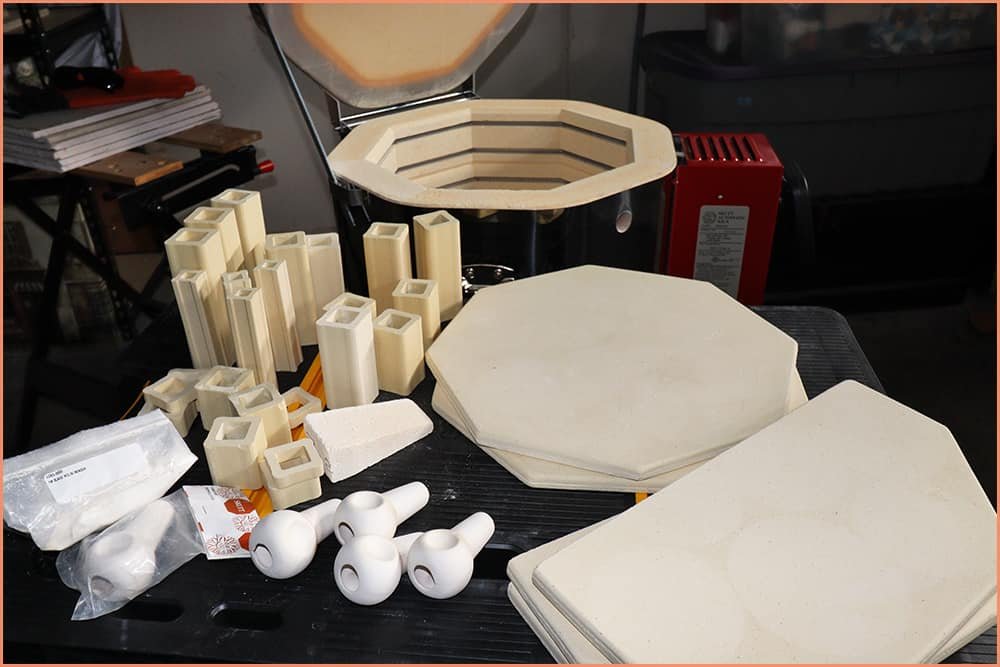
If you are unsure how big or how much pottery you will be making in the future, you may consider starting out small and getting a larger kiln later. You can always use the smaller kiln for test tiles or a few small pieces.
Kiln safety: Kilns need to be placed in a well-ventilated area. For more important ventilation information, read about how Pottery Kilns need to be Vented.

To prevent hazards, ensure your kiln is installed in accordance with the manufacturer’s guidelines and local building codes. It’s also important to know the Basics of Kiln Safety.
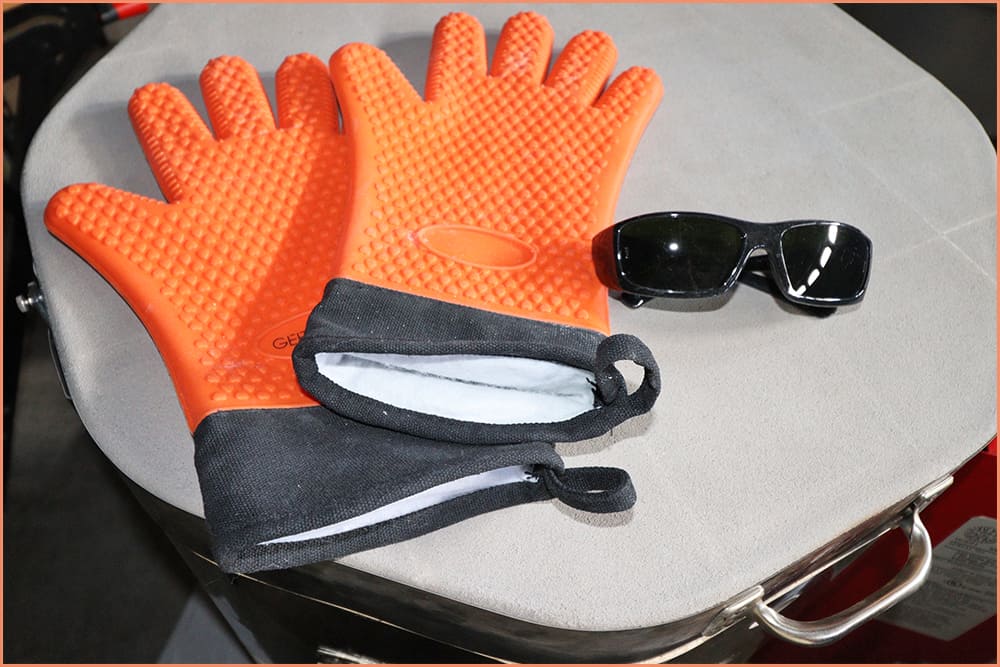
If you buy your first Kiln and have not used one before, this guide – How To Use a Pottery Kiln at Home, and these Kiln Questions are recommended to read before firing up your home kiln.
Home Kiln Alternatives
If you don’t have your own kiln, you do have alternatives. You can rent kiln space from a pottery studio, community kiln, or a fellow potter. Connecting with other pottery enthusiasts has been immensely beneficial. You can join a local pottery group that may provide kiln space. Online forums and social media groups are also great places to seek support.
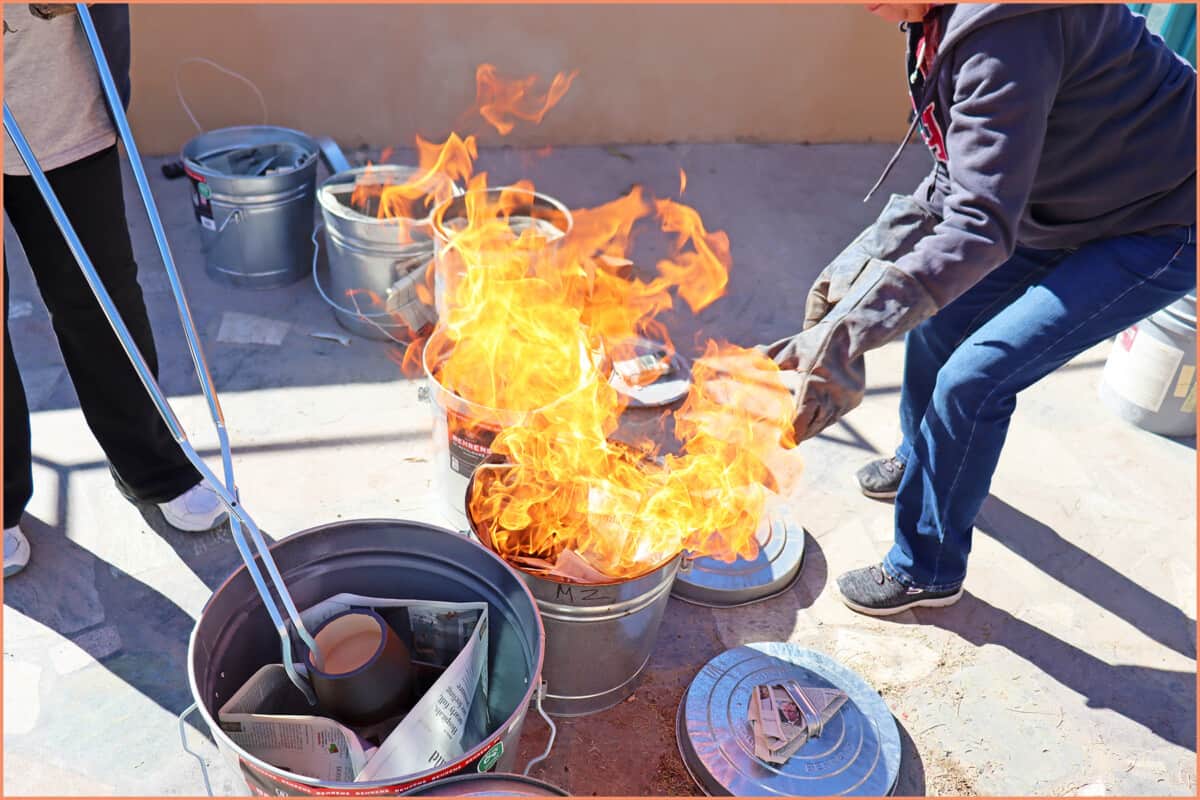
Pit Fire or Raku Fire is another alternative to fire pottery. Keep in mind that your clay will not vetrify when Pit Firing or Raku Firing.
For those without a kiln, pit firing, or finding any kiln access, there is another effective alternative until you can fire your clay. You can use Air-Dry Clay, instead of glazing, use Acrylic Paints, and apply any kind of protector like Mod Podge Dishwasher Safe Waterbased Sealer. Keep in mind that air-dried clay and acrylic paints are not food-safe.
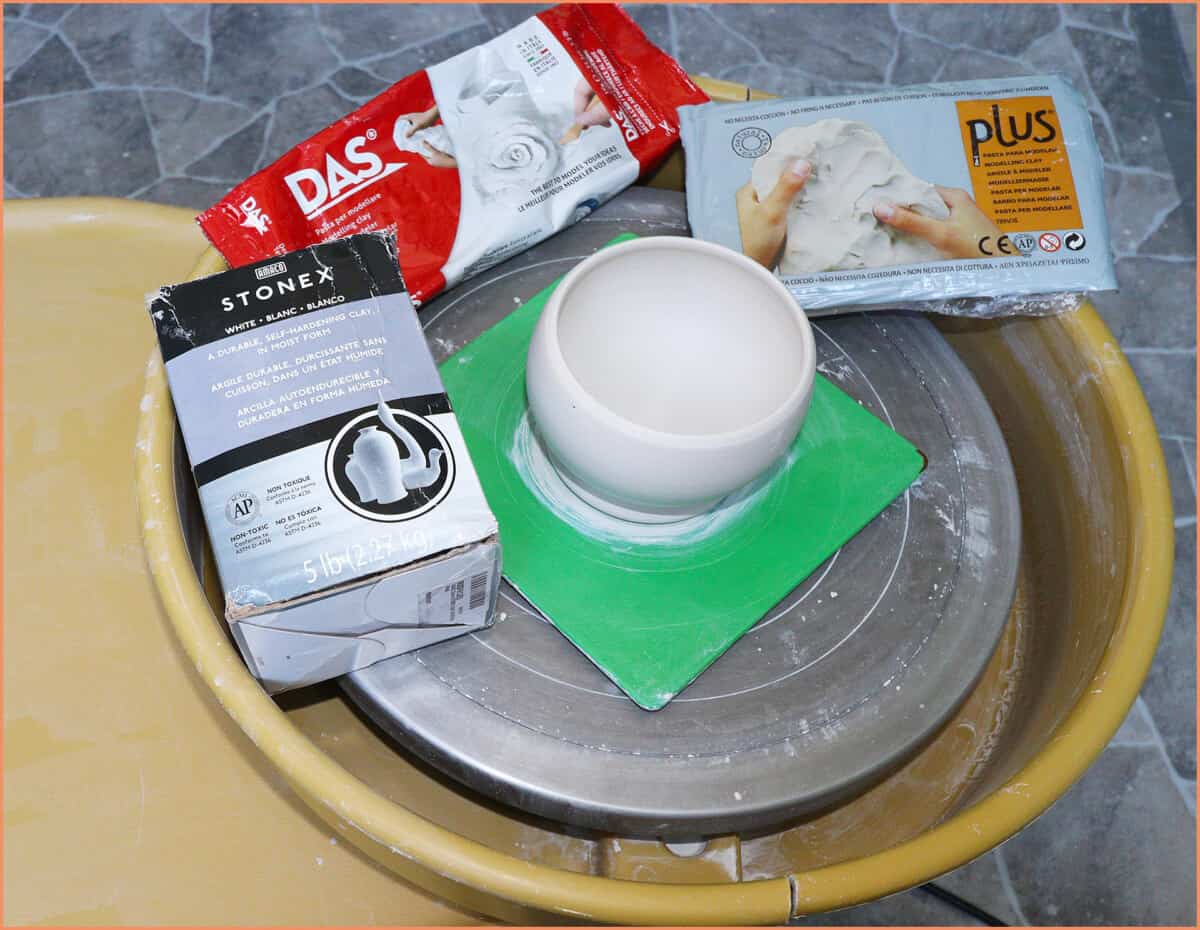
Air-dry clay works well for hand-building, and you can also use it on the Pottery Wheel.
The Creative Process of Making Pottery at Home
The creative process of making pottery at home involves envisioning a design, preparing your clay, shaping and molding it using various techniques, and glazing it.
Wedging Your Clay
Now that you have all the basics for your home studio, you can start by wedging your clay. This is a critical step to homogenize the clay’s consistency, remove air bubbles, and align the clay particles. Wedging prevents issues during drying and firing, such as cracking or breaking.
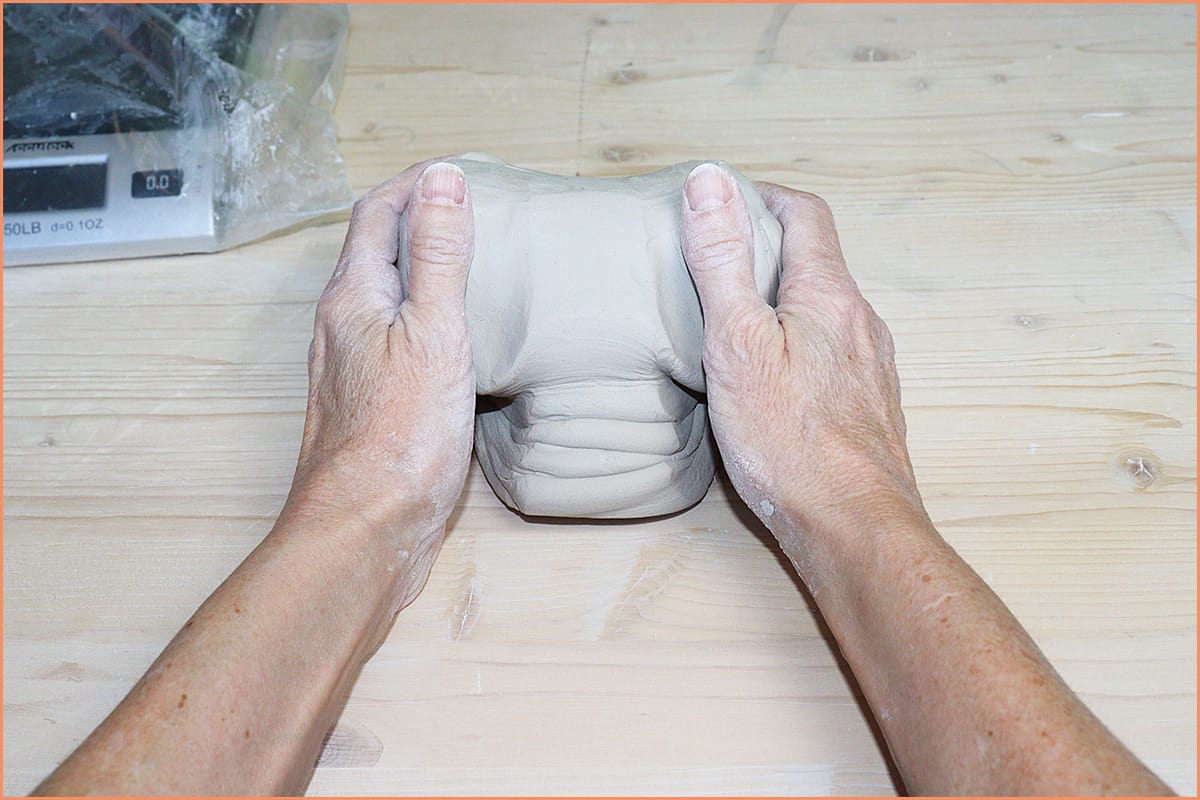
For more information and ways to wedge your clay, visit How To Wedge Clay: A Beginner’s Guide With A Step By Step Video
Shaping Your Piece
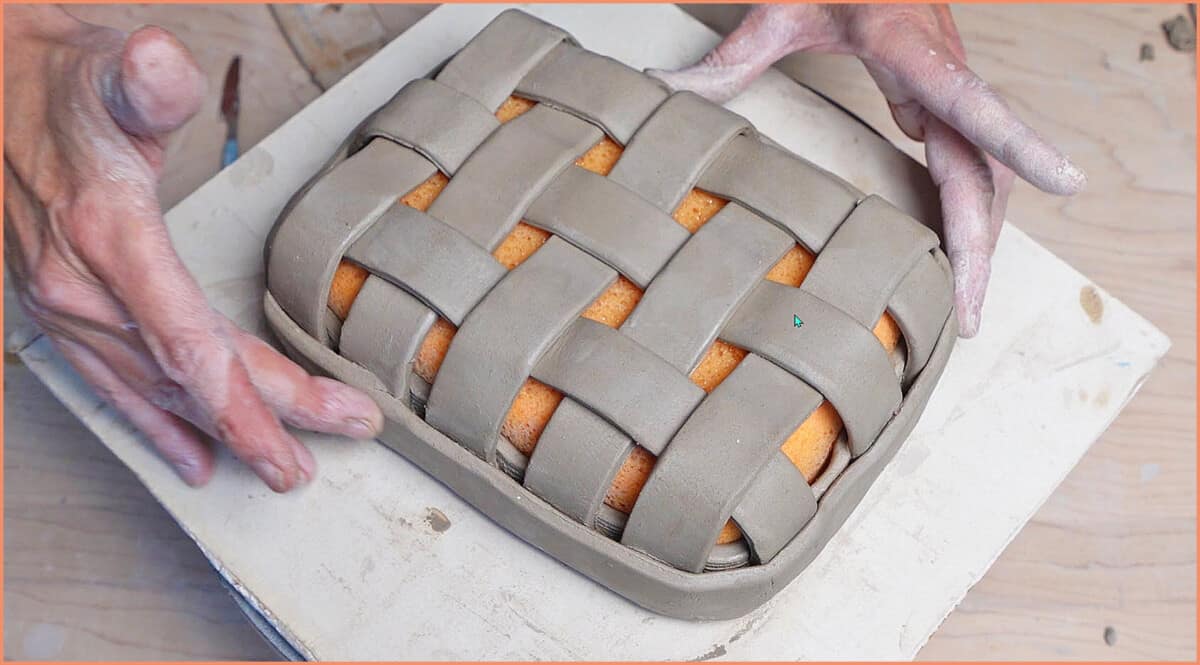
Next comes the shaping stage, where your creativity shines. In hand-building, you use your hands and simple tools to manipulate, shape, and build the clay by hand. Different techniques create a diverse range of forms and textures.
Wheel-throwing involves using a potter’s wheel. This method is often favored for producing symmetrical pieces such as bowls, vases, or plates. The wheel’s rotation helps create smooth, consistent curves and shapes, but it takes practice to master the control needed.

Regardless of the method chosen, it’s crucial to remember that clay has a unique characteristic often called ‘memory.’ This means that the way you manipulate the clay can influence its final form and stability. Consistent, even pressure is vital during the shaping process to prevent the clay from warping or collapsing.
Drying and Bisque Firing Ceramics
After shaping, the piece needs to dry to the bone-dry stage before Bisque Firing.
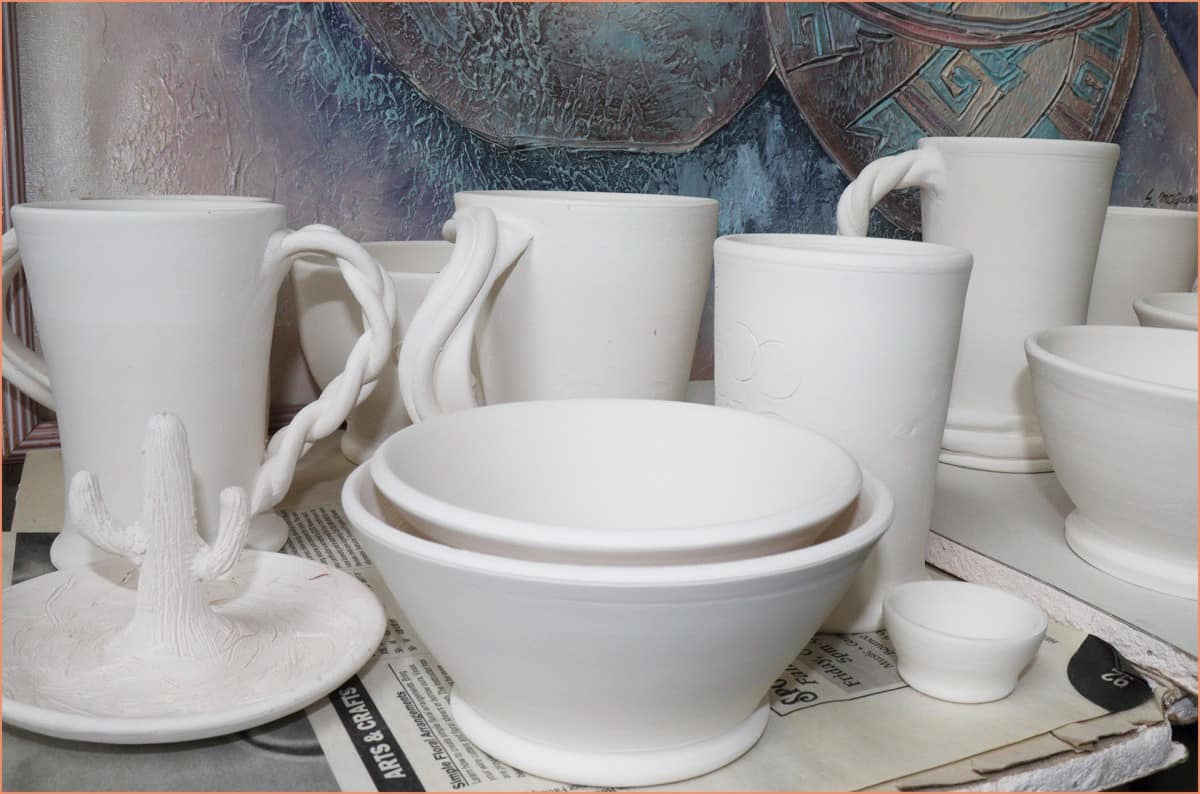
Slow drying is crucial. It prevents the formation of stress cracks. Cover your piece with a cloth to dry gradually. Once the greenware is bone-dry, it’s ready for bisque firing in a kiln, which transforms clay into a porous yet solid state known as ‘bisqueware that’s ready for glazing.
Glazing pottery
The final step is to Apply Glaze to the bisqueware to add color and finish. The choice of glaze and application technique greatly influences the aesthetic and functional quality of the pottery.

For more information, check out How to Glaze Pottery – 9 Pottery Glazing Techniques.
Final Firing
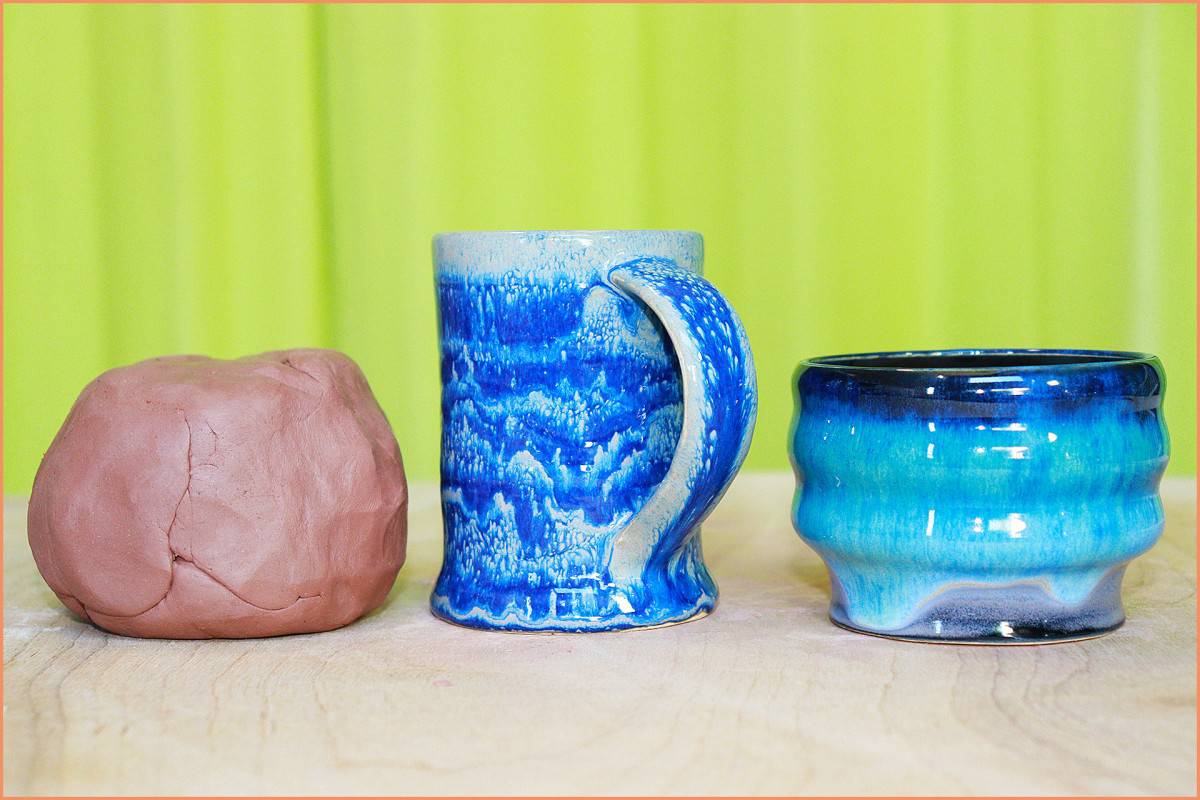
This is the last step. The glazed piece undergoes a final firing, where the glaze melts and forms a glass-like surface. This firing solidifies your piece, giving it strength and its final appearance.
For more detailed information, go to: How to Make Pottery – 8 Step Pottery Making Process.
Important Basic Tips for Beginners
Before making pottery at home, there are several basic tips to guide your pottery-making journey. Here are essential pointers that I’ve found invaluable as a beginner.
Disposing of Pottery Clay Water at Home
Disposing of pottery clay water at home is important for several reasons. First, clay particles in water can cause plumbing issues if they settle and harden in pipes, leading to blockages over time. This is especially true for home plumbing systems, which are not designed to handle such materials.
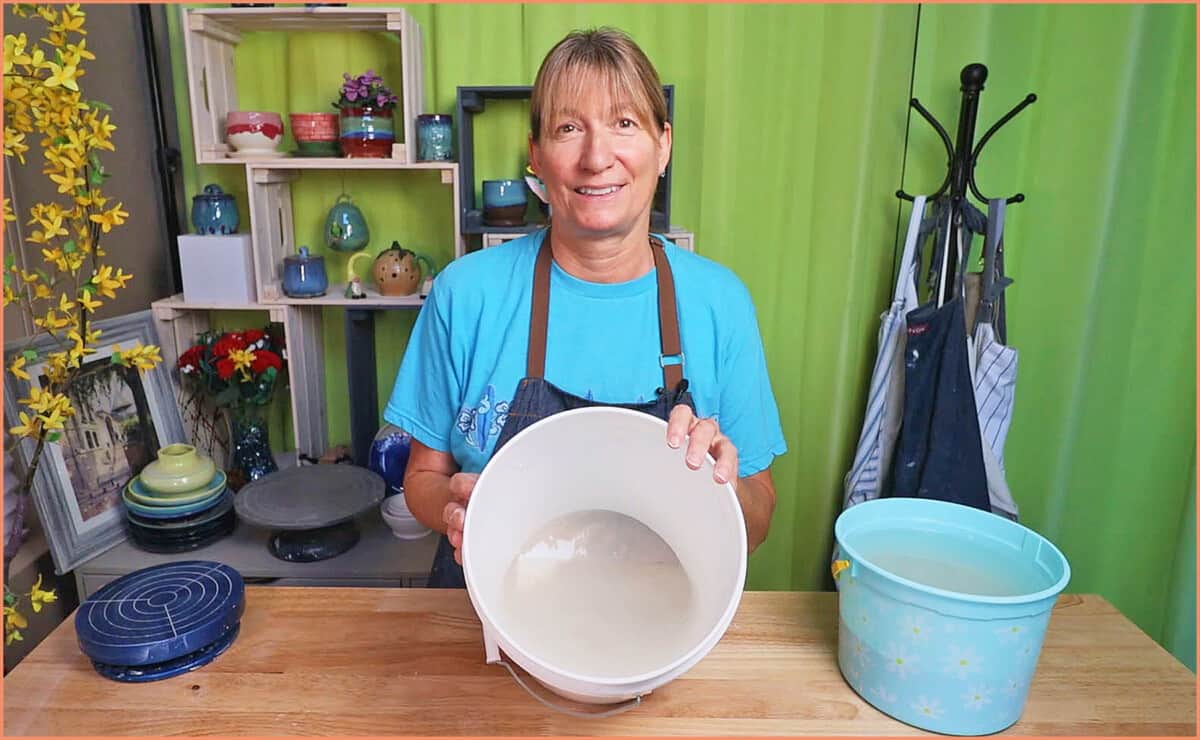
Second, proper disposal is environmentally responsible. Clay can contain various minerals and substances that, if not disposed of correctly, could harm local ecosystems if they enter waterways. Therefore, it’s important to dispose of clay water responsibly, usually by allowing the clay to settle, pouring off the clear water, and then drying out the clay residue to Reclaim Your Pottery Clay.
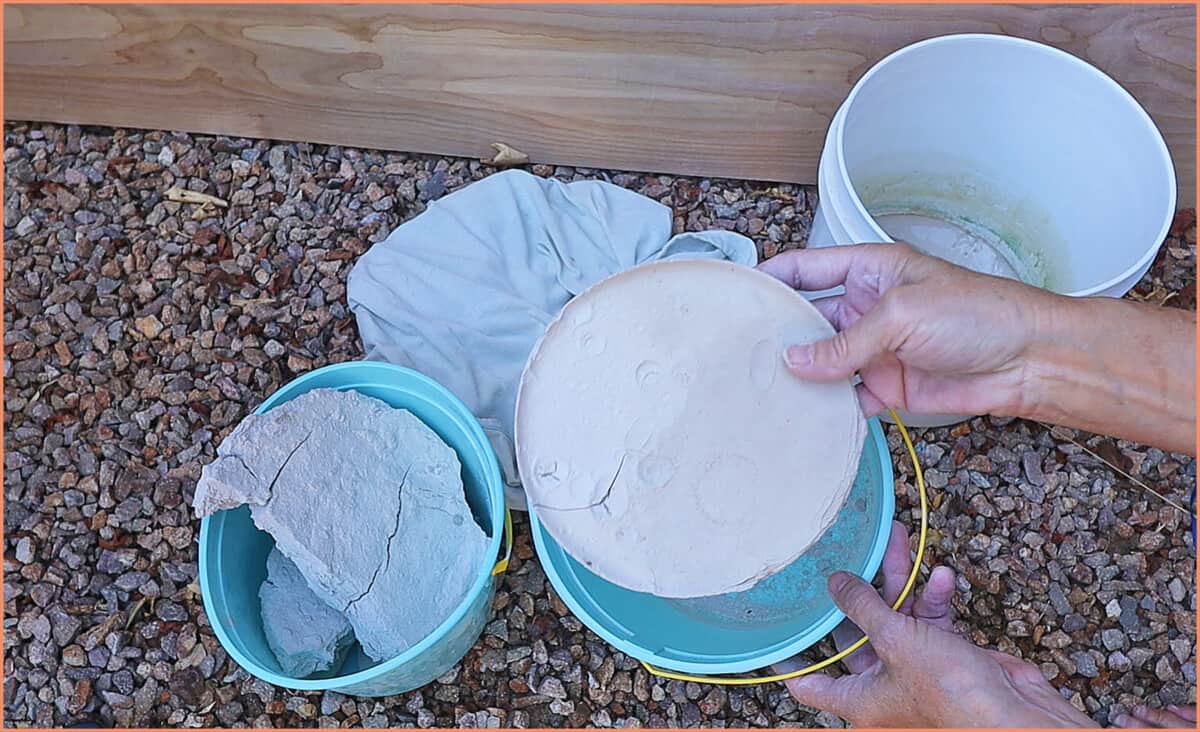
Reading “How to Dispose of Pottery Clay Water” is crucial, as it helps prevent plumbing issues and environmental harm, ensuring safe and responsible handling of clay waste.
What to Wear When Making Pottery at Home
When making pottery at home, it’s important to wear clothing that you don’t mind getting dirty. Also, consider wearing an apron or smock to protect your clothes.
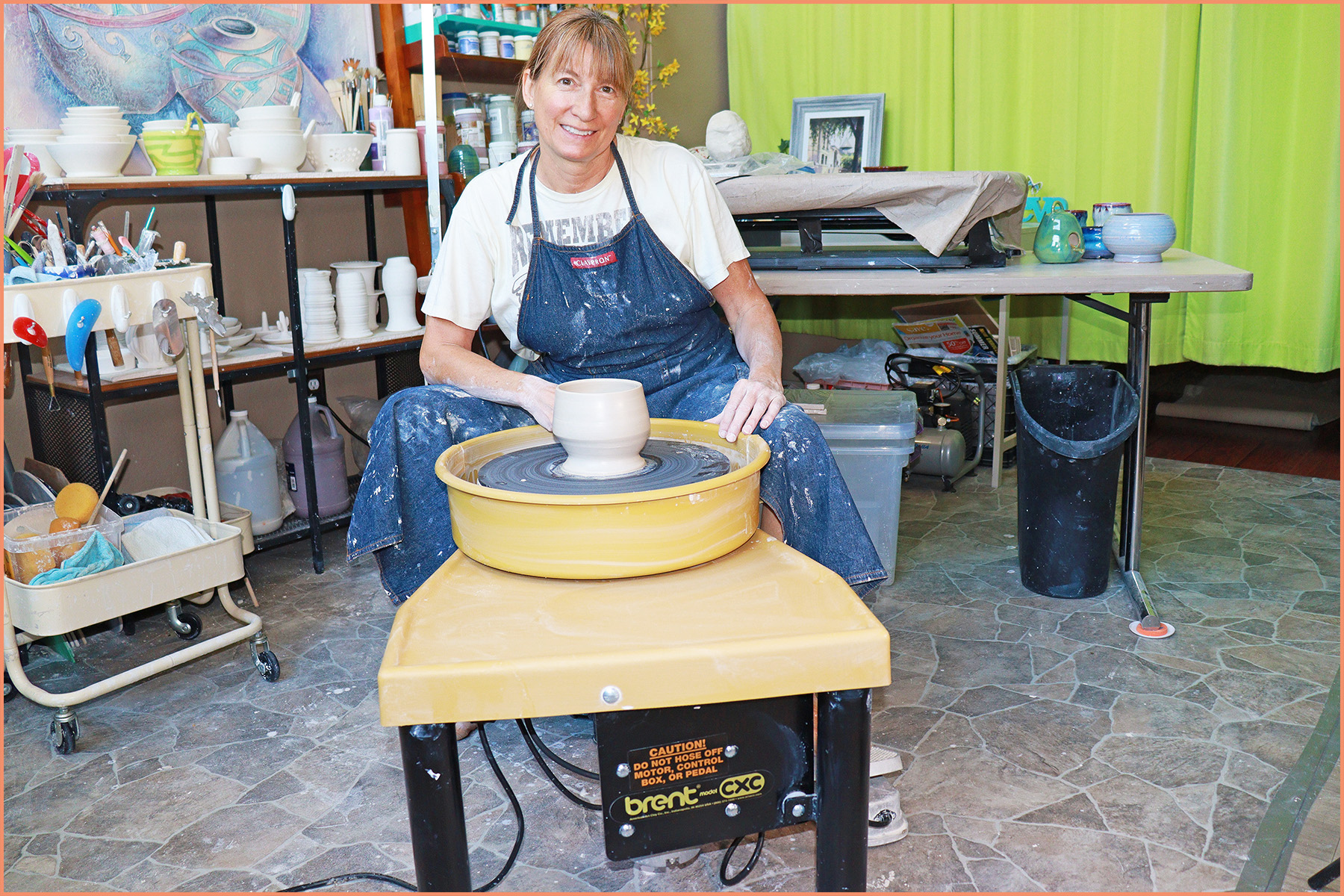
For more detailed information, including specific recommendations and tips, read the article “What to Wear When Making Pottery.” This guide offers advice on appropriate attire for various pottery processes, ensuring both comfort and safety while you create.
Clay Storage
Proper storage of pottery clay is crucial to maintaining its workability and quality. Clay should be kept in a cool, dry place. To prevent moist clay from drying out, it’s best to wrap moist clay in Plastic Bags or store it in a Plastic Storage Container with a Lid.
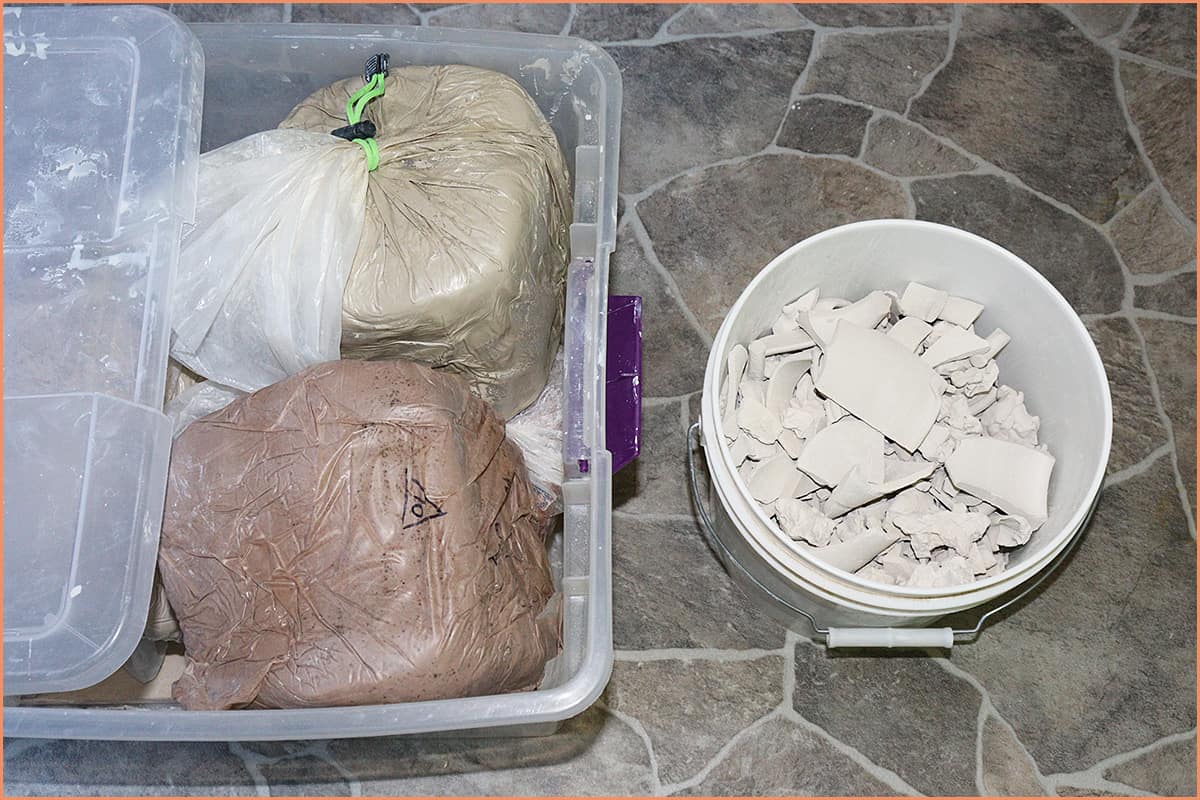
For detailed information on the best practices for clay storage, including tips on how to keep different types of clay in optimal condition, you should read the article “How to Store Pottery Clay.” This comprehensive guide offers in-depth insights and techniques for preserving the quality of your clay over time, along with ways to store unfinished clay projects.
Conclusion
I’ve learned that you don’t need to get everything right away. It’s best to start with the basics and grow as you go. Here is the link to my advanced studio setup guide, which will help you build your studio: Home Pottery Studio Set Up Guide.
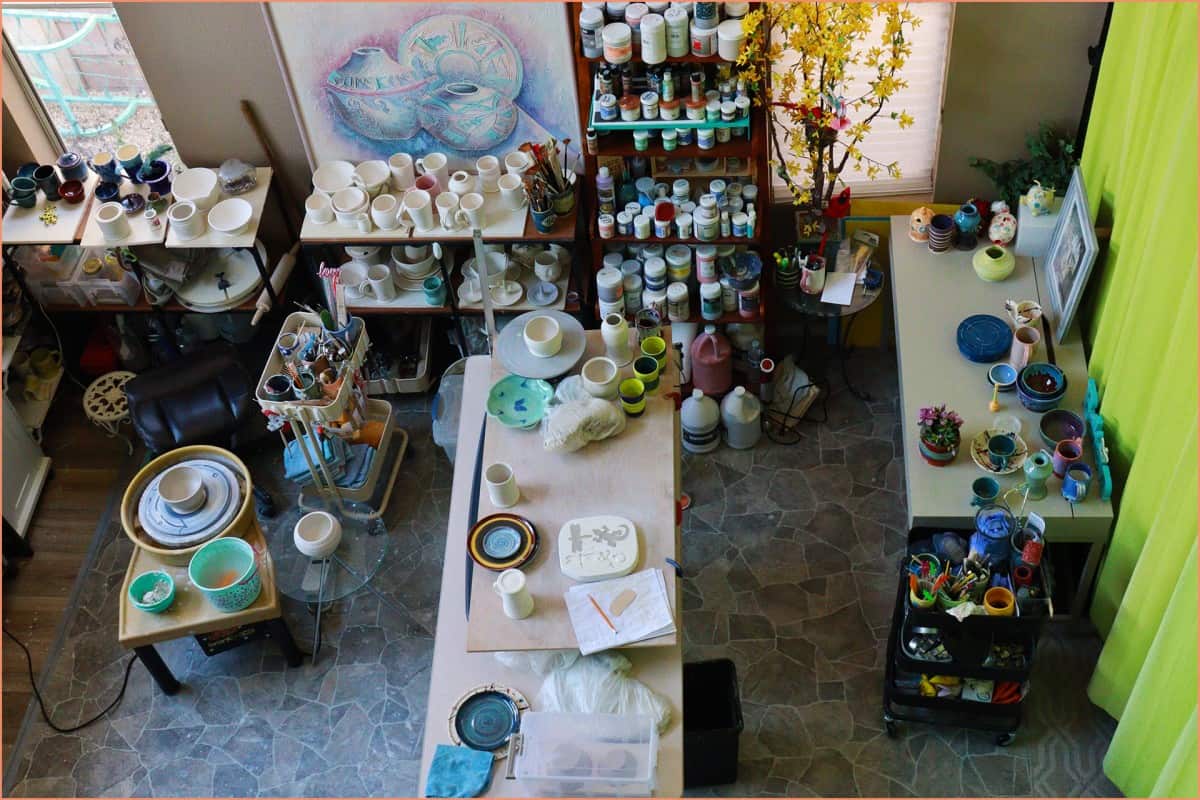
My journey began with learning fundamental techniques and understanding the properties of clay, gradually advancing to more complex forms and designs. This step-by-step approach not only built my skills but also deepened my appreciation for the art.
Whether making pottery as a hobby or with a more serious aim, the process is incredibly gratifying. Remember, pottery is as much about the process as it is about the final product. Enjoy every moment of your creative journey!