How to Choose Pottery Glaze – A Beginner Glaze Guide
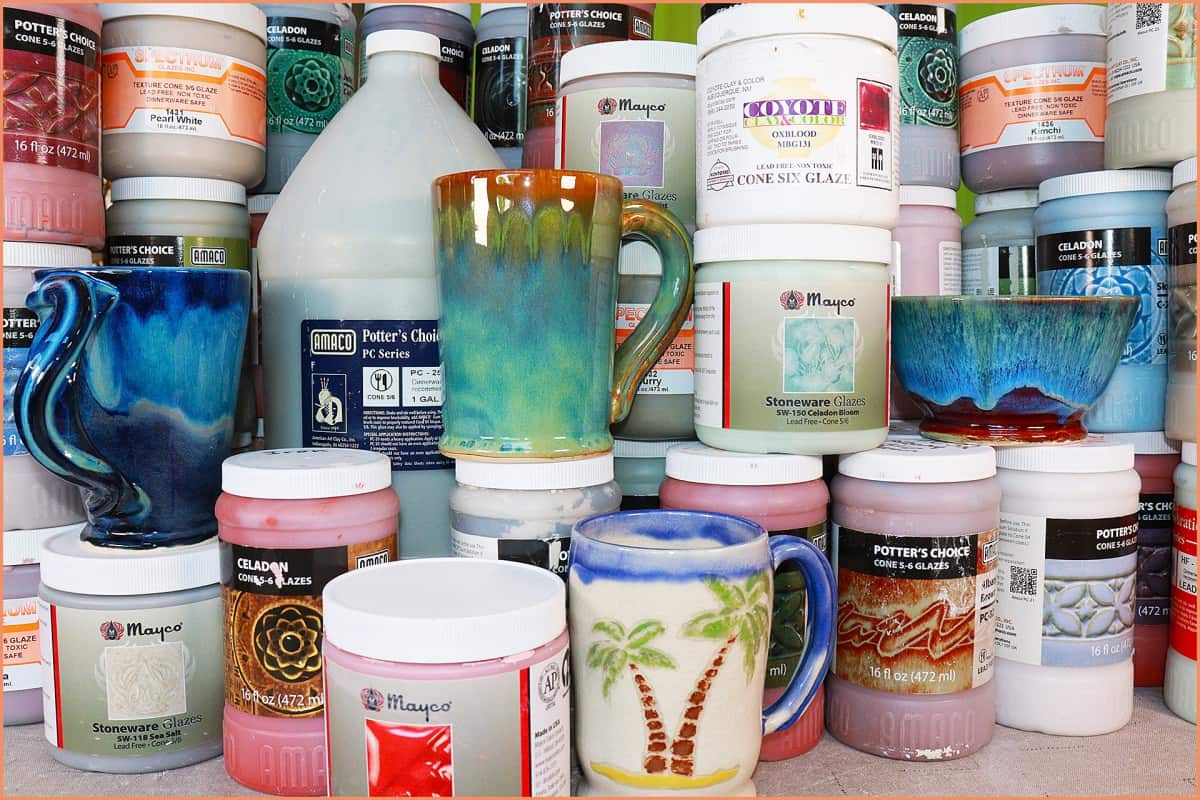
Identifying What Your Pottery Will Be Used for Is the First Consideration When Choosing the Correct Glaze. Then you hear the glaze types – Matte Finish, Transparent, Translucent, Opaque, Underglaze, Overglaze, you can get confused and overwhelmed very quickly.
Glazes Are Not Just the Coatings That Give Your Pots Their Color and Texture. You will need to Know What Type of Glaze Will Work Best for Your Projects Before You Start Glazing. Follow along as I help you Learn How to choose the correct Glaze for your next pottery-making project.
Affiliate Disclaimer: We are ambassadors or affiliates for many of the brands we reference on the website. As an Amazon Associate, I earn from qualifying purchases.
Firing Temperatures
Understanding firing temperatures is essential in pottery, and one of the most important things to know is the difference between cone 06 and cone 6 firings. These two are often confused, but they represent very different temperature ranges, and mixing them up can ruin your glaze results.
The firing temperature of your kiln has the biggest impact on the glaze you choose, because glazes are formulated to mature at specific cones. In general, there are three main types of glazes based on firing range: low-fire pottery glazes, mid-fire pottery glazes, and high-fire pottery glazes. Choosing the correct glaze always starts with knowing exactly what cone your kiln is firing to.
What are low-fire glazes?
Low-fire glazes offer greater depth of color and require less energy to achieve the desired results. Most Potters use low-fire glazes at temperatures between 1828 degrees Fahrenheit (998 C) Cone 06 to 1945 degrees Fahrenheit (1063 C) Cone 04. Glazes like this usually have bright, vibrant color. Also, low-fire glazes support a high gloss. The most popular firing range for Low-fire glazes is from Cone 04 to Cone 06.

One of the most common clays that you will use with low-fire glazes is the earthenware clay. This clay has a highly plastic (workable) body. Pay attention to the color of the clay because that matters.
You may see an entirely unexpected color that you didn’t want. For example, you could apply a low-fire glaze to brown or red clay and get a different color than you anticipated.
What is a Mid-Range Glaze?
The mid-range or mid-fire glaze is used on porcelain and stoneware clay. Stoneware is the most common mid-fire clay, but you do see it used for porcelain more and more. The mid-fire glaze temperatures range from 2167 degrees Fahrenheit (1186 C) Cone 5 to 2262 degrees Fahrenheit (1239 C) Cone 6.
Historically, potters used mid-fire and high-fire glazes for more earthy colors, but are also moving towards brighter colors. An estimated 75 percent of potters use mid-fire glazes, according to Ceramics Monthly. Usually, mid-fire glazes range from Cone 5 to Cone 6.
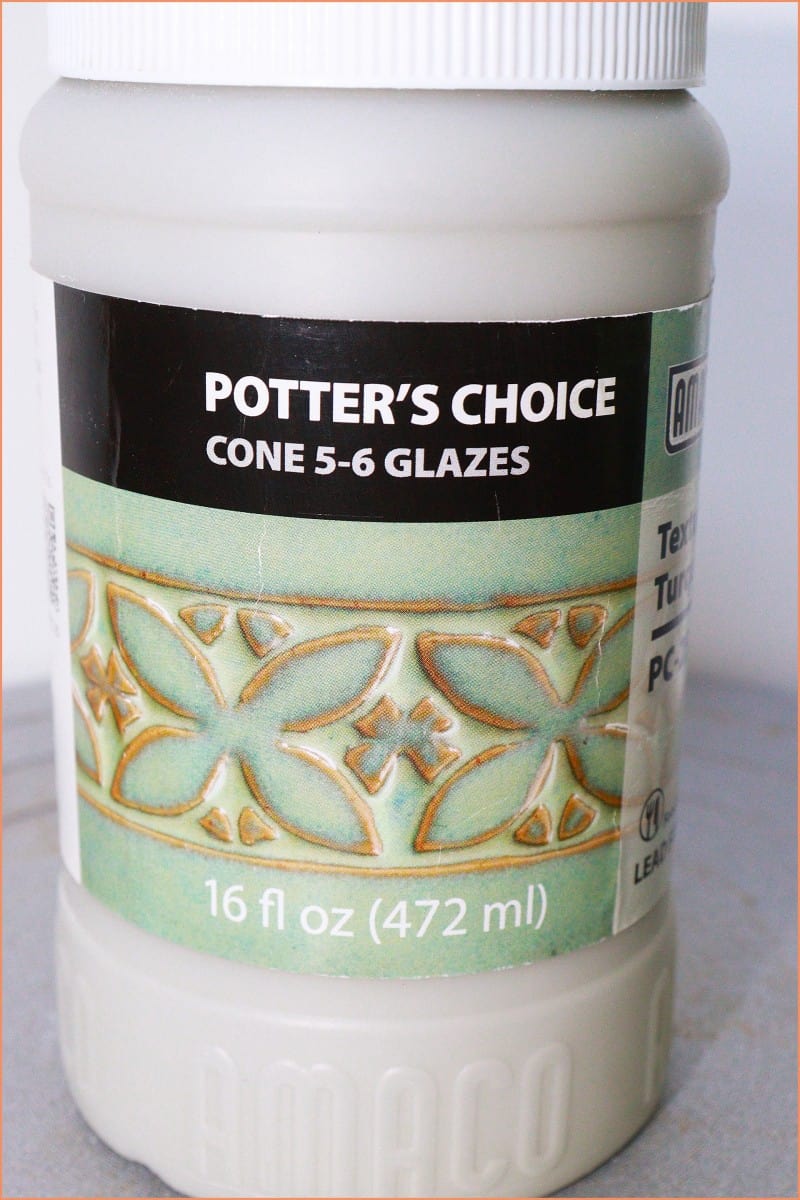
Important to note: Low-fire, mid-fire, and high-fire glazes mature at varying temperatures.
Many Potters choose mid-fire glaze when they want the piece to have a practical purpose rather than a decorative one. Mid-fire glazes are most often used for functional purposes because they are more durable. The colors generally looked duller, but as technology has advanced, we have brighter mid-fire glazes.
What is High Fire Glaze?
High-fire glazes use Cone 8 to Cone 10. Many porcelain and stoneware clays are fired at high temperatures, and high-fire glazes are used. Temperatures for high-fire glazes will range from 2280 degrees Fahrenheit (1249 C) to 2345 degrees Fahrenheit (1285 C). Similar to mid-fire glazes, the colors can look more muted and dulled, but today’s technologies have expanded the color spectrum, as with mid-fire.
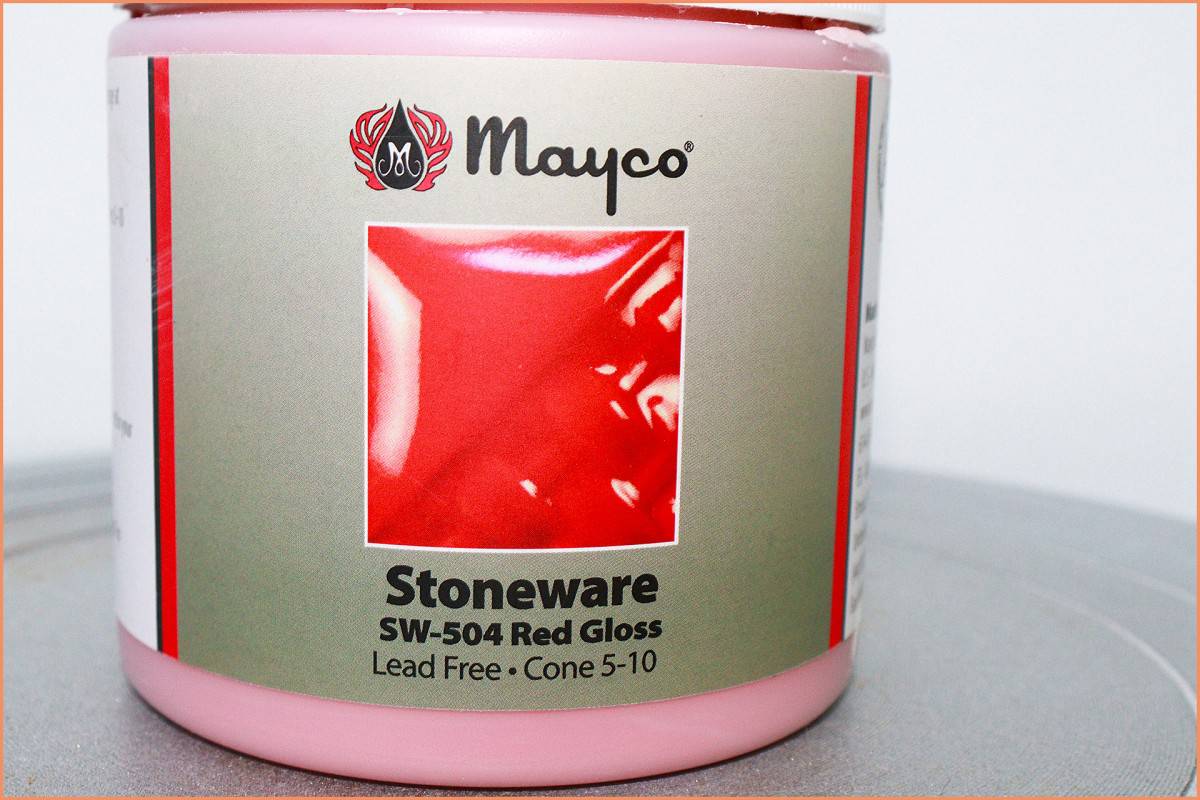
You might choose high-fire glazes to seal and protect your ceramic piece from discoloration and moisture. High-fire glazes offer the most durability.
Why You Need to Choose Pottery Glaze With the Right Firing Temperature?
The most important factor in choosing the right glaze is that the glaze works with your Choice of Clay. In other words, you need a low-fire glaze with low-fire clay and so on. Preference and artistic style do play a role, but this comes first.
With any glazes, whether high-fire, mid-fire, or low-fire, you should test them before you use them. This helps you account for kiln personality and fit with the glaze and clay. The glaze and clay need to expand and contract together.
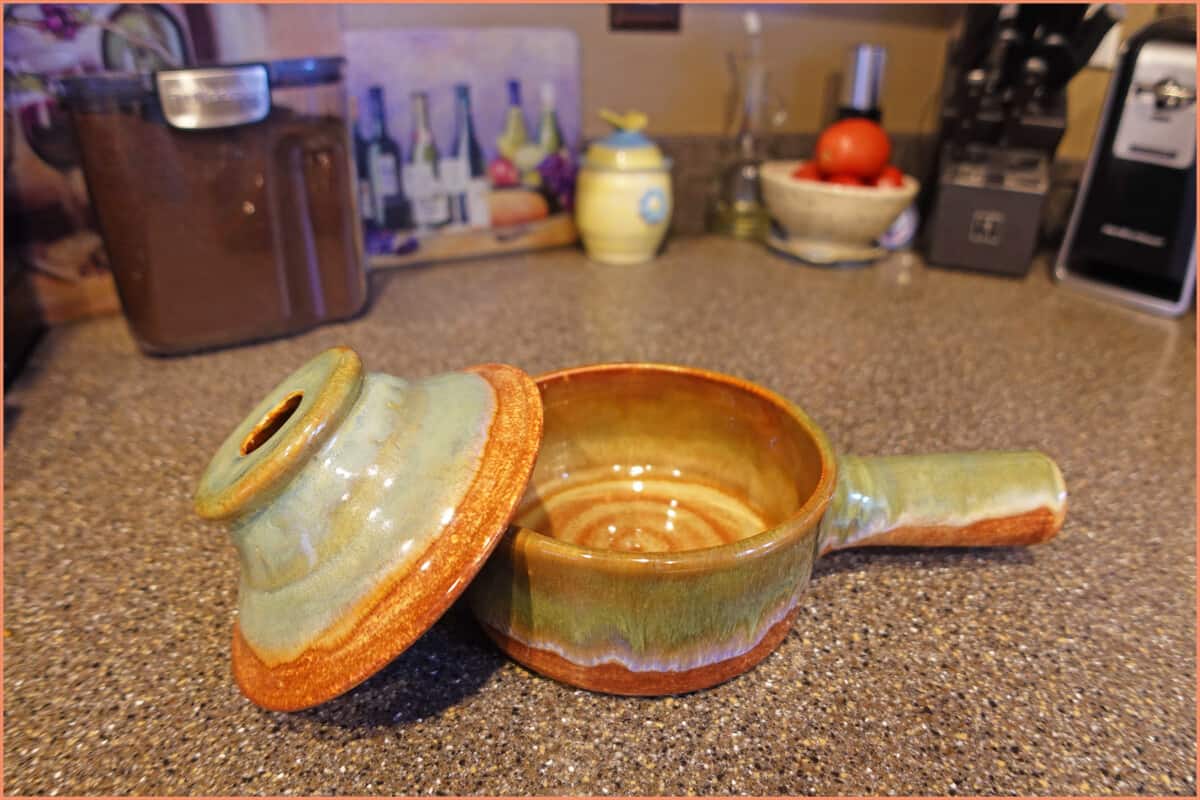
You need to consider the Clay that you will use along with the glaze to avoid unexpected effects. There is a very good reason for making low-, med-, and high-fire glazes. The fluxes added to glazes cause silica and alumina to melt at different temperatures.
It’s always best to match the firing temperature of your Glaze with that of your clay. I recommend trying the glaze on a test piece first to better understand how it will interact with the clay and give you the desired result.
Underfiring Glaze and Overfiring Glaze – What Happens When You Choose the Wrong Pottery Glaze?
Underfiring a glaze happens when you fire it to lower temperatures than intended. Because you underfired it, the glaze never reaches maturity. The underfired glaze will look harder, rougher, and drier than when you put it in the kiln. With severely underfired glazes, they won’t have a glossy or glassy appearance because they never reached the correct temperatures for them to vitrify. You can also run into problems like pinholes.
Luckily, you can normally re-fire an underfired pot at a higher temperature, which may salvage your ceramics.
On the other hand, you have overfired glazes, which happens when you fired up a glaze above the temperatures that they designed it for. Some potters overfire their glazes on purpose to grow crystals on them.

You don’t always have issues with overfiring glazes, but you can run into problems like the glaze running off your pottery. A beginner potter may run into problems if they overfire, so they may want to stick to the outlined temperatures. If you fire low fire glaze to mid-fire (cone 5) the glaze will melt all over the kiln shelf.
What is the kiln-firing process for Pottery Glaze?
The heat in the kiln will spark a chemical reaction that changes the appearance of the glaze. The ceramics in a Gas Kiln will look different from the ceramics in an Electric Kiln. Typically, gas kiln ceramics don’t have the bright, vibrant appearance they do in an Electric Kiln.

Understanding how the kiln will affect your glaze can influence the type of kiln you choose. Electric kilns are more popular and are considered neutral or oxidation kilns. Oxidation is a chemical reaction that removes electrons from a substance. Whereas Gas kilns are Reduction that adds electrons to them. Gas kilns use a damper because they need oxygen to burn. As an experiment, you could partially close the damper, and the gas will get the oxygen from the clay and glazes. It would have a new impact on the glazes. You get some brilliant glaze coloring effects with this extra tool at your disposal.
In most cases, this reduction firing will melt the glazes faster. Many high-fire glazes even request reduction firing, so you should be aware of this before you choose a glaze.
How to Choose a Pottery Glaze – Do You Need a Food-Safe Glaze?
Decorative glazes catch the eye with their vibrant colors, but eating off them could be dangerous. If you want to eat off a plate, choose a Food Safe glaze.
How do you test a Food Safety Pottery Glaze?
You have two tests you can perform to determine whether your Glaze is Food-Safe. Important to note: the two tests are especially helpful if you pulled a glaze recipe off the internet, but don’t know whether it can be used for functional purposes.
While these tests can work, if they prove inconclusive, you will want to send the glazes to a lab to determine safety for eating off them.
First:
You have the lemon test. To begin the test, you squeeze a lemon on a horizontal and glazed surface. You might perform this test before bed. Squeeze the juice and place the lemon over the juice for the night. Once you remove the lemon, you will wash away the juice, and if you see new discolorations, it indicates a non-food-safe glaze. Choose another glaze for functional purposes. The lemon could leach other materials out of the fired glaze.
As you can imagine, you don’t want yourself or your customers eating food with an unsafe glaze on it.
Beware of the same issue with cups. We should highlight, however, that just because the glaze doesn’t leach into the lemon doesn’t mean that it doesn’t leach into the food. It simply means that it doesn’t leach badly. When in doubt, use a liner glaze around the areas where you would eat and save the questionable glazes for the exterior.
Second:
You can use the microwave test in coordination with the first test. You will take a test piece and microwave it after you fill it with water. If the surface didn’t vitrify properly, the clay body will absorb water and become extremely hot. When this happens, the water can form a questionable bond that interferes with the clay and the glaze. The thermal shock from hot water can chip the glaze. You may also see crazed matte on the outside and tight liner on the inside.
Specific types of glazes, such as metallic and luster glazes, can spark a fire in the microwave. Don’t choose this glaze if you want to use it as a plate for food, even if you never plan to microwave it, somebody else might.
You can find out more about how to use your pottery in the microwave by reading Is Pottery Microwave Safe
It’s always good to be aware of the purpose of the glazes that you choose. Do you have a food-safe glaze or a purely decorative glaze? Beware of anything that uses metallic finishing or trim. If you plan to Sell Pottery that is not food safe and may be used for food in some way, you want to include a warning label for customers.
Applying Glaze to Pottery
Maybe you just got started with glazing pottery. When choosing your glaze, you can get a Matte finish or a Shiny finish. When it comes to selecting glazes, it seems endless.
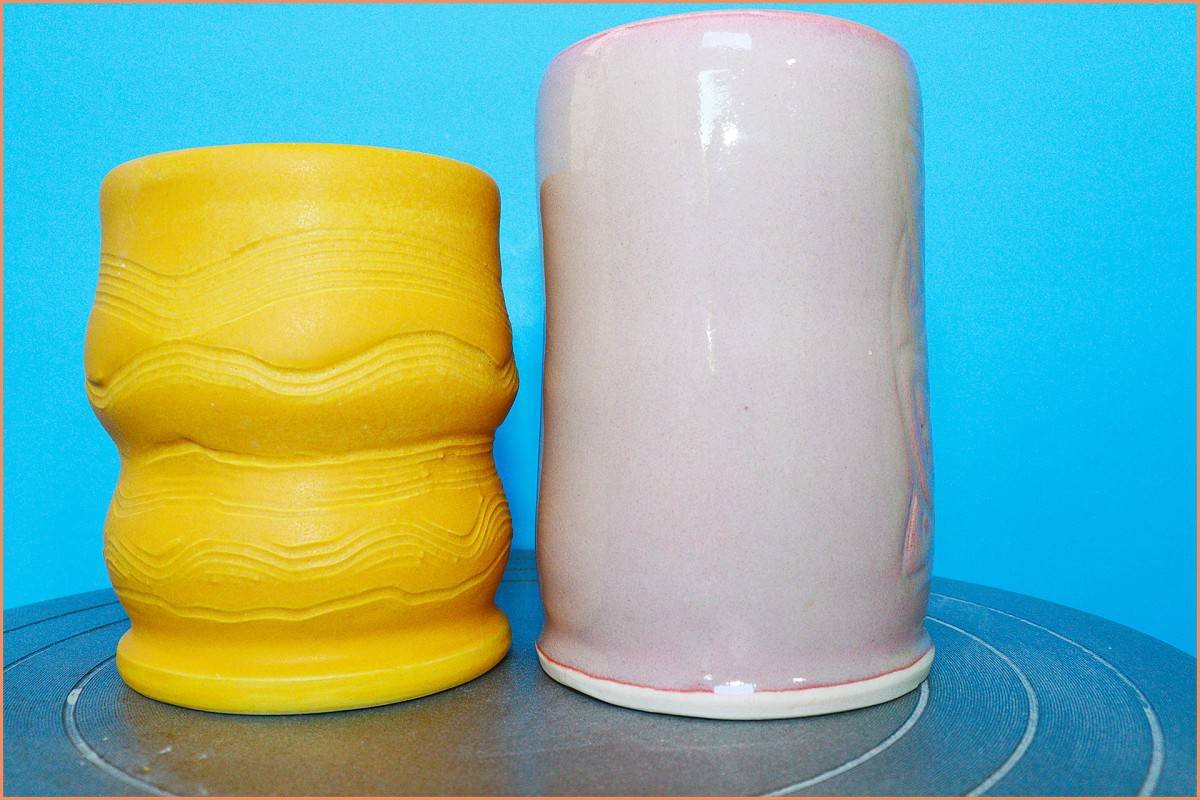
We recommend starting with brushing glazes. You can buy Brush-on Glazes in smaller quantities, and as the name implies, you brush it on. Some glazes allow for brushing, pouring, spraying, or even dipping.
Brushing Glazes
Brushing glazes offers several advantages, such as being good for beginners, offering a broad range of colors, and allowing control over thickness. Read more on Brush Glazing Pottery to give you tips, tools, and ideas.
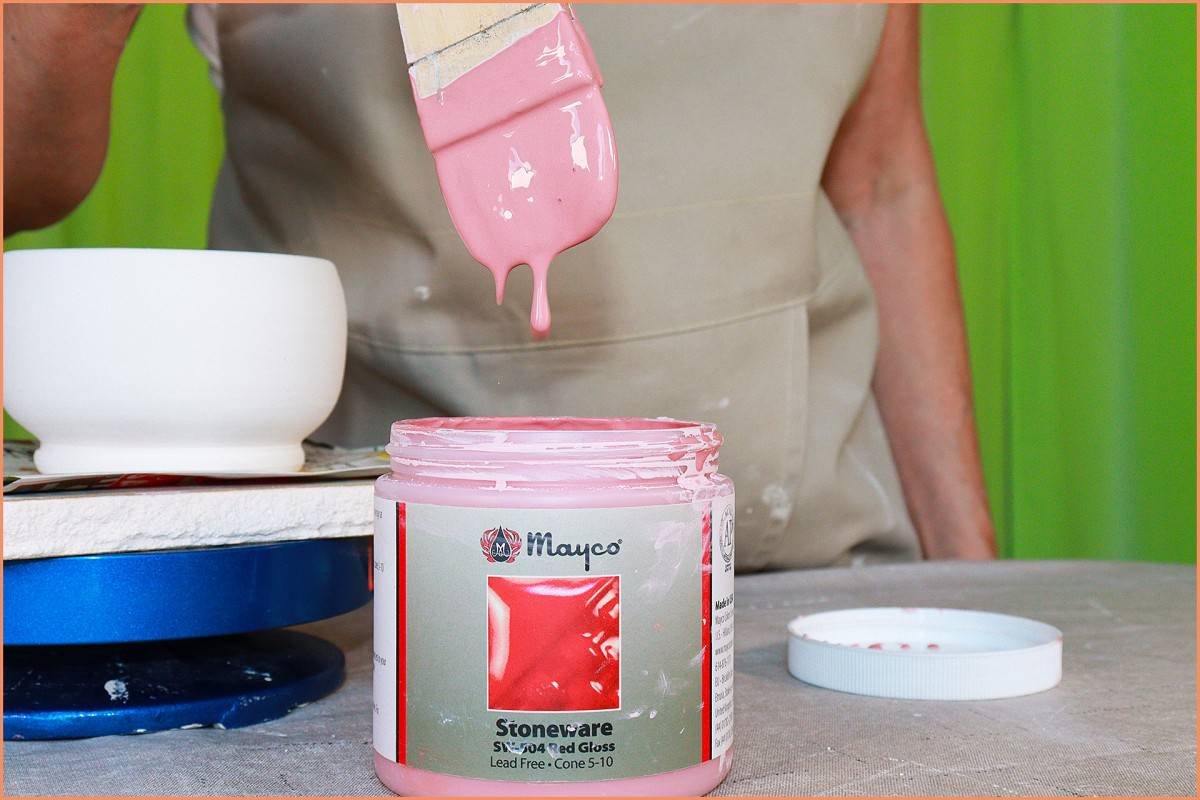
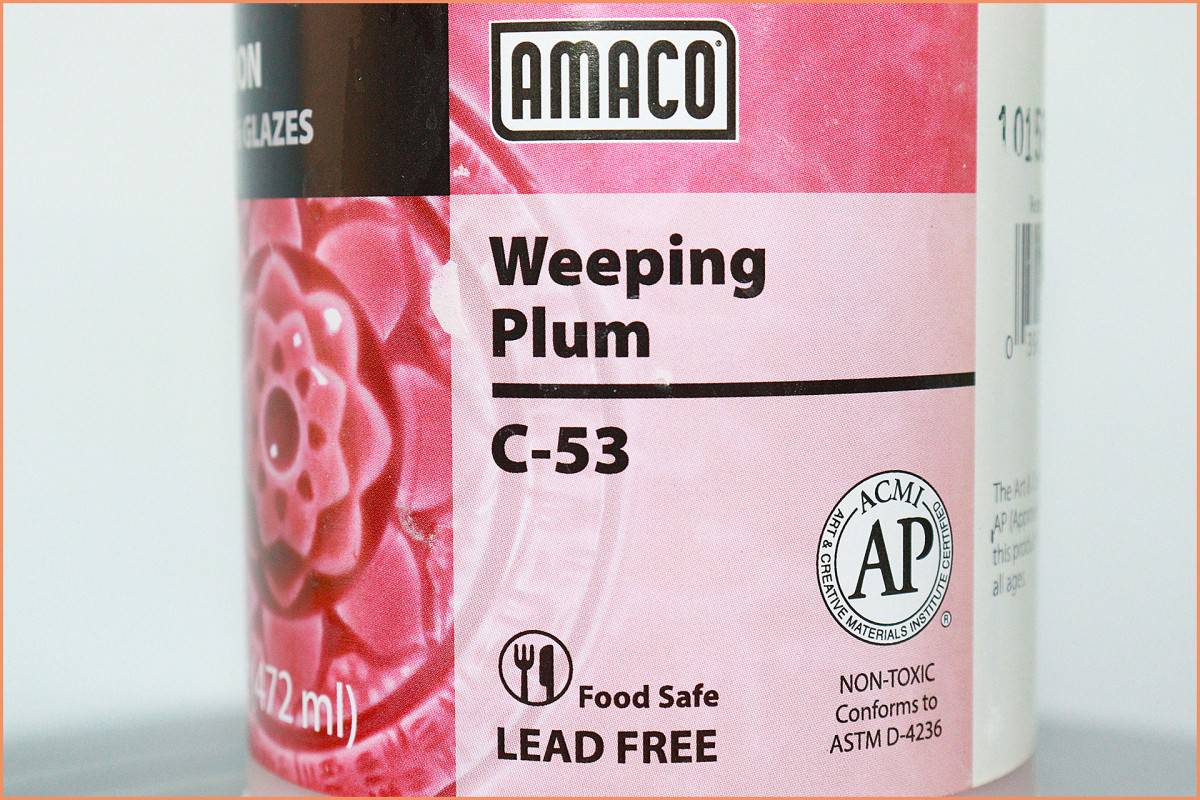
Beware of some brush glazing recipes that may contain lead, which can be dangerous to your health. Any glaze with a bright color may contain lead. The commercial bottles will often cost more than if you mixed your own, but they will indicate if they are lead-free.
With brushing glazes, you need Brushes that will hold the glaze.
Dipping Glazes
Dipping glazes are mainly used as a single-layer base coat. Many potters choose the dipping glaze as a much faster way to glaze.
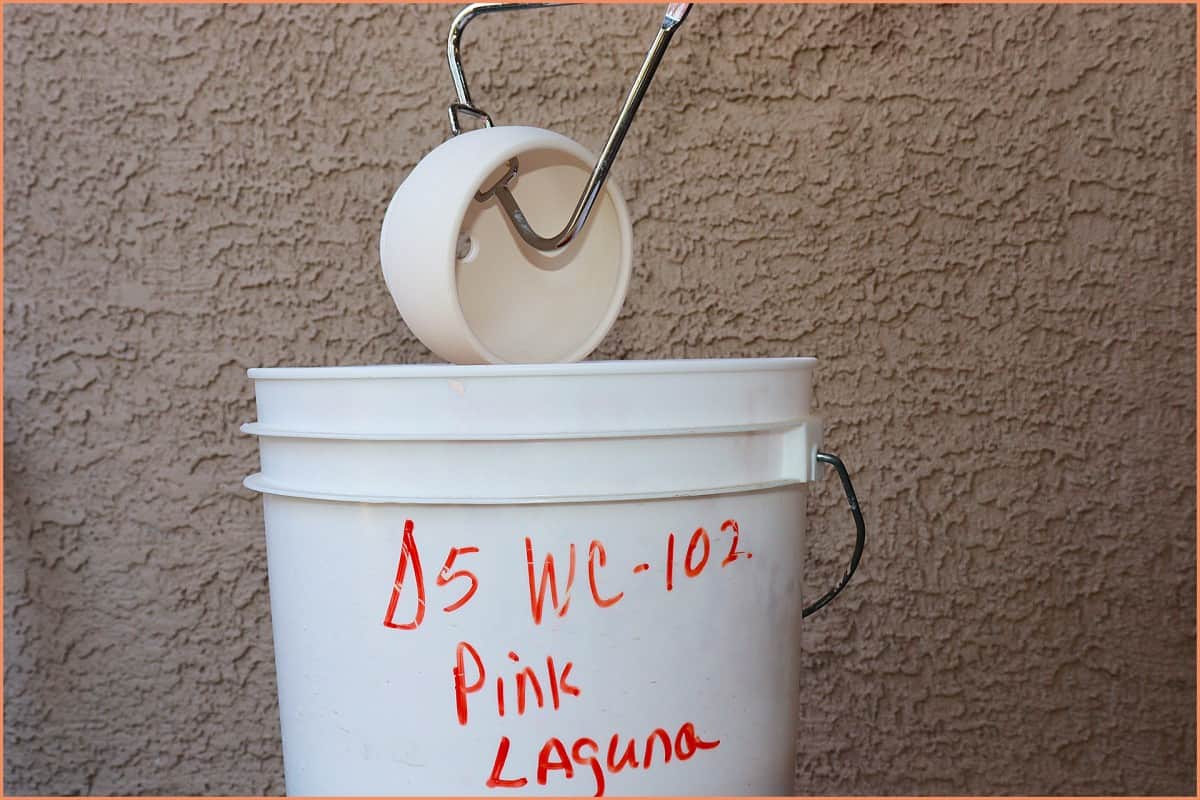
Dipping glazes have to be mixed often, but the advantage is that they dry faster, and you only need one dip, rather than 3 or more layers of brush glazing. Yes, brush glazing takes longer, but dipping can be more one-dimensional.
For more information on how easy dip glazing can be, check out What is Dip Glazing.
Why is it a Good Idea to Test Fire Your Pottery Glaze?
I advise that you perform a test-fire with your glazes because it gives you a real demonstration of what color they will look like. All glazes look different in liquid form than after you have fired them up in the kiln. In fact, that same glaze can even vary depending on the kiln you use, the clay you use, and the firing temperature that you choose. Instead of thinking of this as intimidating, think of it as the ultimate creative freedom.
In some cases, potters have complained because they received a sample piece of what the glaze would look like when finished. After using a different clay body and firing it up in their own kiln, however, the glaze looked different. With glazes, you should always expect the unexpected.
Should You Choose Liquid or Dry Pottery Glaze?
Liquid glazes are more expensive than dry glazes because they require mixing. Liquid glazes are ready to use, but dry glazes take less time to apply. I would advise that you look at it like this: How much glaze do you use, how do you want to apply it, and what is most convenient for you?
Manufacturers made liquid glazes for brushing, pouring, and spraying. Dry glazes are used more for dipping or spraying. It would be a huge mistake to buy liquid glazes if you wanted to use the dipping method. The thicker liquid glaze makes it difficult to apply the dipping method.
You can, in contrast, choose a dry glaze for brushing, but you would need to doctor it up a bit with a gum solution. Another thing to consider with liquid glazes is that they dry more slowly than dry glazes.
For someone who has never bought a dry glaze, they may want to try it at least once. It gives you the experience of mixing, sieving, and dipping the glaze. Dry glazes do have a cost advantage, but not a significant one.
Liquid glazes are ready to use, and you can brush on many different colors and create cool patterns. Which is a nice advantage too.
Choosing to Make Your Own Pottery Glaze
Instead of choosing a glaze, you can also make your own, but we wouldn’t recommend it to beginners. When it comes to your recipe, consider the following:
- What temperature will you fire the glaze at?
- Will you fire in a reduction or an oxidation atmosphere?
- Do you want a matte or glossy finish?
- What color do you want?
- Will the glaze be functional or decorative?
Glazes intended for food safety should be made using limited formulas. The limit formula makes the glaze safer for foods. You control the silica, alumina, and fluxes within limits.
The main ingredients to make glazes don’t cost much. You can make your own glaze with Quartz, feldspar (flux), and China clay, which are used heavily by the average potter, so you might buy them in larger quantities.
When to Choose Crackle Glazes on Pottery
Think of breaking glazes as the type of glaze that creates a decorative effect. Breaking glazes will exploit changes in color and in thickness. This creates a beautiful contrast when done well, but you should choose a breaking glaze with the type of clay in mind. For example, some glazes that break will look great with red clay, but they won’t look so hot on white clay.

Crackle glazes should create a beautifully varied surface when done correctly. On raised contours, a breaking glaze will highlight the surface.
Choose a Flowing Pottery Glaze
Flowing glazes will move as you heat them in the kiln. You have two types of glazes here: flowing or floating glazes and stable glazes, which remain in place. A flowing glaze makes sense when you want to create an effect that looks the same as ash-glazed pottery. A flowing glaze will indicate it on the label. Watch for words like separates, moves, flows, and floats.
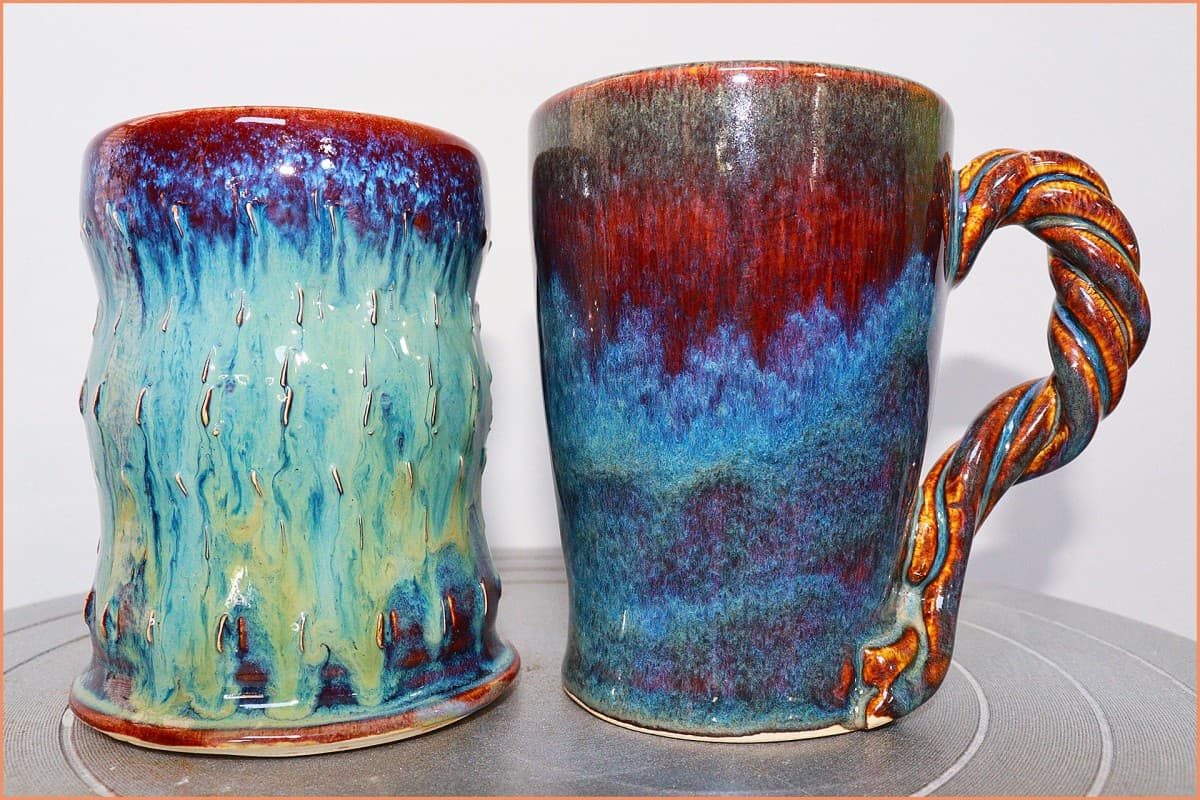
Flowing glaze sends rivulets down your pottery. The advantage of a flowing glaze comes from how you can create this effect while using flowing glazes. Many flowing glazes require mid-fire temperatures, but there are still low-fire glazes that flow. This effect is created by the amount of flux used in the glaze. You can even buy Flux for mid-fire glazes to create this look. Each piece will have its own personality because the glaze movement differs with each piece. Some may see that as a disadvantage because they can’t control how it looks.
Clear Glazes on Pottery
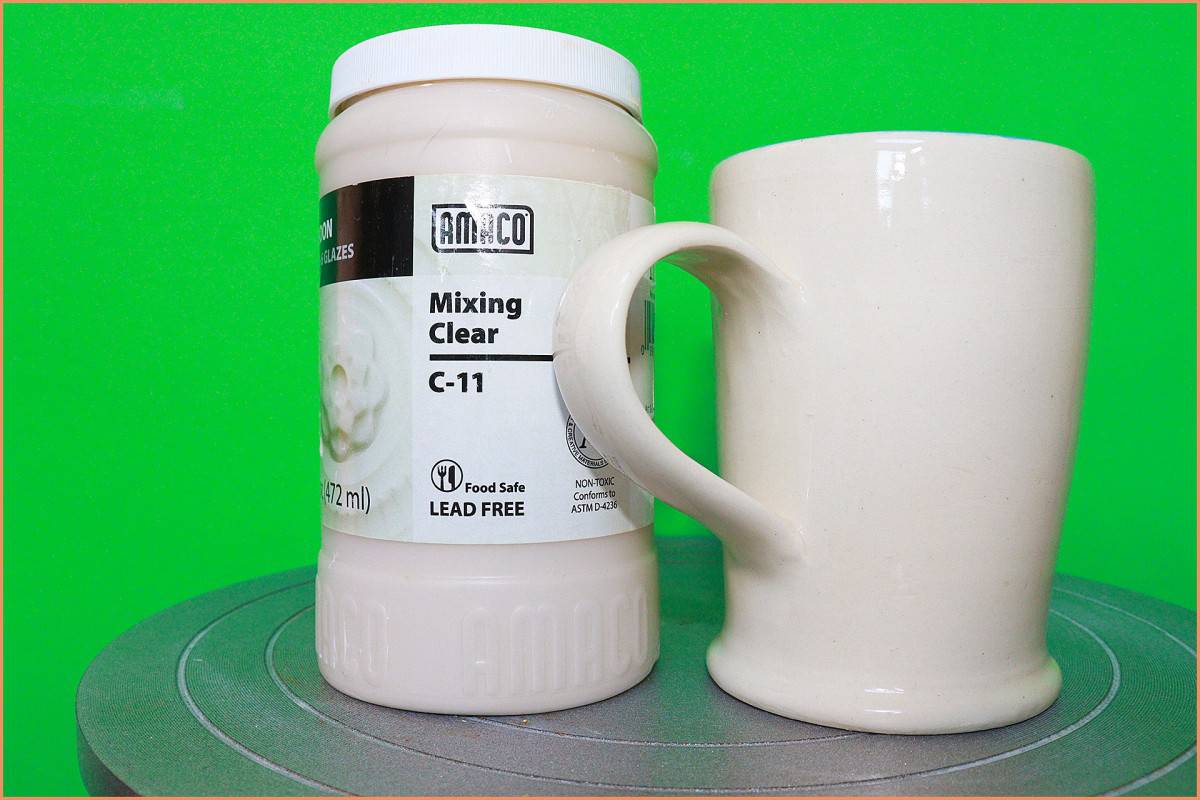
You might choose a clear glaze when you want to seal the ceramic piece, making it non-porous and food-safe. Several degrees of clarity exist in clear glazes. Clear glazes are formulated for Low-, Mid-, and High-fire clays.
Different ways to Decorate with Clear Glazes
A clear glaze can be applied over the finish to protect it. Glaze also lets you personalize your work. The most common choices include:
- Underglazes
- Overglazes
- Lusters
- Colored slips
Now, let’s cover each of them and show you when to choose them:
Underglazes on Pottery
You would use Underglazes when you want to create designs and patterns to come up through the glaze. It adds visual depth and character to your ceramic pieces from under the glaze. Underglazes can be applied under the most transparent or lighter-colored glazes. Because of the frit in underglazes, you can apply it to both your greenware at any stage and bisqueware. I do both with no problems.

Underglazing can be a whole new and interesting experience in the art of pottery crafting. To learn more about it, read Underglazing Pottery | Tips Tools and Ideas
How do you use Overglazes and Lusters on Pottery?
Overglaze does exactly as it sounds: you apply it over the piece that already has a glazed and fired surface. Many potters describe overglaze as enameled decoration because the colors fuse with the glaze. You use overglazes to add accents to your ceramic piece.
Lusters are a type of overglaze that you apply over vitrified or glaze-fired ceramic. Previously, we talked about lusters being metallic glazes that aren’t microwave-friendly. Some potters have said lusters can be food-safe, but they don’t offer the durability required. You can get lusters in a variety of finishes, including platinum, gold, silver, and mother-of-pearl. If you choose a luster glaze, you should wear a respirator because it emits toxic fumes in its liquid form.

When you choose lusters, you need to consider the surface properties because this glaze takes on the surface’s qualities. If you have a matte surface, it will remain matte; if it’s shiny, it will stay shiny. You can use lusters on ceramics and glass.
Overglazes and Lusters are fired at low temperature, Cone 018 or 020.
Colored Slips and Stains
Colored slips can color your ceramics without the higher cost. Often, Pottery Classrooms use colored slips because they cost less than underglazes. Most often, hobbyist potters also choose this one because of its fraction of the cost.
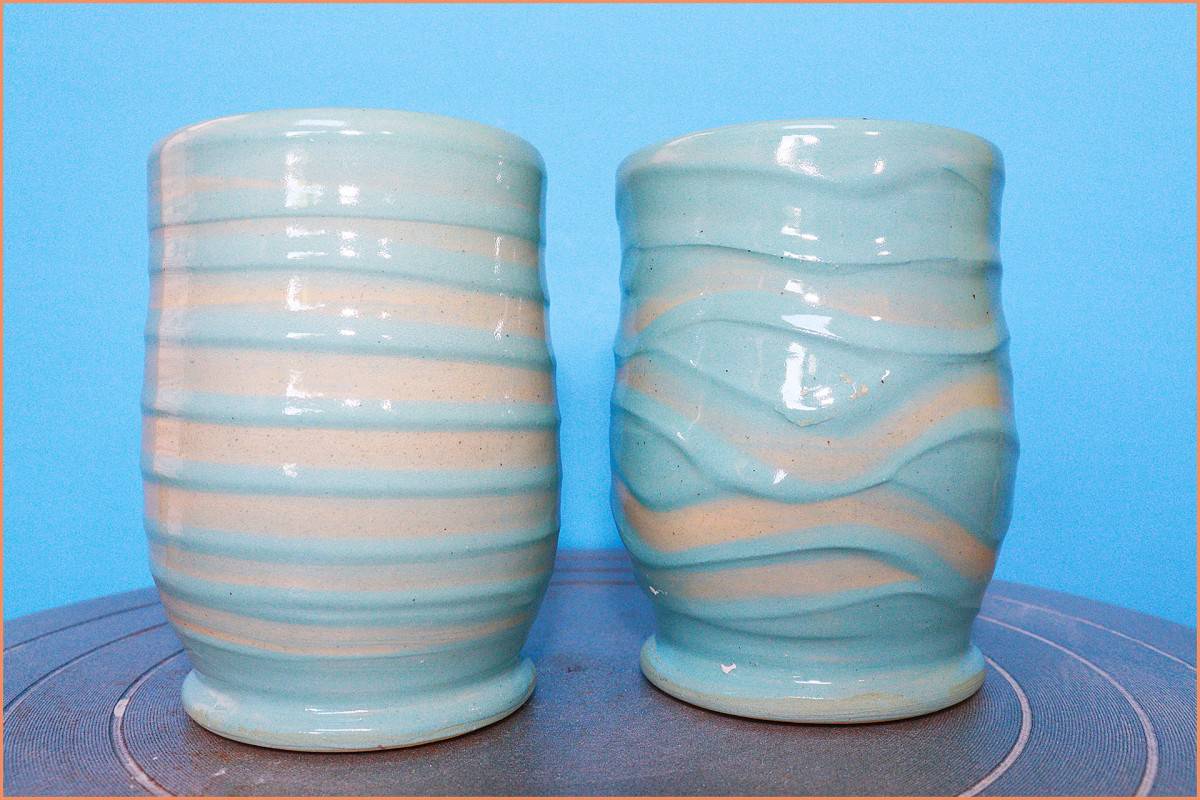
To learn more about making colored slips, check out this article I wrote on How to Make Clay Slip for Decorating. It also has a step-by-step video for added instruction.
Stains come in the form of minerals, such as oxides, and colorants, such as mason stains. Just mix with a little or a lot of water and start creating. Then cover with a clear glaze to make them food-safe and shiny or matte, if you like. Stains are fun to work with. You can apply them thick or thin. Even apply them thick and wipe some off for a cool effect.
Lead or Lead-Free Glaze
With a brilliant, glossy surface, lead glazes often exhibit vibrant colors. Unfortunately, they come with health implications if you swallow or inhale the dust fumes. For that reason, we advise you to use a respirator when working with lead glazes. You must use precaution when mixing, applying, and firing the glazes. When possible, you may want to use lead-free glazes instead.
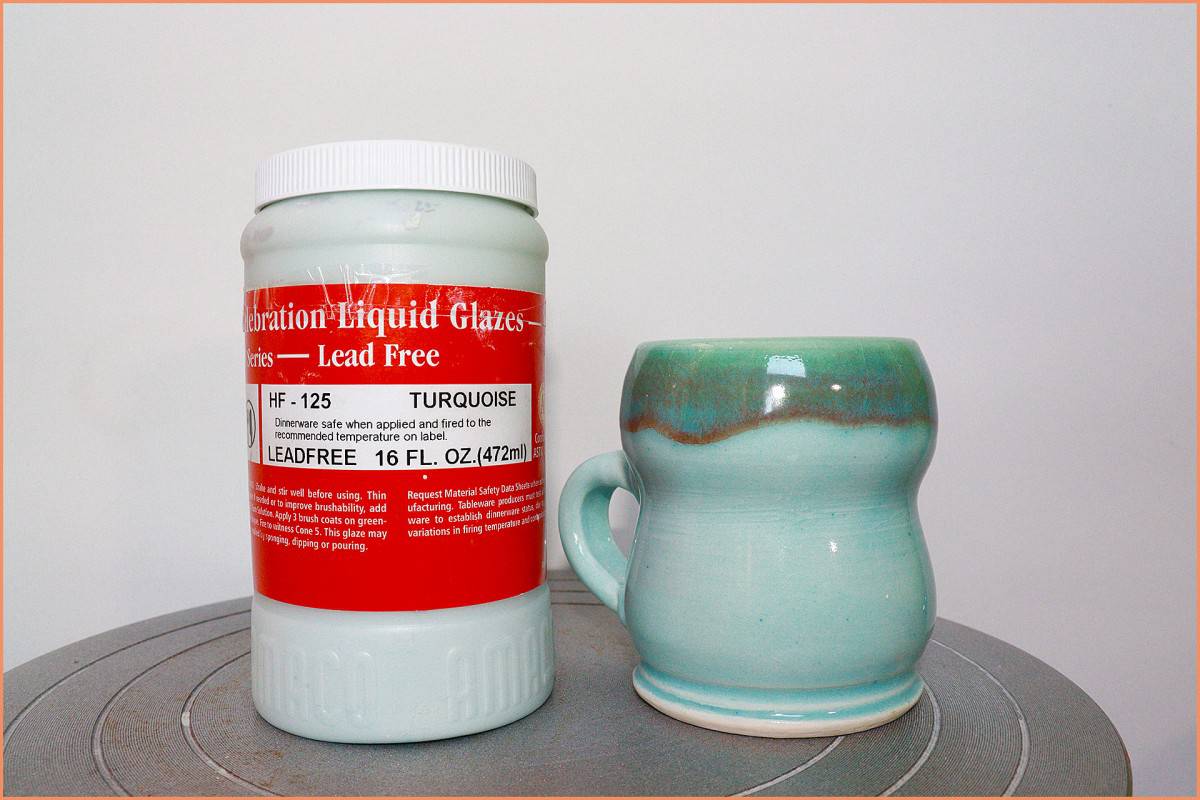
You can tell that your ceramic piece has lead in it when it has the following signs:
- The decoration feels rough or raised
- Feel the decoration when you rub your finger over the dish
- You see the brush stroked above the pottery
- Dusty or chalky gray residue on the glaze after washing
Conclusion
Choosing a pottery glaze comes down to understanding when to use it. Beyond personal preference, each glaze has a point in time when it makes the most sense to apply it. You also have times when you can’t use a certain type of glaze because it doesn’t fit your ceramic piece. For example, it doesn’t make much sense to use a low-fire glaze on porcelain because this clay requires mid-fire to high-fire glaze. You need to understand where each glaze applies, and we hope we have highlighted its uses so you can learn when to choose it.