
What Is Raku Pottery: Facts and Tips for Beginner Potters
Raku pottery was traditionally made by firing the pottery in an open kiln. It has become popular worldwide and is now produced in many countries, including America.
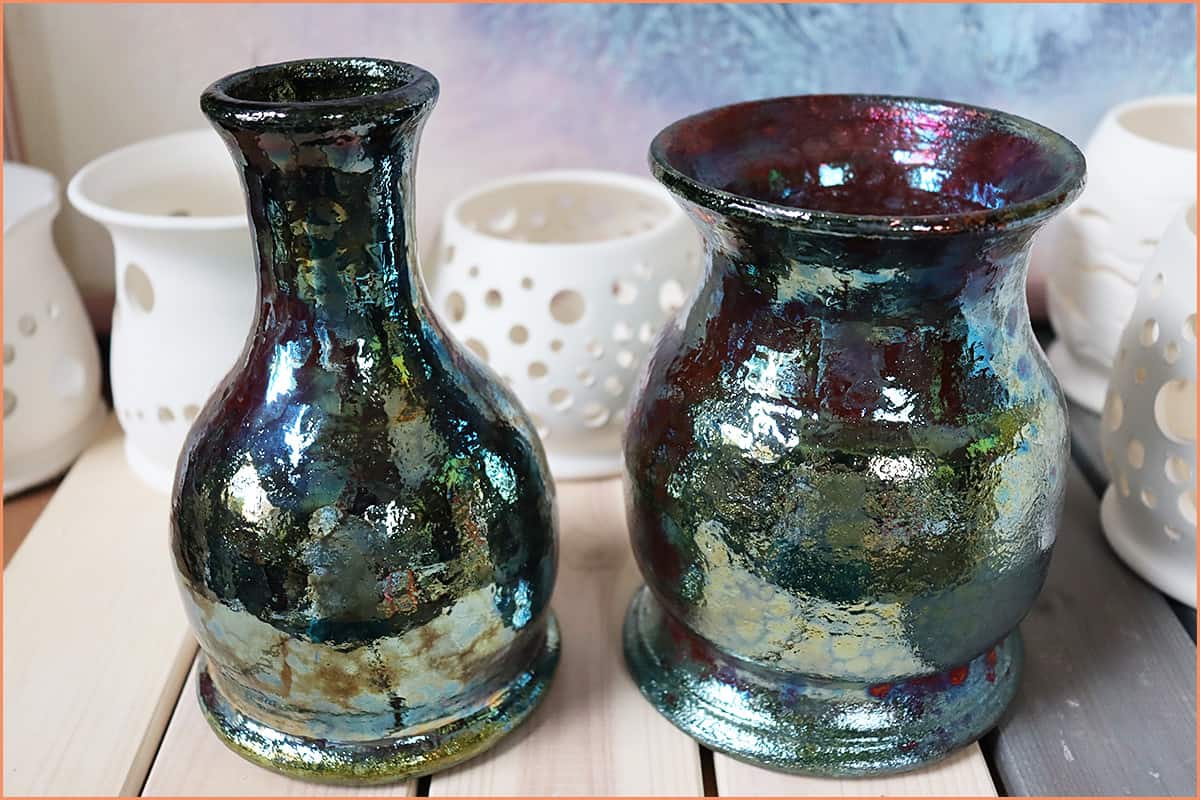
Raku pottery refers to kiln firings that heat up much faster than Kiln firings. The potter removes the pottery while it has a molten orange glow and places it in a container with combustible materials, such as sawdust. This process leaves behind unique colors and textures on the surface of the pottery.
To learn more about Raku pottery, here are some facts, history, and tips for you:
- Raku Pottery Originated in Japan
- Traditional Japanese vs Western Raku
- Raku: Meaning of the Name
- What Clays to Choose?
- What Glaze to Choose?
- Better for Decorative Purposes
- How Fast Does Raku Firing Happen?
- Cooling Process for Raku Pottery
- Horse Hair Raku
- Raku: Must Control Many Factors
- Glaze: Not Essential in Raku
Affiliate Disclaimer: We are ambassadors or affiliates for many of the brands we reference on the website. As an Amazon Associate, I earn from qualifying purchases.
Raku Pottery Originated in Japan
The Japanese invented Raku pottery in the 16th century. Chōjirō, a potter from Kyoto, received a commission from Zen tea master Sen Rikyu. The Raku method had one purpose. To promote beauty. Potters like to shape Raku wares with their hands, rather than on a wheel. In this way, each Raku piece expresses individuality and beauty.
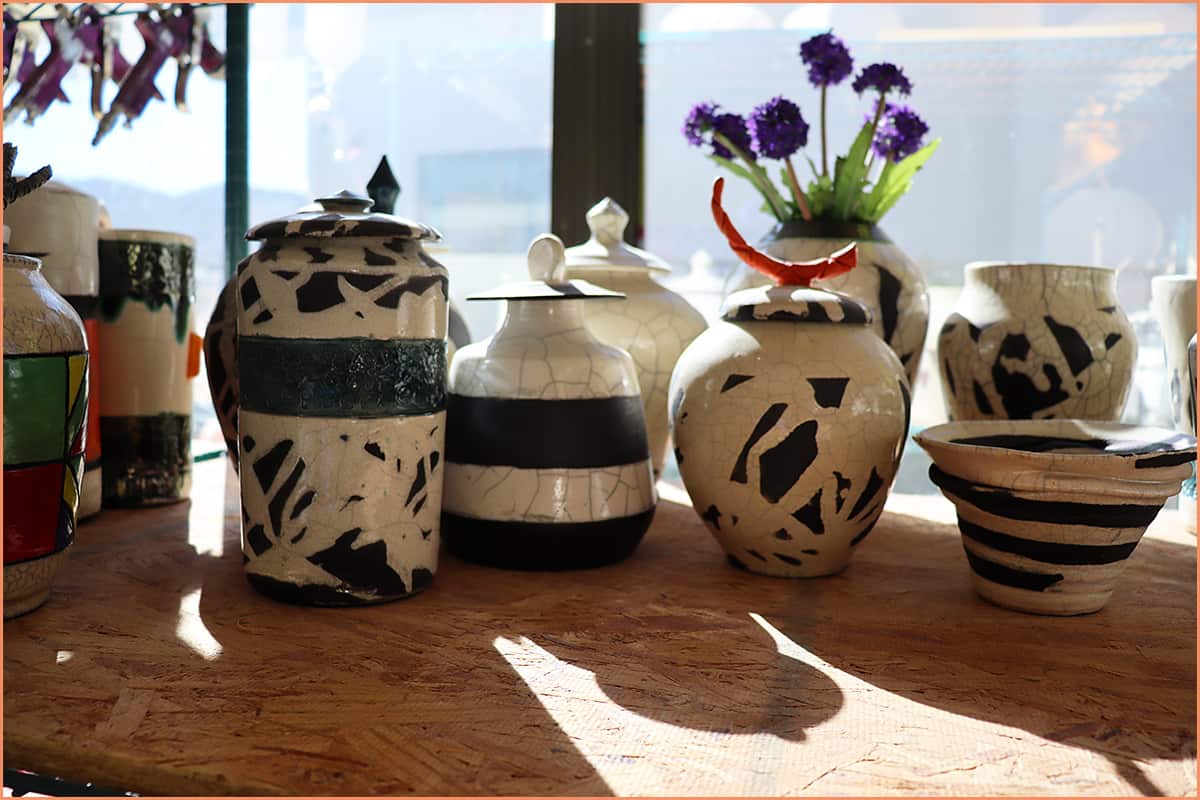
Ever watched a traditional Japanese tea ceremony? They use Raku ware. The tea master appreciated this art form because of its beautiful simplicity and unpretentiousness. From 1580 to 2020, Raku wares have remained among the most highly sought-after Japanese ceramics for their aesthetic appeal. Many people consider Raku pottery the embodiment of Zen.
Traditional Japanese vs Western Raku
Traditional Japanese Raku differs from the Western Raku technique. Japanese Raku tends to use neutral colors such as black and brown, while Western Raku uses bright metallics.
The Japanese have two main types of Raku called Kuro (black) and Aka (red). When they fire up the kiln, Aka is cooler than Kuro. The glaze maturing difference plays a role. Carbon deposits get sealed in a low-melting glaze.
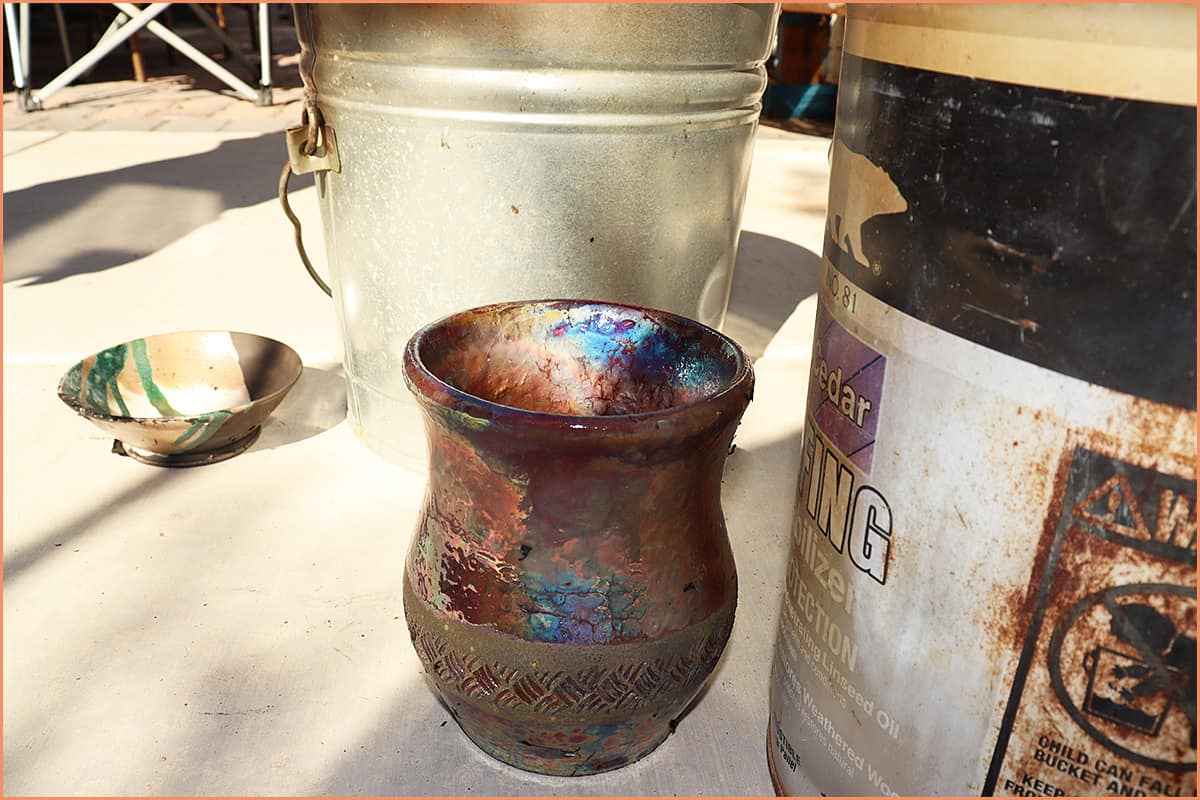
Western Raku tends to look Avante-Garde. Paul Soldner, an American ceramic artist, received credit for Raku gaining popularity in the West.
Raku in the West has little understanding of the Japanese tea ceremony, whereas Traditional Japanese Raku is commonly associated with it, a spiritual process in Zen that can last up to four hours.
Raku: Meaning of the Name
Raku translates roughly to “Happiness in the accident.” Some believe this name came about from potters who took joy in the process of shaping their Raku wares. Paul Soldner said that the Japanese think of Raku as pleasurable and an enjoyable process. The term could also be thought of as comfort.
The Cosmos in a Tea Bowl
Traditional Japanese Raku has its origins deep in spirituality. Some even think of Raku as the process of enlightenment. The tea bowl represents the earth, while the heating process represents enlightenment. The current head of the Raku family in Japan refers to this as “Finding the cosmos in a tea bowl.”
What Clays to Use for Raku
You can use both Low- and High-bisque-fired clay bodies with a high grog content. Clays with heavy grog tend to withstand thermal shock better than others. Clays like Laguna Soldate 60 or specially made Clay for Raku will yield the most favorable results. Raku clay can withstand thermal shock. This happens when you remove the pottery from the kiln to cool it fast. The rapid cooling can cause Raku ware to crack, or even crack in half in some cases.
Because of the process, Raku pottery has a higher rate of imperfections than other pottery forms. The Raku technique would smoke the vessels using sawdust and other combustible materials while the clay pottery remains hot to inhibit the absorption of oxygen.
What Pottery Glaze to Choose for Raku
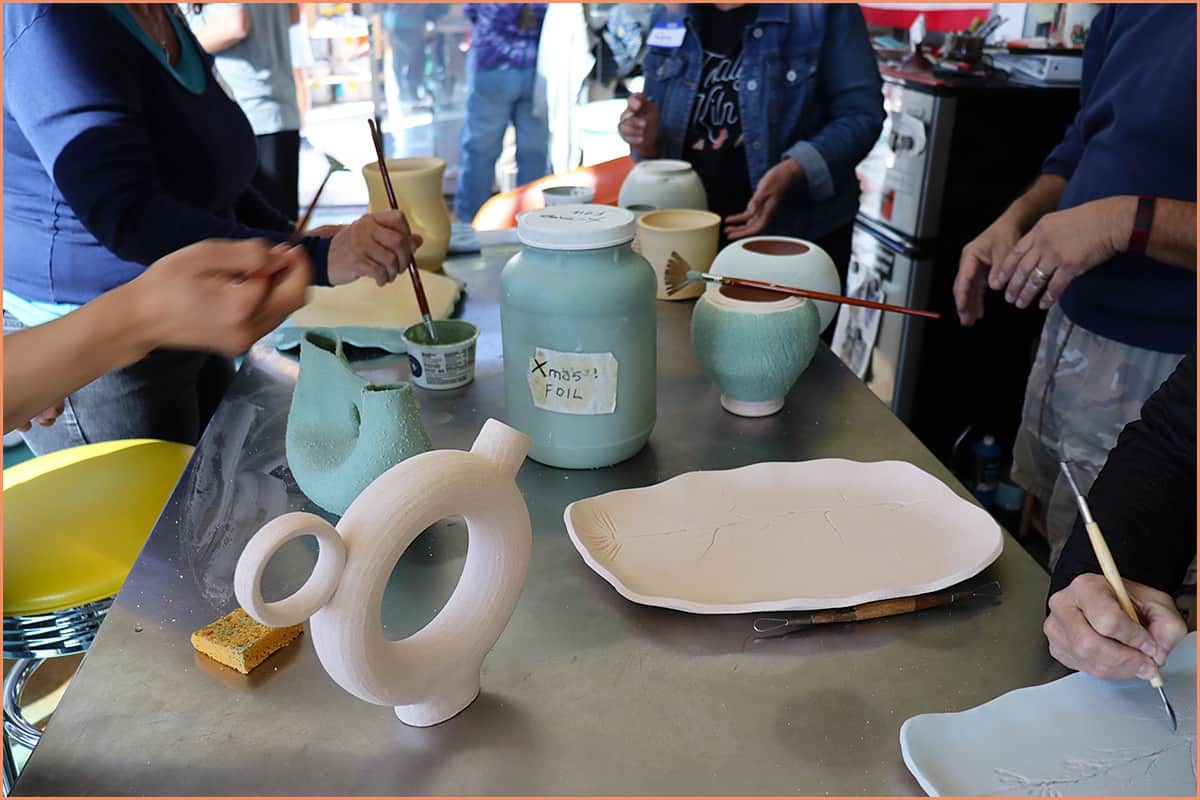
Don’t overlook the glaze you choose because it serves as a protective layer. It can color and decorate your Raku wares. Any low-fire glazes should work. You can also use glazes specially made for Raku.
What is Raku Pottery Better For
You have heard how the Japanese use Raku for tea ceremonies, but you should use Raku ware for strictly decorative purposes.
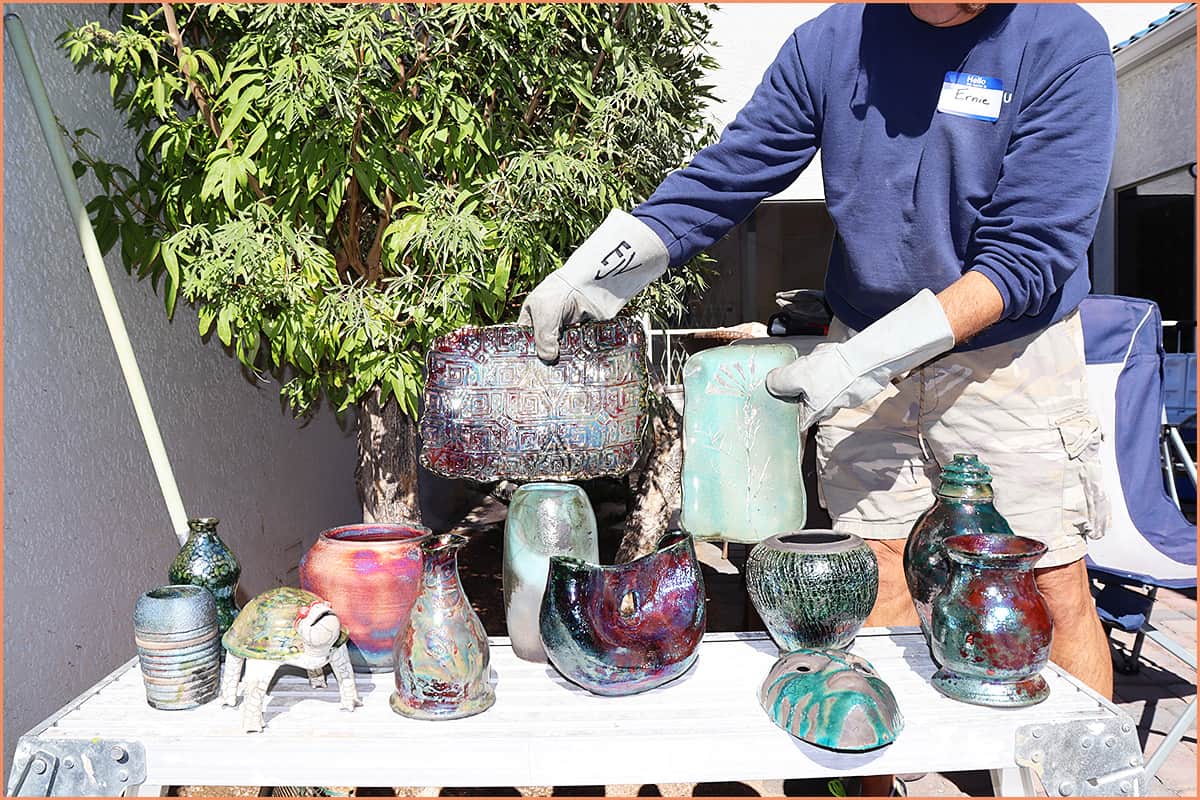
Even the Japanese don’t leave the tea for long because of Raku’s porous, fragile nature. The glaze could flake in some areas if overused. Raku wares look stunning, but they weren’t meant to be food safe or for daily use.
How Fast Does Raku Firing Happen
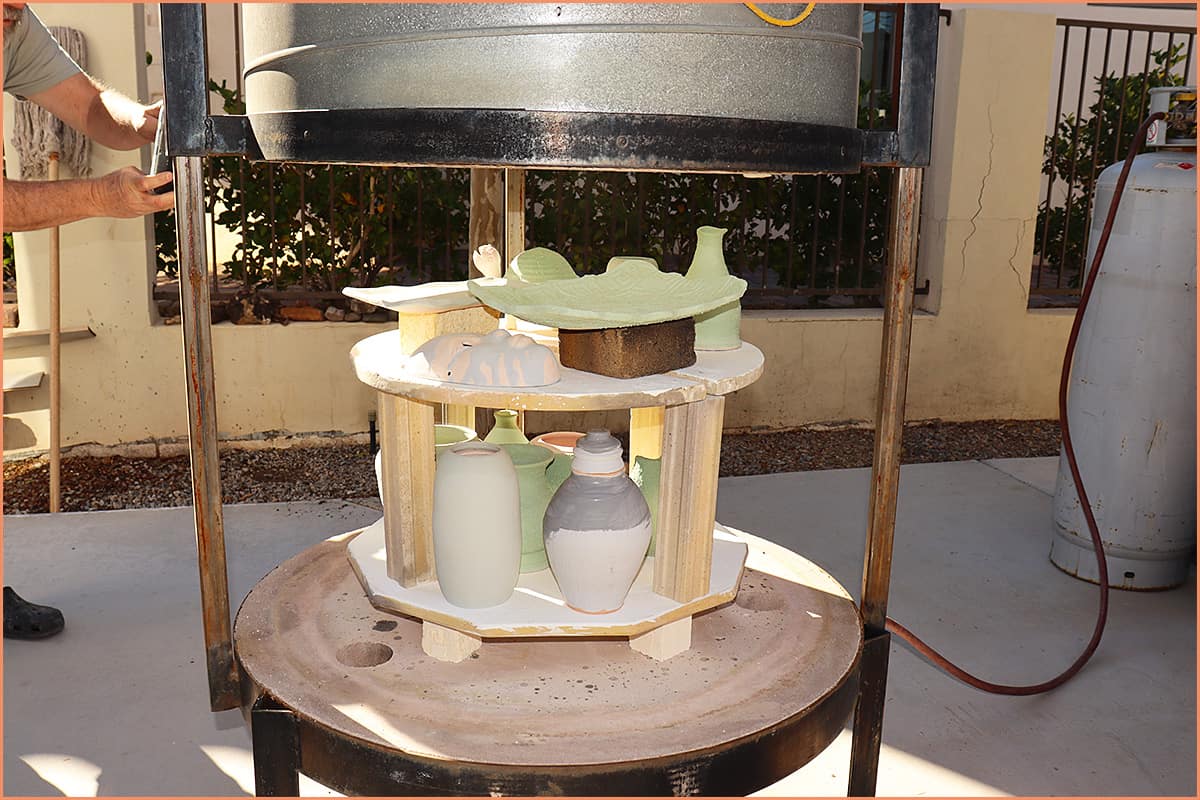
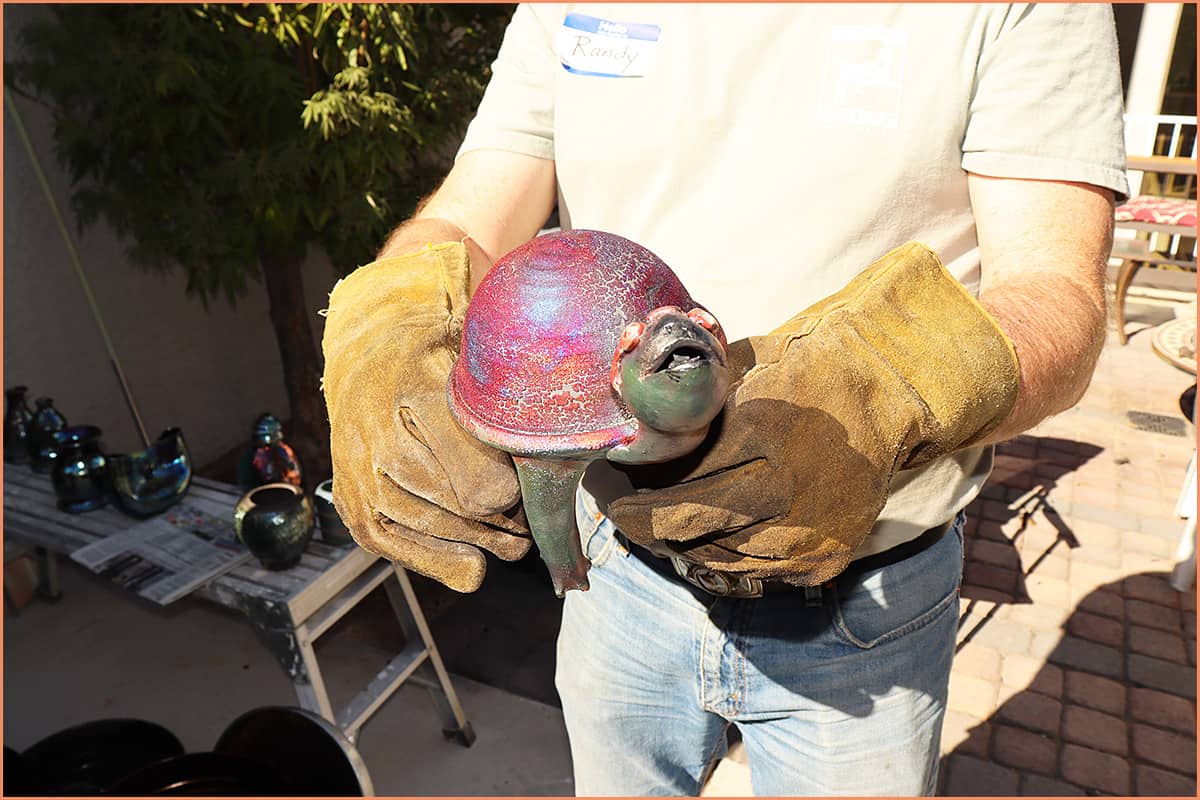
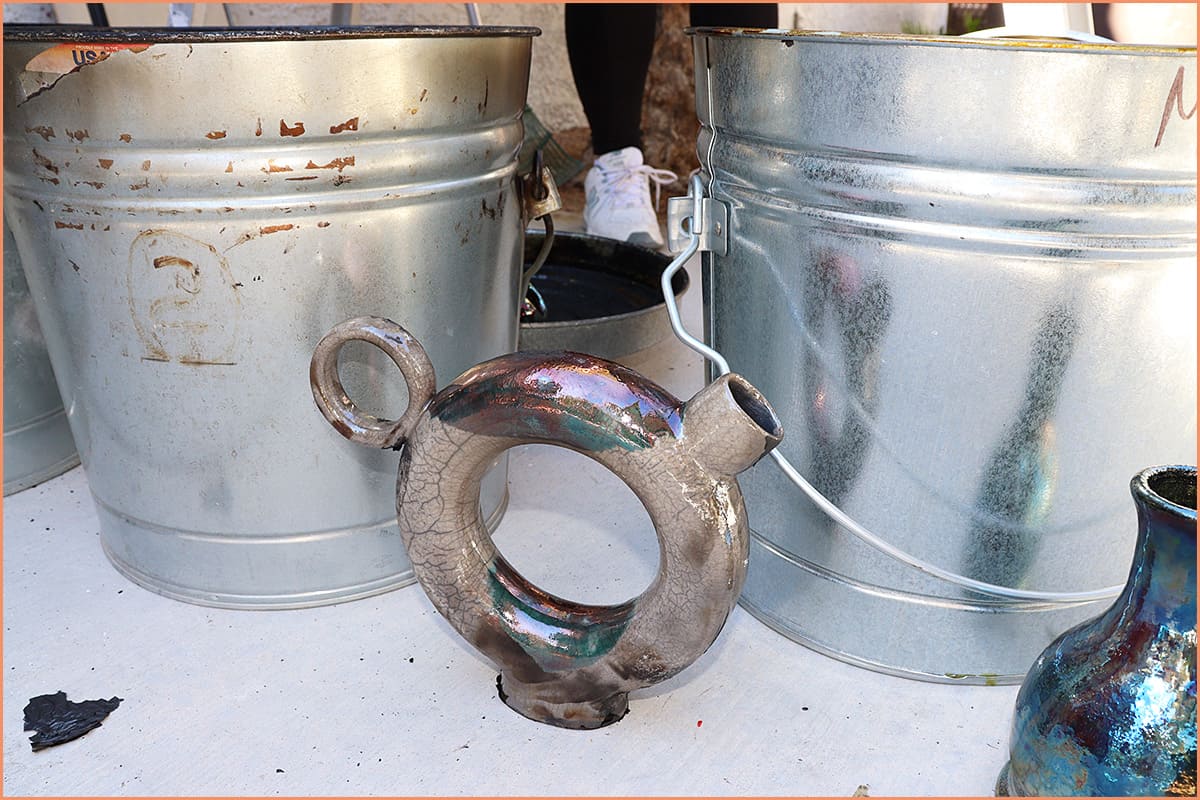
The Raku firing process will take around an hour and a half in a Raku Kiln. Then lift the red-hot Raku wares into a reduction chamber (a can) filled with combustibles such as paper or sawdust. This creates smoke and fire until you cover the can, initiating the reduction process. You won’t see the results until it cools off.
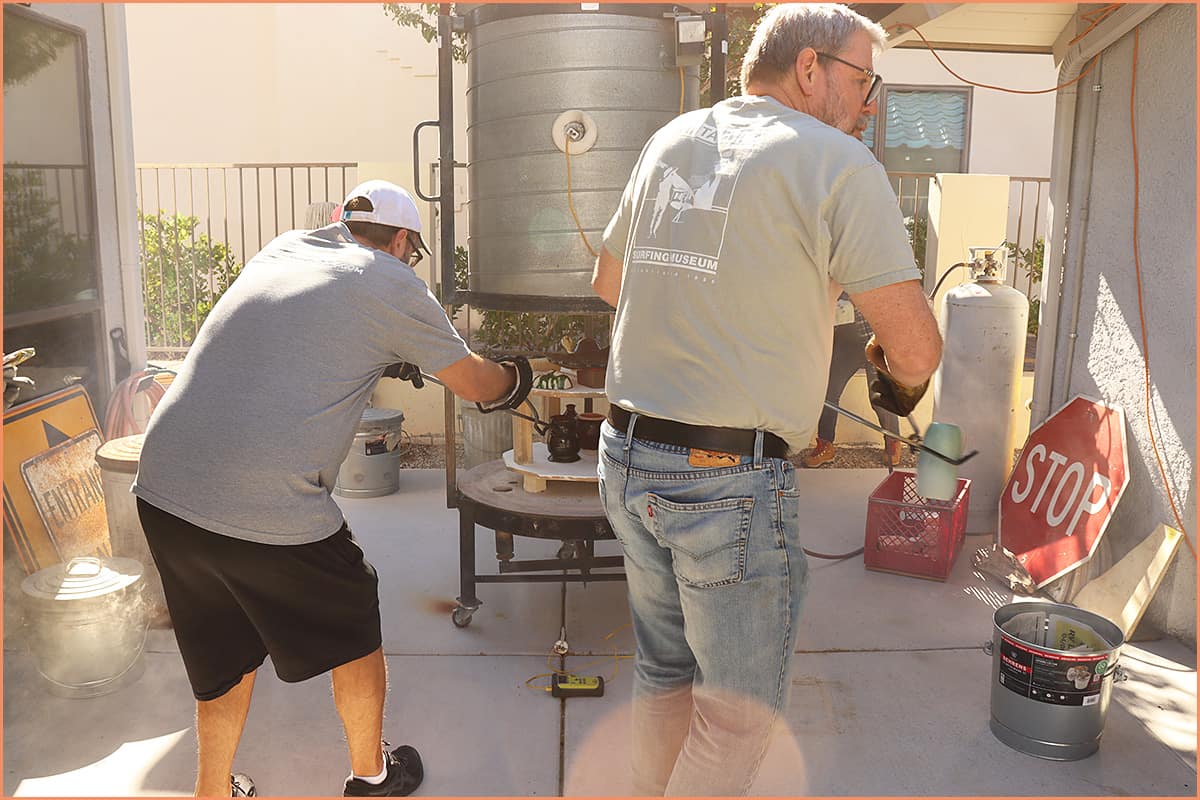
The results of Raku can be stunning. You might see crackled glaze surfaces or stunning metallic effects. In some cases, the clay pots can crack because of thermal shock, where the wares cool off too rapidly. This happens more often than with regular pottery methods.
For more detailed information on the Raku process, check out my step-by-step article on How to Make Raku Pottery.
Other Cooling Processes for Raku Pottery
Some methods for cooling Raku pottery allow it to cool in the open air. That follows the Traditional Japanese Raku technique. With other methods, they will submerge the pottery in cold water. This can lead to thermal shock happening more commonly.
Horse Hair Raku
Perhaps one of the more interesting Raku techniques, the Horse Hair Raku technique, drapes horsehair across hot ceramic. You can also use feathers, human hair, or dog hair.
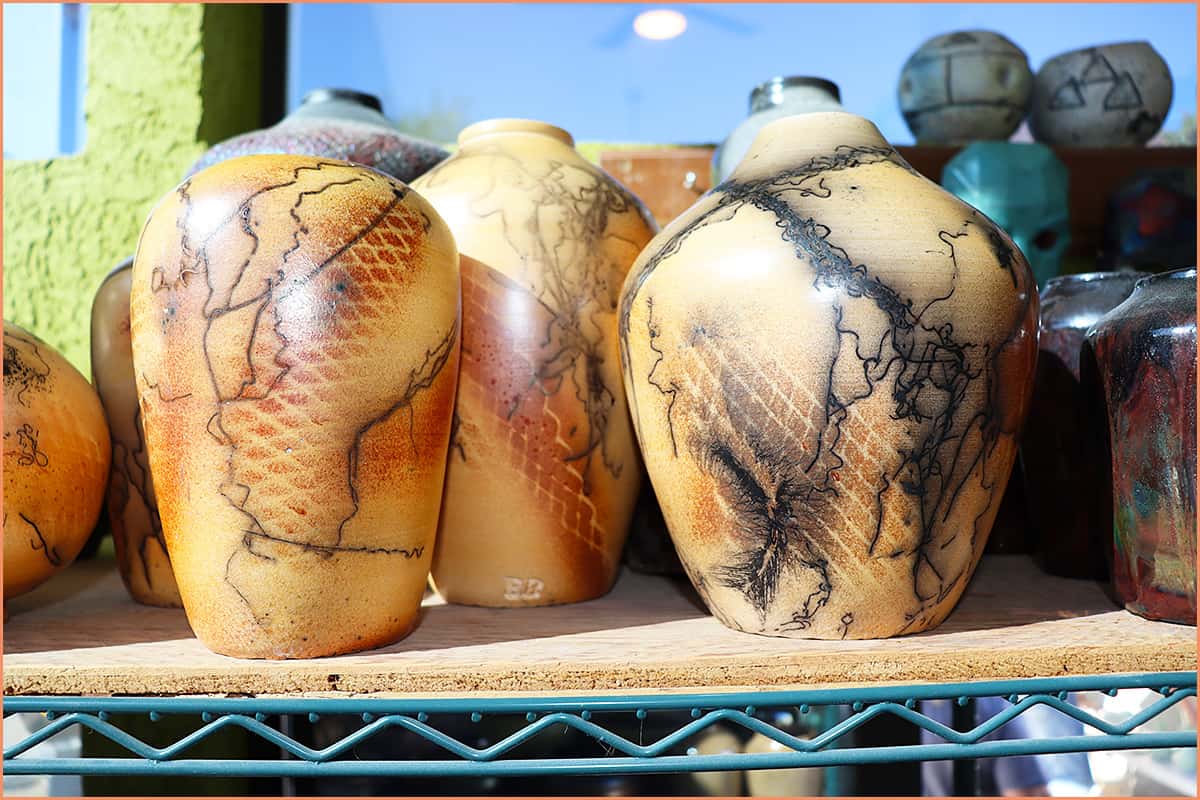
They will create a combustible effect that leaves a carbon and ash mark on the ceramics. It soaks into the pottery, creating a cool design.
Is Glaze Essential in Raku
You can decorate Raku with several techniques, and not all require applying glaze. You can use stains or oxides instead of a glaze in Raku, which each have unique effects. The issue with Raku and glaze stems from their use of a low-firing temperature. Because of the low temperatures, it is recommended to use a low-fire glaze.
Conclusion
Hopefully, this sheds some light on Raku pottery. You have two types, with the original coming from Kyoto, Japan. Western Raku frees itself from the traditions that bind Japan, which allows it to reinvent itself.
For those who want a more spiritual experience, Traditional Japanese Raku has many deep, abstract concepts and virtues, such as harmony and compassion. You may want to learn more about the tea ceremony. This can help you understand the background.
Try making Raku pottery yourself to see what it looks like. To understand Raku pottery, you have to know how Western Raku differs from Traditional Japanese Raku pottery.