
What is Dip Glazing | Glazing Tips Tools And Ideas
Potters use a variety of techniques to glaze their ceramics. One of these, Dip glazing, is a beginner-friendly way to apply Glaze to your ceramics.
Dip Glazing is the process of dipping pottery in a glaze for three to five seconds. It’s the fastest way to glaze ceramics with even layers, but potters also use it to create a base for other finishing techniques. You don’t need special skills to be successful with dip glazing, because you only need to dip the whole piece.
Potters who mass-produce Ceramics prefer this method because it takes only seconds to coat bisqueware. However, it will take practice to use this method to create multiple layers of Glaze or to add more depth when designing Ceramics.
There’s a lot of room for creativity when Dip Glazing, but you need to be familiar with the basics of this technique. Without knowing how Glaze works and how to use it to its full potential, you might end up wasting a lot of bisqueware and glaze.
Affiliate Disclaimer: We are ambassadors or affiliates for many of the brands we reference on the website. As an Amazon Associate, I earn from qualifying purchases.
Basics of Dip Glazing
Dip glazing is exactly what it sounds like: you immerse a piece of pottery in a glaze batch. There’s nothing magical about it, but what you do with this method can create exceptional depth with your craft. It’ll dry quickly, and with the right thickness, you’ll have even coverage.
Before you dip any of your Pottery in Glaze, make sure that it has a clean surface. If you’re planning to keep some parts free of Glazes, such as the bottom and certain design elements you want to emphasize, brush on Wax Resist to create a protective coat.
Stir your Glaze Mixture thoroughly and often because the glaze particles don’t stay suspended in water for very long. After a few short minutes, they start to float to the bottom. You’ll want to stir the glaze often to get the best results. Your Glaze should have the consistency of heavy cream.
Any imperfection or inconsistency in your Glaze will be reflected in the final product. The thinner your mixture is, the longer you need to dip your Pottery. Doing this ensures that it stays in place long enough for you to fire it.
How to Set Up Glaze from Powder
Setting up glaze from powder is easy, but you need to be sure that it’s the mixture you want for your Pottery. Dip glazing will require you to use large containers filled with Glaze, so whatever mix you work on, you’ll be using it for a lot of Pottery.
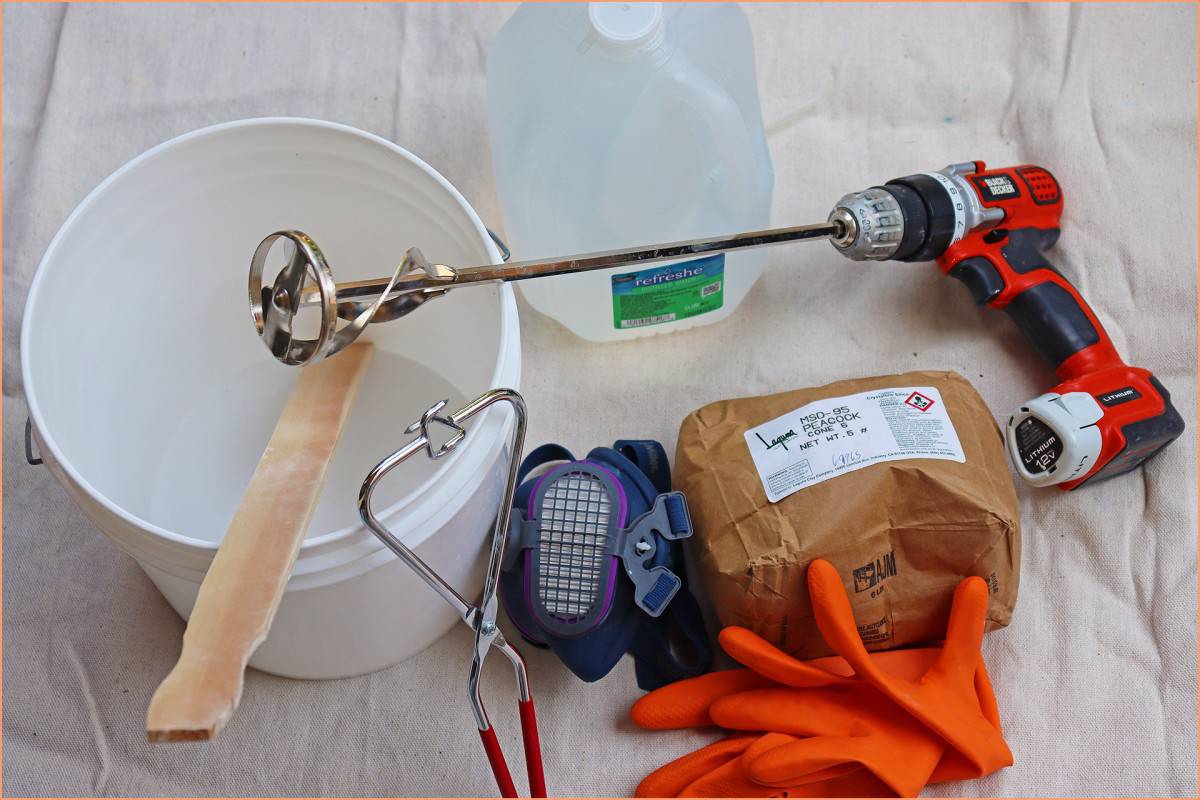
There are different ways to make Glaze from powder, but we suggest that you start with the baby steps. Once you familiarize yourself with it, you can proceed to mix additives to add more depth to your design. Below are the steps that we recommend you follow when setting up Glaze from powder:
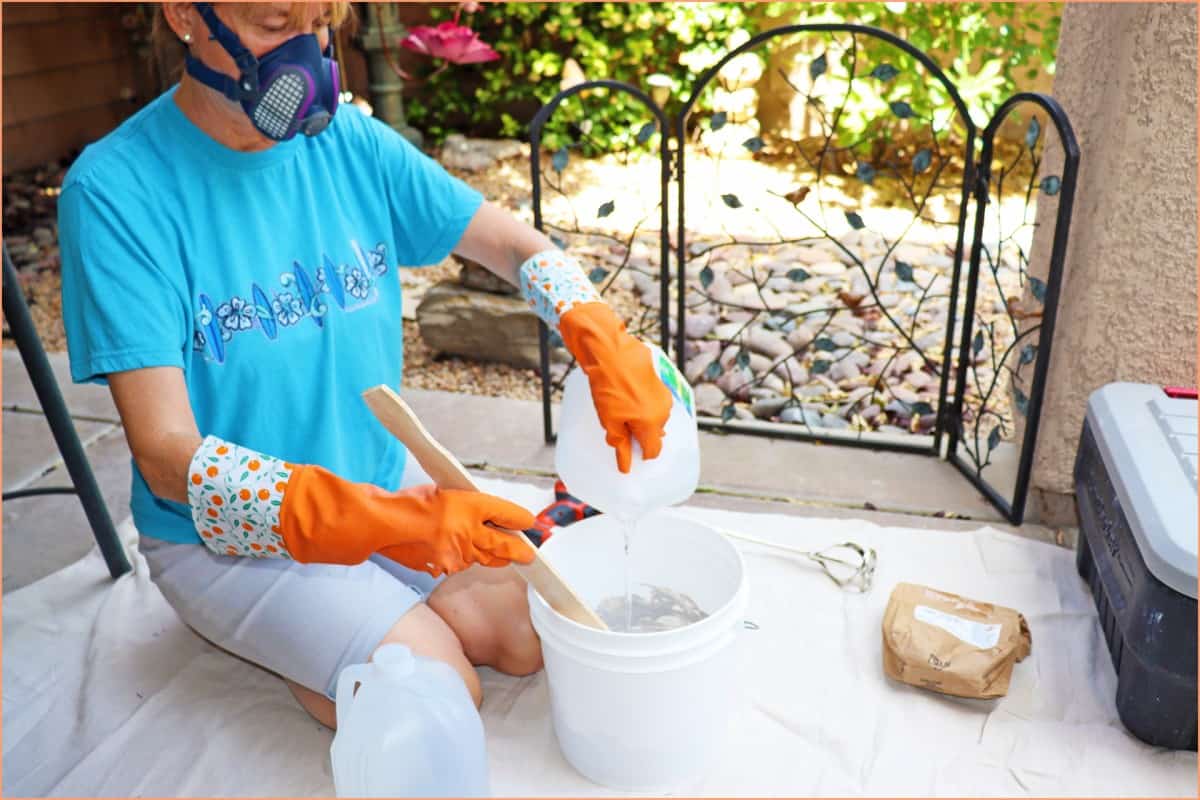
- Before opening the bag of glaze, ALWAYS WEAR A DUST MASK. It is also a good practice to wear rubber gloves. Pour your Glaze powder into a container with clean water. It should be large enough to dip your Pottery and have enough Glaze to cover your pieces when Glazing.
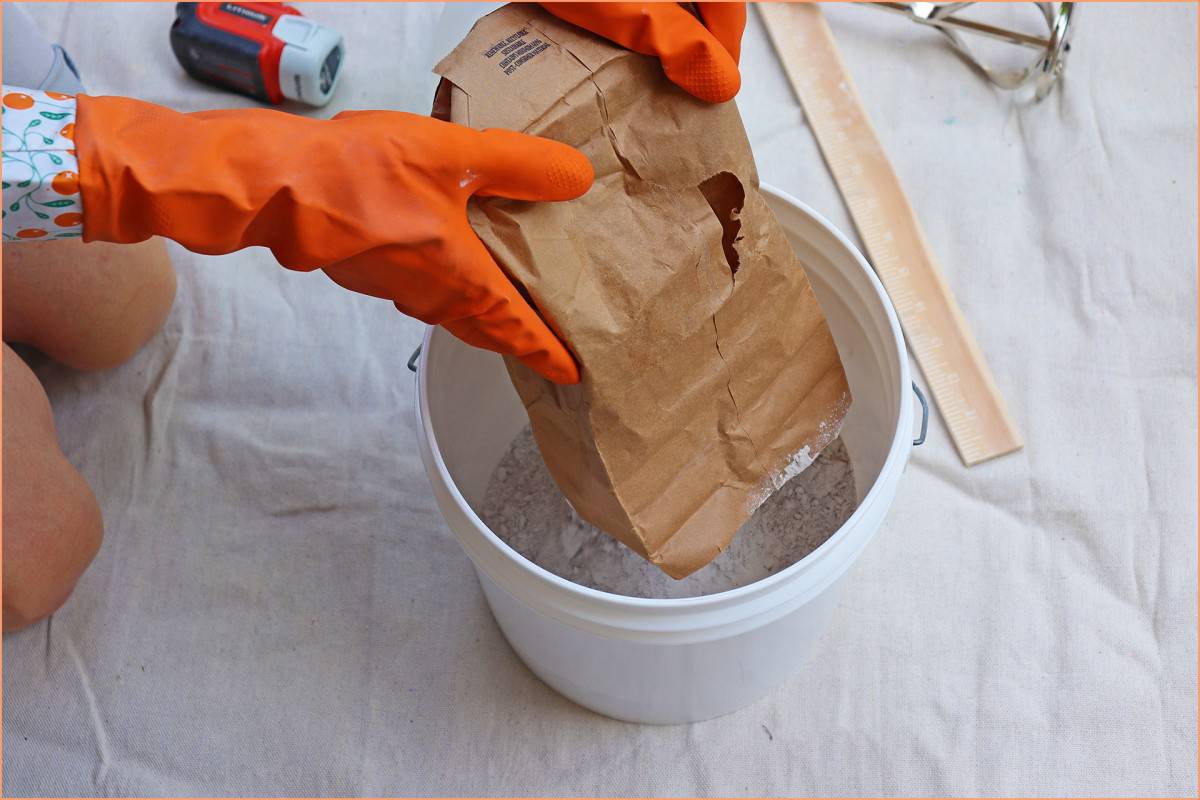
- 5 pounds of Dry Glaze needs a half a gallon of water (You will need to check the label because every Glaze is different. You will want to use distilled water for the best results. It would be best to slowly pour in the water while stirring until you reach your desired glaze consistency.
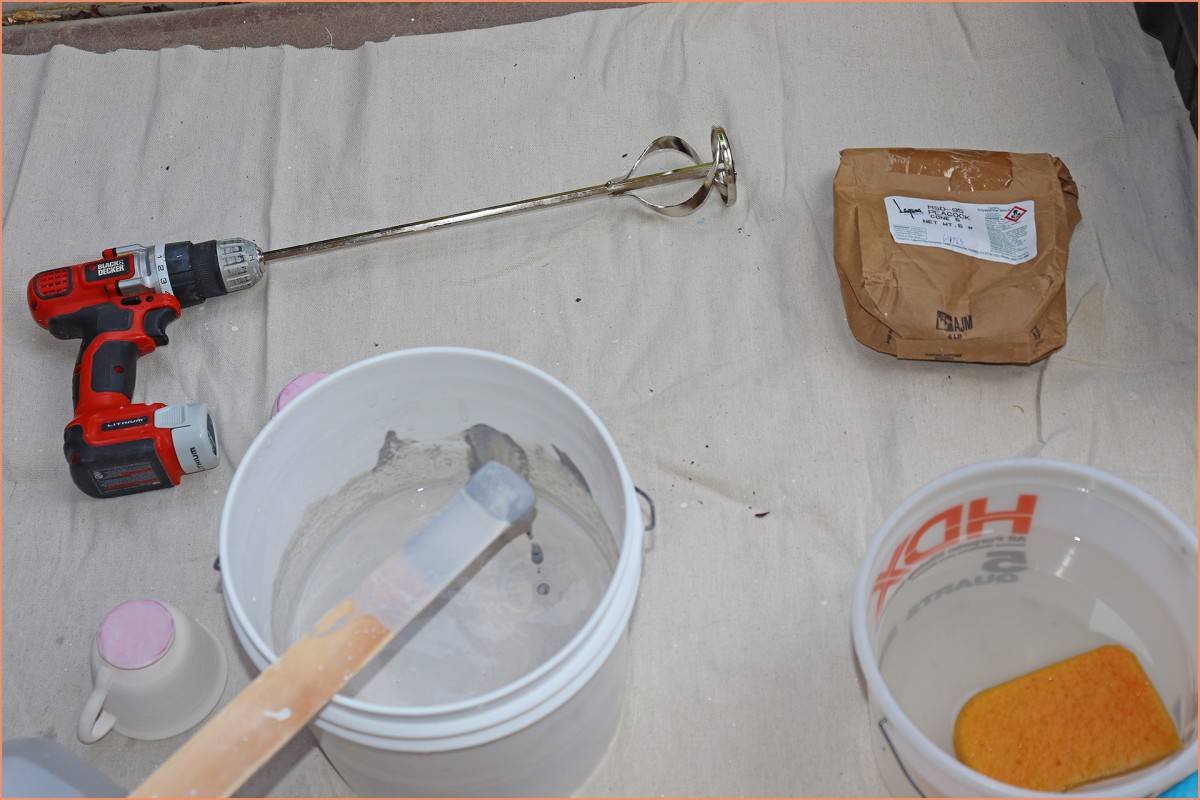
- Stir the mixture thoroughly to minimize lumps. We suggest that you use a stirring stick first to thoroughly mix the powder, then use a Drill and Mixer.

- It’s best to let the Glaze settle overnight. If you can’t, then mix your Glaze for at least 15 minutes with a Drill and Mixer.
- Stir thoroughly and often. The glaze is the finishing touch for all your ceramics, so it needs to be perfectly smooth.
- If you need to thin your mixture, slowly add water while stirring until you achieve the consistency that you want for your glaze.
The amount of glaze that you prepare doesn’t matter because your glaze will last a very long time if it is not contaminated. If the liquid glaze settles out at the bottom of the container. Just mix it again really well with a drill mixer and add water if you have to. For more information, read my short article on ” How long Glaze Lasts and How to Dispose of it.
When dealing with a thin glaze mixture, you can add small quantities of 10% Soda Ash or Sodium Silicate. Keep stirring and add more Soda Ash until your glaze returns to normal behavior, or you’ve reached the consistency you want for your Pottery.
Dipping Your Piece
Once you have the right consistency for your Glaze and you’ve prepared your pieces correctly, it’ll only be a matter of layering or applying other finishing techniques to achieve the design that you want.
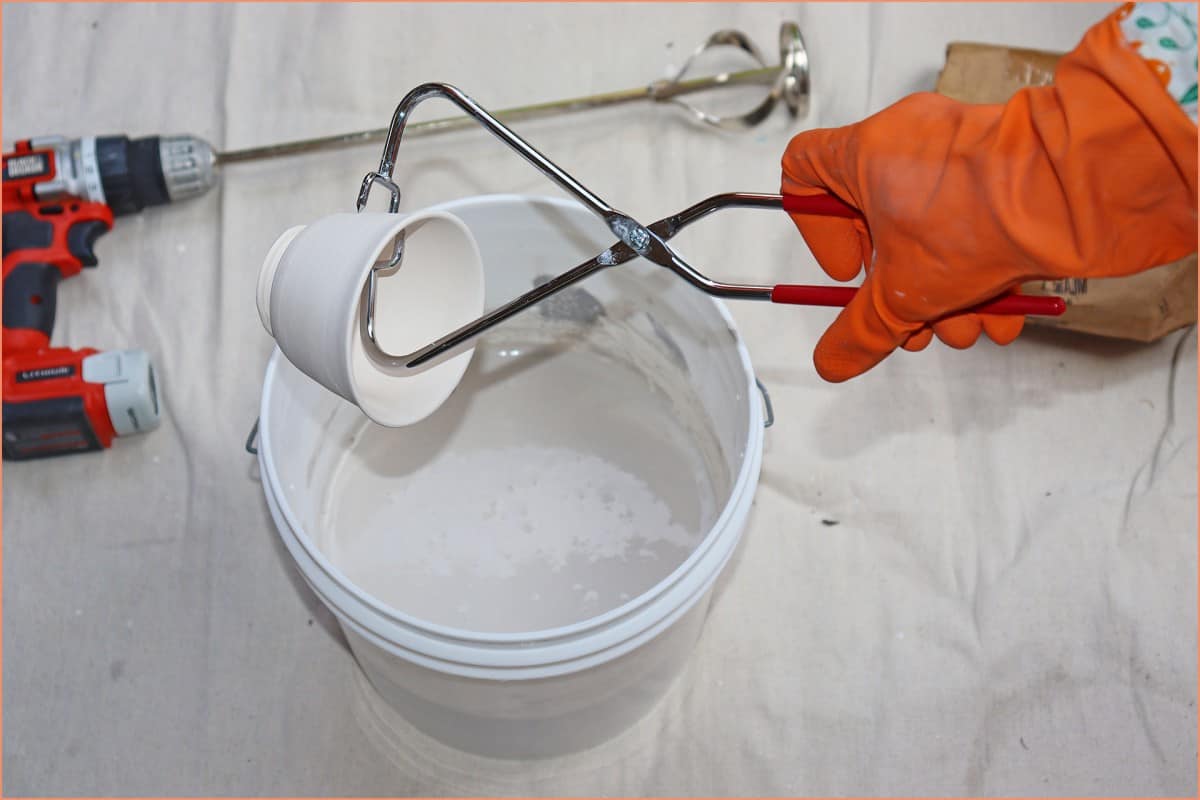
Many Potters hold their pieces when dip glazing, but using tongs tends to give them the best consistency and even coating. When using tongs, make sure to place them in the most solid, secure area of your Pottery. Because you have to clamp down firmly with the tongs, you don’t want to crack or even break your piece.
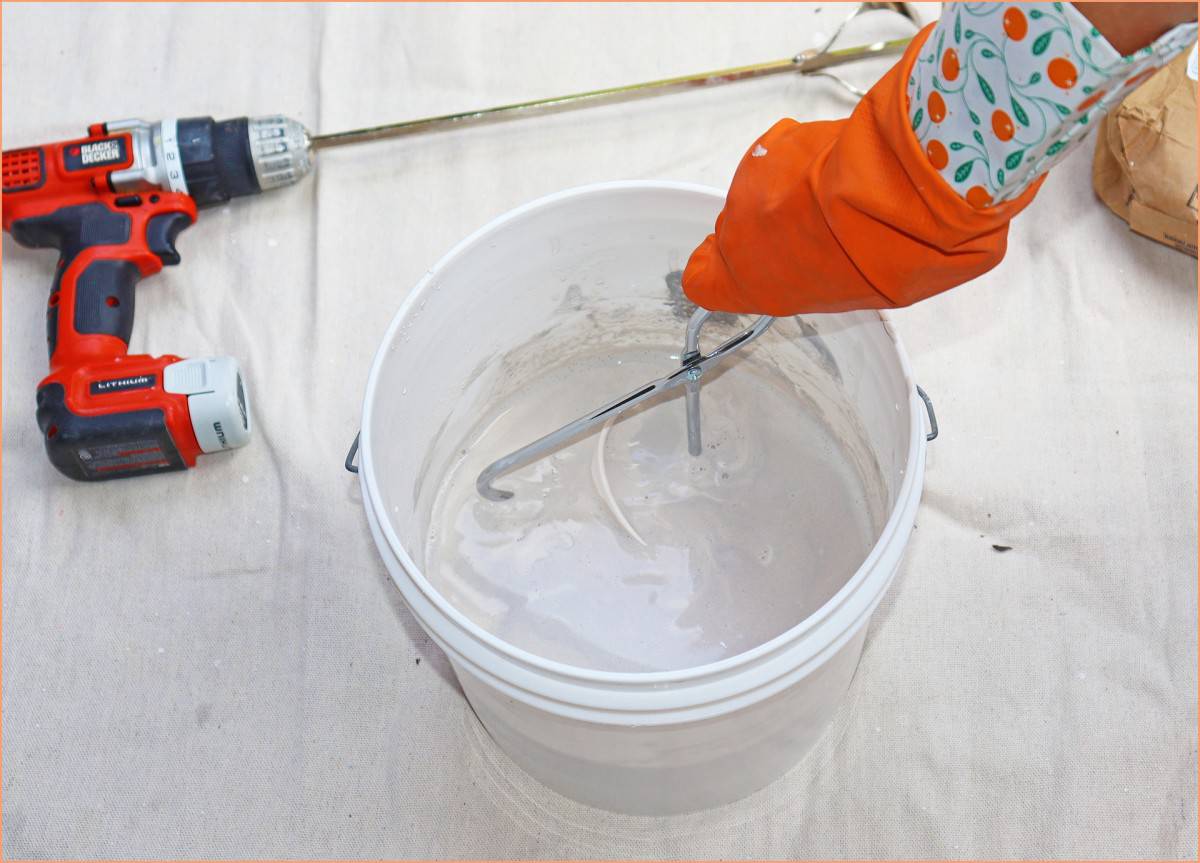
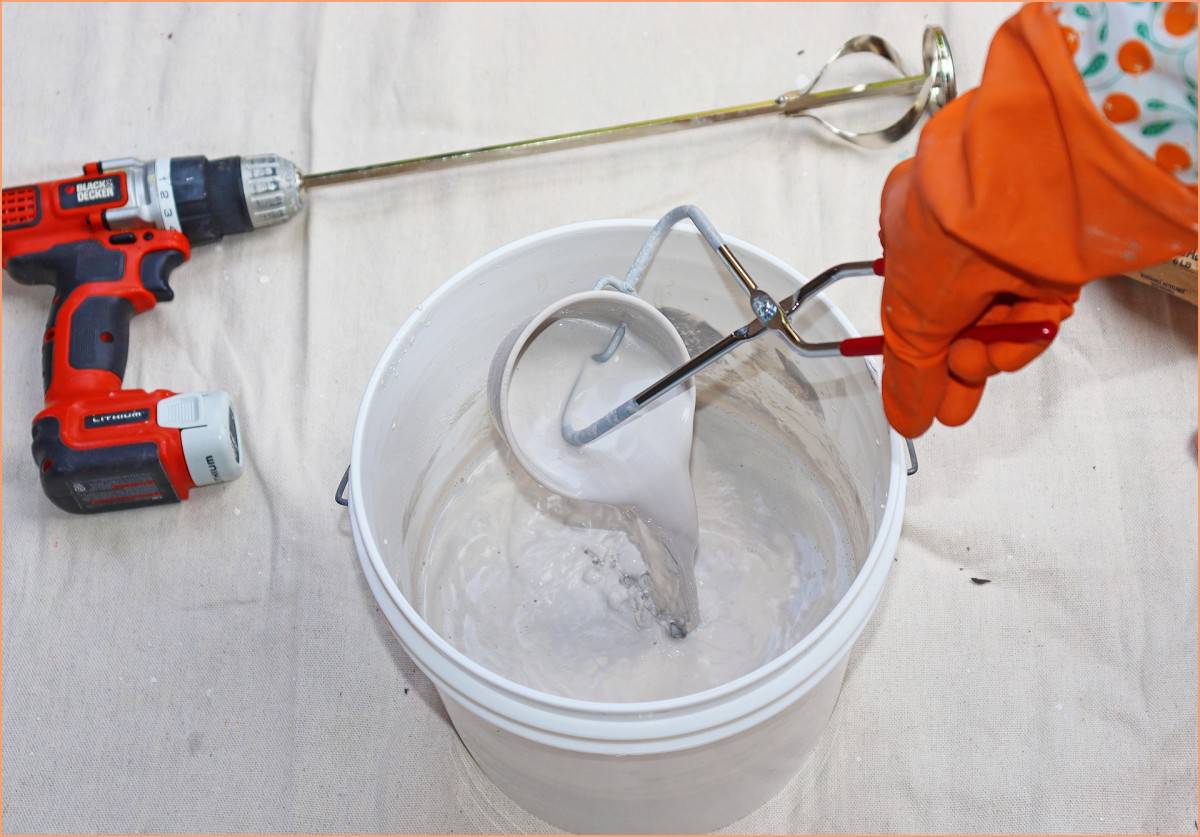
When dipping your piece into the container, you don’t want to plop it in and have the glaze splatter. You will want to place it in the container like a ladle or soup spoon, and be careful not to hit the sides. You can also pour the glaze into your mug, then twist it as you pour it back into the bucket. Then dip the outside in the bucket.
Techniques for Dip Glazing
Dip Glazing is one of the first Glazing techniques that you’ll learn in pottery. But there’s more to it than dipping and firing. Many new potters didn’t know they could combine Dip Glazing with other finishing techniques to get the most out of their ceramic designs.
Dip Glazing only prepares your Pottery for intricate details. The type of Glaze, together with the ingredients that you’ll use for it, will depend on how you want to finish your piece. Here are some of the essential tips that you can use when dipping:
- The larger your pots are, the larger your Glaze Container should be if you want to create an even coating for your Ceramic. It would be best if you kept its thickness to that of a T-shirt.
- Your mixture should be free from Binders and Gums if you want the glaze to dry out faster. However, if you’re going to create multiple layers and different effects on your pottery, adding binders and gums to your mixture will keep the Glaze suspended longer.
- Gummed Glaze works best when it has ample amounts of super-fine particles to bind. If you’re planning to use Binders for Dip Glazing, we recommend mixing your Glaze with Bentonite Additions.
- When trying to create a dripping effect on your pottery, using bentonite additions can make the process easier and your design more candid. Glaze with the right amount of bentonite dries slower, making the dripping effect look more natural.
Conclusion
There’s no exact way to dip glaze your ceramics because it’ll counteract its most significant advantage, being able to design it the way you want it. Dip glazing offers excellent flexibility, so much so that no one can tell you the exact specifications for dip glazing.
The only thing you need to work on is the glaze mixture and keeping it at the right consistency. If you’re planning to use different glazes to create layered effects on your ceramics, it’s best to have separate containers for each. It’ll make dip glazing easier and more scalable, allowing you to work on large amounts of ceramics at the same time.