
What Is Crazing in Ceramics and How To Prevent It!
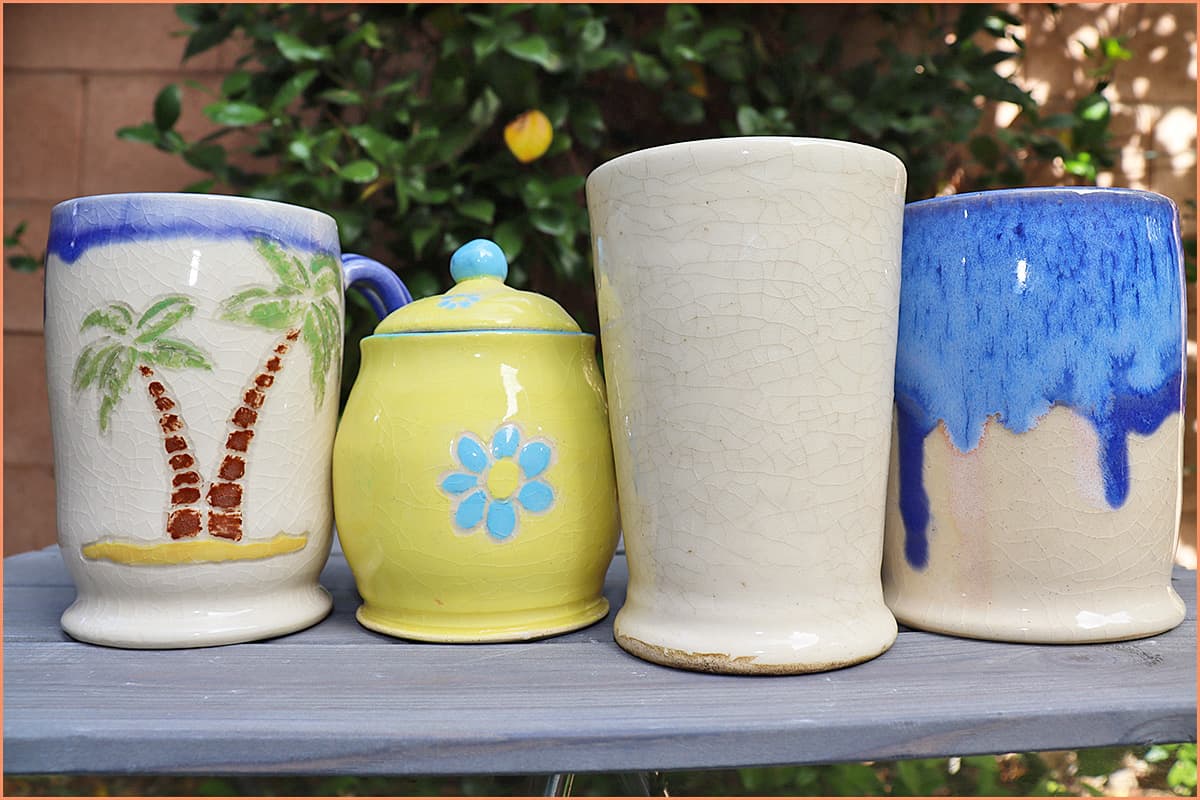
I will go over what is Crazing in Ceramics and how to prevent it. Have you ever seen small or large thin cracks in your pottery glaze and wondered how they got there? Well, these cracks are called Crazing, and they are a sign that your glaze is not expanding and contracting with your clay.
Crazing Is a Network of Hairline Cracks in The Glaze of Your Pottery. These Cracks Appear After Firing, And They Occur When the Thermal Expansion of Your Glaze Is Not High or Low Enough for Your Clay Body. Applying A Thinner Coat of Glaze and Cooling Your Piece More Slowly Are Two Ways To Prevent Crazing.
So, let’s get into the details of Crazing. I’ll help you understand why it happens in simple terms and give you some tips to prevent it in your pottery projects. So, let’s get started!
Crazing Is Caused by Tension during Thermal Expansion
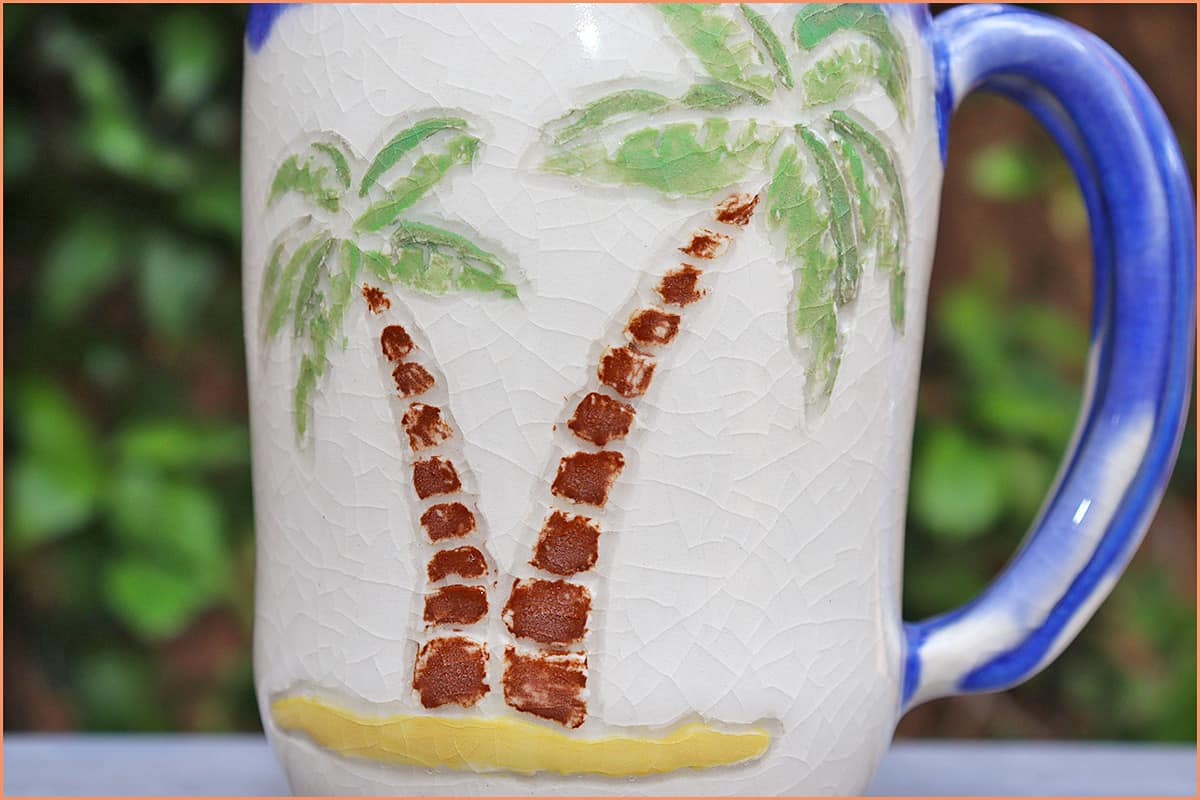
Crazing is a phenomenon that happens when your ceramic glaze’s thermal expansion does not match your clay’s thermal expansion. The mismatch causes tension in the glaze. It’s very common, and it can occur in any glazed Pottery piece at any point in its lifetime.
What Is Thermal Expansion?
Thermal expansion occurs when pottery heats up and expands. Glazes and Clays have different thermal expansion rates depending on the minerals they are made of and the amount of water they contain. Basically, clay expands as it heats up, then shrinks as it cools.
So, when you fire your pottery in a kiln, it will expand in small increments, often at a different rate than the glaze. However, as the kiln cools, the clay contracts in size.
Thermal expansion affects glazes differently. If your clay expands or shrinks too fast for your glaze to keep up, the glaze will harden, then stretch across your clay, causing tension.
As your pottery cools under tension, the glaze may stretch or shrink too much, causing cracks that relieve the pressure.
What is Delayed Crazing
However, the glaze doesn’t always craze when your piece is still in the kiln. Instead, in a phenomenon called “delayed crazing,” ceramic glazes can craze years – and sometimes decades or centuries – after the piece was fired. That’s because some glazes hold tension better than others.

Suppose you subject a ceramic piece with a fair amount of tension beneath the glaze to high heat or cold. In that case, the clay will expand or contract again, allowing the glaze to finally release all of the pressure, causing Crazing in the process.
How To Tell If Your Pottery Is Crazed
You would think that, since Crazing appears in small hairline fissures, you would always be able to see it. However, in some cases, you may not be able to see craze lines on a piece if the color is dark, the texture of your glaze is already rough, or your glaze is applied to create intricate designs.

To tell if your ceramics are crazed, you can observe the surface or test it with a colorant to see if cracks are present.
Take a Close Look for Signs of Fractures
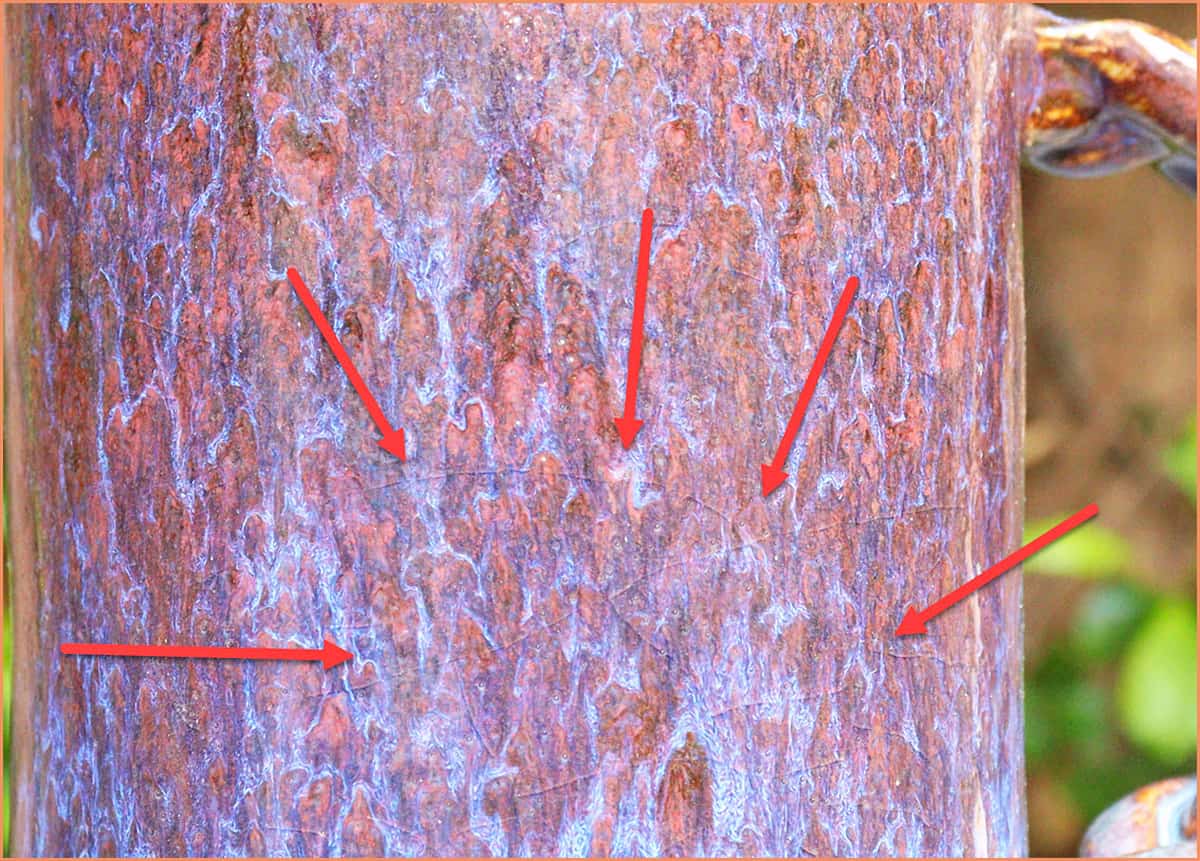
The easiest way to detect Crazing is to observe the material’s surface. Do you see crackle-like patches on your glazed piece? Well, those are craze lines.
Listen for ‘Pings’ As the Piece Cools
When craze lines form, you may hear a slight “pinging” or ringing sound from your ceramic piece as it cools. This ringing sounds a lot like the dings that occur when you flick a ceramic piece with your fingernail or when you hit a fork against a glass cup.
If you can hear this sound from your piece, it is a sign that your glaze, and potentially part of the clay, is cracking.
Use Coffee To Check for Cracks
You can test your dinnerware or pottery piece to see if your glaze is crazed using Coffee.
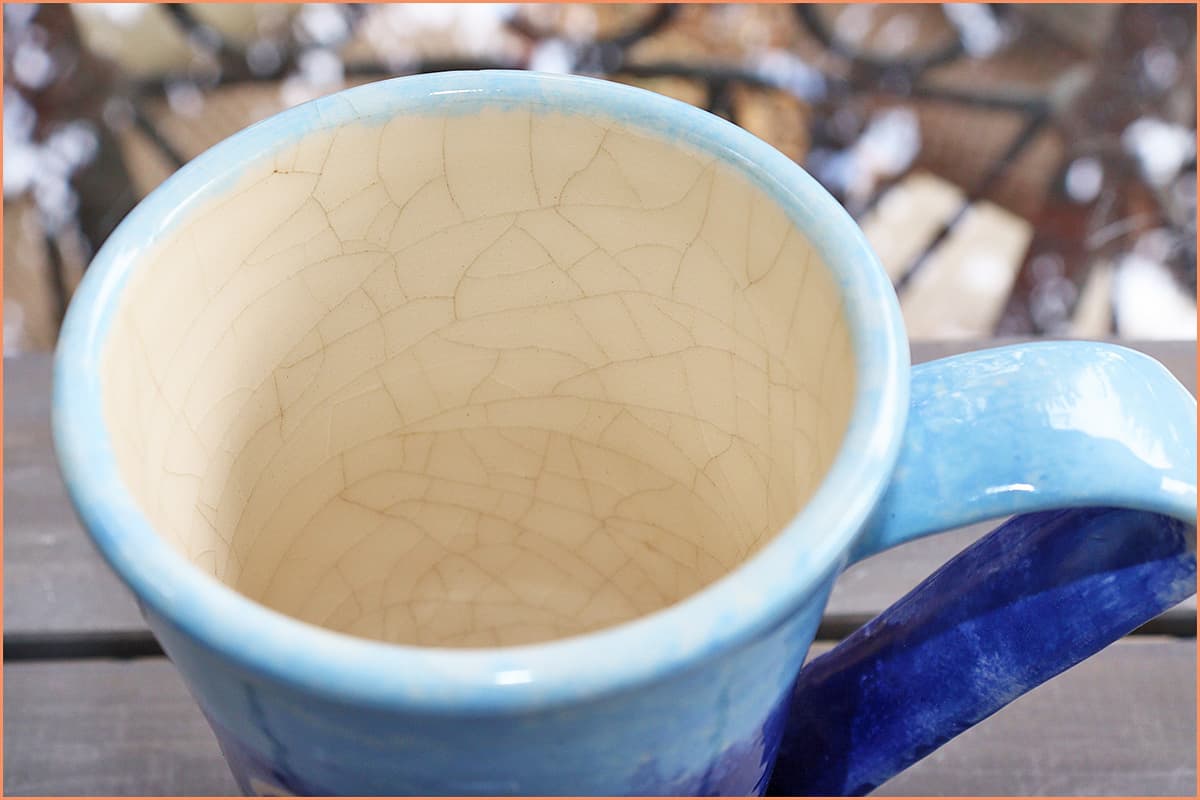
To test: Pour coffee into your ceramic bowl, mug, or plate, then let it set overnight. If the coffee color sticks, leaving behind an outline of many hairline cracks or several larger cracks, your piece is crazed.
Is Crazing in Ceramics Bad?
Unlike Pinholes that no potter wants, some potters will create Crazing on purpose with decorative pieces. Some people prefer crazed antique pottery pieces since they look more old-fashioned.
But Crazing isn’t usually something that people want to see in their Dinnerware creations, and for a good reason. It makes cleaning and using your ceramic pieces more challenging, and it can weaken the clay.
Crazing Cracks Can Be Unhygienic on Plates and Cups
Crazing isn’t inherently bad, but it can have some unpleasant side effects.
For example, Since Crazing is a series of cracks in your glaze, it is the perfect hideaway for food particles, bacteria, and fungi like mold to grow.
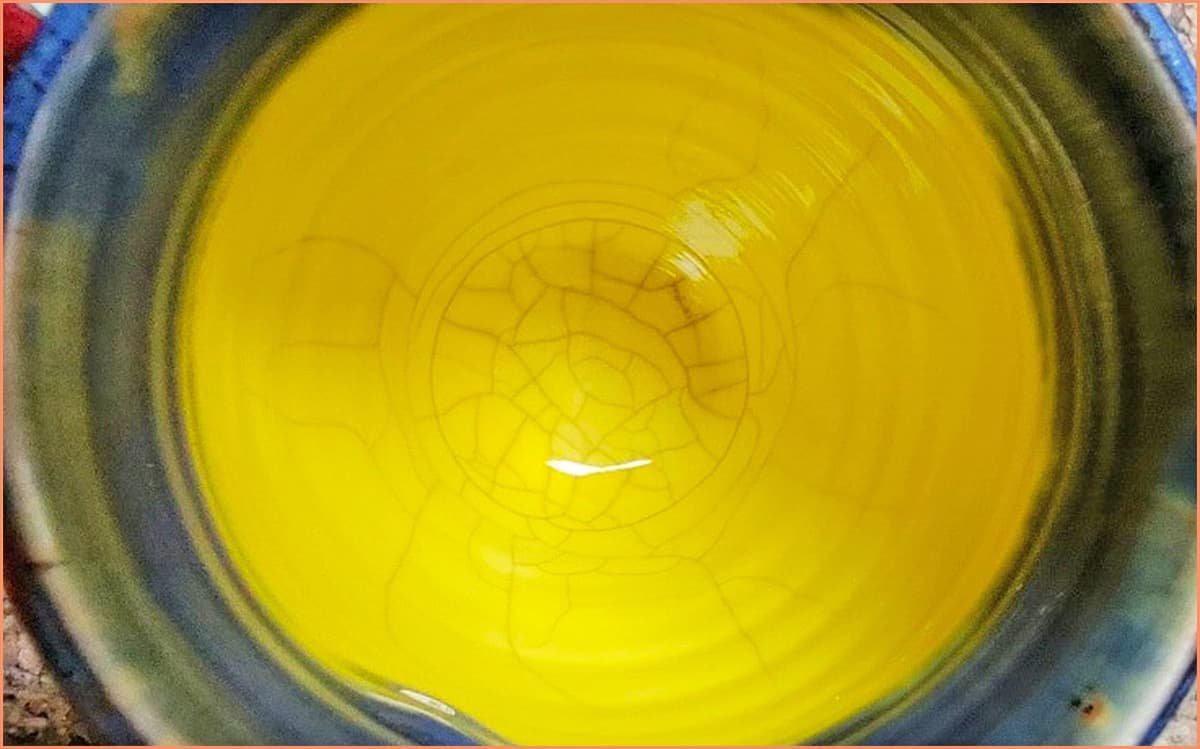
Cleaning these cracks without damaging the clay requires specialized techniques and chemicals, so they are generally considered undesirable in a practical piece of pottery.
Crazing Can Look Pretty But Can Make the Piece Weak Overall
This beauty is only glaze-deep; crazed pieces are much more likely to break.
According to studies by Dr. Bill Carty of Alfred University, crazed ceramics are weaker than unglazed ceramics. That’s because the cracks in Crazing create weak points in a piece of clay, where they can keep cracking if put under any more stress.
So, if you want to use a ceramic piece for food preparation, serving, collecting, or anticipating heavy use, Crazing is an issue.
How To Prevent Crazing in Ceramics
Crazing can be frustrating, especially if you’ve tried many different glazes and clay bodies, only to see cracked and devalued ceramics.

Let’s talk about what you can do to keep your ceramics crack and craze-free.
Apply a Thinner Coat of Glaze
Applying a thin coat of glaze is a simple way to keep it from building tension, thus preventing Crazing.
However, if you’re not using the right glaze and clay combo, you might still see some cracking, so know this isn’t a cure-all.
To keep your glaze thin, apply only one light coat to your ceramics, or dip them in your glaze once, then allow them to dry before firing.
Do Not Under Fire Your Ceramics
Most of the time, underfired ceramics will experience delayed Crazing.
That’s because underfired clay expands and shrinks more as the temperature and humidity change, forcing the glaze to expand and contract beyond what it is capable of. As a result, the glaze cracks to keep up with the clay.
So, you should always fire your ceramics to the proper Cone number during bisque firing and your final glaze firing to ensure that they are completely done before you take them out of the kiln.
Cool Your Ceramics Slowly
Slowly cooling your Kiln is an easy way to prevent immediate Crazing since it helps your glaze and clay body adjust and stretch slowly.
Still, extending your cooling time by an hour or two can go a long way toward preventing the shock of cooling, and it can keep both your clay and glaze from cracking. So, generally, it’s always a good idea to cool your ceramics slowly to help prevent Crazing.
Opening Your Kiln Too Soon
Opening your Kiln before it has cooled properly will bring a wave of cool air into your kiln and can cause thermal Shock and may crack your glaze. It’s important to know what Temperature you should Open your Kiln.
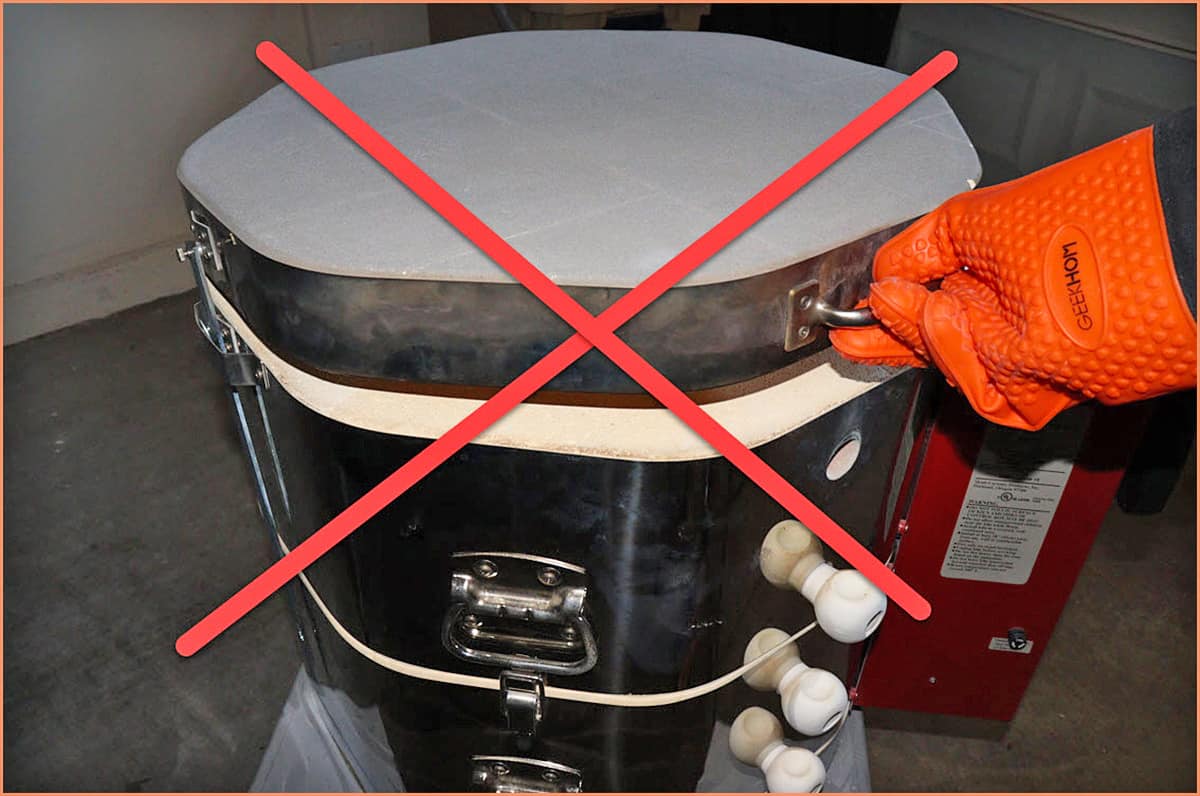
Experts recommend keeping your Kiln closed until it has cooled to around 125° F (51° C). This helps ensure the piece doesn’t crack from thermal shock. You can open all the peepholes to let the heat out, but only the top one is typically recommended.
Changing Your Commercial Glaze and or Clay
If you have tried all of the above and are still getting Crazing from your Commercial Glazes or Clay, you will need to change the brand of your Glaze or Clay. Matching the thermal expansion of your clay to the thermal expansion of your glaze will ensure that you don’t create tension in your piece during firing. Doing so is the only way to prevent both immediate and delayed Crazing. Your choice of Glazes can make a difference. As well as your choice of Clays.
Example:
You may get crazing from a Mayo glaze with a Laguna clay body. Switching to a different Glaze or Clay will do the trick. This may take a little experimenting, but it is well worth the final result.
Adding silica to your clay body or increasing your firing temperature will also help prevent crazing.
Adjust the Thermal Expansion of Your Glaze Recipe
Finding the right combination can be challenging, especially if you don’t know the exact chemical composition of your glaze. That is why mainly intermediate and professional potters make their own glaze recipes.
Some adjustments that may help you prevent Crazing when making your own Glazes.
- Increase the talc content in low-temperature clay bodies.
- Decrease the feldspar in your glaze.
- Increase the alumina in your glaze.
- Increase the boric oxide in your glaze.
- Increase the magnesium oxide in your glaze.
These adjustments may take time to test. You’ll have to adjust your recipes constantly, so it’s not a practical option for everyone.
One pro tip that I recommend is to learn more from your fellow potters. Ask other people from your studio about their glazes, or ask a professional potter about their favorite combinations and recipes.
Choosing to ask other people from your studio about their glazes is especially helpful since they will likely use the same clay bodies as you do.
Conclusion
Crazing is enough to drive a ceramics maker crazy. The tips in this blog post will help you solve the crazing problem. With a few adjustments to your clay or glaze and firing process, you can avoid Crazing in the future.
Always use a glaze with a thermal expansion similar to your clay body, and try adjusting its chemical composition to make it more flexible.
You can also increase cooling times and use thin coats of glaze to reduce tension in your ceramics.