
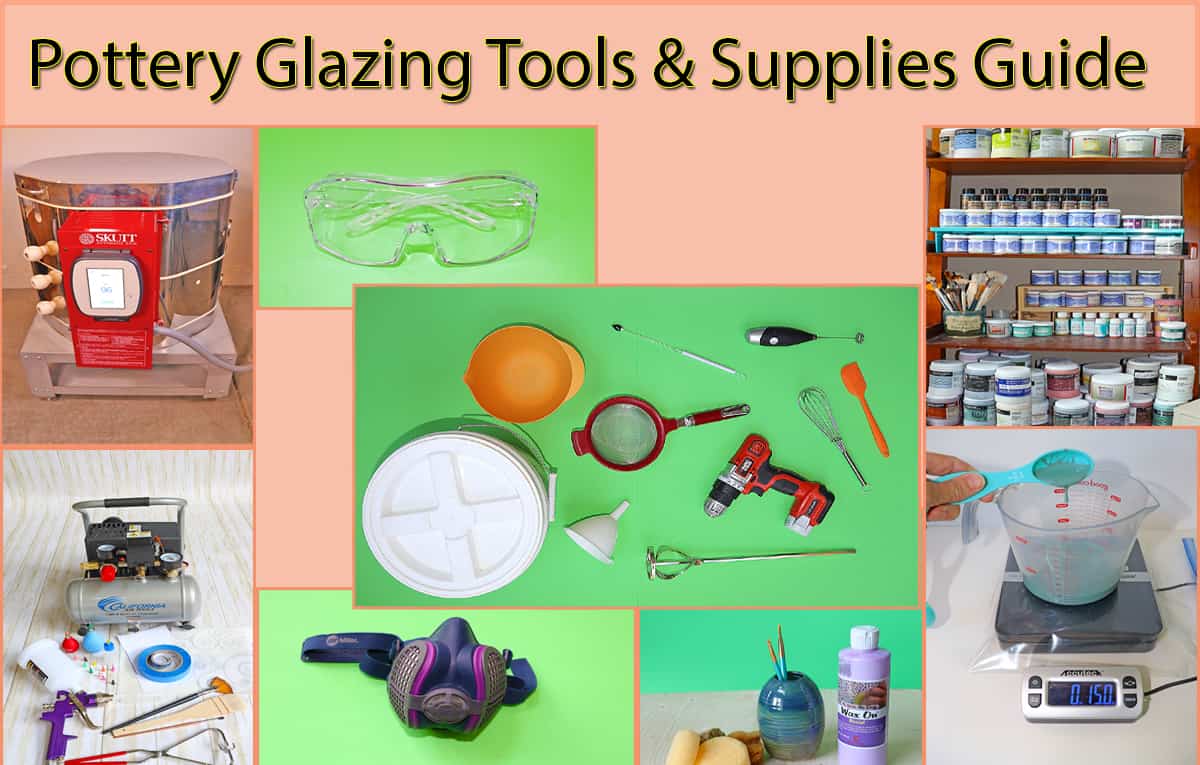
Ultimate Pottery Glazing Tools & Supplies Guide
To achieve that perfectly decorated ceramic object, pottery glazing can involve many tools, supplies, and steps. But how do you pick and choose the items you need for your glazing process?
This ultimate guide to pottery glazing tools and supplies highlights the tools you need at each step of the glazing process. From protective gear: gloves, apron, and goggles, to the tools of the trade like brushes, spray gun, dipping tongs, and the must-haves like glazes, underglazes, and wax resist.
In this article, we’ll discuss these and other tools and supplies, and outline the steps to take when glazing your ceramics to produce beautiful works of art. Let’s go.
Don’t have time to read the full article? Here’s a quick rundown of the essential pottery glazing tools to get you started:
- Brushes
- Goggles
- Bowls
- Buckets
- Dipping Tongs
- Stainer
- Drill
- Drill Attachment
- Mixer
- Banding Wheel
Affiliate Disclaimer: We are ambassadors or affiliates for many of the brands we reference on the website. As an Amazon Associate, I earn from qualifying purchases.
Glaze Safety Equipment: Goggles, Mask, Gloves, etc.
Before handling any ceramics or equipment in your clay studio, ensure you are safe from any harm. Have your personal protective gear ready to use whenever you need it.

Apron
An apron offers an extra layer of protection, keeping your clothes shielded from dirt. And what is more, aprons with pockets are quite convenient since you can keep some of your tools with you while working.
Choosing the best apron may not be as simple as it sounds. I have compiled this list of the four aprons that could be ideal for your pottery work. Have a look at these four choices and what they have to offer.
Mask
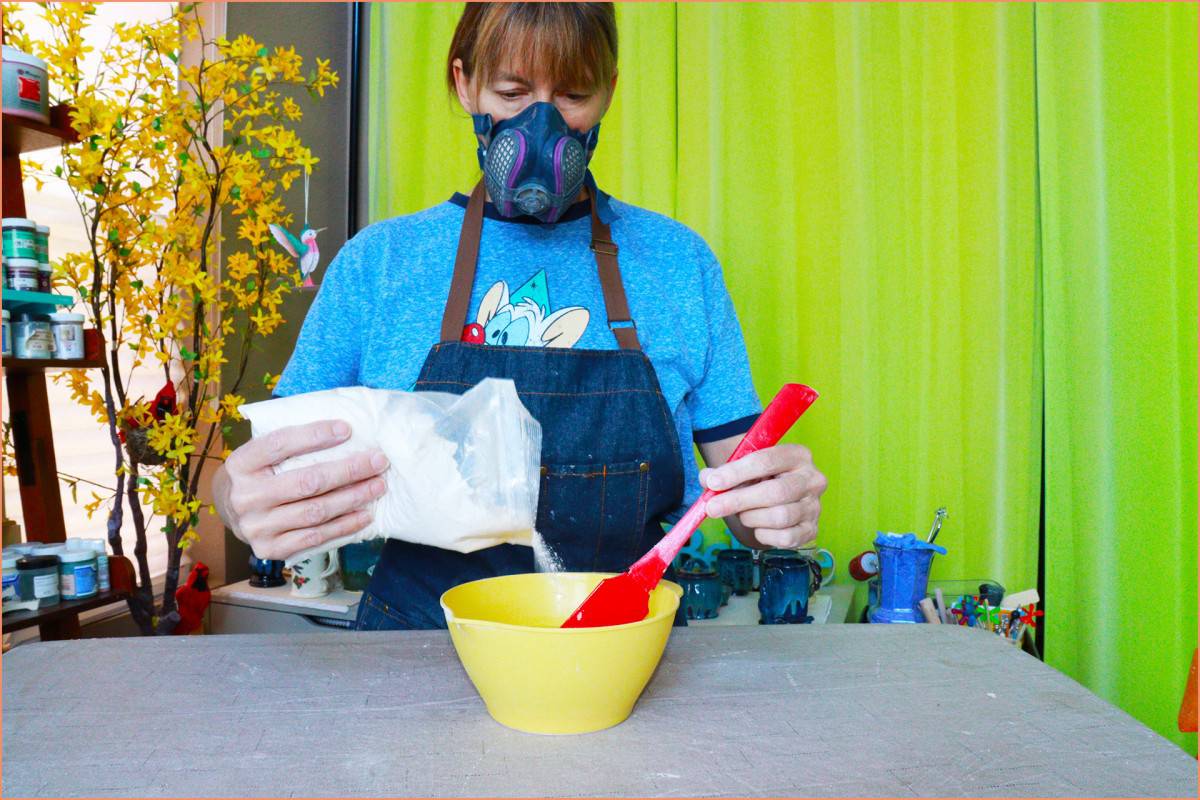
As a potter, wearing a mask is important for protecting your lungs from Inhaled Clay or Glaze Dust, and glaze spray mists. That’s why you should wear one when sanding and grinding off the Glaze, or mixing dry Glaze.
The Reusable Elipse Dust Half Mask Respirator is a great mask since it’s comfortable to wear and seals well. This mask comes with replacement parts for your convenience, including one pack of half-face covers, two filter boxes, four filters, and two plastic covers.
Gloves

As you protect your hands from glaze, wearing gloves also serves to keep oil off your ceramics. Oil, even as little as the one on your hands, can prevent proper attachment of glaze on bisque ware. You can keep a pack of Disposable Nitrile Gloves, Powder Free, in your studio for easy access whenever you want to change.
You may also need a pair of thick, heat-resistant gloves for use when unloading the kiln. Jolly Green Products Ekogrips can do a great job in this case. You can also use this pair of gloves to handle sharp objects, like pieces of broken pottery.
Safety Goggles

Protecting your eyes with a pair of safety goggles can help prevent harm or irritation from dust particles. There are certain instances where a potter shouldn’t forgo the goggles:
- When mixing dry glaze in preparation for glazing
- When spraying on the glaze
- During sanding and grinding off of excessive glaze and cookie removal
In these situations, many glaze dust particles will be flying around. Using a pair of DEWALT Safety Goggles, for example, can provide high-level eye protection.
Glaze Preparation Tools: Sponges, Wax Resist, etc.
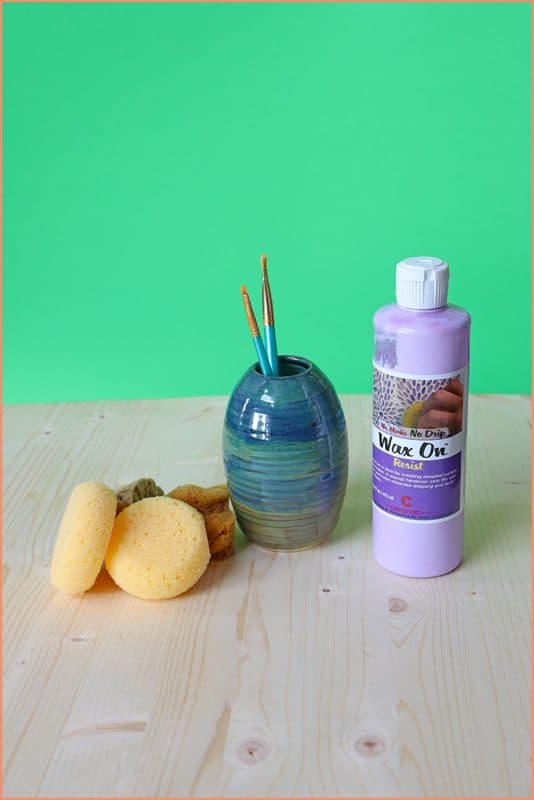
Now that you have all your personal protective equipment ready for use, the next step is preparing your ceramic objects for the glazing process.
Here are the tools and supplies you’ll be using at this stage of glazing your ceramics.
Sponges
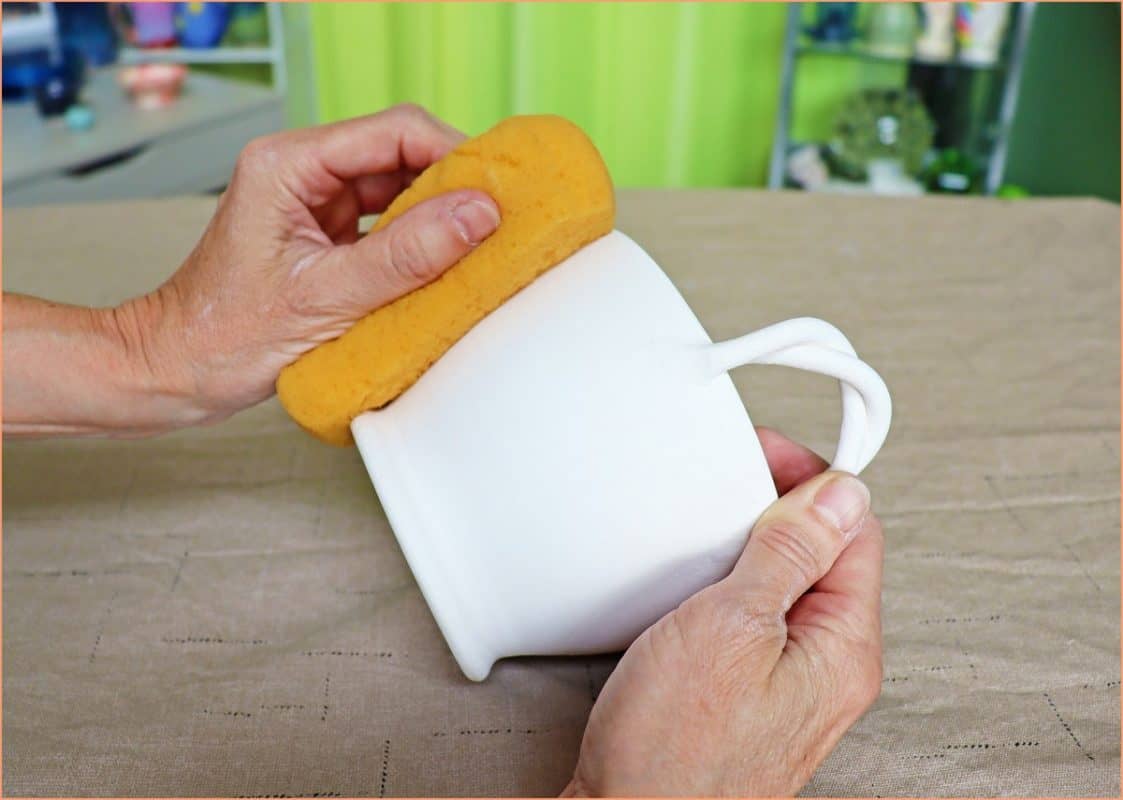
Sponges are used to wipe the ceramic clean. For the glaze to adhere properly to your ceramic, the object should be clean and free of dust.
Here are sponges used for hand-building and for throwing on the wheel.
Since you’ll be wiping the object frequently as you continue glazing, it’s best to have several sponges on hand. A pack of several sponges will do the trick.
Also, visit What Are Sponges Used for in Ceramics. When crafting Pottery you can never have too many sponges. Sponges can be used to apply and decorate glazes to produce a unique end result. Check out how to do that in this video:
How to Sponge Glaze Pottery
Wax Resist
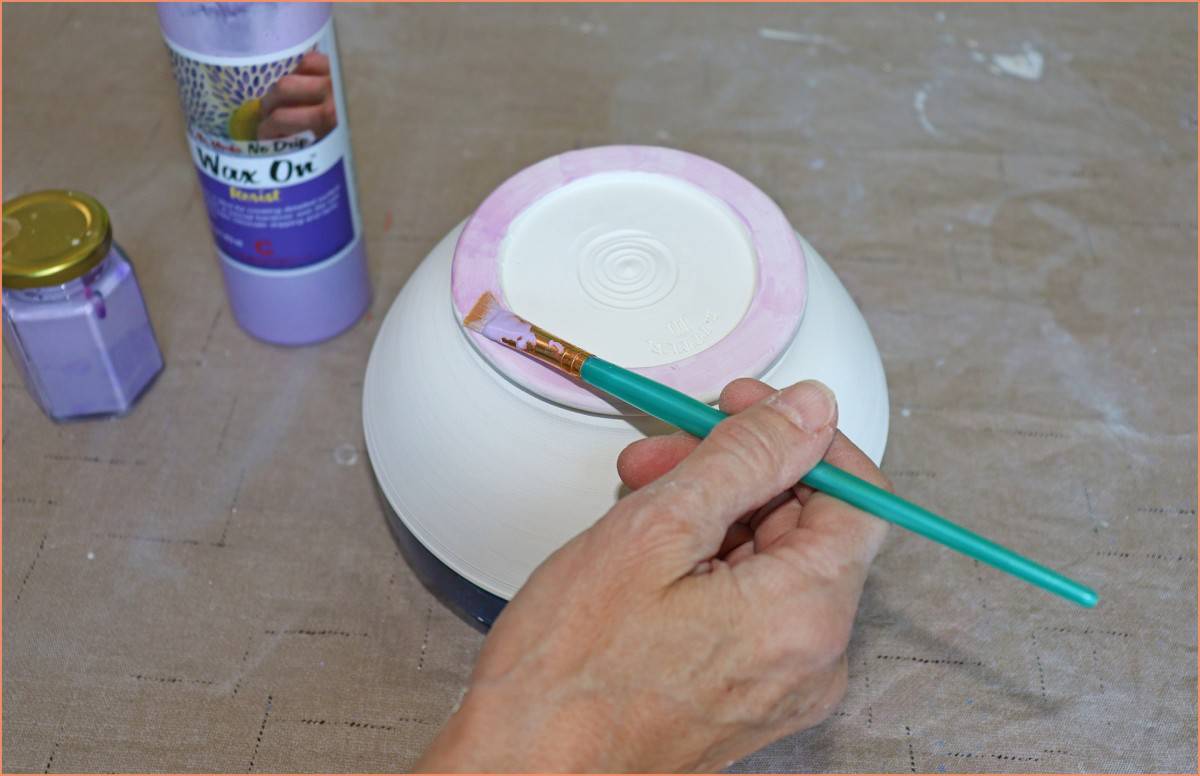
This is a liquid wax emulsion used to prevent glaze from sticking to specific parts of your ceramic.
The base of the bisque ware, for example, should be coated with wax resist to prevent the ceramic from sticking to the Kiln Shelf during firing. Secondly, apply wax resist to any areas that will come into contact with other ceramics in the Kiln, for example, the lid rims.
The wax resist can also be used to decorate bisqueware. Apply it to the desired area on the ceramic using a brush. Amaco Wax Resist – 16oz Bottle is one of the wax resists that produces great results.
For more information on wax resist, you can also visit Wax Resist Tips and What is Wax Resist Used For.
Glaze Supplies: Glaze, Additives, etc.
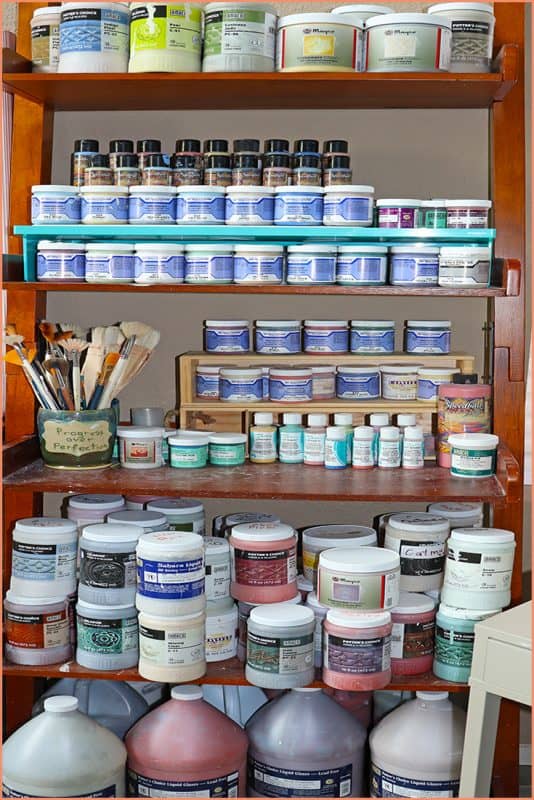
You can prepare your own glaze. Glaze preparation includes weighing the materials, sieving, and mixing. Or you can buy it ready-made.
Glazes and Underglazes
Glazes and Underglazes are mainly used for decorating Pottery. They come in different colors and have various properties. You can go for a Matte finish, a Satin appearance, or a Shiny glaze. Glazes can be food-safe (ideal for decorating tableware) or otherwise.
For a more in-depth look into the different types of Glazes, head over to my Best Glazes Page. There, you’ll get an overview of what to look for when buying glazes and a list of glazes you may want to choose from.
Suspendaid
Suspendaid is used to thin out your brushing glaze and make it more like a dipping glaze. This glaze additive also helps prevent the glaze from settling. The one on the market is Amaco Suspendaid.
Glaze Measuring Tools: Scale, Cups, Spoons, etc.
An important part of glazing is having the right measurements, especially for Glaze recipes.
Measuring Spoons
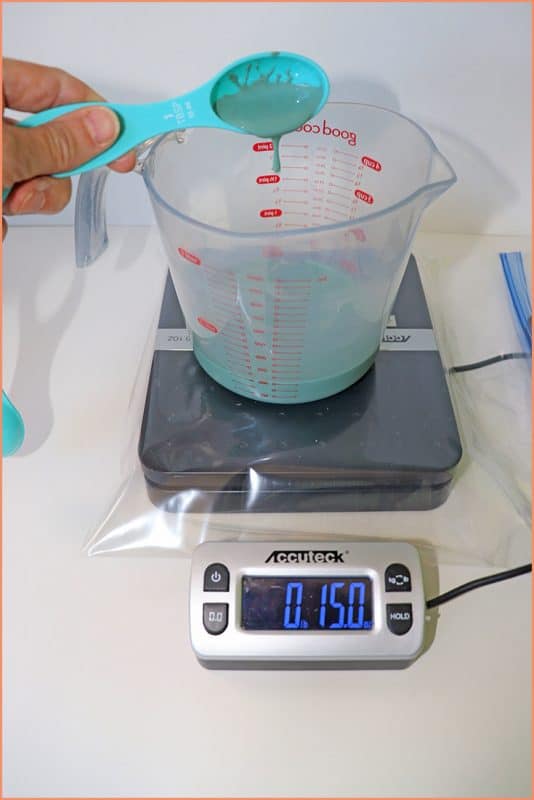
Measuring spoons are a good addition to your Pottery Studio. A set of different sizes, like Measuring Spoons: U-Taste makes measuring and mixing small portions of glaze additives much easier. The engraved size on each metal handle ensures they will never fade or become illegible.
Measuring Cup
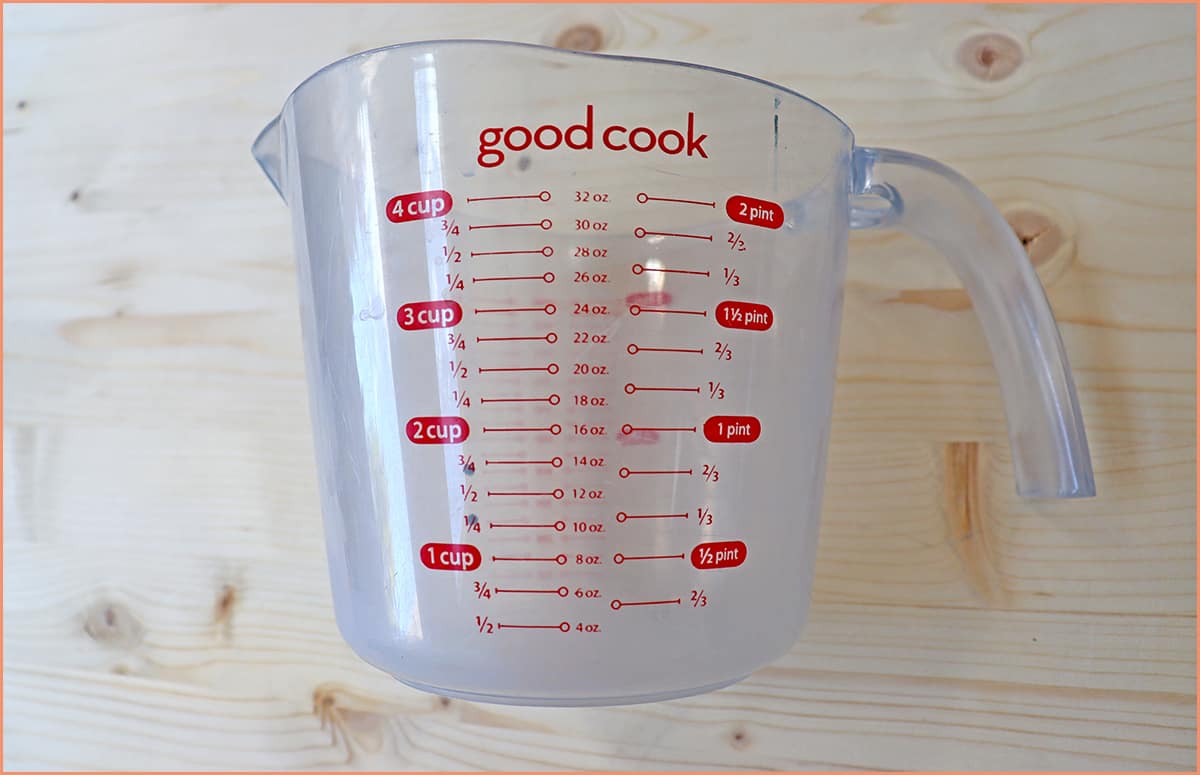
A measuring cup is used to measure additives and the glaze itself. There are different types of measuring cups you can easily buy at a store near you. But in case you’re wondering which one to get, just go for the Good Cook Measuring-Cup, 4-Cup. It’s quite sturdy and has clear measurement markings that hold up well.
Scoop
This is another tool that’ll come in handy during pottery glazing. A scoop helps measure the dry glaze and its ingredients. Rubbermaid Commercial Feed Scoop, 6 Ounce, Clear works well for this purpose.
Scale
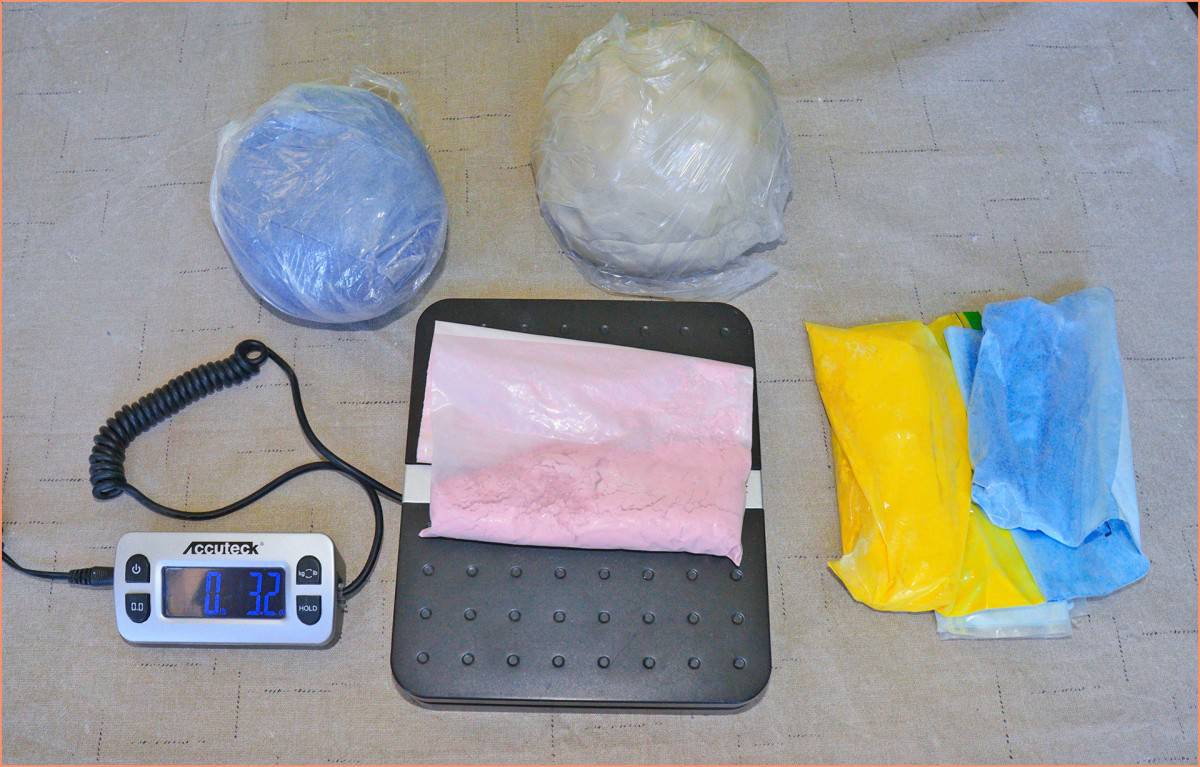
A weighing scale can be used in place of measuring containers to get the actual weight of, for example, dry glaze. Some potters even use the scale to measure the specific gravity of their glaze mixture. You can check out My Accuteck Ship Pro. Digital Scale
Glaze Mixing Tools: Bowls, Drills, Buckets, etc.
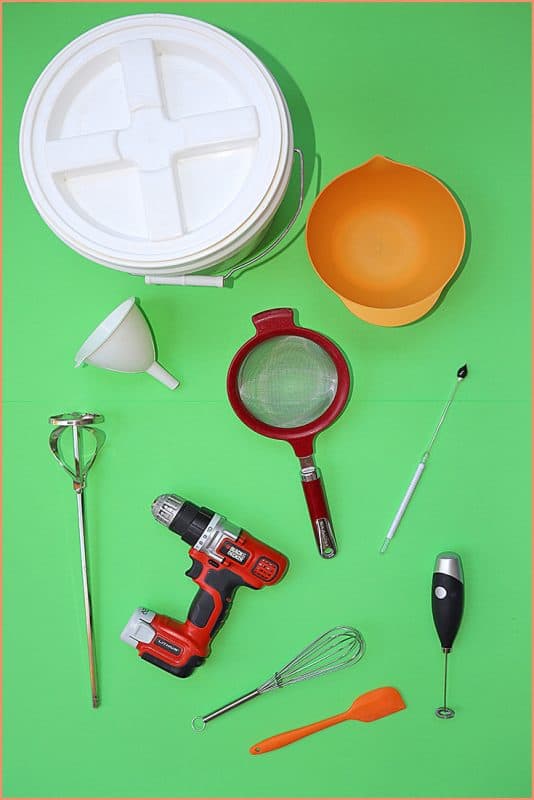
Buckets
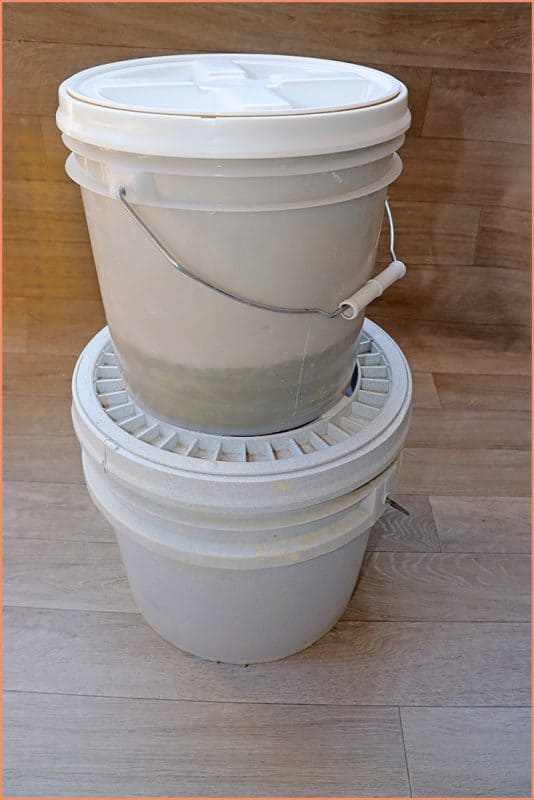
Buckets are a must-have in your ceramic studio. You can use them to mix the dry glaze, store your wet glaze for later use, and dip large ceramic pieces. A 2 Gallon Bucket & Gamma Seal Lid is a good size and ideal for storage because of its screw-on lid, which ensures it’s airtight. You can also get a larger size, the 5 Gallon Bucket & Gamma Seal Lid.
Bowls
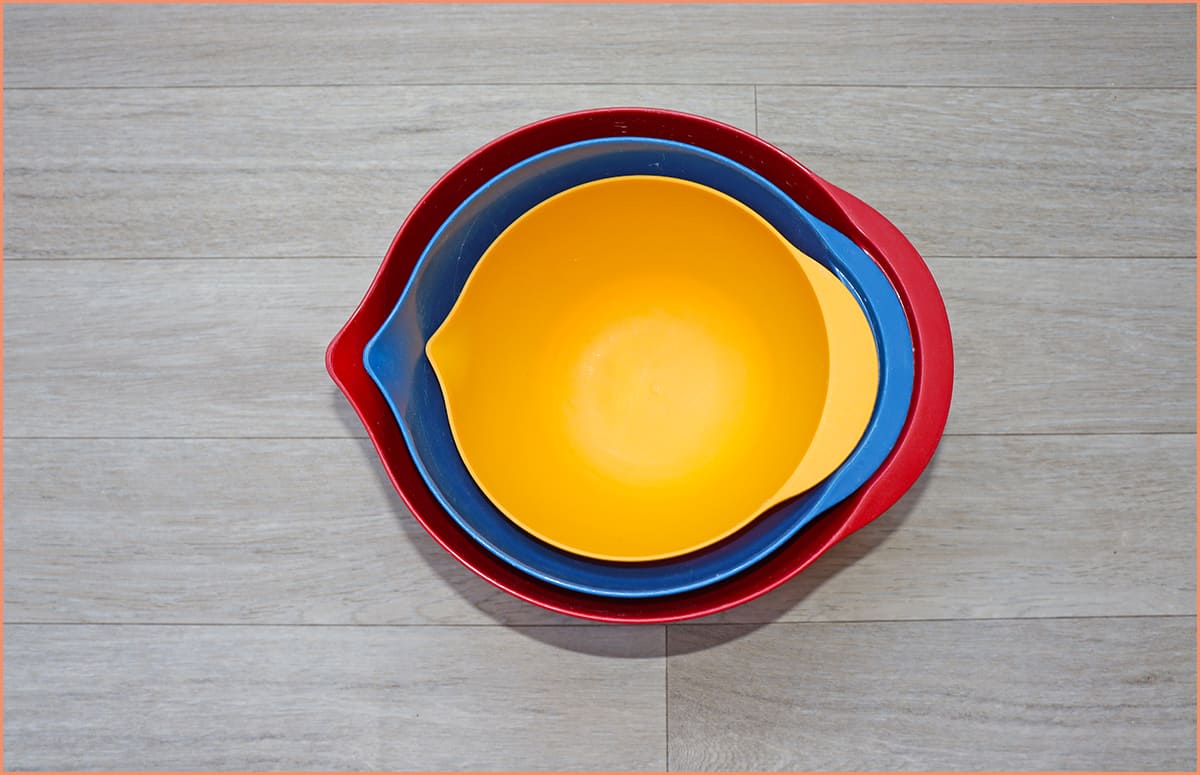
Potters also use bowls to mix smaller amounts of glaze. These wide, shallow containers can also serve you well when dipping tiny ceramics, such as mugs and decorative pieces. You can see the item clearly as you dip its sides into the glaze.
You can also use a bowl when glazing using the pouring technique. Position the object on a rack and place it on top of the bowl so that, as you pour the glaze over the ceramic, you can catch the excess and reuse it later. The 3-Piece Plastic Mixing Bowl Set can be used for this purpose.
Spatula
When mixing small amounts of glaze, a spatula is the best tool for stirring. An OXO Good Grips Medium Silicone Spatula is a great option. Its one-piece, seamless design makes it sturdy, so it won’t break easily and is easy to clean. The silicone material is also smooth, so no fear of scratching your bowl when scraping glaze from the bottom and sides.
Whisks
For easier mixing, whisks can be better for preparing your glaze than spatulas. Take, for example, the OXO Good Grips 9 -Inch Better Balloon Whisk. Whisking can also produce a more even glaze much faster.
Strainer or Sieves
To achieve an even and smooth glaze consistency, pour the glaze from the mixing bucket through a sieve or strainer into a second bucket. Using a rib or other tool, push the clumps through the strainer. You’ll also be able to catch and discard any debris from the glaze this way.
The IPOW Set of 3 Stainless Steel Fine Mesh Strainers comes in a set of 3 sieves of different sizes so you can use the ideal size depending on the amount of glaze you need to sieve.
Hydrometer
Once you’ve mixed your glaze or slip, you can measure its specific gravity using a hydrometer. Note the measurement for the ideal mixture, depending on the technique you plan on using to decorate. With this, you can achieve the same level of thickness each time you make your glaze; that’s why using a hydrometer is so convenient.
Thermco Plastic Specific Gravity Hydrometer is a plastic hydrometer with glass-like clarity and is shatter-proof. You can try it out during your next glazing session.
Funnel
A funnel is a simple yet helpful tool. Use it to pour glaze while preventing spills. No-Pro Plastic Funnel, Set of 3 is a basic set that you can use.
Drill
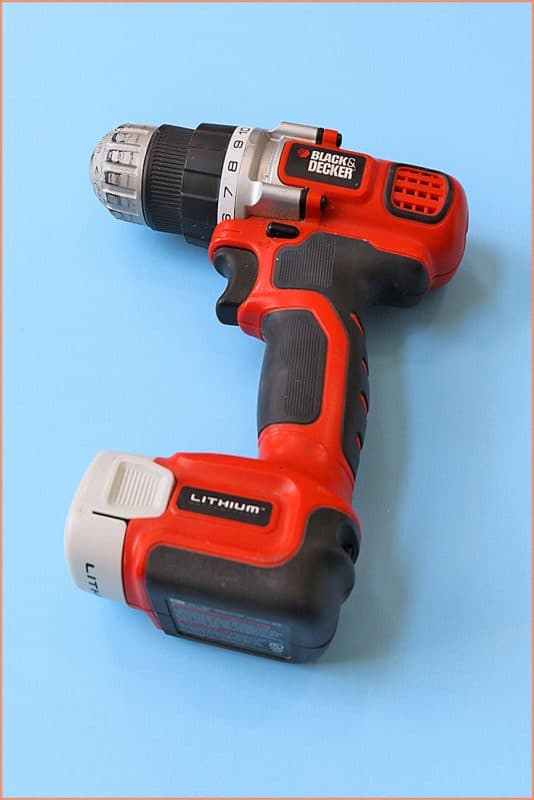
You can use a drill to help mix glaze and produce a smooth, even glaze. You just need to secure a drill bit in place and begin using it to mix your glaze. Black+Decker 20V Max Cordless Drill is a rechargeable drill that’s comfortable and efficient to use.
Drill Attachment

Join the drill attachment to the tip of the drill above and use it to mix the dry glaze. Check out this Paint and Mud Mixer.
Glaze Mixer Pint Bottle Mixer
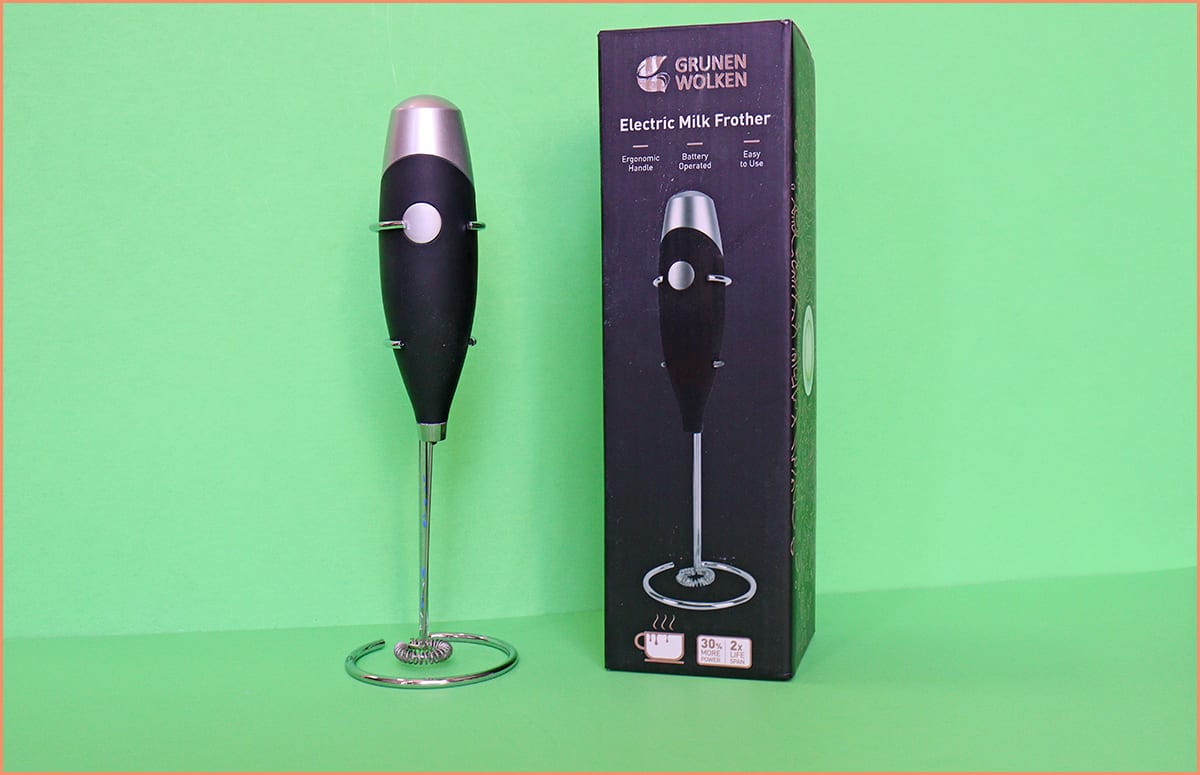
This Handheld Milk Frother is a mixer is used when preparing glaze to reach the desired consistency and create an even mixture.
Glazing Work Surfaces
To comfortably work on your pieces and create the decorations you desire through glazing, a spacious work surface is essential.
Worktable
Your work table should be at a comfortable height so that you’re not hunching over when working or straining to reach your objects if the table is too high.
If you prefer a lightweight, easily portable table, check out this Height-Adjustable Craft Folding Table.
Adjustable Height Tabletop Riser
This is like a stand-alone desk whose height you can adjust according to your preference. When placed on a table, you can glaze your pottery while sitting or standing. Such convenience and flexibility are great, especially when working on your ceramics for a long period of time.
FlexiSpot Height-Adjustable Stand-up Desk Riser is a great option for achieving this setup. It’s easy to adjust the height using just a single handle. And its work surface is spacious enough so your pottery can fit.
Banding Wheel

This is another surface you can use for applying the glaze. The wheel surface can spin, so it’s easier to turn and reach different sides of the pottery to glaze.
For a well-designed and sturdy banding wheel, go for the US Art Supply Large 12″ Diameter Banding Wheel. Also, see my Smaller Shimpo- Nidec Banding Wheel for your glazing needs.
Glaze Application Tools: Tongs, Brushes, Tape, etc.
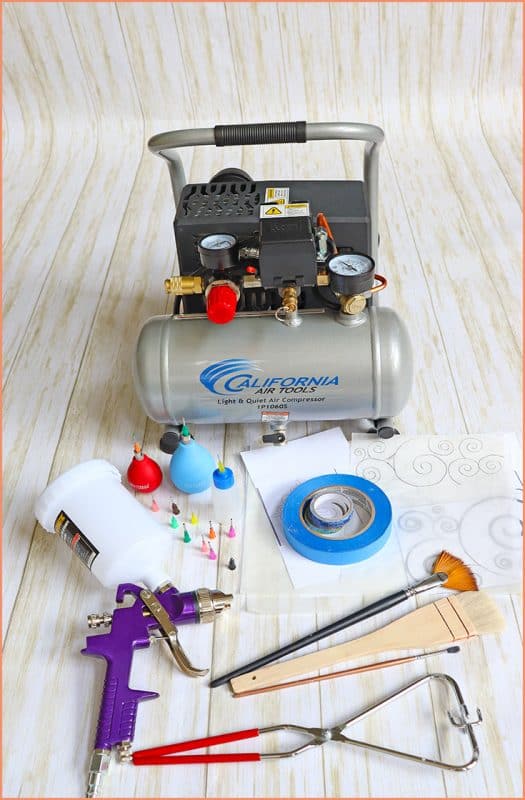
With your bisqueware and glaze ready, now you can begin the glaze application process. There are several techniques and tools that can make your work easier while producing beautiful decorations.
For each technique, there are a number of tools you’ll need to use:
Dipping Tongs
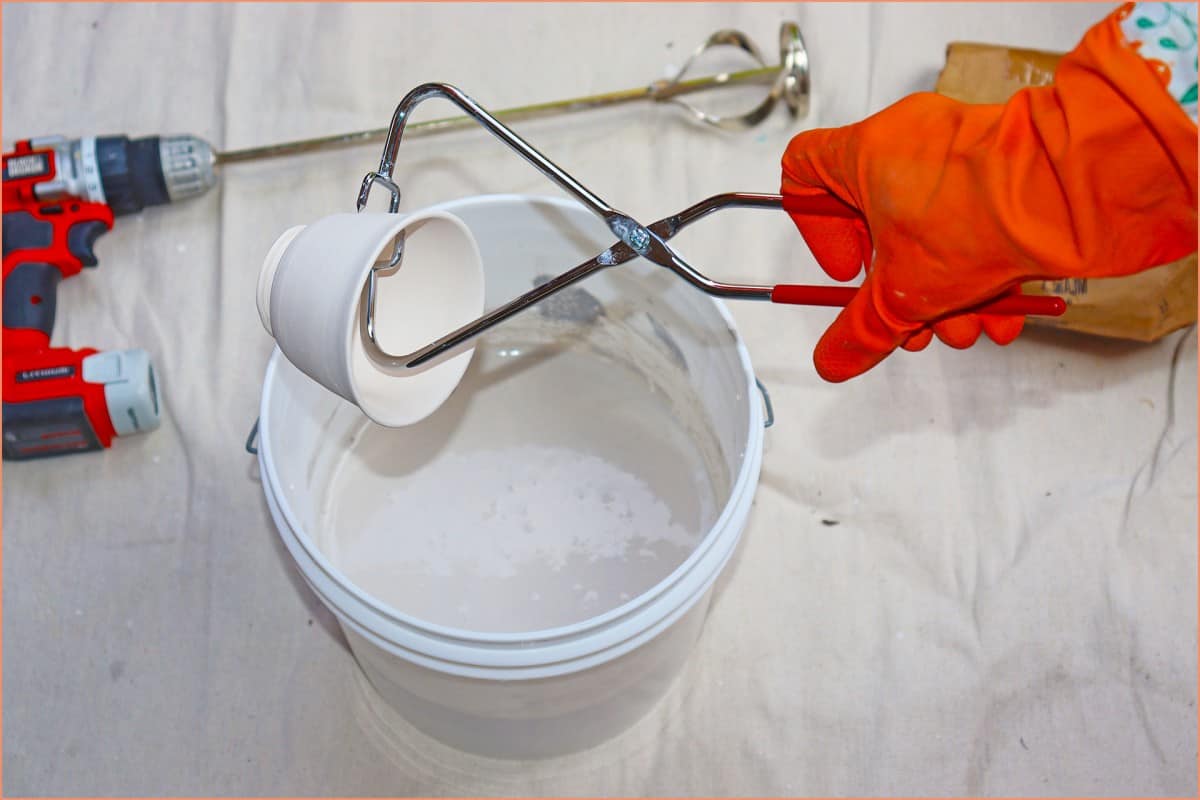
For the dipping technique, you need a pair of dipping tongs. These help you hold the ceramic in position as you dip it into the glaze. The tongs I use are these strong and sturdy Dipping Tongs.
Brushes
Brushes are a must-have in your clay studio. These come in handy on different occasions. You can use brushes to apply wax resist to your pottery or use them to apply the glaze. To achieve different looks, use a variety of brush types and designs.
For further information on brushes, check out our Best Glaze Brushes page.
Glaze Bulb Applicator Squirt or Trail
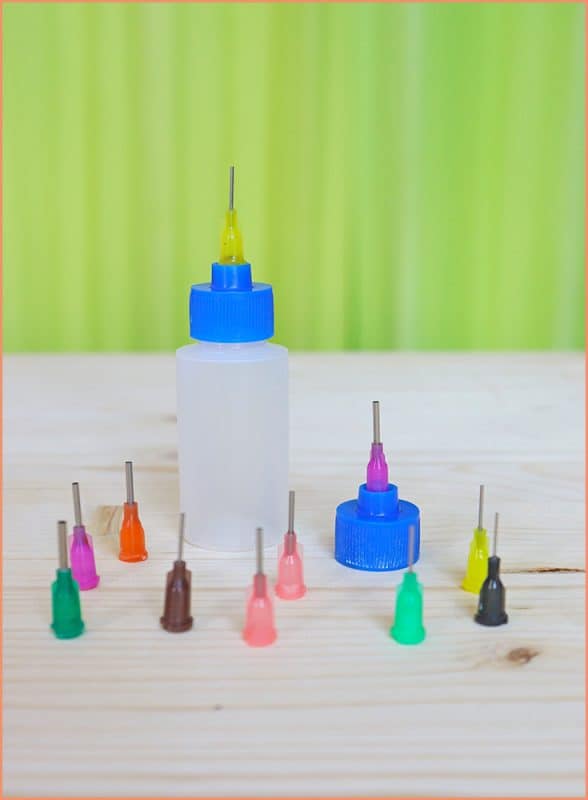
For a finer, more linear decoration on your bisqueware, a glaze bulb applicator is what you need. AMACO 18 Gauge Underglaze and Mixed Media Applicator is a high-quality, airtight applicator that keeps your underglaze from drying out in the middle of your glazing.
Slip Trailing Applicator
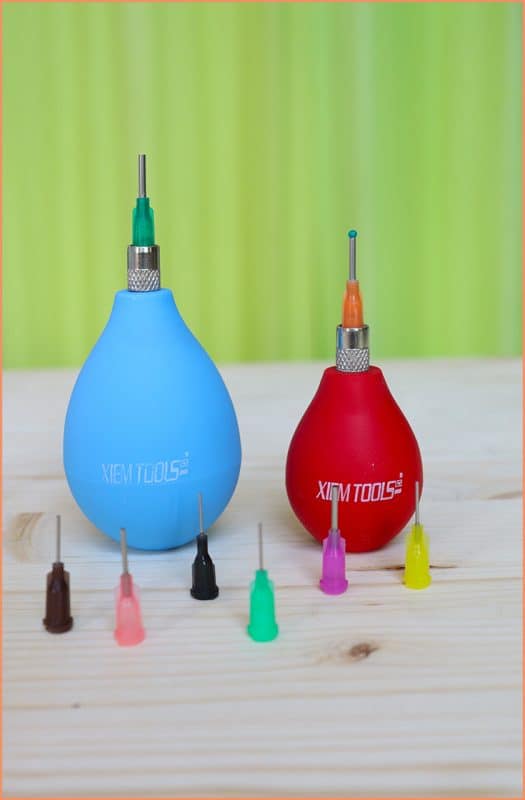
A slip-trailing applicator is used to apply slip for decoration. If you’re a fan of slip trailing and enjoy creating decorative lines and raised textures, get yourself a 3-oz Blue Xiem Applicator or the smaller 1-oz Red Xiem Applicator. It’s lightweight and comes with three applicator tips of different gauge sizes so you can vary your designs.
For more information on ways to use Applicators, go to Tips for Slip Trailing and Glaze Trailing to get some fun decorating ideas.
Glaze Spray Gun
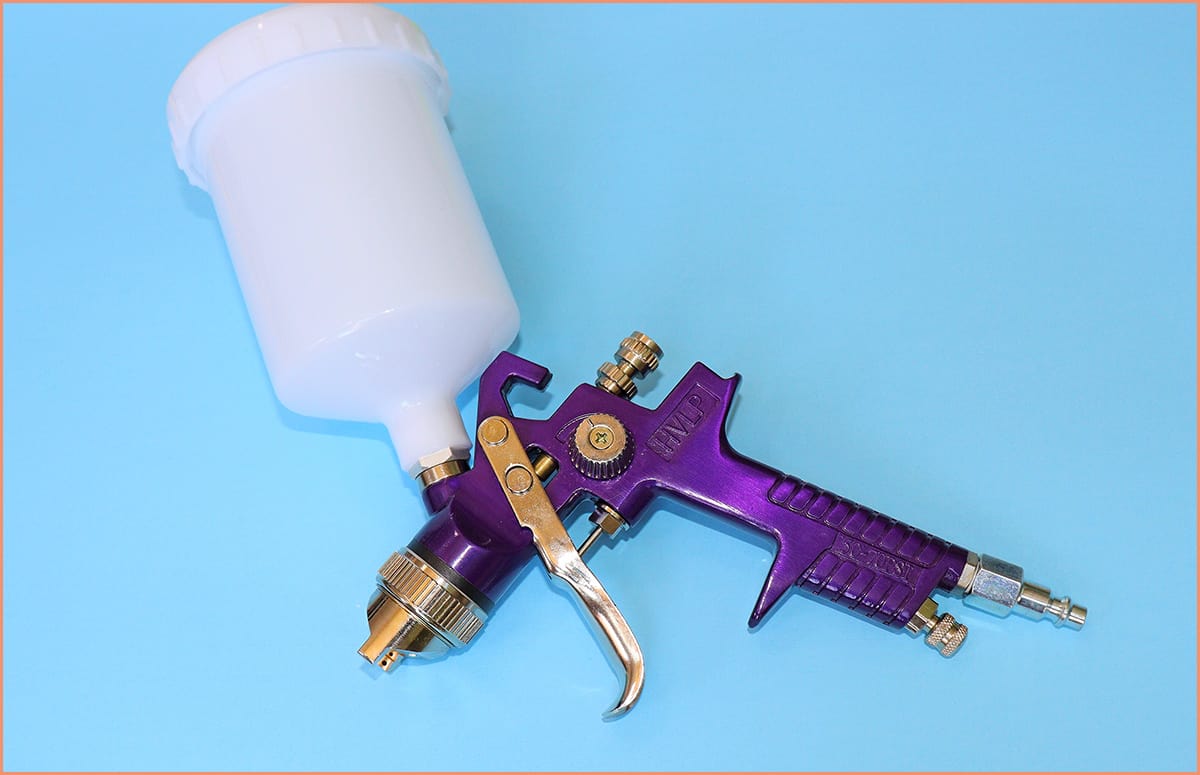
This is used to apply glaze and underglaze using the spraying technique. Central Pneumatic has one of the best spray guns. Get one if you want to try spraying or if you’re already a pro at it.
Air Compressor
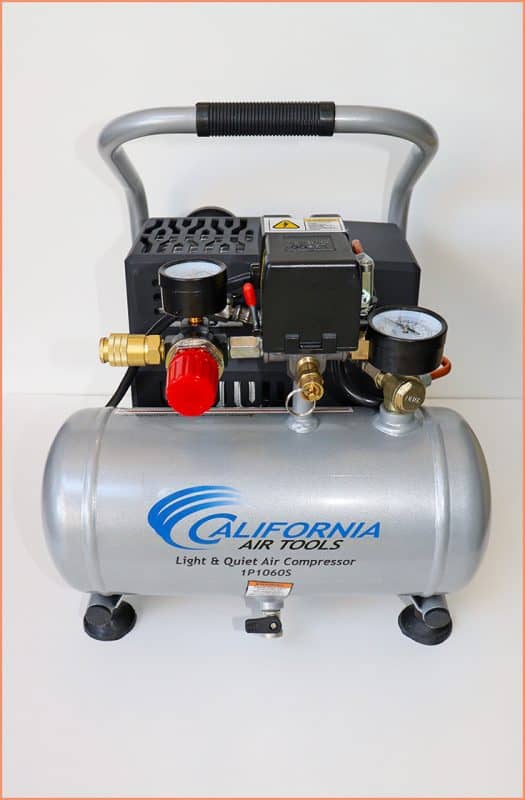
To power a glaze spray gun, one can use an air compressor. This power tool creates pressurized air and pushes it to amplify the spray’s force.
For a portable, lightweight, and quiet air compressor, use the California Air Tools Air Compressor.
Spray Glazing Booth
A spray glazing booth is used for safety purposes. It helps contain glaze particles, especially during spraying, and prevents them from floating around the room. But even with this booth, you should still wear your other personal protective gear, e.g., a mask, gloves, and safety goggles.
Master Airbrush Brand Lighted Portable Hobby Airbrush Spray Booth offers convenience because it’s portable and can be moved to whichever spot you’re doing your glazing.
Transfer or Stencil Paper
You can use these transfer and stencil papers to create more designs for decorating your ceramics. Wangday Carbon Paper, Large-Size Black Graphite Transfer Tracing Paper, comes in a pack of 200 sheets and works great for this decorating technique.
Masking Tape
Masking tape is a great tool for decorating bisqueware. The tape acts as a resistor, so the area masked does not catch the glaze. You can create interesting patterns on your ceramic objects this way.
Another benefit of using masking tape for decorating is that it’s widely available—for example, in Blue Painters Tape. You can get your multi-size pack and use it to expand your creative designs.
Glaze Firing Equipment
With your bisque ware well-decorated with glaze, your next step is to fire the glaze.
Kiln
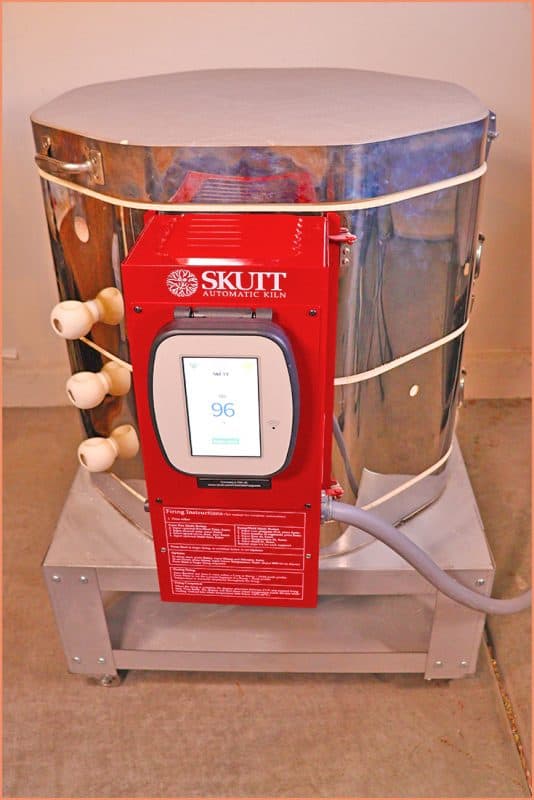
You can use your own kiln if you have one, or rent space at publicly accessible kilns near you. This will take at least 24 hours, depending on the kiln size and the load’s level of fill.
Thinking of getting your own Kiln? To get more information before you decide, read this article on Choosing an Electric Kiln
Glaze Removal Tools
You’re now almost done. Here are the supplies you may need for the final touches of your pottery glazing.
Wheel Attachment Grinding Stone
To grind and smooth out the bottoms of your ceramic pieces, a wheel attachment grinding stone does a great job. The Diamond Core Tools 12″ Diamond Grinding Disc is especially preferred because its diamond grit has a higher hardness rating than even silicon carbide abrasive.
When using a grinding stone, always remember to observe all safety precautions, such as wearing goggles. Also, use the stone with water to maximize tool life and minimize dust flying around.
Handheld Rotary Tool Glaze Removal Grinder

This tool is the best for grinding off the sharp edges of your ceramics. You can also use it to remove cookies and grind off glaze on the bottom of objects. It’s quite convenient, comfortable, and safe to use. The WORKPRO12V Rotary Tool Kit is a tool grinder that performs quite optimally. It also comes with 114 accessories. Watch my YouTube video about grinding off glaze to see how well a handheld grinder works.
Conclusion
Pottery has quite a collection of tools for various processes. When looking for tools and supplies for your pottery glazing, consider the steps you’ll be taking from start to finish. Get tools to make your work easier and help you achieve your desired designs.
Equipment that makes up your personal protective gear is a must-have to ensure your safety. Then, get the essential tools for preparing your bisqueware and for measuring, mixing, and applying the glaze. And finally, have tools for firing and making the final touches to your ceramic.
With that, I hope you enjoy your pottery glazing process.