
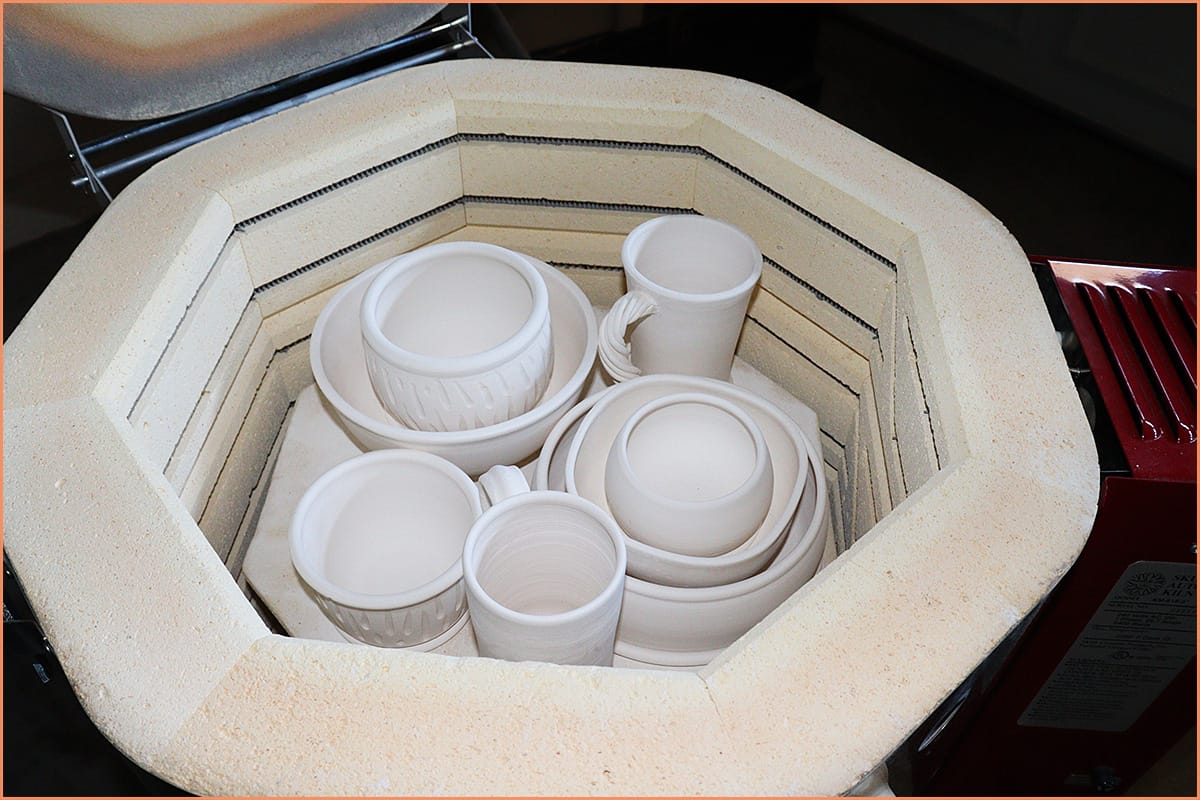
What Temperature Do I Bisque Fire Pottery Clay To?
The bisque firing, also known as biscuit firing, can be achieved at different temperatures. However, learning about the temperatures and kiln products can be confusing. One of the most common challenges people face is not knowing what temperature to use for the first clay firing.
Bisque fire temperatures can range from 1728 ℉ (942 ℃) Cone 08, to 1945 °F (1063 °C) Cone 04. Most Potters bisque fire to 1828 °F (998 °C) Cone 06 or 1945 °F (1063 °C) Cone 04. I’ll go over the differences in bisque firing temperatures and why they are used.
Since potters bisque fire at different kiln temperatures, you might be wondering what temperature you should use to bisque fire your pottery clay. By the end of this article, you’ll be able to decide what temperature is best for your needs.
Affiliate Disclaimer: We are ambassadors or affiliates for many of the brands we reference on the website. As an Amazon Associate, I earn from qualifying purchases.
What Temperature Is Used for Bisque Firing?
The most popular temperatures used for bisque firing are 1828 °F (998 °C) Cone 06 and 1945°F (1063 °C) Cone 04. This is due mainly to the compatibility of the manufacturer’s pottery glazes with the bisqueware.
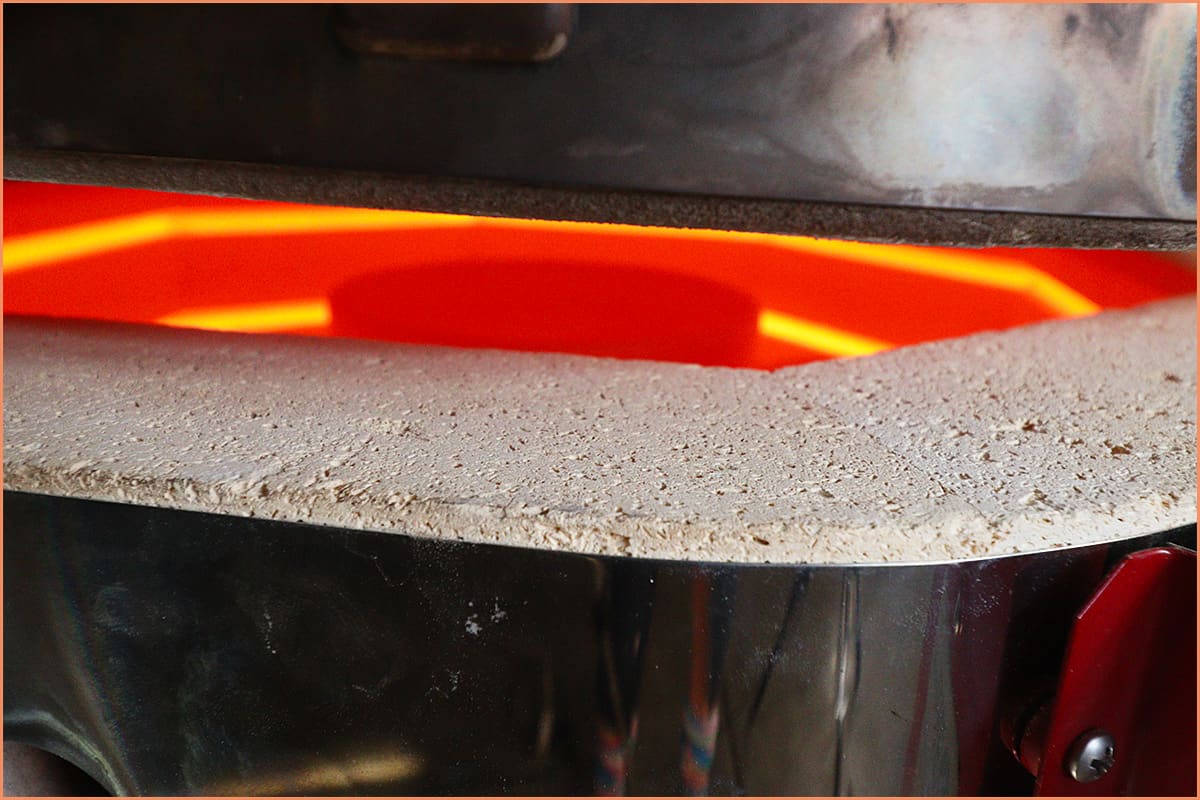
Some potters bisque fire at a lower temperature of 1728 ℉ (942 ℃), Cone 08, with good results. This may require test-firing or making your own glazes.
What Is the Difference Between Cone 06 Firing and Cone 04 Bisque Firing?
One of the main purposes of bisque firing is to make the glaze application easier. The difference between Cone 06 and Cone 04 is in the strength and porousness of the ceramic material. This can be an important distinction to make when deciding on the temperature for bisque firing.

Cone 06 Bisque Firing
Firing at a lower Cone 06 temperature of 1828 ℉ (998 ℃) will create a more fragile piece with a higher porosity. If you are looking for a less durable but more porous piece, Cone 06 is the best option.
Cone 04 Bisque Firing
Because Cone 04, 1945 °F (1063 ℃), is fired at a higher temperature, it results in a stronger, less porous ceramic material. Therefore, if you are looking for a fired piece that is more durable, cone 04 is the best option.
Can You Bisque Fire to Cone 08?
This is an important question, as it can help you to achieve the results you’re looking for with your pottery. But, of course, it depends on the clay body you’re using and the results you’re looking to achieve. Cone 08 at 1728 ℉ (942 ℃) will produce a more fragile, porous ceramic material.
You may want to bisque fire at Cone 08 to be more energy-efficient or for the glaze to absorb into the ceramic more. However, be careful, as the glaze may absorb too much into the ceramic material’s pores. If you’re unsure if Cone 08 is the right temperature to use, you can always work your way up. This will allow you to find the right temperature for your needs without over-firing your pottery.
Kiln Temperatures and Cones
Pyrometric cones, or witness cones, are essential for monitoring kiln temperature. They let you know if you’ve reached the right temperature for the pottery. For example, when the cone melts and bends over to a 90-degree angle, you know the kiln has reached the proper temperature.

The placement of pyrometric cones is essential to ensure an accurate firing. This process will help you identify if the kiln elements are firing correctly in your electric kiln.
You should use cones at the top, middle, and bottom kiln shelves. Place them near the peepholes and take a brief look through your protective glasses to assess heat buildup and your kiln’s performance.
Placing the cones in three different areas of the kiln tells you if the top of the kiln is firing hotter than the bottom and if there is any uneven heating. This will help you monitor your kiln temperature and ensure your pottery fires evenly at the correct temperature for the best results.
Bisque Temperature and Rate of Speed Firing Schedule
Your firing Schedule is the time it takes to get to your desired temperature. The firing rate of speed goes hand in hand with your firing temperature. Therefore, the time required to reach the correct temperature is essential for achieving the desired results.
It is recommended to bisque fire at a slow speed. If you fire faster, the release of chemical water in the clay could cause the pottery piece to crack or even explode. Firing more slowly allows the water vapor and gases to escape from the clay.
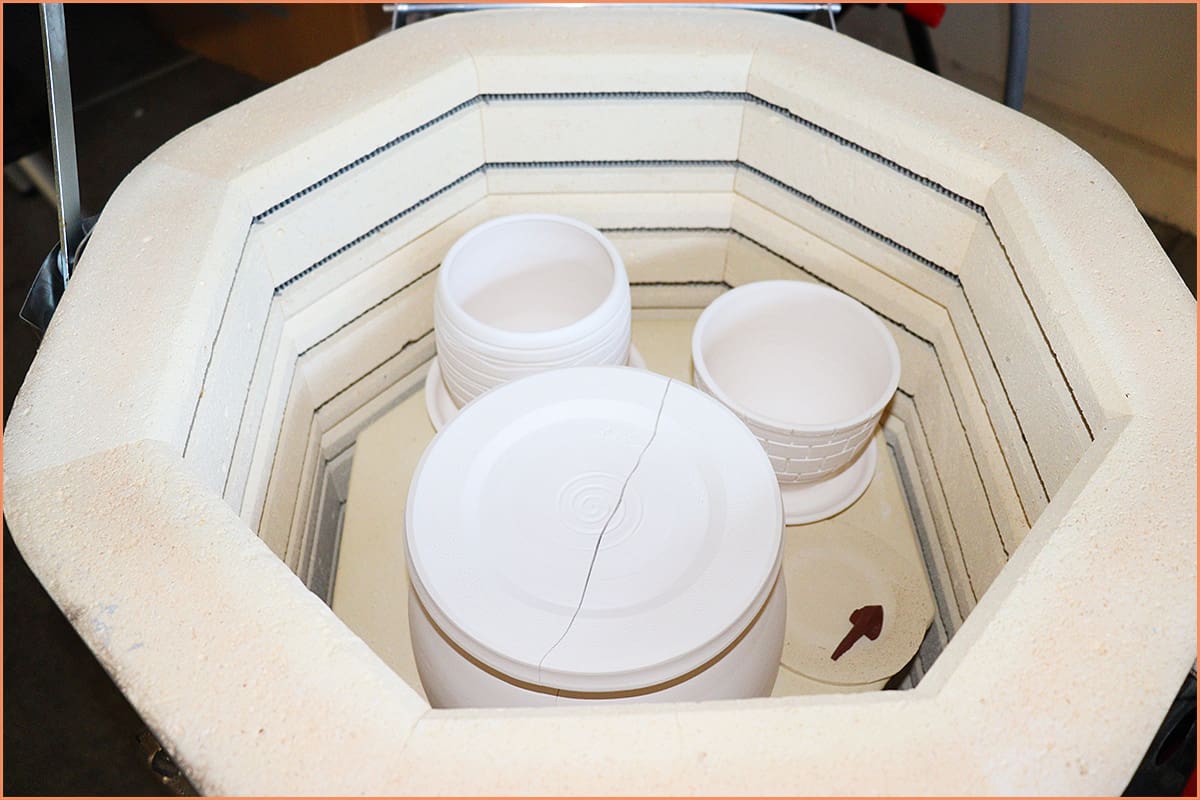
For example, firing at a higher temperature at a slower rate is better for darker clay bodies, while firing at a lower temperature at a medium rate may work for white clay bodies. Therefore, while it is common practice to fire at a medium speed, a slow speed is still recommended.
How Long Does It Take to Bisque Fire Your Pottery to Cone 04
Programming the kiln to run at Cone 04, 1945 °F (1063 ℃), at a slow rate will take around 14 hours to reach temperature. Then, at least another 12 hours to cool down the kiln to room temperature (depending on the thickness of the kiln bricks).
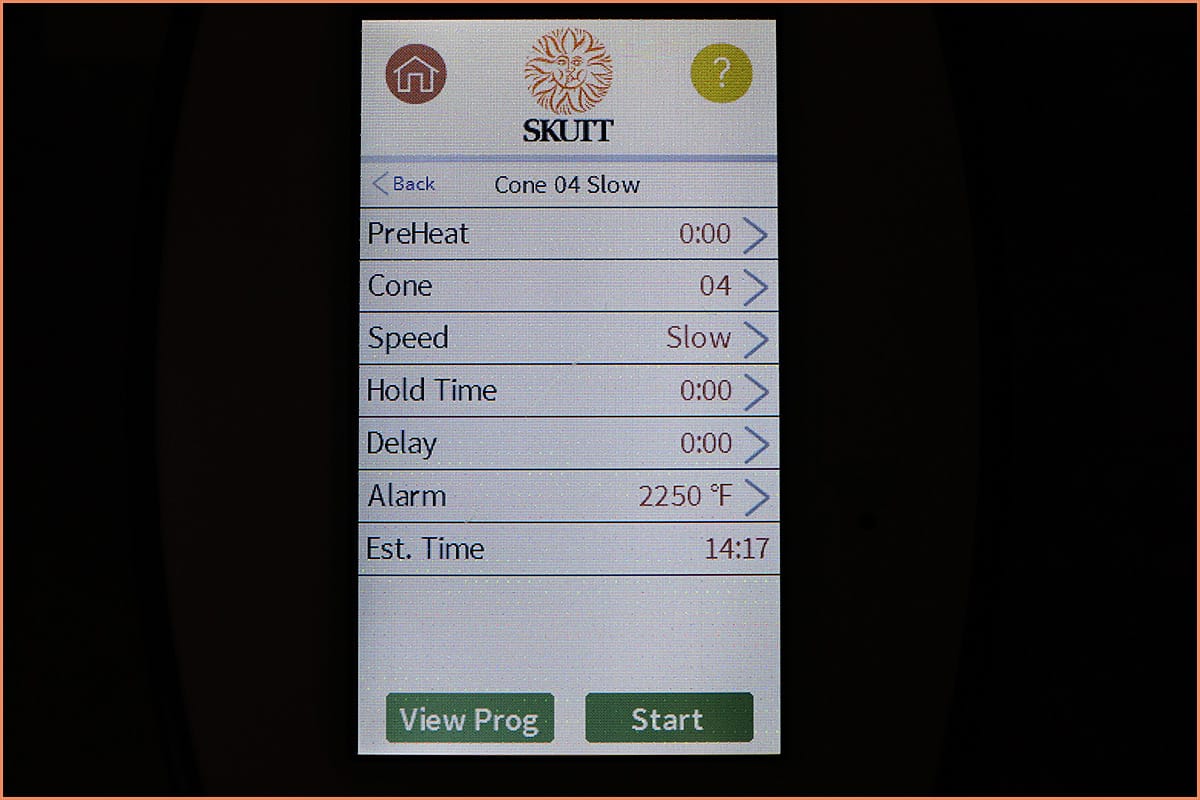
Firing at a medium rate of speed will take around 7 ½ hours plus cool-down time. Although medium speed takes less time and is more energy-efficient, the organic materials may not have enough time to be entirely eliminated from the clay.
How Long Does It Take to Bisque Fire Your Pottery to Cone 06
Programming the kiln to run a Cone 06, 1828 ℉ (998 ℃) at a slow rate of speed will take around 13 hours to fire to temperature, with at least another 12 hours to cool down the kiln to room temperature (depending on the thickness of the kiln bricks).
Medium speed will take around 7 hours plus cool-down time, which may not be enough time to eliminate the natural materials.
Can You Fire At a High Rate of Speed?
It is not recommended to fire at a high rate of speed. This will not allow all the gases to be eliminated from the clay, plus it can cause the clay to crack. As they say in pottery, slow is the safest way to go. The high rate of speed is used for overglazes and jewelry, which are fired at a lower temperature.
The Difference in Bisque Firing Temperatures for Different Clay Bodies
When searching for the best bisque fire temperature, it’s important to consider what clay body you are using to properly turn the clay into ceramic material.
Different clay bodies may require different cone temperatures for bisque firing. Therefore, bisque firing is not as much about the type of clay (like stoneware or earthenware clay) but more about what is in your clay body.
With a darker clay body, you will have more organic materials that need to burn off. Therefore, you should fire to 1945 °F (1063 ℃ ) Cone 04 at a slow speed. The higher temperature and slower firing allow the gases to escape.
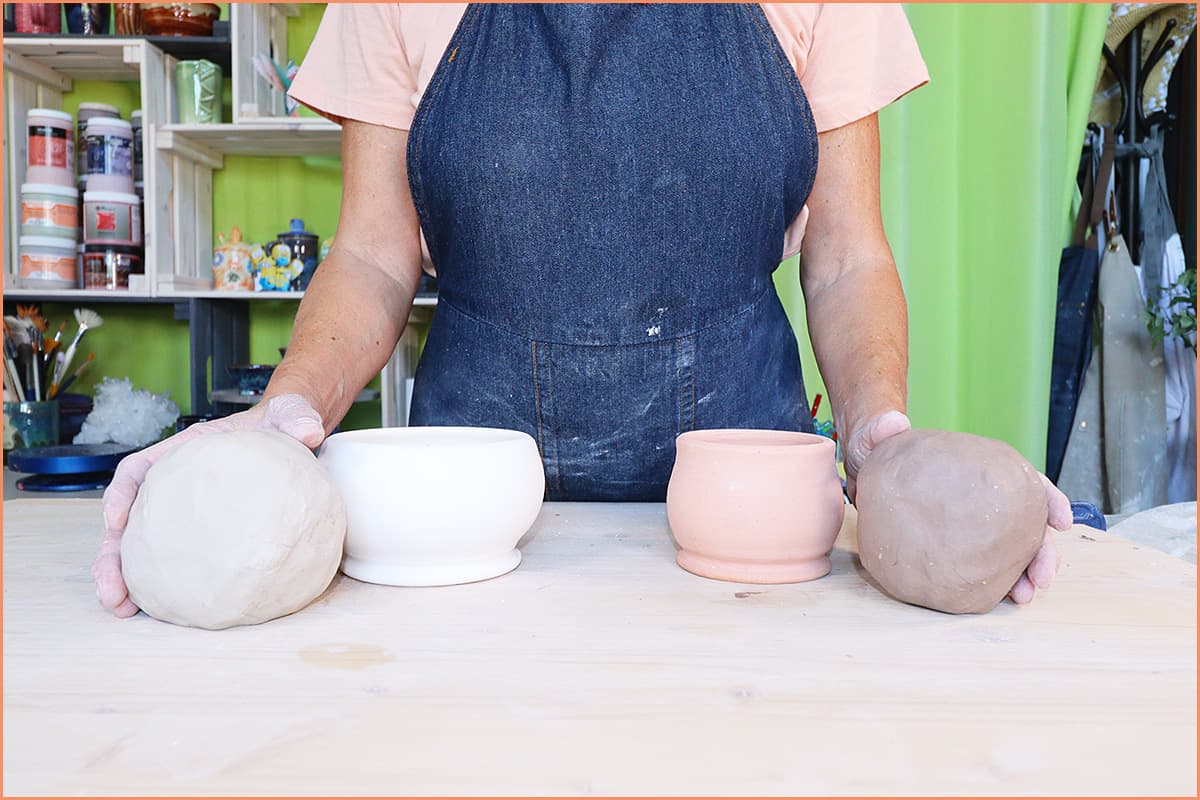
Lighter clay bodies, such as Ball clays and porcelain clays, do burn cleaner. In addition, because these clay bodies contain fewer organic materials, they can be fired successfully anywhere between 1828 ℉ (998 ℃) Cone 06 and 1945 °F (1063 ℃) Cone 04 at a slow or medium speed.
When I use Amaco #11 Stoneware White Clay, I fire at a medium speed to 1945 °F (1063 ℃) Cone 04. And when I use darker clays like Amaco Buff No. 46 Stoneware Clay, I slow-fire to 1945 °F (1063 ℃), Cone 04.
Also, many clay companies state the best bisque fire temperature for a particular clay. Be sure to read the full clay description.
What Happens if You Bisque Fire Too High?
If you bisque fire too high, the clay will become harder, and the ceramic’s pores will start to close. This can make it difficult to glaze your pottery. You can still glaze, but the glaze will take a long time to dry and may not adhere as well to the ceramic material.
A friend of mine fired to Cone 6 instead of Cone 06. Luckily, her glaze fire turned out just fine. It is similar to Reglazing your Pottery.
What Happens if You Bisque Fire Too Low?
The clay may be a little too porous and absorb too much glaze. It will also be more susceptible to breaking. In general, it is better to under-fire than to over-fire your pottery. This will give you a better chance of getting the right temperature without damaging your pottery.
Why Is It Important to Bisque Fire Your Clay?
While Single Firing your Clay is still done, most potters use this two-step firing process to ensure better results.
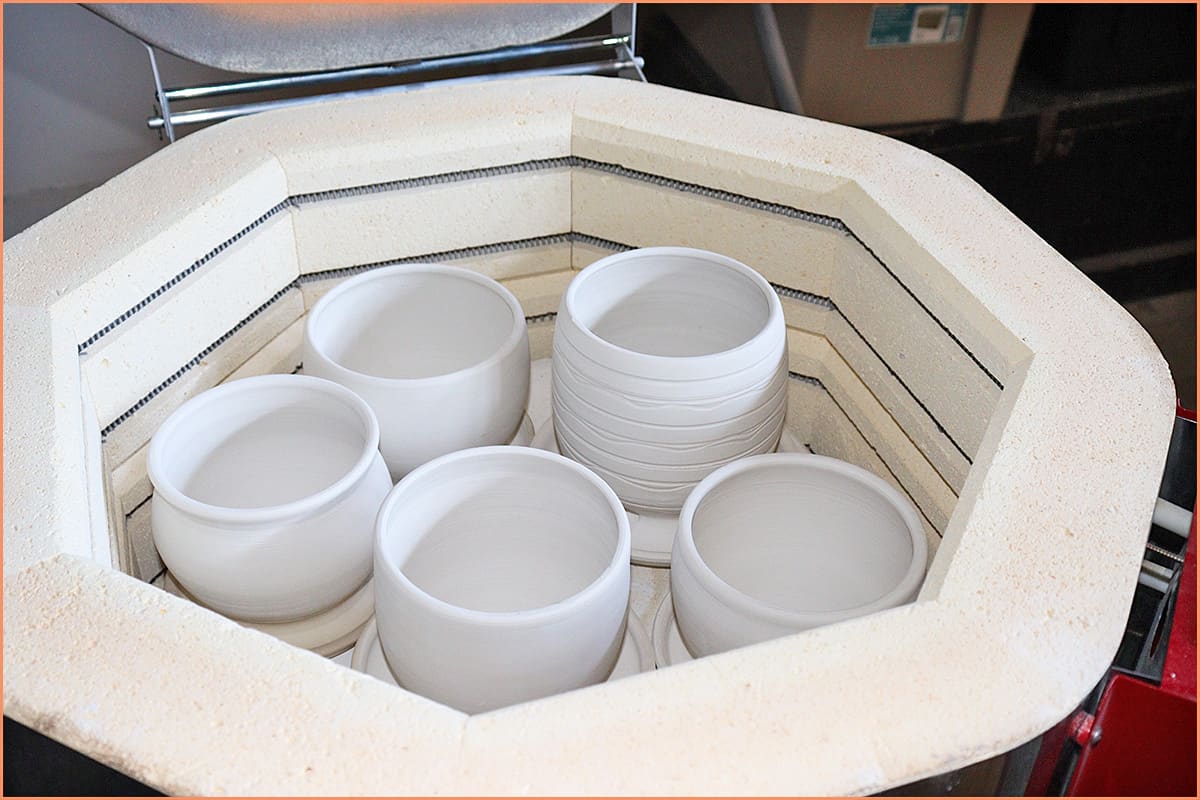
Bisque firing is important because it hardens the clay, turning it into a ceramic material, making it easier to work with when glazing. It also helps to remove any organic materials in the clay, which can cause problems during the glaze firing process.
Conclusion
Overall, the firing temperature you choose for your pottery will depend on the type of clay you’re using and the results you’re hoping to achieve. Different clay bodies require different temperatures, so it’s important to find the right one for your needs.
If you’re not sure what temperature to use, it’s a good idea to start with a lower temperature and work your way up. This will give you a better chance of finding the right temperature for your pottery. Again, experimentation is the best way to find out what works best for you and your pottery.