
Pottery Clay Dust – How to Minimize it
Making pottery is much safer in the 21st century. From making kilns safer and easier to operate, to having better ventilation through technology, and even taking the lead out of Glazes.
Clay is non-toxic, but you still have to be aware of the organic elements in it. Clay is safe to play with when wet, but not after it dries. Knowing you can’t eliminate clay dust completely, minimizing the amount of dust is the best way to play with clay.
Affiliate Disclaimer: We are ambassadors or affiliates for many of the brands we reference on the website. As an Amazon Associate, I earn from qualifying purchases.
Wedging Board and Clay Board
If your wedging board is plaster-covered with canvas or wood-covered with canvas, dry clay gets trapped between the canvas and the board. Be aware that slapping or slamming the clay down on your board will kick up clay dust.
If you are hand-building on a canvas or a clay board, you may also kick up dust while working.
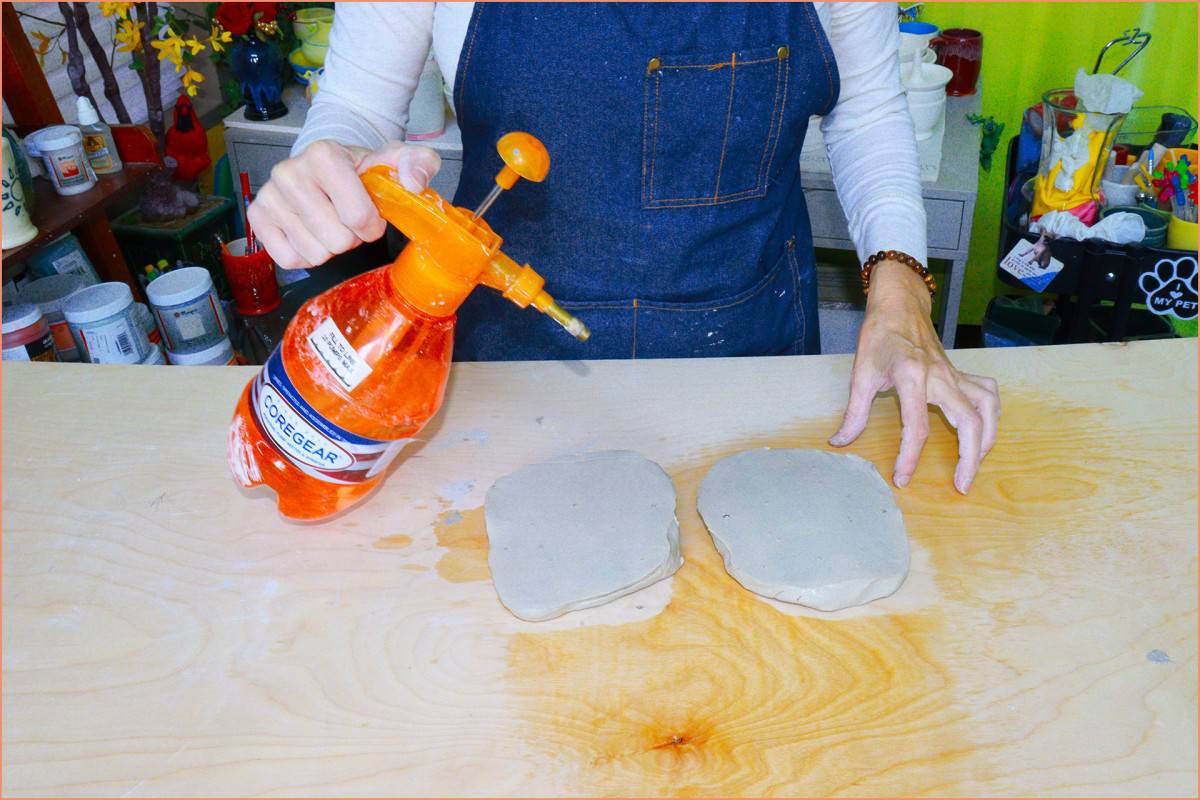
Have a Spray Bottle handy. This Mister Pump Spray Bottle is great to have in the studio. The mist does a great job of keeping the dust down.
When you have dry clay in your studio, it’s wise to spray it down and wipe it with your wet rag or sponge instead of brushing it off.
Washing the canvas board down with water afterward would be best. If your canvas board is portable, taking it outside and hosing it down is ideal.
Sanding your Pottery
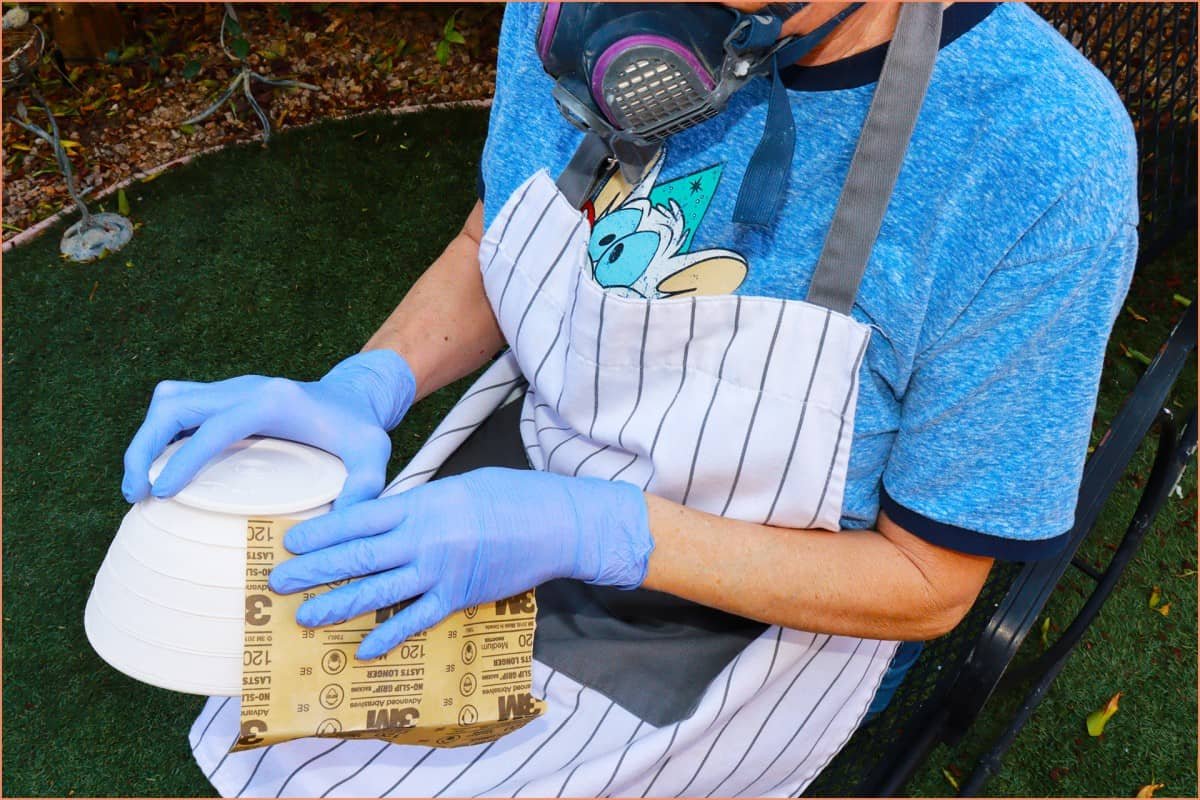
It’s best not to sand your pottery indoors because sanding creates too much dust. The particles are very fine when you sand. Therefore, the dust will hang in the air longer.
If you have to sand your pottery, go outside. If you can’t go outside because of rain, sleet, or snow, use a mask or wet a sponge and rub the areas that need sanding. This technique works rather well.
Mixing Dry Clay with Water
When you’re new at pottery, you go through a lot of practice clay. You will want to Recycle your Clay. When you recycle the clay, you may dry it out completely before rehydrating it.
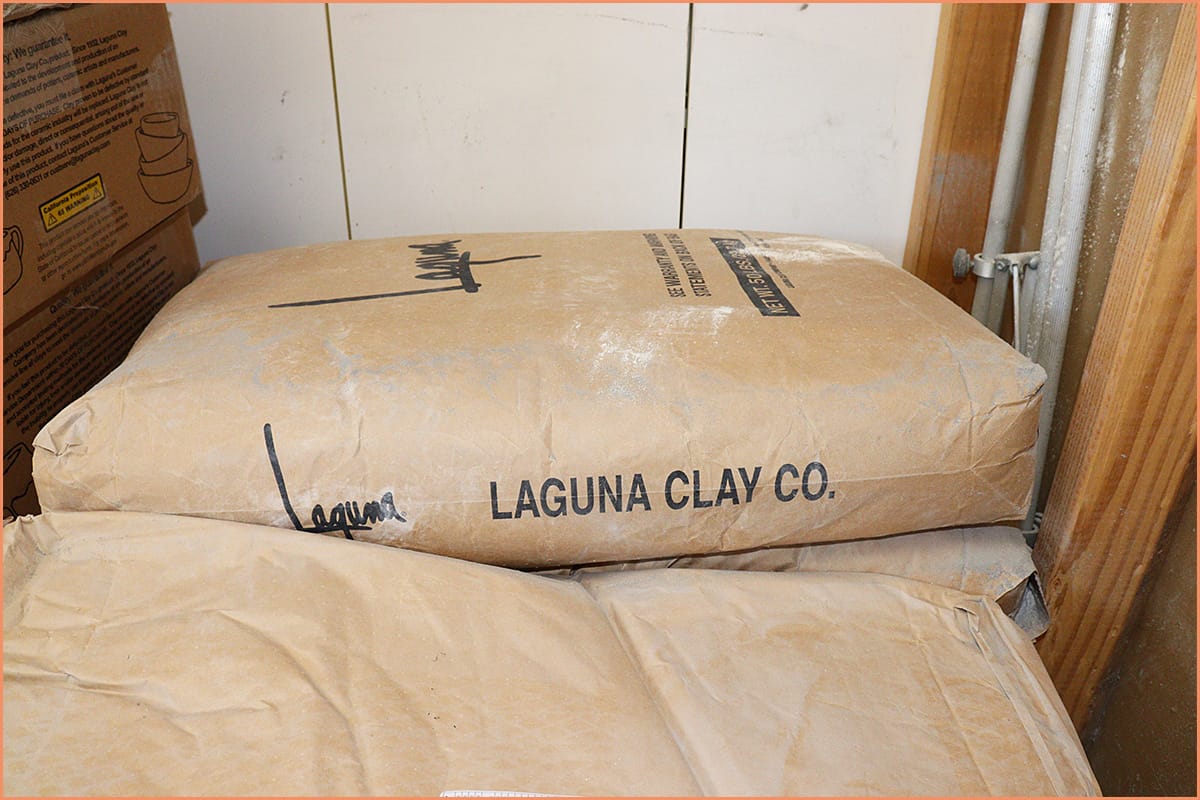
As you get more into pottery, you may want to buy powdered clay. Bags of dry clay have their own benefits. They store well, and you can mix the amount you want when you need it, and you can also add the right amount of water for you.
Recycling and Buying your Clay
If you are recycling clay or buying clay powder, exercise caution when handling dry clay and mixing it with water. That’s when the dust gets stirred up the most.
Don’t pour the powdered clay into your container. That would be like opening a bag of popcorn right out of the microwave, sticking your face in it, and taking a deep breath.
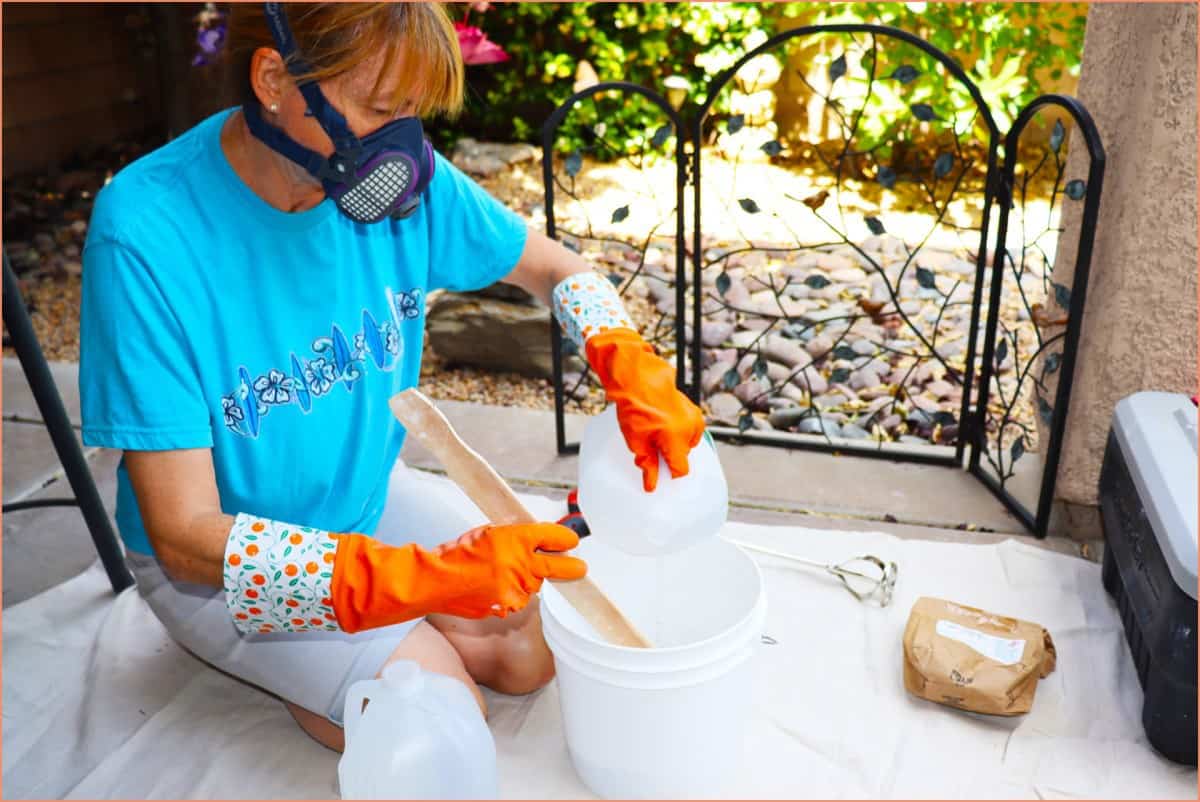
Place the bag in the container first, cut it open, and slowly add the amount you want to use, then lift the bag out. This way, you create far less dust.
When pouring water onto the clay powder, it’s best to get as close to the powder as you can and pour slowly. When mixing the clay body, start out slowly until all the clay becomes moist.
Wearing a Reusable Mask during this process is highly recommended, as your face is close to the dry clay. Mixing in a separate well-ventilated room is even better. Mixing outside is best.
Choosing Your Clay
Not all clays are the same. High-temperature clay bodies can have up to 30% silica, while low-fire clay bodies have much less, and some even none.
If you are concerned about the amount of silica in the higher-temperature clay bodies, you may want to go with a lower-firing clay body.
Higher clay bodies are the cone 10 to 8, such as porcelain and stoneware.
Lower clay bodies are cone 06 to 04, such as earthenware.
For more detailed information, check out What Is the Difference Between Stoneware and Earthenware Clay
Glaze Dust
Don’t forget about your glazes. Alumina is found in most glazes and can go airborne. Wearing a dust mask when mixing Powdered Glazes is a good habit to get into.
Masks vs. Respirators
Using a mask is not necessary most of the time if you take proper precautions, keep your clay moist, and keep your area clean.
If you are kicking up a lot of dust, you should use a Dust Mask. It’s worth getting a good-quality mask. You want to make sure your mask fits snugly. If not, tiny particles will just stream in through the sides of your mask, and you might as well not wear one at all.
If you have allergies or you’re highly sensitive to dust, a Respirator is a must-have.
If you love the art of crafting pottery, using a Good Dust Mask when necessary is well worth it to keep your lungs healthy. You may not look cool, but who cares? Playing with clay is tons better than looking good.
Fans in Your Pottery Studio
Fans should not be on when you are working in your studio. If you run a fan while you are in the studio, the Clay and/or Glaze dust will be kicked up and blown around your studio. The last thing you want to do is encourage dust to float around your work environment.
Clay and glaze dust are harmful to your lungs when exposed over time, especially if you have allergies. If you are in an environment where dust is being blown around, I recommend wearing a Respirator or Dust Mask.
Keeping Clothes Separate
Keeping your pottery clothes separate from the rest and washing them separately is a good habit to get into.
Having shoes just for pottery is very important. You don’t want to track clay all over your house or car. The dried clay will kick up when it gets walked on. Then, tiny dust particles will begin to float around your home and car over time.
Cleaning up With Water
Sweeping up and brushing off dry clay is one of the worst things you can do. It actually stirs up the dust. Even if you use a vacuum cleaner, tiny particles can still go right through it and remain in the air.
Silica is one of the ingredients in clay that could cause problems if inhaled over an extended period. Silica is a naturally occurring element found in sand and quartz. Silica dust particles are one-millionth of a meter in diameter. Therefore, they can stay in the air for a long time.
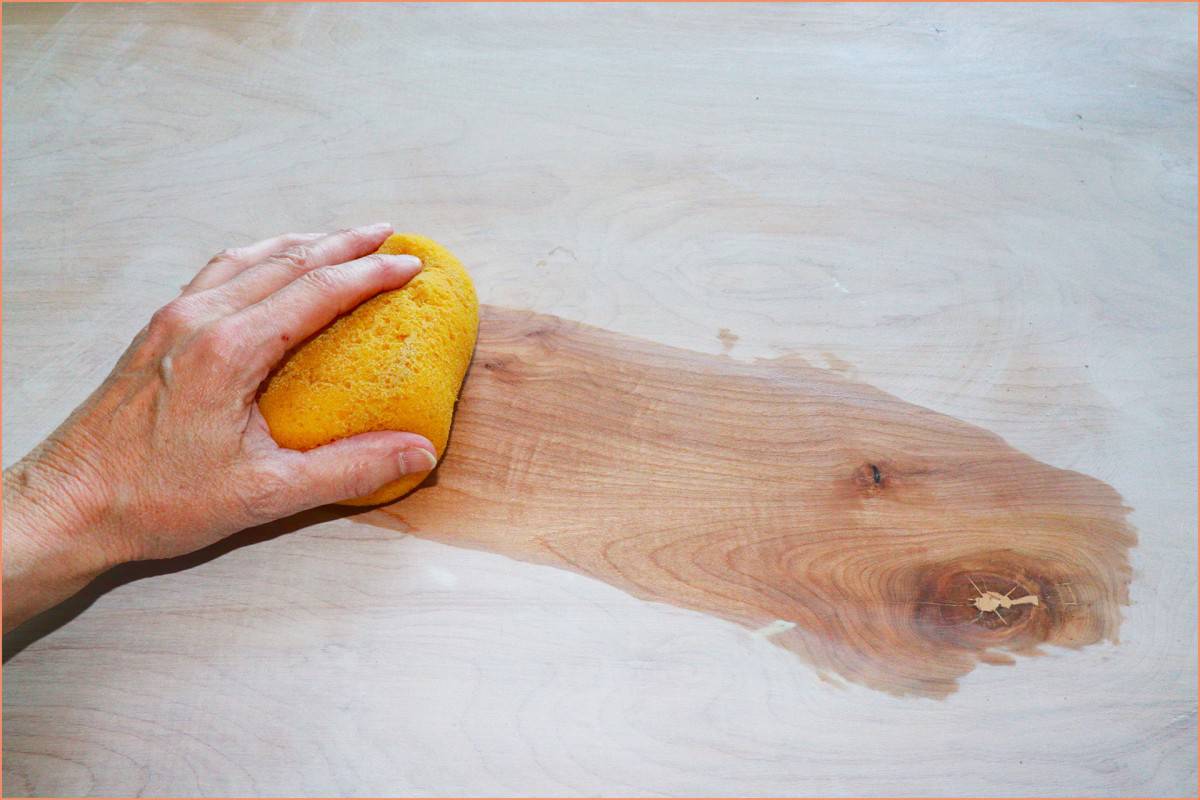
Cleaning up with water prevents the clay dust from becoming airborne. It’s best to wash your table, tools, and floor whenever you’re finished for the day.
Have a mop, rags, and sponges just for your studio. It prevents the dust from spreading to other areas of the house.
Many potters I have talked with have been crafting for a long time, some for over 30 years.
I don’t know anyone personally who has a lung disease such as silicosis from working around clay dust.
It’s all about being aware of your environment and implementing these simple rules.
Important Update
Recently, the team at Consumer Notice reached out to us. They’ve compiled thorough and informative guides on two topics we care about: Silica Dust, a common component of our beloved clay, and Silicosis, an occupational lung disease caused by inhaling crystalline silica particles.
As crafters, understanding our environment and the materials we interact with is essential.
with.
For those keen to dive deeper into the subject,
I recommend checking out their Guides:
An Overview of Silica Dust
Silicosis: Understanding the Risks
POTTERY CRAFTERS THOUGHTS… Making pottery is fun and rewarding. Going to a local Pottery Class is a good idea. I almost guarantee you will have fun and enjoy the face-to-face social activity, which many of us are missing in today’s electronic world.