
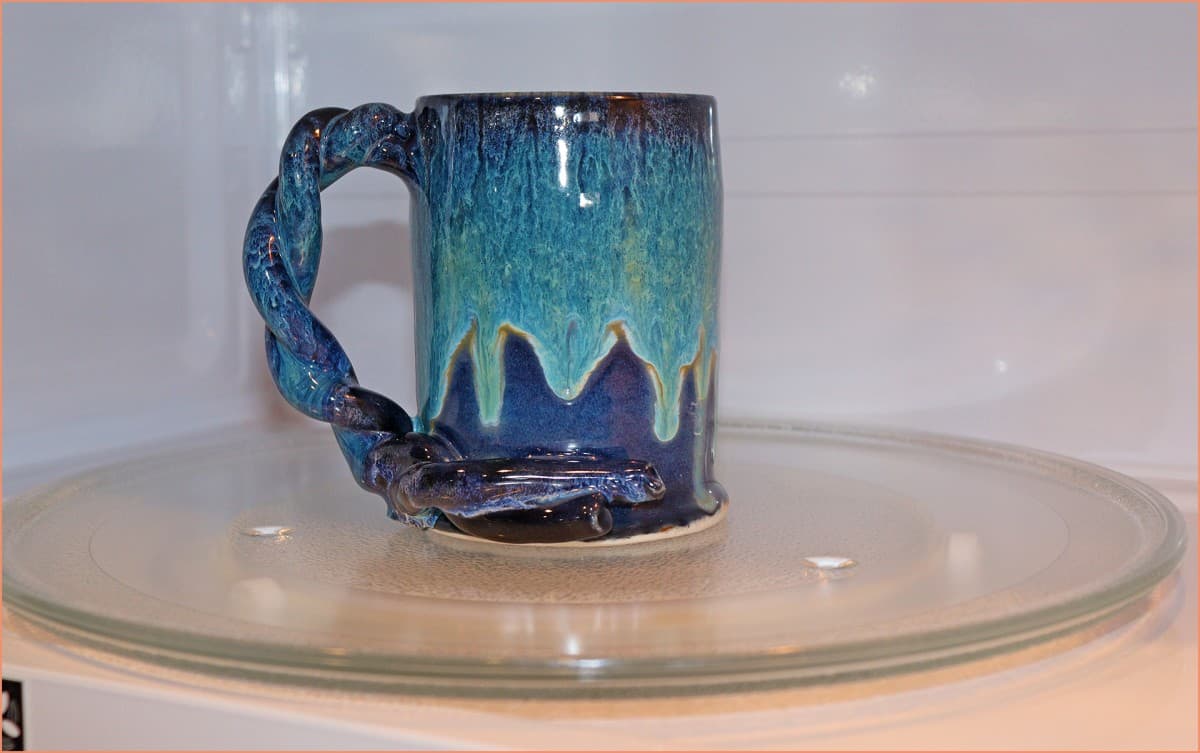
Is Pottery Microwave Safe
The use of pottery or ceramic dishes is common for dining and drinking. Pottery really compliments rustic-themed parties. It also adds a nice touch to the presentation of earthy-flavored entrees and appetizers. Additionally, ceramic dishes provide an eco-friendly alternative to your regular plastic plates.
So, is pottery microwave safe? Most pottery is microwave safe. If you heat it up in the microwave, nothing will happen. It can get hot, but it will stay intact and will cause zero harm to the food. However, if you purchase a piece of pottery, you should look for a “microwave safe” label to be sure.
Of course, pottery, like every other material, has its limitations. It’s breakable and can crack due to a sudden shift in temperature. Ceramics are not as fragile as glass, but they often break upon collision. Uneven heating and extra stress also cause cracking. Ceramics aren’t immortal, but they’ll last until you buy or make a new one.
Although most pottery is safe for microwaves, some of it isn’t. Here are a few tests you can do to check whether the pottery is microwave-friendly or not.
Affiliate Disclaimer: We are ambassadors or affiliates for many of the brands we reference on the website. As an Amazon Associate, I earn from qualifying purchases.
How to Check if a Store-Bought Dish is Microwave Safe
While most ceramics are microwave-safe, there are a few precautions you should take to ensure your pottery won’t crack or damage your food when placed in the microwave:
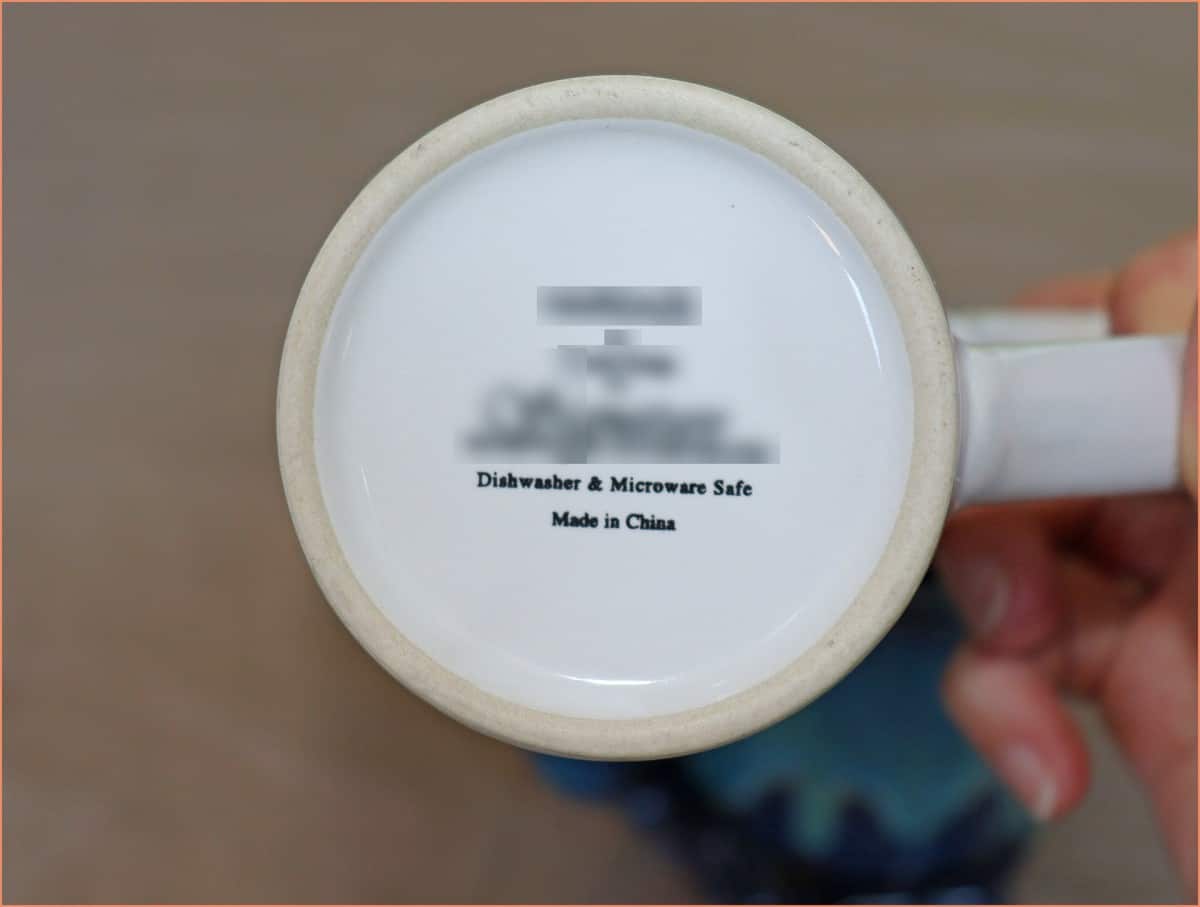
- You should look for a “microwave-safe” label. The label can be found on the bottom of the ceramic dish or mug. The stamp on the bottom can have to say microwave-safe or microwave-friendly. Both mean the same thing.
- If you find two or three wavy lines, it also indicates that the utensil is microwavable.
- Most ceramic, china, and earthenware is microwavable. Porcelain dishware and most bisque ware are safe for heating in the microwave. You can make an exception if the manufacturer clearly mentions that you can’t put the dish in a microwave oven or if the dish has a metallic finishing, paint or trim.
- You should also refrain from putting your lead-glazed ceramic in the microwave.
- Many popular brands manufacture heat-proof and microwave-safe cookware. All of their products, including ceramics, are oven-friendly. These brands include:
- Duralex
- Pyrex
- Anchor Hocking
- Visions
- Corningware
How to Test Homemade and Unlabeled Dishes
If your pottery dish doesn’t have a label, it is from an unknown brand, or you’ve made it yourself (in that case, good job!), don’t fret! Here’s a simple way to figure out if your dish is microwave safe.
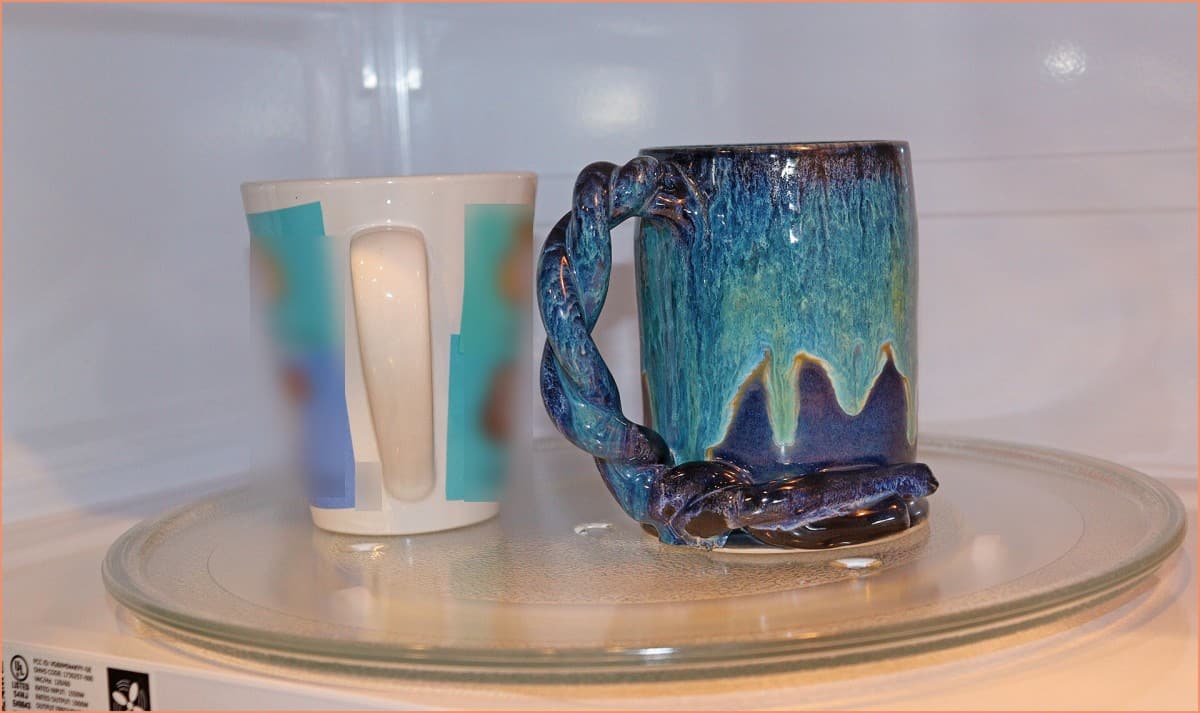
- Grab a mug or glass that is microwave-friendly (has a label or has been tested). It’s important that you use a microwave-safe dish. Otherwise, the experiment won’t work.
- Fill both with around three-quarters of tap water.
- Place the glass of water and the pottery you want to test side by side inside the microwave.
- Turn the microwave power to maximum/high. You can change the power by looking for power, settings, or menu button or knob.
- Microwave the two objects together for one minute.
- After heating, use a potholder or oven mittens and take them out of the microwave.
- They should both be about the same temperature. If the pottery is warmer than the water, then the pottery has absorbed the heat and is unsafe for microwaves.
- If the pottery is warm and the water feels warmer, the pottery doesn’t absorb most of the heat and is totally safe for use in the microwave.
Now that you’ve performed the test, label the dish using a permanent marker. Make two horizontal waves, and write “M” or a correct mark on the bottom of the dish. If you’re planning to use the non-microwavable dish for other purposes, mark it as well. Use a cross-sign or draw M or horizontal waves and cut a line through them.
Pottery Care during Cooking
When using ceramics during cooking or heating food, remember to take the following measures.
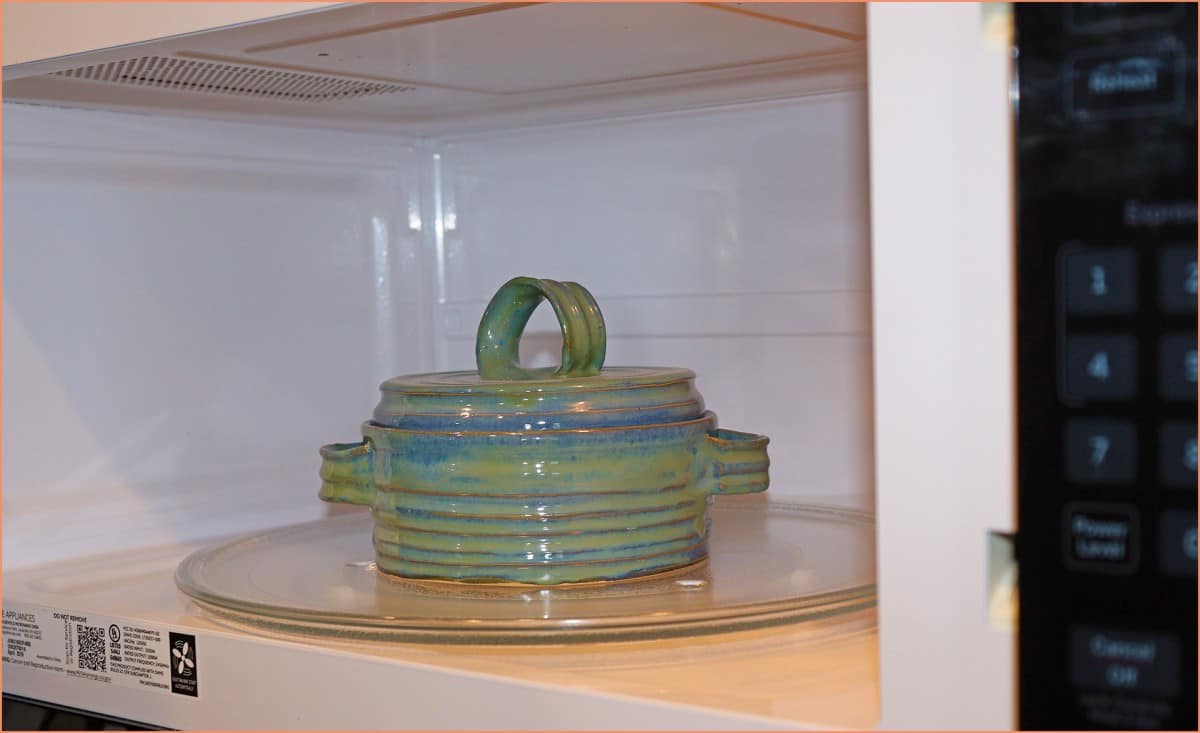
- Don’t put the dish or pot directly on an open flame. Most ceramic pots are only made for baking or heating, and very few are safe for stovetop cooking. Only the ceramic pots labeled safe for stoves should be used. You should also do research regarding the clay materials and test if you’re making the pot yourself.
- If you want to heat or bake food in the oven, don’t preheat the oven. Place the food in your bakeware and put it in a cold oven. The food will heat up with the pottery, so preheating is not effective. It may also damage the lining of your dish.
- Don’t run cold water on a hot baking dish. This is most likely to cause cracking.
- Never put an empty pottery dish in the microwave or baking oven. Make sure that at least half of the dish is filled with a liquid or food.
- Only use gentle heating, especially if the dish is filled with food or liquid.
- Don’t heat or bake a flat pottery dish for too long. It’s most probably going to crack during prolonged baking. Pots, on the other hand, are fine for longer cooking.
- Refrain from resting a hot pottery dish on a wet or cold surface.
- You should always use a different pottery dish to heat leftovers or frozen food. Try not to reheat the pottery you used to store food in the refrigerator. If you have enough time, wait for the dish to reach room temperature.
- Run the mug through warm water before pouring boiling water inside. Pottery needs to gradually adjust to temperature shifts.
- Similarly, run plates and bowls under warm water before pouring boiling stew, curry, roast or soup.
- Since pottery gets hot quickly, it’ll warm the food or liquid faster. If you’re heating water or milk, microwave the mug for 2-3 minutes. Don’t heat for more than 6 minutes.
- Frozen foods can be heated in pottery, but you’ll have to switch dishes twice or thrice. It’s better to use glass or plastic for this purpose.
- Don’t stack pottery plates, bowls or mugs in the microwave to warm them.
- If you’ve kept pottery in a cold cupboard away from light and heat, don’t put hot food immediately inside it. Wait a couple of minutes and let the dish come to room temperature.
- Put room-temperature pottery in the dishwasher. If the pottery gets hot, don’t take it out. Fill the dishwasher with cold water instead.
Pottery Care during Transportation
When moving pottery, do the following;
- If you’re packing, place the pottery on its base in the box and not on its edge. Platters and trays should lie flat. Cups should be fixed with other objects.
- Put only light items on the top of the pottery or the box containing it.
- Arrange the pottery in a way that it doesn’t fall off the seat or roll around.
- Put the pottery on a soft surface during loading and unloading. Be gentle while placing the pottery on pavement or a concrete block.
- Try not to ship pottery items in unlabeled or gift boxes. The delivery person must know that they’re carrying a fragile item.
- Be careful when placing pottery dishes for party setup.
Using Microwave to Dry Pottery
You can use the microwave to dry pottery before glazing or painting. It might not be as good as letting it dry overnight, but if you’re in a pinch, this works fine.
Microwave ovens use dielectric heating, which is commonly used in factories to fire ceramics. Ceramics used in high-tech applications are also fired in this way. Whether you’re a studio potter or just a hobbyist, you can use a microwave to dry pottery.