Skip to content
pottery crafter logo 2021
  • Beginner InfoExpand
    • Choosing Your Pottery Clay – Best Pottery Clay For Beginners
    • 21 Essential Pottery Clay Tips for Every Potter
    • 21 Essential Do’s and Don’ts for Making Pottery Every Potter Should Know 
    • 21 Pottery Wheel Throwing Tips
    • 21 Essential Underglaze Tips for Pottery
    • How I Started Making Pottery at Home – My Guide for New Potters 
    • What is Greenware Ceramics: Understanding Its Role in Pottery
    • Is Raku Pottery Expensive to Make?
    • 30 Beginner Pottery Wheel Projects | With Easy Instructional Videos
    • How to Dispose of Pottery Clay Water | 3 Proven Methods
    • 10 Tips on How to Become a Successful and Confident Potter
    • How To Make Colored Clay For Pottery – A 6-Step Clay Coloring Guide
    • 21 Tips for Hand Building Pottery
    • Pottery Clay Extruders – Uses and Functions
    • Is Raku Pottery Waterproof: Sealing Raku Ceramics
    • Is Raku Pottery Food Safe: What You Need to Know
    • Can Pottery Clay Be Frozen
    • Stoneware Clay Vs. Porcelain Clay – Details and Facts Explained
    • 21 Pottery Clay Slip Questions Answered
    • What Is Potters Clay Made Of – Pottery Clay Ingredients Explained
    • How to Store Pottery Clay
    • How to Prevent Pottery Clay From Cracking While Drying
    • How to Throw Clay on the Pottery Wheel: A Step-by-Step Beginners Guide
    • How To Use a Pottery Kick Wheel (Ultimate Guide)
    • 7 Best Surfaces for Hand Building
    • How To Do Pottery With Long Nails – 5 Tips To Remember
    • How To Use Bats on a Pottery Wheel | Types – Usage – Storage
    • Can Air-Dry Clay Be Used on the Pottery Wheel – 3 Brands Tested
    • What Causes Pinholes in Pottery Glaze and How To Prevent Them
    • What Is the Difference Between Stoneware and Earthenware Clay
    • Can Broken Pottery be Repaired?
    • Pottery Wheel Positions and Posture – All You Need to Know
    • How to Make Kiln Cookies in 6 Easy Steps – With a Video
    • Can Handmade Pottery Go In The Dishwasher?
    • How to Make Pottery – 8 Step Pottery Making Process
    • How to Start a Home Pottery Studio
    • Which Direction Should a Potters Wheel Turn
    • Online vs In-Person Pottery Classes – A Beginners Guide
    • Are Pottery and Ceramics The Same Thing
    • Plain Clay Slip
    • Colored Clay Slip
    • 11 Problems Centering Clay and Easy Ways to Fix Them
    • 21 Kiln Questions Answered
    • 9 Common Pottery Wheel Mistakes and How to Fix Them
    • Wax Resist Tips | Protect – Decorate – Design
    • What Are Sponges Used for in Ceramics?
    • The Four Types of Clay
    • What Is Wax Resist in Pottery Used For
    • Why Every New Potter Should Take a Pottery Class
    • What To Wear When Doing Pottery
  • Product ReviewsExpand
    • Beginner-Portable-Full Size Pottery Wheel Review: Which Wheel Type Is Right for You?
    • The Original Giffin Grip and Giffin Grip Mini – Review and Comparison
    • Giffin Grip vs. Bailey Quick Trim 2: The Detailed Differences 
    • Brent CXC Pottery Wheel – OWNERS REVIEW – Buyers Guide
    • Skytou Pottery Wheel Pottery Forming Machine – OWNERS REVIEW
    • Speedball Artista Pottery Wheel – Owners Review Buyers Guide
    • Pottery Wheels Reviewed
    • Shimpo Ceramics Rebranding – A Huge Undertaking
    • The Ultimate Edger Pottery Making Multi-Tool Review
  • Buyer GuidesExpand
    • Gift Ideas for Potters – Pottery Crafters Gift Guide
    • 10 Things to Consider When Buying a Used Pottery Wheel
    • Pottery That Sells Well – 9 Pieces All Potters Should Make and Sell
    • Ultimate Pottery Glazing Tools & Supplies Guide
    • Buying a Pottery Kiln | Facts Features and What to Consider
    • Choosing an Electric Kiln – A Step-by-Step Buyer’s Guide
    • Choosing a Pottery Wheel – Step-by-Step Buyer’s Guide for Beginners
    • Best Pottery Tool Sets Under $18
    • Best Glaze Brush Sets
  • Projects & SuppliesExpand
    • Berry Bowl
    • Bowl with Chopstick Holes
    • Bowl with Chopstick Holes
    • Berry Bowl
    • Cat Bowl
    • Casserole Dish
    • Ceramic Citrus Juicer
    • Creamer
    • Honey Jar
    • Incense Holder
    • Kitchen Utensil Holder
    • Mortar and Pestle
    • Mug with a Gallery Lid
    • Piggy Bank
    • Succulent Plant Holder
    • Sugar Bowl
    • Toothpick Holder
    • Vase
    • Yarn Bowl
    • Plain Clay Slip
    • Colored Clay Slip
  • GlazingExpand
    • Can Pottery Glaze Be Frozen
    • Do You Have to Glaze Pottery  
    • What is Glaze Made of — Ceramic Glaze Ingredients
    • Is Pottery Food Safe Without Glaze?
    • Do You Need a Kiln to Glaze Pottery at Home 
    • How to Remove Glaze From Pottery
    • How to Choose Pottery Glaze – A Beginner Glaze Guide
    • What Is Crazing in Ceramics and How To Prevent It!
    • Can You Bisque and Glaze Fire Pottery at the Same Time?
    • Sponge Glazing
    • Glaze Grinding
    • Applying Underglaze on Greenware vs Bisqueware – Which Is Best
    • What is The Difference Between Glaze and Underglaze
    • Underglazing with Split Cups For a Marbling Effect – A Step-by-Step Guide  
    • Can You Layer Underglaze
    • How Do You Mix Underglazes / Tips to Mix Underglazes
    • Underglazing Pottery | Glazing Tips Tools and Ideas
    • Bubble Glazing
    • Sponge Underglazing
    • Sponge Glazing Ombre Glazing
    • What Is Slip Trailing | Glazing Tips Tools and Ideas
  • Kiln TipsExpand
    • Kiln Maintenance Guide: Tips for Top Performance  
    • The Differences Between a Raku and Electric Kiln Explained
    • What Is the Difference Between a Gas and Electric Kiln
    • What Temperature Do I Bisque Fire Pottery Clay To?
    • Is it Recommended that a Pottery Kiln Be Vented?
    • The Ultimate Guide to Troubleshooting Kiln Problems
    • Are Pottery Kilns Safe – Beginner Kiln Questions
    • How To Use a Pottery Kiln at Home – 13 Tips To Remember
    • What Is A Kiln Sitter? Everything You Need To Know
    • At What Temperature Can You Open a Pottery Kiln?
    • What Is Kiln Wash – Kiln Shelf Protection Guide
Recommended Tools
  • Pottery Wheels
  • Kilns
  • Clay
  • Tools
  • Glazes
  • Brushes
  • Bats
  • Stools
YouTube YouTubePinterest PinterestInstagram Instagram
pottery crafter logo 2021
Pottery Crafters
Tools I Endorse

How to Make Pottery – 8 Step Pottery Making Process

ByMarie Updated onJanuary 21, 2025
Home / Beginner Info /

I’ve been making pottery for years now, and I love it. It’s a great way to relax, get creative, and even make some money! Did you know that making pottery from start to finish can take several weeks or more? It is not hard, but it does take time and patience. With each project being different, not only is it fun, but there’s always something new that can be learned along the way, too, so it never gets boring!

There are several ways to shape and decorate your clay. I will go step by step through everything it takes to make a pot, starting with clay until the piece is complete, and learn more about what goes into creating your favorite mug or bowl. Let’s get started!

Affiliate Disclaimer: We are ambassadors or affiliates for many of the brands we reference on the website.  As an Amazon Associate, I earn from qualifying purchases.

Table of Contents
  • Step #1: Choose your Clay
    • Earthenware
    • Stoneware
    • Porcelain
  • Step #2: Wedging the Clay
  • Step #3: Choose a Pottery making Technique
    • Throwing
    • Throwing – Pros and Cons
    • Coiling
    • Coiling – Pros and Cons
    • Pinch Pot
    • Pinch Pot – Pros and Cons
  • Step #4: Making the Pottery
  • Step #5: Trimming and Decorating your Pottery
  • Step #6: Bisque fire the clay
  • Step #7: Glazing your pottery
  • Step #8 Put your Pottery in the kiln for a glaze fire
    • Low-Firing Temperatures
    • Mid-Range Temperatures
    • High-Fire Stoneware
  • Conclusion

Learning how to make pottery is fun and easy. You can choose the clay and glaze you want to create whatever you want. We’ll start with choosing your clay.

Step #1: Choose your Clay

Choosing the right clay is an important decision. There are many different clays, but there are three main types that most potters choose from, each with its own benefits and firing temperatures.

Earthenware

For those who want a lower-firing clay, Earthenware may be your best choice. These clays tend to be, not as durable, more porous, and plastic (easier to mold).

Stoneware

Stoneware has a high heat tolerance and can be versatile in its uses because it’s dense and more durable than other clays. This clay is a great choice for beginners when first starting out because it is also plastic (easier to mold).

Porcelain

Porcelain is smooth and has a high heat tolerance but is more elastic (it does not mold as easily), which makes it a bit more difficult for beginners to work with.

There are many options when it comes to selecting your pottery clay, but don’t worry. For more detailed information, check out Choosing Your Pottery Clay.

Step #2: Wedging the Clay

Wedging your clay is an important step you shouldn’t skip for several reasons. Most importantly, it eliminates any air bubbles that may be in the clay. Getting rid of the bubbles will make the clay easier to work with.

Wedging also improves its workability giving the clay a more uniform consistency and the same moisture level throughout. To learn more about wedging, check out How To Wedge Clay where I show you 5 different ways you can wedge your clay.

Step #3: Choose a Pottery making Technique

After you have decided on the Clay and how to Wedge it, now it’s time to make your pot. There are several different ways to mold clay. These are the three main techniques that beginner potters usually choose from.

  • Throwing
  • Coiling
  • Pinch Pot

Throwing

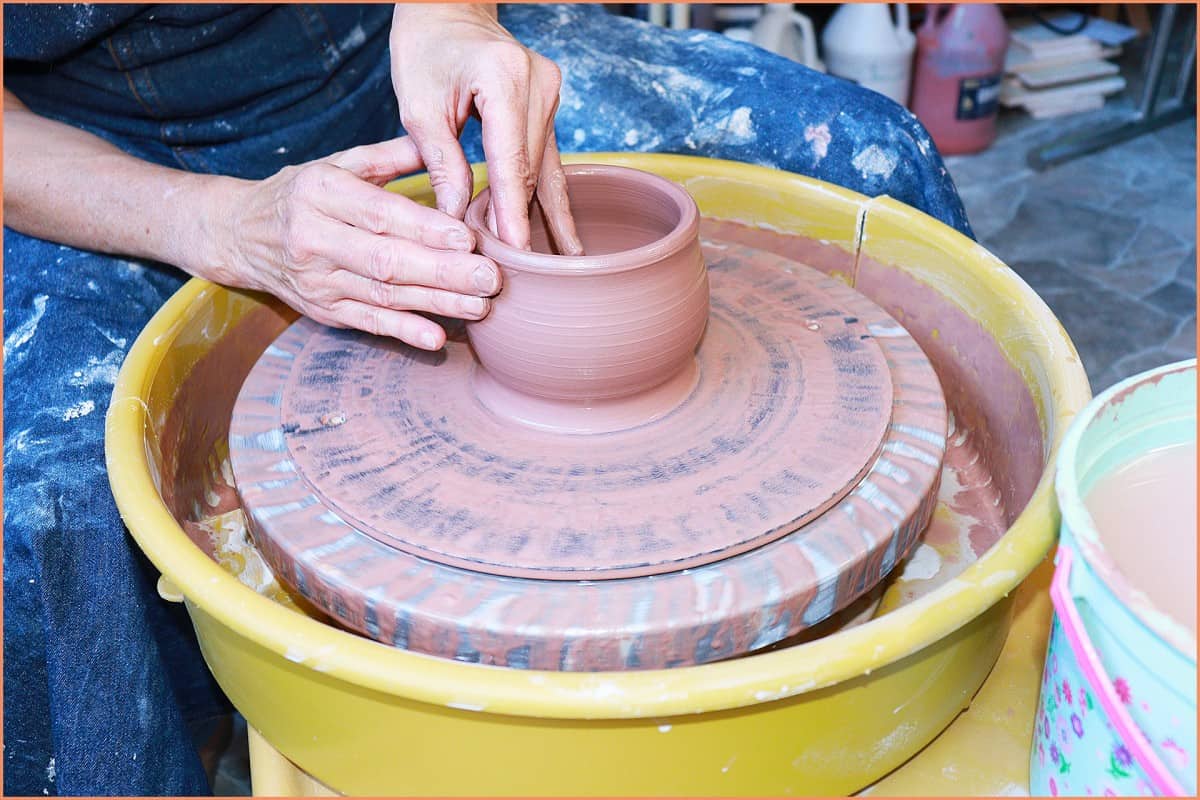
Throwing clay happens at The Pottery Wheel. The Potter uses the wheel to shape the clay. Many beginners like to start out on the wheel, and I was one of them. I was instantly hooked.

While you have many advantages of clay throwing, the difficulty in this technique comes from Centering your clay and bringing up the walls without having your clay collapse. It takes a little time to learn how to coordinate your hands with the wheel and center your clay. You can grasp the basics in a few hours, but acquiring proficiency can take several months or more.

Besides a pottery wheel, you will need a few basic pottery tools to get started. This 8-piece Tool Set is a good starter kit. It has, a Wooden Modeling Tool, Wooden Rib, Loop Tool, Ribbon Tool, Needle Tool, Sponge, Metal Scraper, and Wire Clay Cutter. To see more tools check out my Pottery Tool Guide List.

Throwing – Pros and Cons

Pros

  • It looks the best coming off the wheel
  • Can make pots faster than Handbuilding
  • Calming and stress relieving as you work at the wheel

Cons

  • It can cost more to get started
  • Takes a little more time to learn to throw

Coiling

The coiling technique in pottery means that Potters will form coils and place one coil on top of the next and continue shaping them until you begin to make the shape of a pot with it.  You can make the shape of your coil pot any way you want. A larger base to a smaller rim, a smaller base to a larger rim, or a smaller base and rim with the middle area larger.
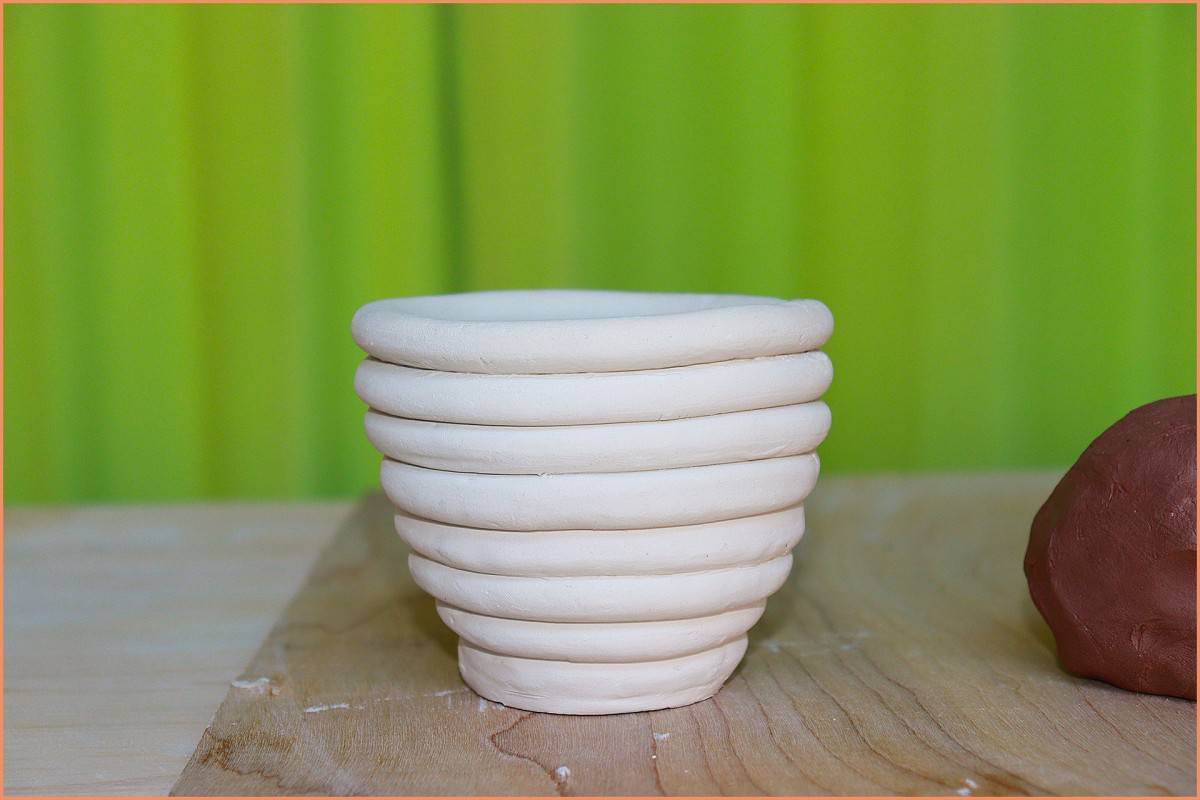

This technique lets you build the walls of your pot without the immediate threat of it collapsing. You can build ceramics in several ways using the coiling technique. Most potters consider coiling the most versatile technique for hand-building pottery.

You will need soft, moist, and pliable clay to carry out the coiling technique. Hard and dry clay won’t allow the coils to roll as easily and will crack when you bend them.

The coils should be attached together by scoring and slipping each coil for a proper seal. Scoring is marking your coil with a needle tool, applying slip with a brush, and attaching the coils together. If they are not sealed properly, the pot will be open to leaking liquid. This 8-piece Tool Set is also a good starter kit for hand building.

Coiling – Pros and Cons

Pros 

  • Good pottery choice for beginners
  • No immediate threat of the pot collapsing
  • Several ways to hand build pots with the coiling techniques
  • Most versatile of the hand-building techniques in pottery
  • Doesn’t require many tools to start making pottery

Cons

  • Takes longer to make
  • Must seal the coils for the pot to hold liquid

Pinch Pot

Perhaps one of the simplest ways to make pottery is the pinch pot technique. Simply take a ball of clay and form it into the shape you want.


Pinch pots have limitations in that they will usually be smaller because of the technique. Most pinch pots will be less than 6 inches in diameter, but you can make them larger. You don’t see this technique used often for larger pots.   

One advantage comes from how you have more control over the clay, which also makes it a good choice for beginners. You can graduate to wheel throwing after you develop your skills.

The technique does exactly as it says—you pinch the clay into a pot by thinning out the walls with your fingers. This technique will teach you sensitivity to the clay as you develop an awareness of the thickness of the walls. Be careful not to accidentally make the walls too thin, rendering the pot useless.

Pinch Pot – Pros and Cons

Pros

  • Good choice for beginner potters
  • Develop good awareness for the wall thickness of pots
  • You get better control over the pot than other techniques
  • A simple technique to start with
  • Doesn’t require any tools to start making pottery

Cons

  • You can accidentally make the walls too thin
  • The pinch pot technique mainly works well for smaller pots

Step #4: Making the Pottery

After choosing one of the techniques, there are a few tools you will want to start crafting your pottery. A Basic Tool Set is all you need to get started. A Wooden Modeling Tool, Wooden Rib, Loop Tool, Ribbon Tool, Needle Tool, Sponge, Metal Scraper, and Clay Cutter (Wire Tool). For more tools, Check out this Pottery Tool Guide List.

When making your pot, if you mess up as most beginners do, just grab another piece and start over. Remember, there are no mistakes. You can Recycle your Clay many times.
That’s the fun part of pottery making. If you do make a mistake and don’t like what you’re making, you can just start over.

The thickness of the clay pot should be a quarter of an inch. This helps to prevent the pot from becoming too heavy and helps lower the chance of cracking during the drying stage and firing in the kiln. As much as possible, you want the pot to have a uniform thickness because it can crack if the walls are uneven and too thin also.


Step #5: Trimming and Decorating your Pottery

After you finish making your piece, you have some options. You can Decorate it with Underglazes and slips in the greenware state (wet, leather hard, or bone dry). It’s important to know what you can do in the Different Stages of Clay.

picture of potter trimming pottery

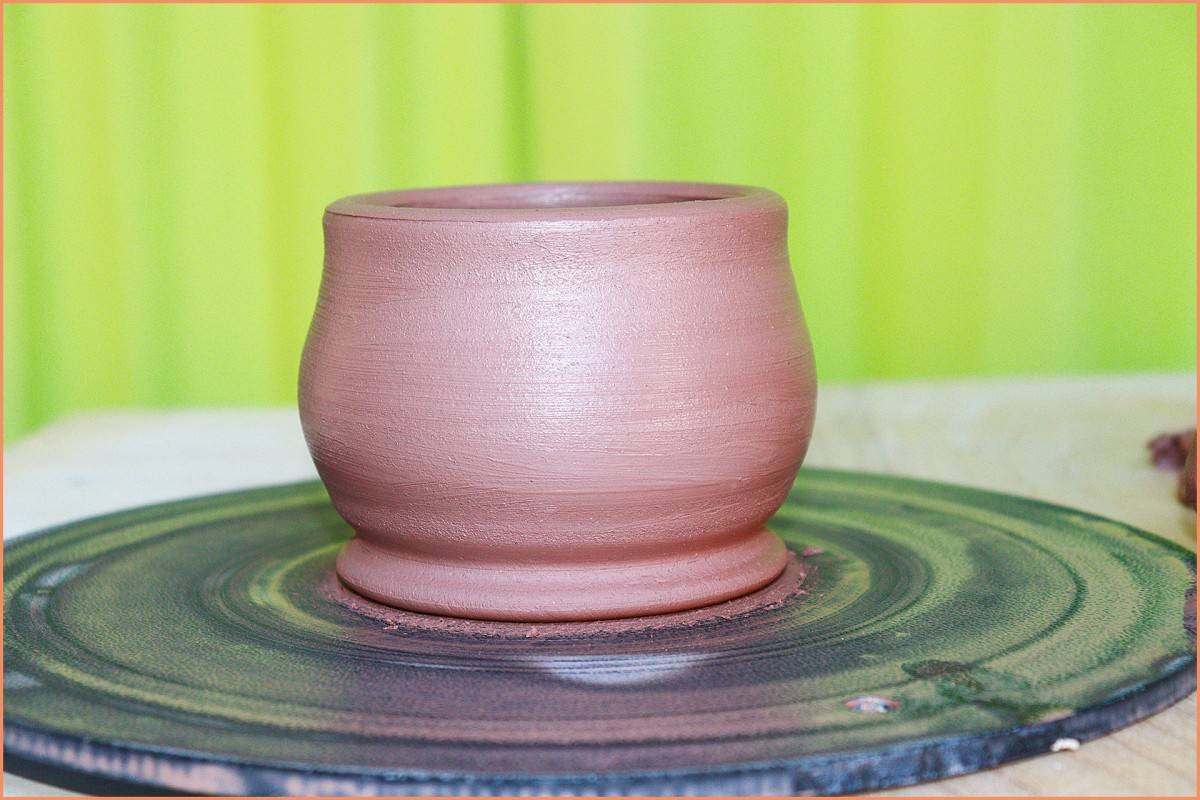
The leather hard stage is when the clay has hardened enough so you can trim, add handles, and make other alterations before the clay gets too hard. The clay is called leather hard because some say it feels like soft leather. You are now able to handle it without marking it up with your fingers, and trim the extra clay off the bottom to make a nice foot.
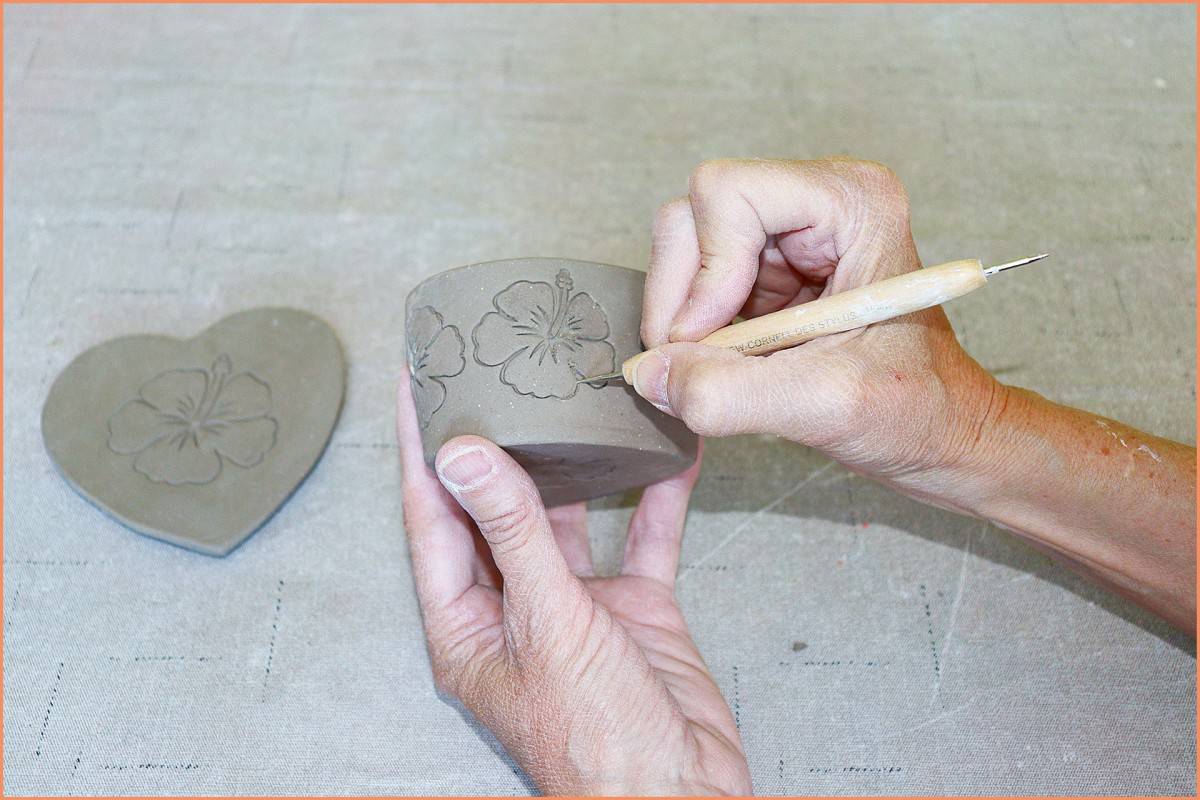

This is also the stage when you can have some fun with Sculpting tools. Sgraffito, layered Sgraffito, and Inlay (also known as Mishima). For more decorating ideas, check out Underglazing Pottery.

Step #6: Bisque fire the clay

To bisque fire your clay, you will need a Kiln. The good news is there are many Kilns to Choose From.

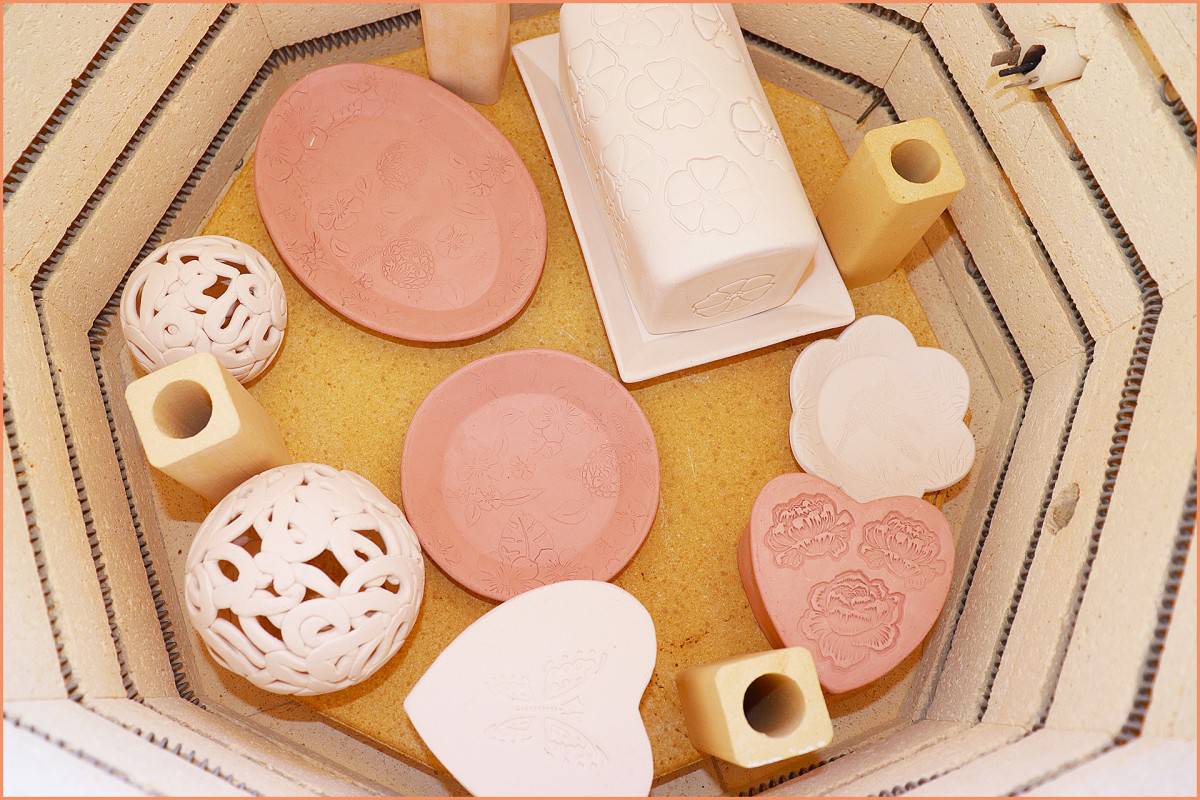
Once your clay is Bone Dry, you can Load the Kiln for a bisque firing (Video). The main reason behind pottery cracking or even exploding in the kiln is that your piece was not left out to dry long enough. While it may appear dry, moisture is still in the clay.

picture of bisqued pottery

As the temperature rises above 212 degrees Fahrenheit, the water evaporates into steam, and without a place for the steam to escape, it expands too fast, and the clay cracks to accommodate it.

Now the time it will take for your pottery to dry depends greatly on the climate you live in. It could take up to a week or more. Bone-dry clay will appear lighter in color, and it won’t feel cold to the touch. For more detailed information, read How long pottery should dry before firing.

TIP: Keep in mind that electric kiln elements, when affected by moisture, don’t last as long and will need replacing. Ensuring pottery pieces are bone dry will save you time and money…

Temperatures for bisque firing normally range from Cone 06 to 04. You don’t want to fire hotter than 1945 degrees Fahrenheit or 1063 degrees Celsius. For more detailed information, check out What is the purpose of Bisque firing.

Step #7: Glazing your pottery

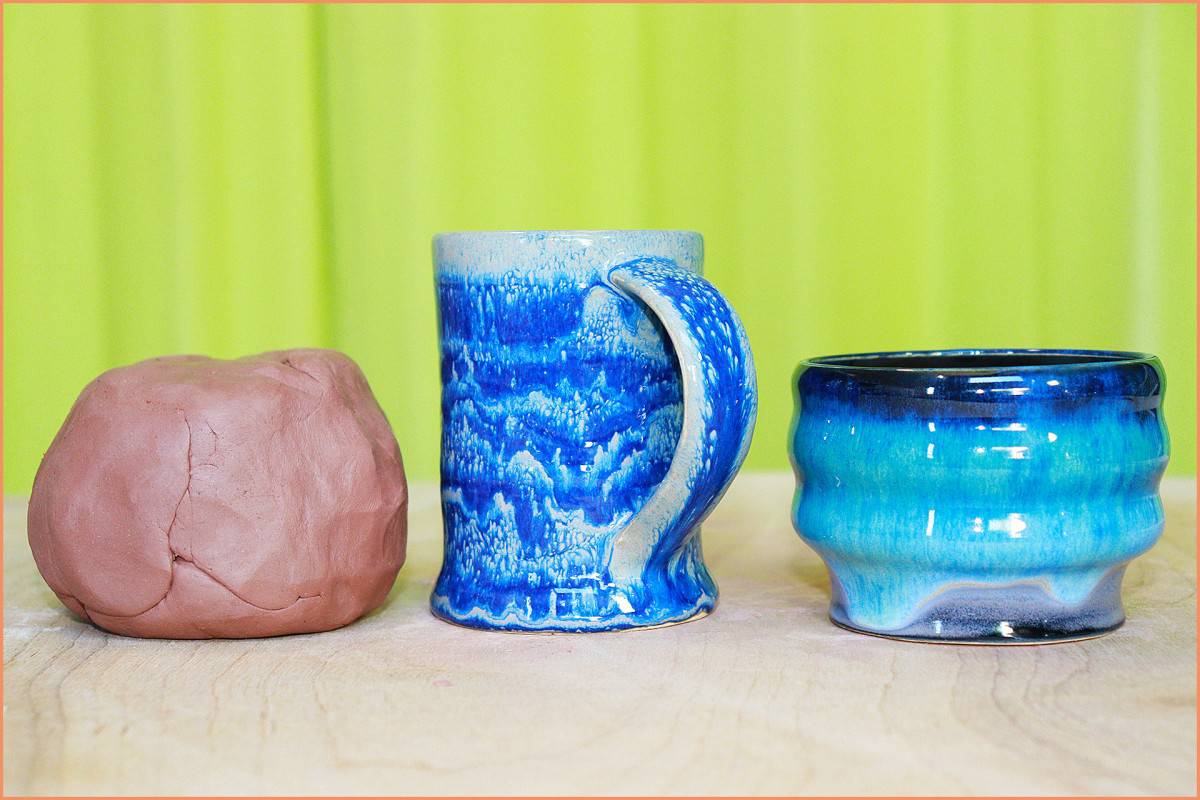
Once the clay is bisqued, it turns into a ceramic material, and it’s time to apply the Glaze or Underglaze to your bisque pottery. There are so many ways you can apply the glaze. The main ways you can apply your glaze are Dipping, Spraying, Brushing, and Pouring. For more ideas on glazing, check out How to Glaze Pottery – 9 Pottery Glazing Techniques
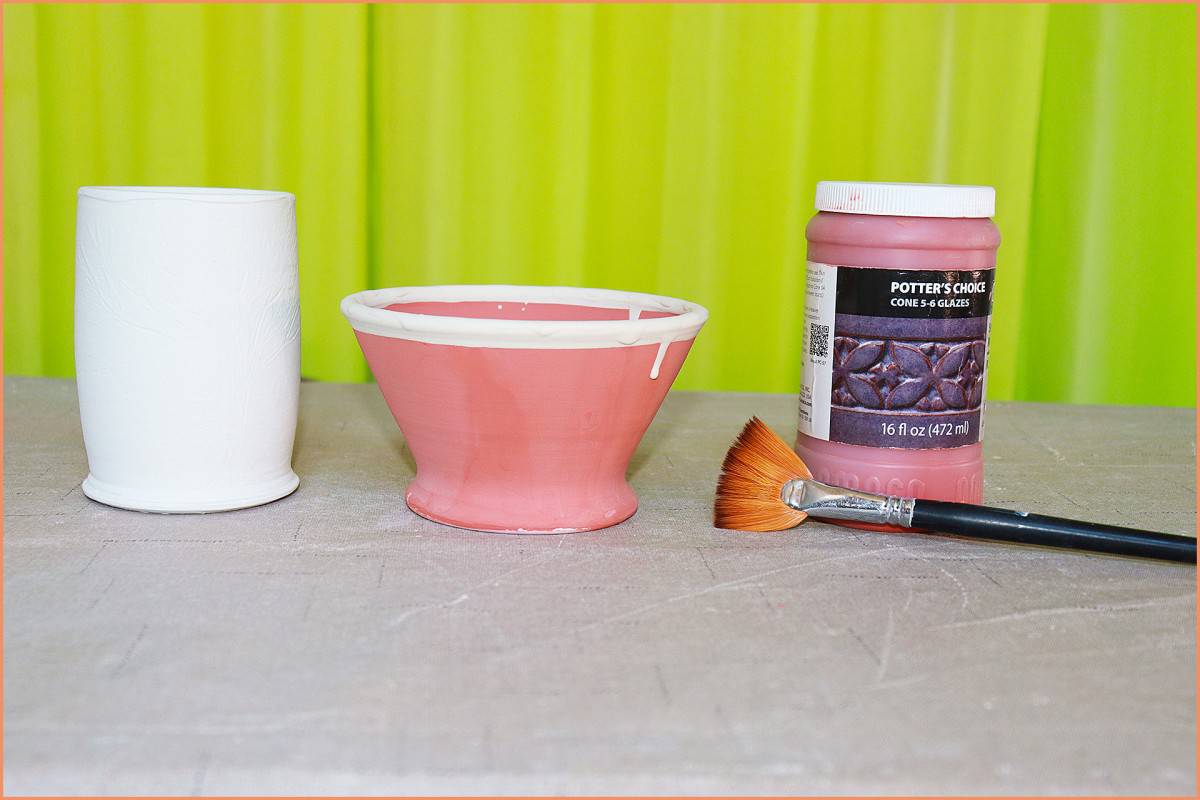
picyure of glazed pottery

To ensure success (especially as a beginner), your glaze should be the same firing temperature or Cone size as your Clay. For more helpful information, check out 27 Glazing tips.

Step #8 Put your Pottery in the kiln for a glaze fire

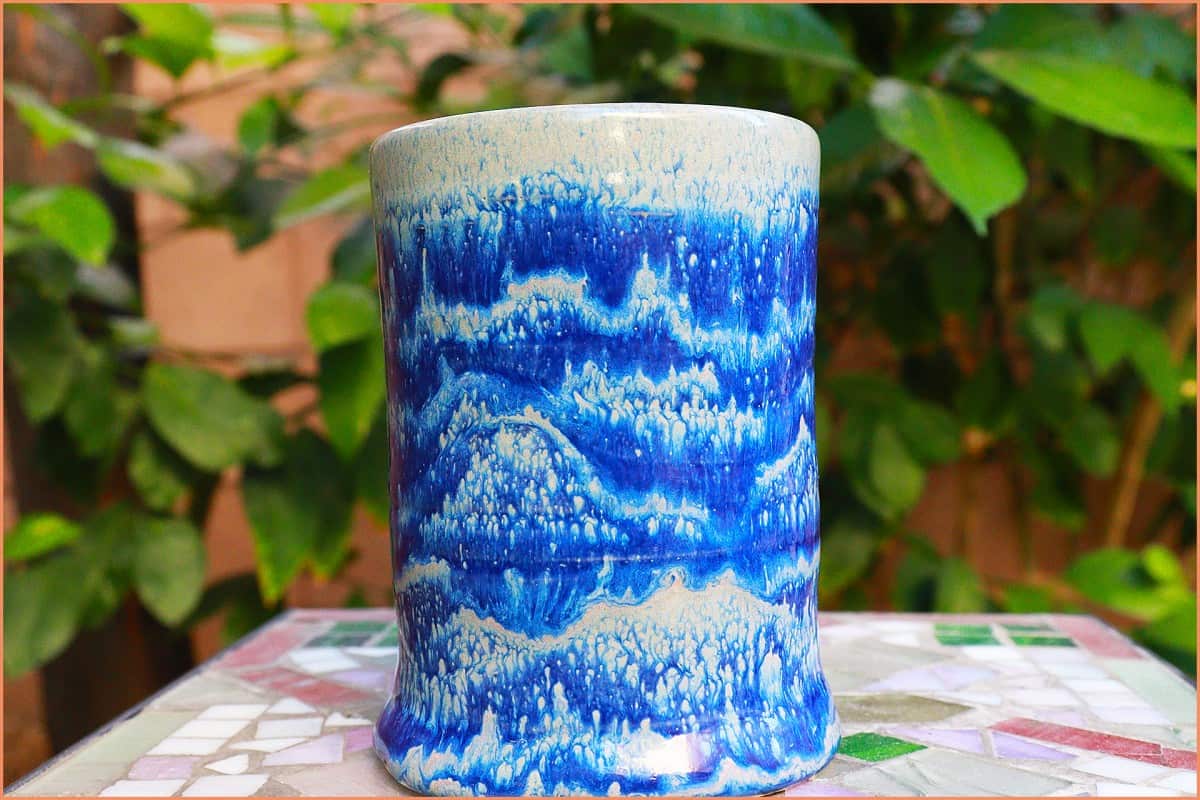
After you have let the glazed pottery dry, Load it in the Kiln for the final fire (Video). Temperatures in the pottery kiln range from 1828 degrees Fahrenheit (998 C) to 2345 degrees Fahrenheit (1285 C).

Low-Firing Temperatures

Low-fire lists as the most commonly used firing range. Low-fire clays can handle temperatures around 1828 degrees Fahrenheit or 998 Celsius. Cone 06.

Potters most commonly use earthenware for low-fire temperatures. It has a highly plastic body, and it won’t warp or sag in the kiln. Earthenware is a more porous substance, and things made from earthenware may not last as long as other clays and can be more fragile.

Mid-Range Temperatures

Mid-range temperatures refer to temperatures between 2167 degrees Fahrenheit or 1186 Celsius and 2262 degrees Fahrenheit or 1238 Celsius. Cone 5 to Cone 7.

While low-fire ranks as the most commonly used, mid-range temperatures have caught on with potters. Usually, you fire stoneware in a mid-range kiln. With mid-range firing, pots like this will have more durability.

High-Fire Stoneware

Finally, we will look at how you might use the higher temperatures in a kiln. The average temperature for high-fire is right around 2345 degrees Fahrenheit or 1285 Celsius.

If you intend to fire at higher temperatures, be aware that you will need to buy a glaze that can handle the higher temperature. After using a high-fire clay and glaze, your pottery will be exceptionally durable. The surface characteristics become hard, nonabsorbent, and vitrified.
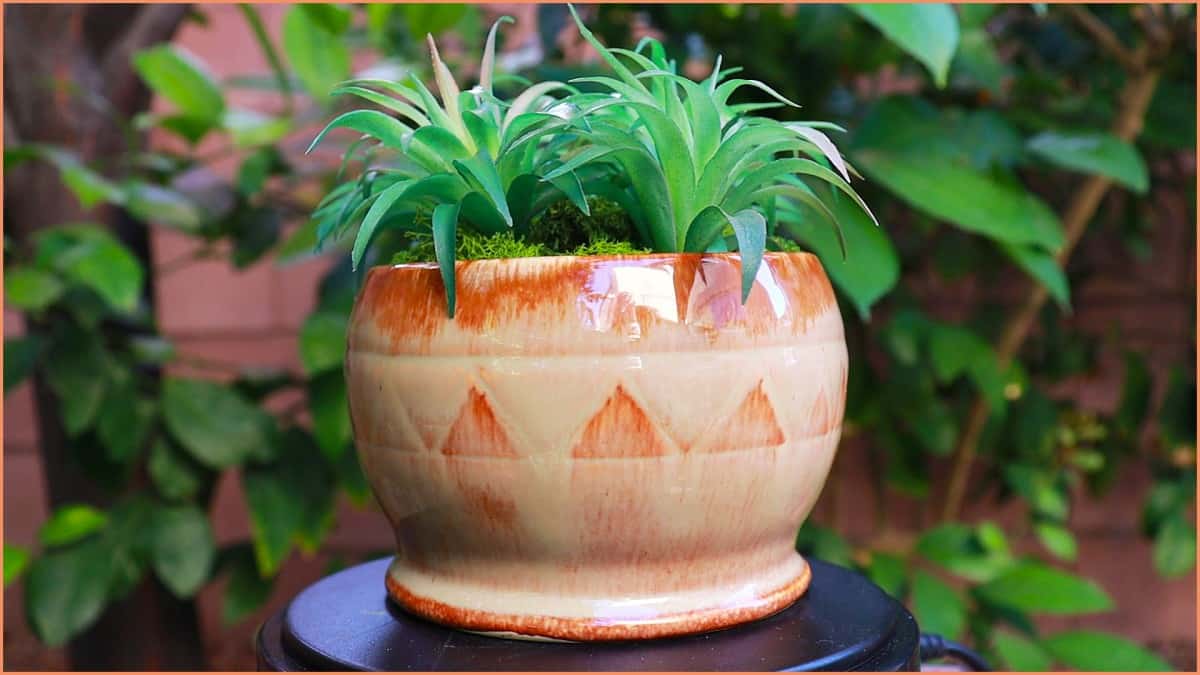

Now you have the final piece that you have made by hand. It’s amazing how you use the 4 earth elements (Clay, Water, Air, and Fire) to create a beautiful piece of pottery.

To learn more about the cost of making pottery, go to: Is Pottery An Expensive Hobby?

Conclusion

After reading this article, you should have a better understanding of the process that goes into making pottery. Hopefully, you’re excited to try your hand at it and Set Up a Home Pottery Studio. All you’ll need is some Clay, Glaze, and Tools to get started.

The process can be as easy or challenging as you want it to be and is a great way for beginners to learn the basics of pottery making. You can choose from any of these 30 Pottery Wheel Project videos to see the process from beginning to end.

It does take a while to make a piece, but it’s all worth it though because you get something that is uniquely yours! As a beginner potter, don’t be afraid to start Selling your Pieces even if you feel like you still have a lot to learn.

Post navigation

Previous Previous
Brent CXC Pottery Wheel – OWNERS REVIEW – Buyers Guide
NextContinue
Can Handmade Pottery Go In The Dishwasher?
Search

Get Your Free Claymail Alerts

Subscribe and start learning today! 

Pottery Crafters Claymail Alerts are completely free, and you have the freedom to unsubscribe at any time.

You're All Set!

Congratulations! You're now a member of the Pottery Crafters Claymail Alerts newsletter. 

Get ready to explore the art of pottery with the latest techniques, tips, product reviews, and irresistible deals from top brands.

If you don't receive an email shortly, please check your junk/spam folder.

About Marie

Hi, I’m Marie
I’m a Potter, a Writer, and the Creator of Pottery Crafters
I also make videos on YouTube about Making Pottery.
My passion is to make Pottery and to Pass on what I’ve learned to you,
helping you in your Pottery Making Journey… Read more


Legal Information This site is owned and operated by Pottery Crafters. Pottery Crafters is a participant in the Amazon Services LLC Associates Program, an affiliate advertising program designed to provide a means for sites to earn advertising fees by advertising and linking to Amazon.com. Pottery Crafters also participates in affiliate programs with, CJ, Impact Radius, and other sites. Pottery Crafters is compensated for referring traffic and business to these companies.


  • About Us
  • Privacy Policy
  • Terms and Conditions
  • Disclaimer
  • Affiliate Disclaimer
  • Contact Us

© 2026 Pottery Crafters
Design By Marie with Kadence

Table of Contents
  • Step #1: Choose your Clay
  • Step #2: Wedging the Clay
  • Step #3: Choose a Pottery making Technique
  • Step #4: Making the Pottery
  • Step #5: Trimming and Decorating your Pottery
  • Step #6: Bisque fire the clay
  • Step #7: Glazing your pottery
  • Step #8 Put your Pottery in the kiln for a glaze fire
  • Conclusion
Scroll to top
  • Beginner Info
    • Choosing Your Pottery Clay – Best Pottery Clay For Beginners
    • 21 Essential Pottery Clay Tips for Every Potter
    • 21 Essential Do’s and Don’ts for Making Pottery Every Potter Should Know 
    • 21 Pottery Wheel Throwing Tips
    • 21 Essential Underglaze Tips for Pottery
    • How I Started Making Pottery at Home – My Guide for New Potters 
    • What is Greenware Ceramics: Understanding Its Role in Pottery
    • Is Raku Pottery Expensive to Make?
    • 30 Beginner Pottery Wheel Projects | With Easy Instructional Videos
    • How to Dispose of Pottery Clay Water | 3 Proven Methods
    • 10 Tips on How to Become a Successful and Confident Potter
    • How To Make Colored Clay For Pottery – A 6-Step Clay Coloring Guide
    • 21 Tips for Hand Building Pottery
    • Pottery Clay Extruders – Uses and Functions
    • Is Raku Pottery Waterproof: Sealing Raku Ceramics
    • Is Raku Pottery Food Safe: What You Need to Know
    • Can Pottery Clay Be Frozen
    • Stoneware Clay Vs. Porcelain Clay – Details and Facts Explained
    • 21 Pottery Clay Slip Questions Answered
    • What Is Potters Clay Made Of – Pottery Clay Ingredients Explained
    • How to Store Pottery Clay
    • How to Prevent Pottery Clay From Cracking While Drying
    • How to Throw Clay on the Pottery Wheel: A Step-by-Step Beginners Guide
    • How To Use a Pottery Kick Wheel (Ultimate Guide)
    • 7 Best Surfaces for Hand Building
    • How To Do Pottery With Long Nails – 5 Tips To Remember
    • How To Use Bats on a Pottery Wheel | Types – Usage – Storage
    • Can Air-Dry Clay Be Used on the Pottery Wheel – 3 Brands Tested
    • What Causes Pinholes in Pottery Glaze and How To Prevent Them
    • What Is the Difference Between Stoneware and Earthenware Clay
    • Can Broken Pottery be Repaired?
    • Pottery Wheel Positions and Posture – All You Need to Know
    • How to Make Kiln Cookies in 6 Easy Steps – With a Video
    • Can Handmade Pottery Go In The Dishwasher?
    • How to Make Pottery – 8 Step Pottery Making Process
    • How to Start a Home Pottery Studio
    • Which Direction Should a Potters Wheel Turn
    • Online vs In-Person Pottery Classes – A Beginners Guide
    • Are Pottery and Ceramics The Same Thing
    • Plain Clay Slip
    • Colored Clay Slip
    • 11 Problems Centering Clay and Easy Ways to Fix Them
    • 21 Kiln Questions Answered
    • 9 Common Pottery Wheel Mistakes and How to Fix Them
    • Wax Resist Tips | Protect – Decorate – Design
    • What Are Sponges Used for in Ceramics?
    • The Four Types of Clay
    • What Is Wax Resist in Pottery Used For
    • Why Every New Potter Should Take a Pottery Class
    • What To Wear When Doing Pottery
  • Product Reviews
    • Beginner-Portable-Full Size Pottery Wheel Review: Which Wheel Type Is Right for You?
    • The Original Giffin Grip and Giffin Grip Mini – Review and Comparison
    • Giffin Grip vs. Bailey Quick Trim 2: The Detailed Differences 
    • Brent CXC Pottery Wheel – OWNERS REVIEW – Buyers Guide
    • Skytou Pottery Wheel Pottery Forming Machine – OWNERS REVIEW
    • Speedball Artista Pottery Wheel – Owners Review Buyers Guide
    • Pottery Wheels Reviewed
    • Shimpo Ceramics Rebranding – A Huge Undertaking
    • The Ultimate Edger Pottery Making Multi-Tool Review
  • Buyer Guides
    • Gift Ideas for Potters – Pottery Crafters Gift Guide
    • 10 Things to Consider When Buying a Used Pottery Wheel
    • Pottery That Sells Well – 9 Pieces All Potters Should Make and Sell
    • Ultimate Pottery Glazing Tools & Supplies Guide
    • Buying a Pottery Kiln | Facts Features and What to Consider
    • Choosing an Electric Kiln – A Step-by-Step Buyer’s Guide
    • Choosing a Pottery Wheel – Step-by-Step Buyer’s Guide for Beginners
    • Best Pottery Tool Sets Under $18
    • Best Glaze Brush Sets
  • Projects & Supplies
    • Berry Bowl
    • Bowl with Chopstick Holes
    • Bowl with Chopstick Holes
    • Berry Bowl
    • Cat Bowl
    • Casserole Dish
    • Ceramic Citrus Juicer
    • Creamer
    • Honey Jar
    • Incense Holder
    • Kitchen Utensil Holder
    • Mortar and Pestle
    • Mug with a Gallery Lid
    • Piggy Bank
    • Succulent Plant Holder
    • Sugar Bowl
    • Toothpick Holder
    • Vase
    • Yarn Bowl
    • Plain Clay Slip
    • Colored Clay Slip
  • Glazing
    • Can Pottery Glaze Be Frozen
    • Do You Have to Glaze Pottery  
    • What is Glaze Made of — Ceramic Glaze Ingredients
    • Is Pottery Food Safe Without Glaze?
    • Do You Need a Kiln to Glaze Pottery at Home 
    • How to Remove Glaze From Pottery
    • How to Choose Pottery Glaze – A Beginner Glaze Guide
    • What Is Crazing in Ceramics and How To Prevent It!
    • Can You Bisque and Glaze Fire Pottery at the Same Time?
    • Sponge Glazing
    • Glaze Grinding
    • Applying Underglaze on Greenware vs Bisqueware – Which Is Best
    • What is The Difference Between Glaze and Underglaze
    • Underglazing with Split Cups For a Marbling Effect – A Step-by-Step Guide  
    • Can You Layer Underglaze
    • How Do You Mix Underglazes / Tips to Mix Underglazes
    • Underglazing Pottery | Glazing Tips Tools and Ideas
    • Bubble Glazing
    • Sponge Underglazing
    • Sponge Glazing Ombre Glazing
    • What Is Slip Trailing | Glazing Tips Tools and Ideas
  • Kiln Tips
    • Kiln Maintenance Guide: Tips for Top Performance  
    • The Differences Between a Raku and Electric Kiln Explained
    • What Is the Difference Between a Gas and Electric Kiln
    • What Temperature Do I Bisque Fire Pottery Clay To?
    • Is it Recommended that a Pottery Kiln Be Vented?
    • The Ultimate Guide to Troubleshooting Kiln Problems
    • Are Pottery Kilns Safe – Beginner Kiln Questions
    • How To Use a Pottery Kiln at Home – 13 Tips To Remember
    • What Is A Kiln Sitter? Everything You Need To Know
    • At What Temperature Can You Open a Pottery Kiln?
    • What Is Kiln Wash – Kiln Shelf Protection Guide
YouTube Pinterest
Search