
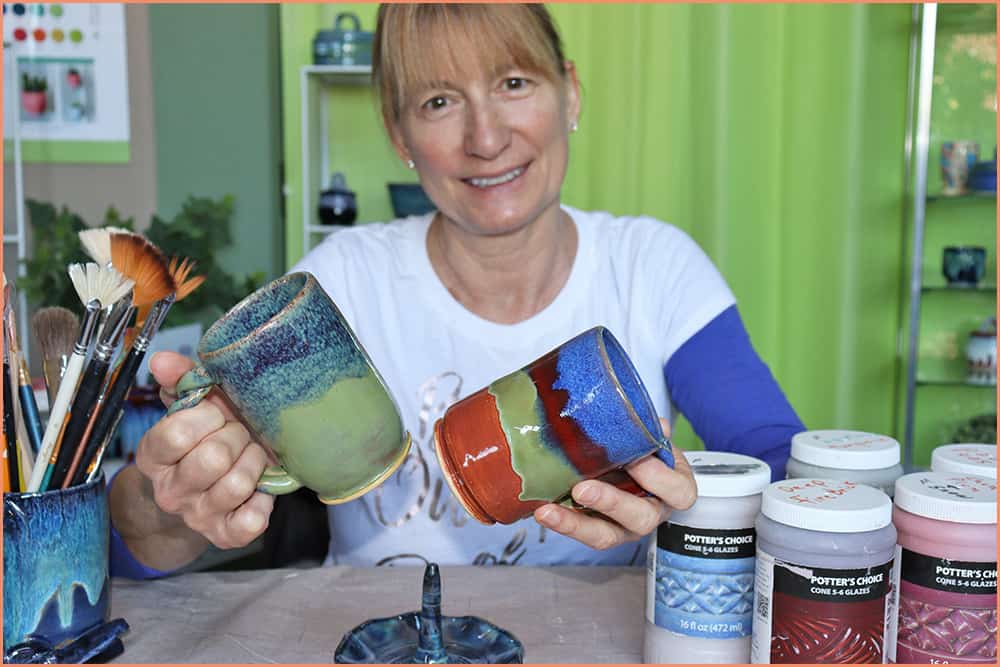
How to Brush Glaze Pottery | Tips Tools And Ideas
Glazing is an essential step in pottery. There are many ways to go about it – one of which is brush glazing.
So, what is brush glazing? Brush glazing is a glazing technique that uses a brush to apply a final layer of glaze to ceramics. It allows potters to create unique designs with multiple layers, exceptional versatility, and ample room for creativity.
This method requires exceptional attention to detail and practice to perfect. The nature of brushing often develops unevenness when coating pieces, and Beginner Potters find it a bit challenging to create even surfaces with this technique. That’s why, if there’s no requirement for intricate design details, potters prefer to use dipping glaze for their pieces.
The rest of this article will discuss the intricacies of Brush Glazing. To learn more, read on.
Affiliate Disclaimer: We are ambassadors or affiliates for many of the brands we reference on the website. As an Amazon Associate, I earn from qualifying purchases.
Basics of Brush Glazing
Many Potters, especially beginners, prefer Brush Glazing for the advantages it offers. Of all the glazing techniques that you can use in pottery, Brush Glazing gives you full control over the designs you create.

It’s not as simple as it sounds, though. There are specific steps that you need to take to be successful with brush glazing. Here are some of the basics that you need to familiarize yourself with before you brush glaze on actual pieces:
Glazing preparation
You can use brush glazing on greenware, but it depends on the design you want to create and the type of glaze you’re using. It’s best not to glaze greenware for a few reasons.
Bisque Firing Benefits:
- Greenware (Bone-dry clay) is at its most fragile Stage of Clay. The more you handle it, the greater the chance you will crack or break your piece.
- It helps prevent your ceramics from crazing, cracking, or flaking by releasing the organic gases from the Clay.
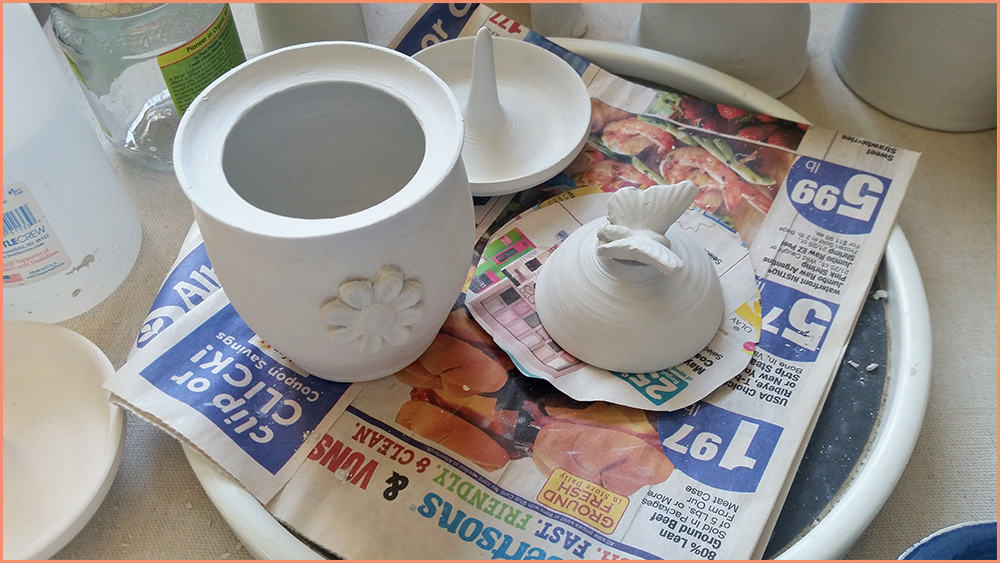
If you’re glazing bisqueware, it’s recommended to fire it to at least 1828°F (1000°C), Cone 06. It’ll create the ideal surface for glazing.
Before glazing, use a damp sponge to remove any dust on the surface. Keep your bisqueware free from any oils because glaze does not stick to oily surfaces and will not adhere to your piece when fired. Make sure you wash your hands or wear gloves.
Choose the Right Brush
Streakiness will always be an issue with brush glazing, but you can minimize it with the right type of brush. I recommend using specialized Brushes, such as Hake or Soft Fan. These are brushes that can load a decent amount of glaze and work on various colors.

It’s good to have different-sized Glaze Brushes. It will help you cover enough areas to minimize unevenness without compromising the versatility of the designs that you create.
Mixing the Glaze Correctly
When preparing to Brush Glaze, it is important to mix your glaze well. After all the time you spent creating and glazing your pottery, only to have your glaze not turn out properly because you did not take the time to mix and strain, it would be a terrible loss.
Every potter knows how it feels when you are waiting for that Kiln to cool enough to see your works of art, and the feeling you have when it doesn’t turn out. It’s worth taking the time to strain your glaze through a sieve to catch any clumps or debris that may be lurking in it.
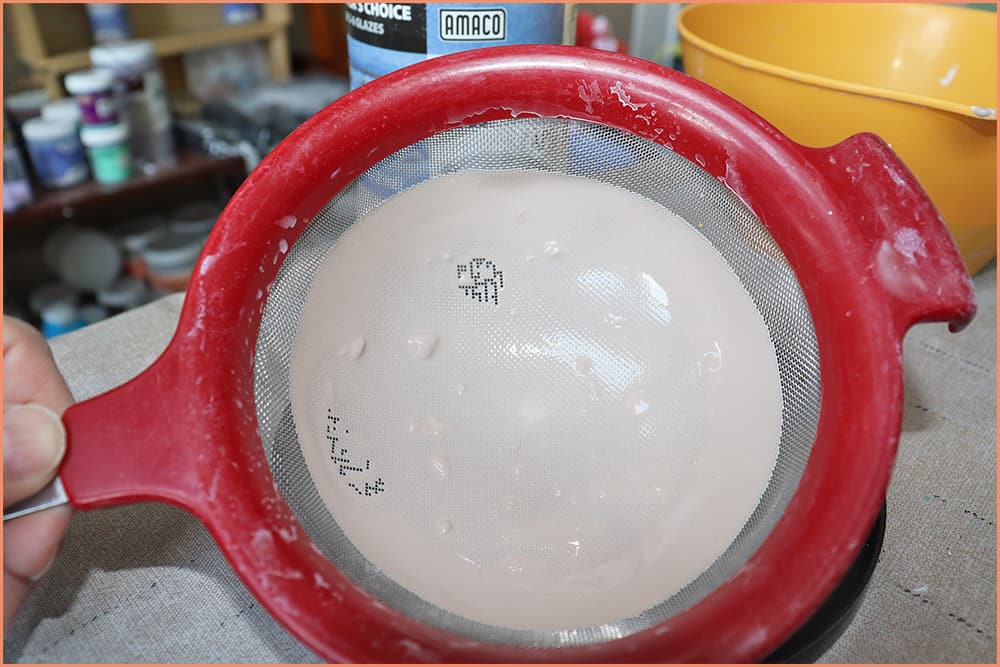
Even though bottle glazes are more stable, mixing your glaze before brushing each piece is still a good habit to get into, ensuring a nice, even consistency in the glaze. Remember, the glaze dries quickly. You can also add water to the mix if the Glaze feels thicker than what you need for your pieces.
To get more information on good glazing habits, you’ll want to check out Glazing Tips for Beginners to improve your glazing skills and raise your success rate.
Although it’s possible to mix dipping Glazes to make them suitable for brushing by using a brushing medium such as CMC to thicken and stabilize the glaze, it can be tough to mix and not feasible, especially for beginner Potters. Most potters buy glaze in bottles that are ready to brush on.
Considering this factor, we believe it would be better to buy Glaze in bottles or in a dry, ready-to-brush-on form.
Applying Glaze with a Brush
Unlike dipping glazes, which are poured into large containers, brushing glazes are usually sold in pint or gallon bottles and are designed to be applied with a brush. Because of this, they are formulated a little thicker than dipping glazes.
One of the most common problems with brushing glazes is unwanted streaking. This usually happens when the glaze is applied too thinly or with too few coats. Glaze is a glass-like material and needs sufficient thickness to melt and flow properly in the kiln.
Most brushing glazes require 2 to 4 coats, depending on how thick the glaze is and how much coverage you want. For solid, even coverage, the glaze should be about the thickness of a t-shirt once all coats are applied.
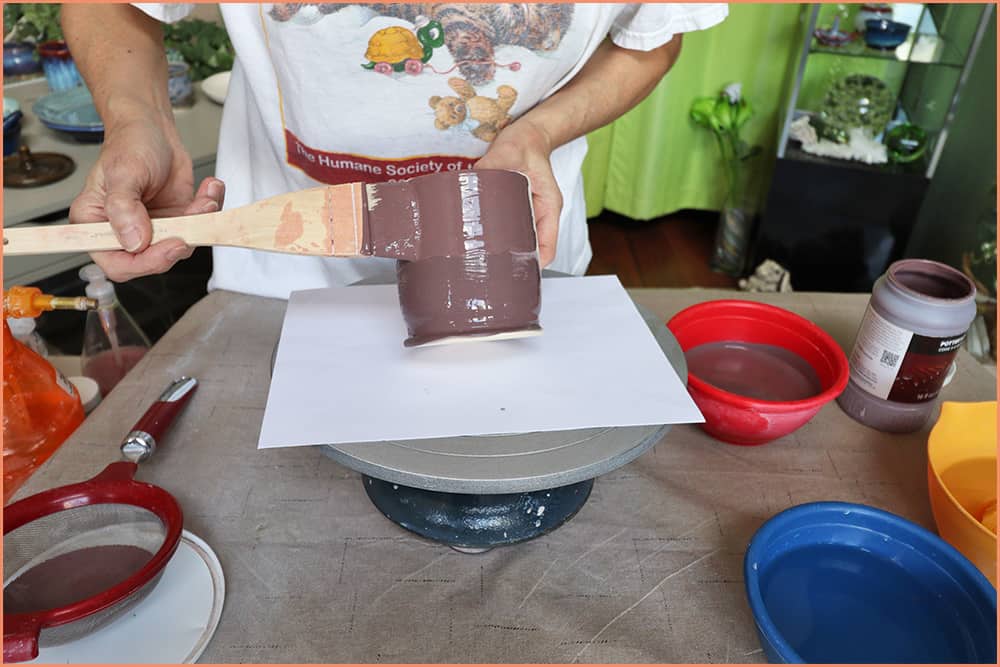
After choosing the correct glaze brush for your piece, load the brush thoroughly so the glaze flows smoothly onto the pottery rather than being dragged across the surface.
When applying your glaze, change the direction of your brush strokes with each coat. For example, apply the first coat horizontally, the second vertically, and the third horizontally. The order does not matter. This technique helps even out the glaze thickness and reduces streak marks, giving you a smoother, more consistent finish after firing.
Glaze Brushing Ideas
The fun part of Brush Glazing is all the different ways you can glaze with a good selection of Glaze Brushes, and it can really capture your imagination.
You can float some heavy coats on indiscriminately with a Hake brush or make different color bands with Detail brushes.
You can also load up your brush and slowly spin your pottery wheel or Banding Wheel (turntable).
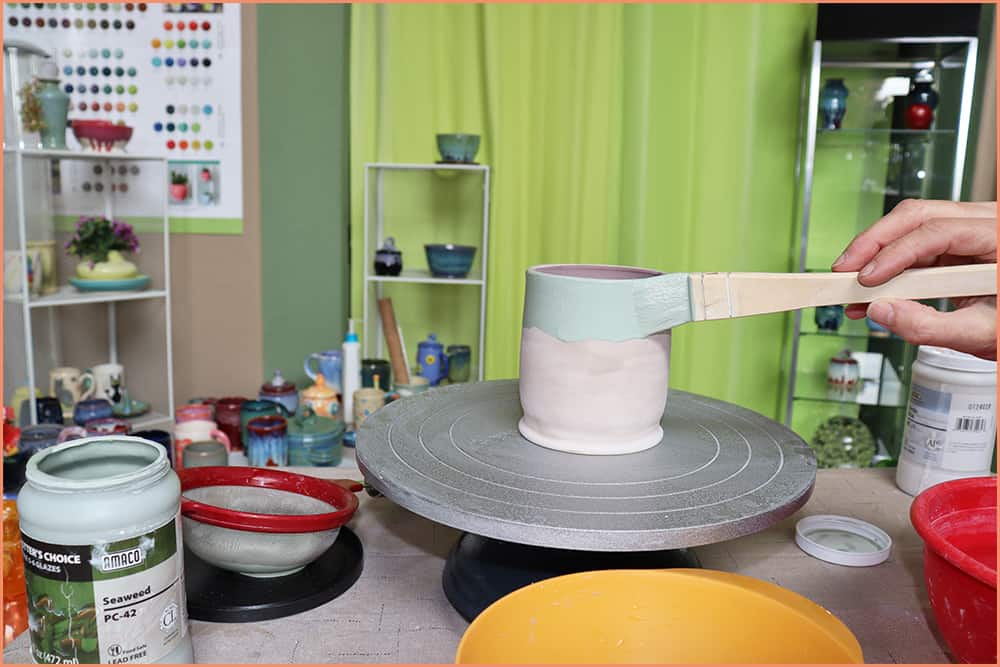
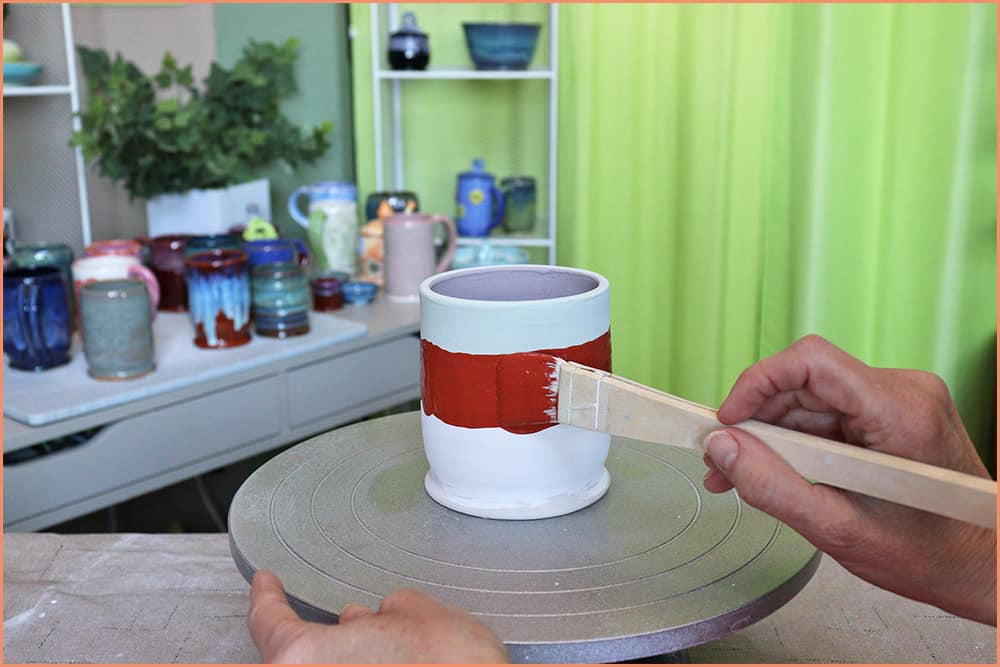
Some potters intentionally create a streaking pattern. If you want your finish to be smooth, load your brush and apply 3 flowing coats of glaze. Allow each coat to dry before applying another.
Advantages of Brush Glazing
It’ll take a lot of time to perfect this glazing technique, but it offers many benefits, especially when working on unique pieces. Here are some of the reasons why you should consider brush glazing:
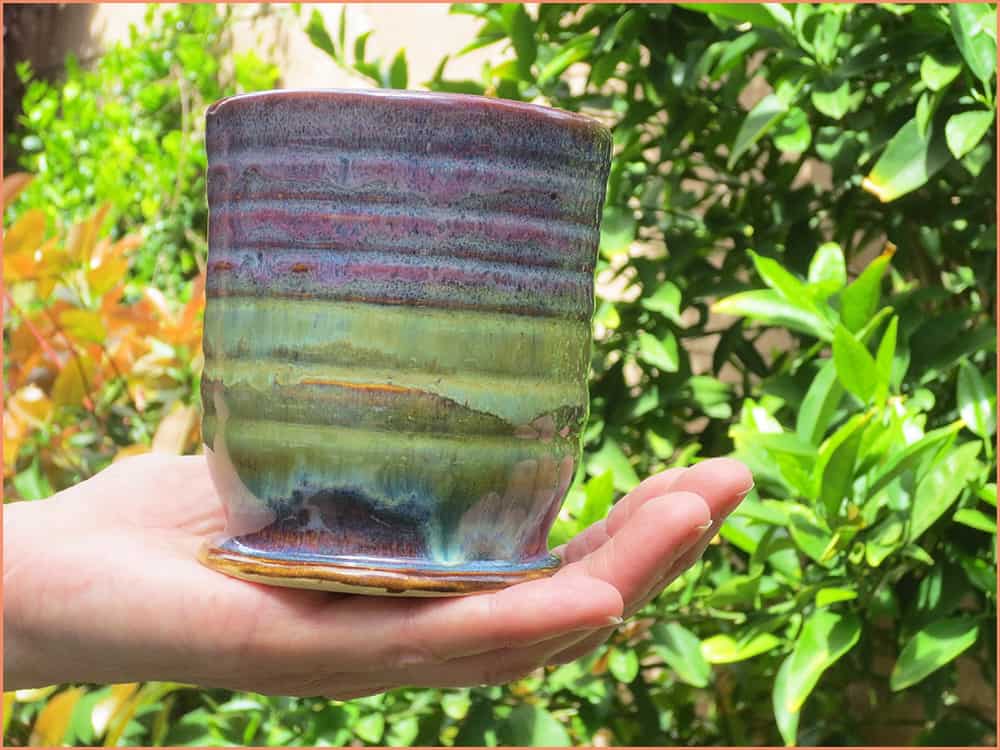
- It allows potters to have the broadest range of colors and visual effects possible on ceramics. The exceptional control that it provides makes it possible to create design elements that are more intricate than dipping, bubbling, or sponging.
- Using different types of brushes will give you the freedom to apply composite layers, creating more depth in your pieces.
- There’s no right or wrong way to glaze a ceramic with a brush, and since multilayering is possible, you can cover any imperfections or design elements.

- Unlike dip glazing, brushing is cheaper to start because you don’t have to make buckets of different glazes to achieve multilayering on your ceramics.
- There may be fewer imperfections with your craft because brush glazing uses a thicker glaze.
- Since you’re using different types of brushes, you can create more intricate special effects on your ceramics. You can use metallics, bright colors, or even layered effects.
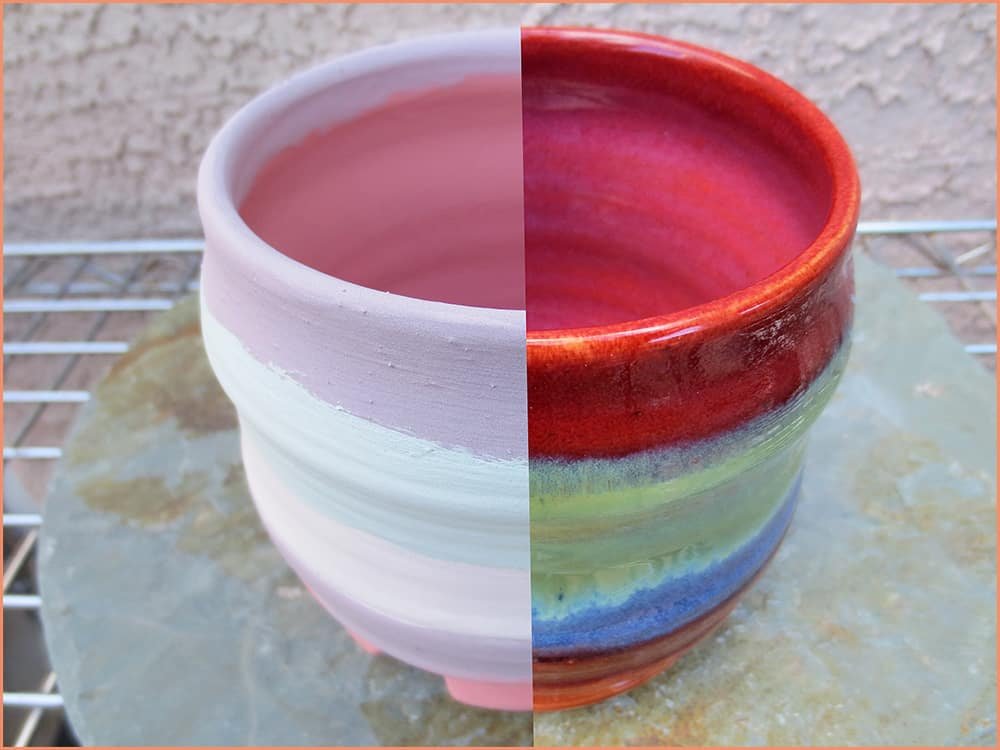
With enough practice, brush glazing can give you endless potential for coating or designing your ceramics. Check out my selection of Glazes Here that are great for brush glazing.
However, you have to be careful when using this technique because of a few disadvantages that could ruin your piece.
Disadvantages of Brush Glazing
Despite having complete control over the design elements they can implement on their ceramics, some potters still avoid brush glazing. Here are some of the most significant disadvantages of this technique:
- Unlike dip glazing, where you only need to make your glaze from powder, brushing glaze requires a combination of DIY and commercial bottled glazes. It may cost more if you’re glazing a lot of ceramics and need to stock up on supplies.
- When making your glaze from powder, you know what it contains, whereas bottled glazes are unknown. It can create adverse effects on your ceramics.
- Brush glazing is a slow process. A brush-on glaze takes longer to dry than a dipping glaze. To get the best results when brushing, you need at least 3 coats, and you should let the first coat dry before applying the next layer.
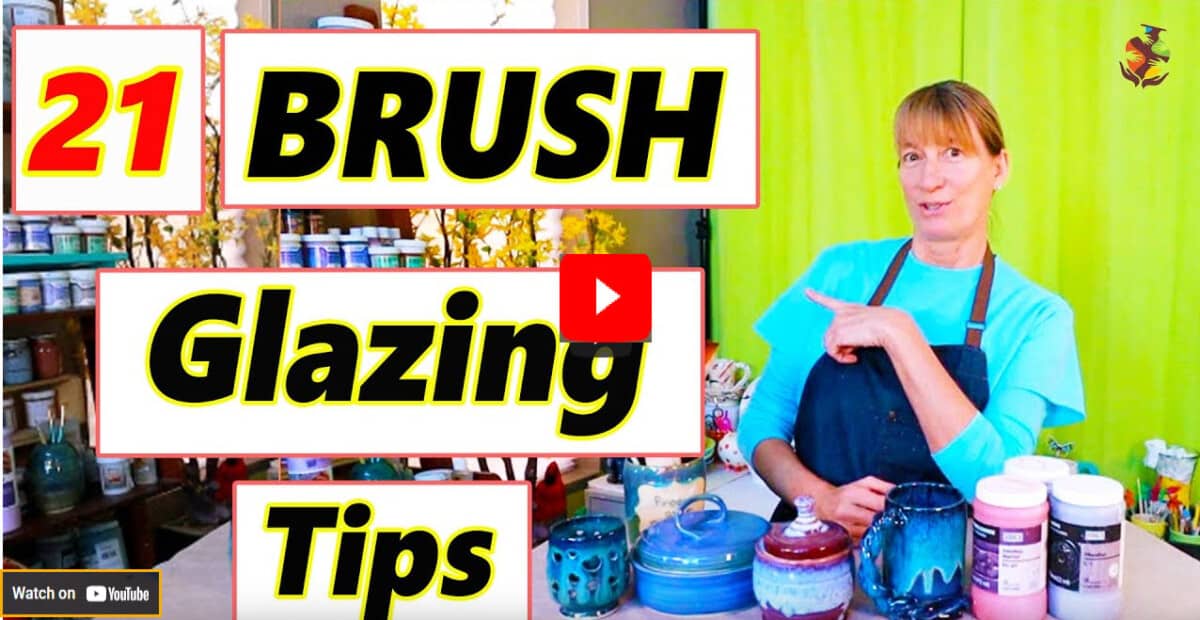
For more detailed information on brush glazing, check out my 21 Glaze Brushing Tips YouTube Video below.
Conclusion
Brush glazing is more time-consuming than dipping your pieces in glaze, but it offers more opportunities to create intricate designs. Seasoned potters use a combination of dipping and brushing to get the best finish with their ceramics.
Although it presents endless possibilities, brushing takes practice to perfect. You’ll need to familiarize yourself with brush glazing to make your pieces look good.