
Can You Bisque and Glaze Fire Pottery at the Same Time?
You can Bisque and Glaze fire at the same time, but it isn’t recommended for beginners. Bisque firing is required to increase your pottery’s durability, making it more stable for the following glaze and fire. It takes experience and care in choosing materials and techniques to combine the two.
Once your Clay is molded and bone dry, it’s time to fire it in the kiln. However, some new Potters may ask about the importance of bisque firing, as it’s not uncommon for seasoned Potters to skip the first firing and apply glaze to bone-dry greenware, streamlining the firing process into a single cohesive action. This is known as Single firing. But can you bisque and glaze fire at the same time?
This guide will cover Bisque firing, Glaze firing, and you’ll learn about the benefits and disadvantages of Single firing. How to find a process that works for you, what it takes to do so effectively, and whether you want to implement it in your ceramic process. Let’s get started.
Affiliate Disclaimer: We are ambassadors or affiliates for many of the brands we reference on the website. As an Amazon Associate, I earn from qualifying purchases.
Why You Should Bisque Fire Pottery First
Bisque Firing in pottery is heating the clay in a kiln to turn it into ceramic material, and there are many different types of ceramics based on the clay used. But do you have to bisque fire first?
Bisque firing is intended to prepare the ceramic for glazing, so it’s easier to glaze, and the glaze also absorbs into the pores of the bisqueware. This is also an important process in pottery because many commercial glazes are made for bisqueware.
Electric, gas, wood firing, and Raku are all popular methods for firing ceramics. Though most potters use an Electric Kiln for firing because they’re more accessible. That being said, it’s possible to bisque and glaze fire (single fire) in any type of kiln. Let’s take a closer look at bisque and glaze firing to better understand why they’re typically done separately.
What Is Bisque Firing?
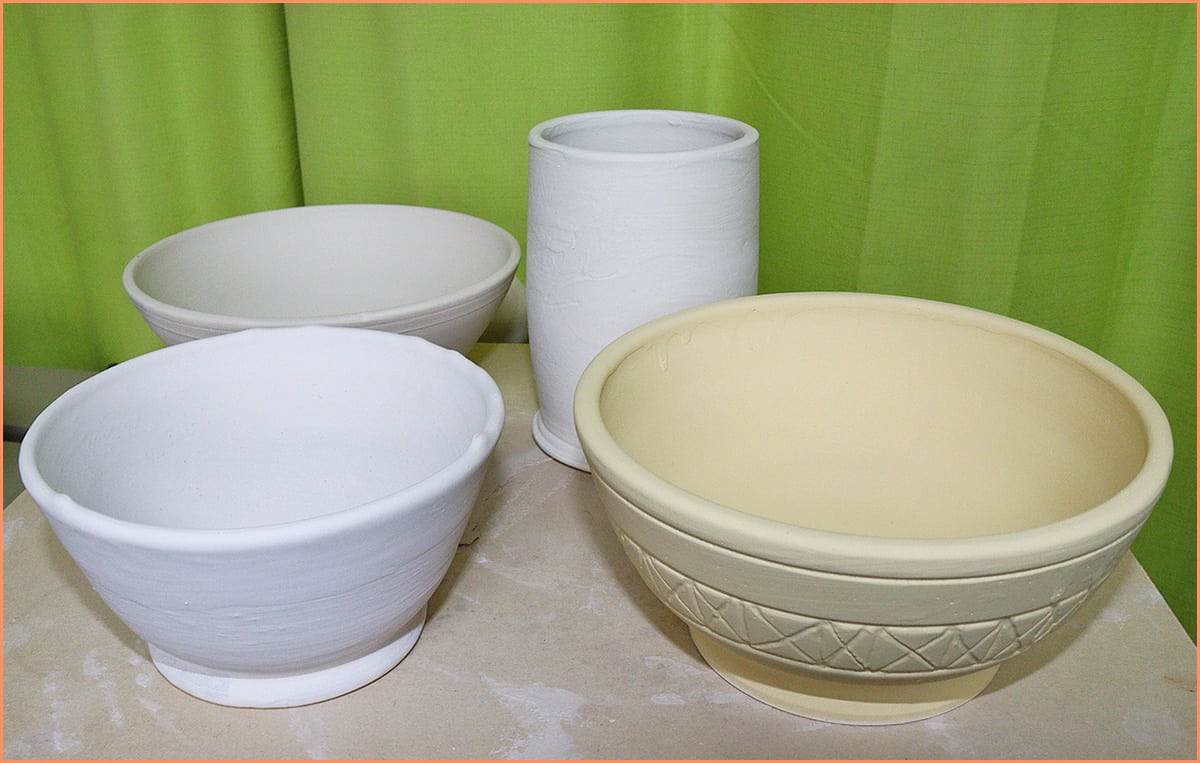
This process transforms clay from a fragile material into a porous, sturdy ceramic. It involves taking greenware (the fragile, unfired piece of pottery) and heating it in a kiln to become ceramic.
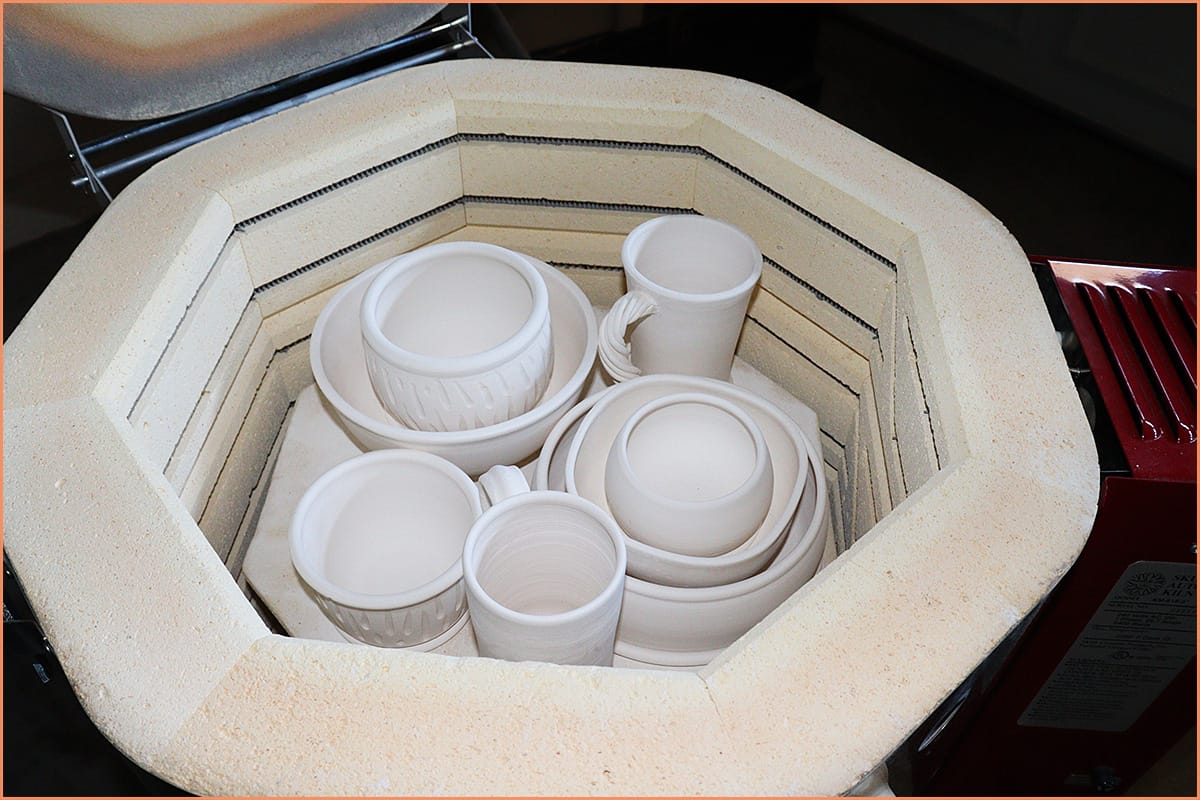
A Bisque (or biscuit) is the name for the fired but unglazed version of the pottery. It’s more durable than greenware (which is simply molded and air-dried clay) and is considered an unfinished piece.
It’s important to note that the temperature used for bisque firing is typically Cone 06 – 1828 degrees Fahrenheit (998 degrees Celsius) to Cone 04 – 1945 degrees Fahrenheit (1063 degrees Celsius). Any higher and the pores in the ceramic will start to close. During that increase in temperature, moisture and organic materials leave the clay, allowing it to become a hard, durable ceramic.
What Is Glaze Firing?
This process is used to bond the glaze applied to ceramics. Glaze refers to the blend of water and minerals applied over a ceramic that gives it a smooth, glossy, satin, or matte finish. In addition to its beauty, it also strengthens the final product.

Potters use Glaze in various colors and textures to create intricate patterns, vibrant hues, and unique works of art. In most cases, the glaze is applied onto the surface after a pot is bisque-fired.
After decorating your ceramic with matte, satin, or glossy glaze, it’s placed in the kiln and again slowly brought to the right temperature. The length of time it takes to glaze fire depends on the kiln and cone size used, which may be over a day.
Glaze firing not only secures color and decoration but can also waterproof the pot. Once glaze-fired, a piece of pottery will be considered finished.
Can You Skip Bisque Firing?
You can skip bisque firing and head straight to glaze firing, but it’s not always advisable. To skip bisque firing, you need to undertake other procedures to ensure that your pottery makes it out of the kiln alive and without any cracks, crazing, crawling, bubbles, or pinholes.
This process, known as single firing, has some advantages and disadvantages for the health of your pottery.
Single Firing in Pottery
The term single firing refers to combining bisque and glazing into a single firing cycle. Many ceramists practice single firing with mixed results. In essence, single firing eliminates the need for bisque firing. To use a single-fire process, you’ll need to work on raw glazing or glaze your greenware.

Part of what makes single firing difficult is that glazing before any firing process doesn’t allow impurities and gases to come to the surface beforehand. With that said, there’s a risk of failure in the kiln.
Disadvantages of Single-Firing Pottery
Single firing isn’t as popular as dual firing with bisque and glazes for a few reasons. The main issue is that a single firing can be hard to master and can even lead to a destroyed piece. It comes down to what will happen in the kiln with the glaze on the raw clay piece.
Here are the disadvantages of single firing:
- Cracks and Explosions in the kiln. Because single firing uses a water-based glaze on top of a greenware piece, some errors can occur. When not done correctly, moisture and impurities can become trapped inside, creating cracks and an explosion in the kiln.
- Damage during glazing. Your pot can also be damaged in the glazing process. Bisque firing enhances the ceramic’s durability, making glazing a more effortless experience. By eliminating this and only using a single firing process, you then have to glaze delicate greenware.
Advantages of Single-Firing Pottery
Some artists prefer single firing because it saves time and makes the process cohesive. When done correctly, a single firing can save the artist time and energy. Because you’re loading the kiln once, single firing is a great way to cut down on the time and energy spent loading the kiln.
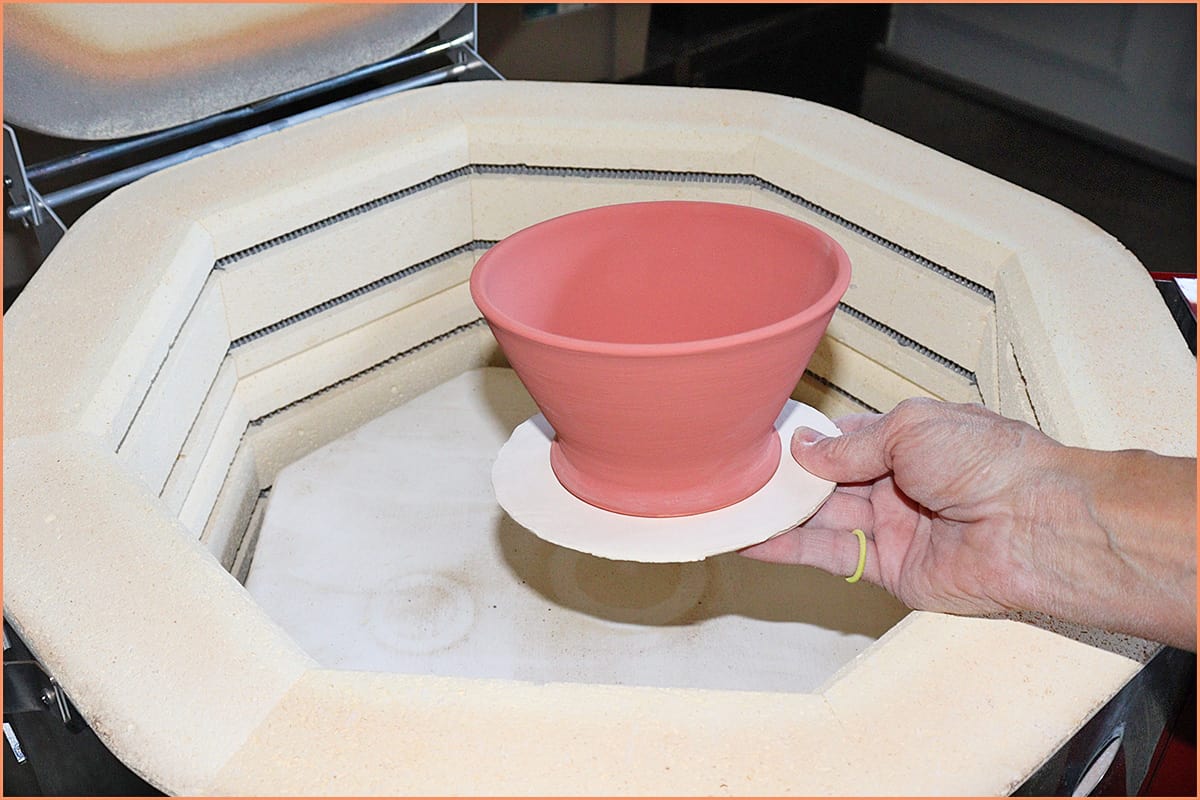
You can save on electricity costs and wear & tear on your Kiln. You also have less dust in your studio if you sand bisque-fired clay.
How To Single Fire Pottery Effectively
Other than precision, patience, and practice, there are a few ways to enhance your single-firing process.
Depending on your kiln programming choice (implementing a slow preheating cycle), single firing is an option that can create beautiful works of art.

Your choice of clay, glaze, and glaze application will significantly influence the quality of your final work. Because many commercial glazes are made for bisqueware applications, it is better to make your own glazes. That’s another reason why seasoned potters have a higher success rate.
Your glaze application can affect the ease of the firing process. Some artists recommend spraying as the best application process for single firing. Spray Glazing allows more water to evaporate from the glaze before it hits the pot, removing additional moisture.
Underglazing Pottery is a Different Glazing Process to Consider
Underglazing occurs when a transparent glaze is applied over colors made with clay and frit to create a permanent design. It offers the artist a way to enhance the look of colors and decorations as desired. In some cases, Underglazing can benefit from single firing.
You can apply underglaze to Leather hard, Bone dry, or Bisqueware Stage of Clay.
Underglazing and applying a transparent glaze coat to leather-hard or bone-dry clay does save time and resources, but is still recommended only for more advanced potters. It requires a certain skill level, but anyone can implement single firing with the correct glaze recipe, instructions, and patience.
Can You Bisque Greenware and Glaze Fire Pottery in the Same Kiln?
One other question Potters have is whether you can have pots at different stages in one kiln. For example, if you have a set of pots in the greenware stage that still need a bisque fire and another group that’s been decorated and is ready for the glaze fire.
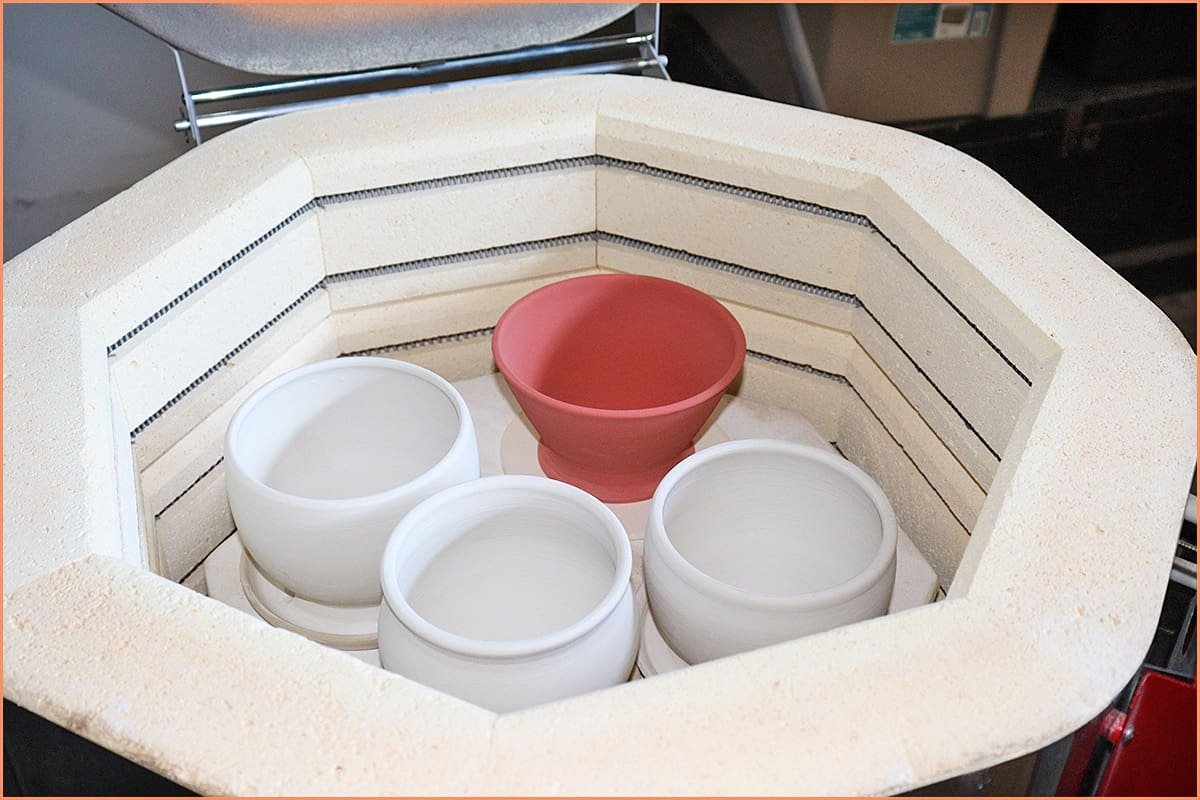
In those cases, it’s possible to fire both sets simultaneously, but it’s not recommended. During bisque firing, pieces can touch without damaging the final piece. However, with glaze firing, you need to space the pots far enough apart to avoid them touching.
You can bisque greenware and glaze-fire pots in the same kiln because the two processes share a similar schedule. However, you must choose clay and glaze that work with the same heat level as your bisque pots. This means you can only glaze fire and bisque fire with low fire Clays and Glazes – Cone 06 – 1828 degrees Fahrenheit (998 Celsius) to Cone 04 – 1945 degrees (Fahrenheit (1063 Celsius). Because you cannot bisque fire to cone 5. Additionally, make sure you place the greenware pots on the lower shelf and space glazed pots accordingly.
Conclusion
Many seasoned Potters wonder about changing their firing process, having learned about pottery over the years.
Still, no matter the potter’s experience level, firing is notoriously temperamental. And though combining the bisque and glaze firing processes can simplify the cycle, it comes with its own set of challenges.
If you have the time and energy to experiment with single firing, you might find a practice that works for your art.
For more information on kilns, check out How To Use a Pottery Kiln at Home – 13 Tips To Remember.