
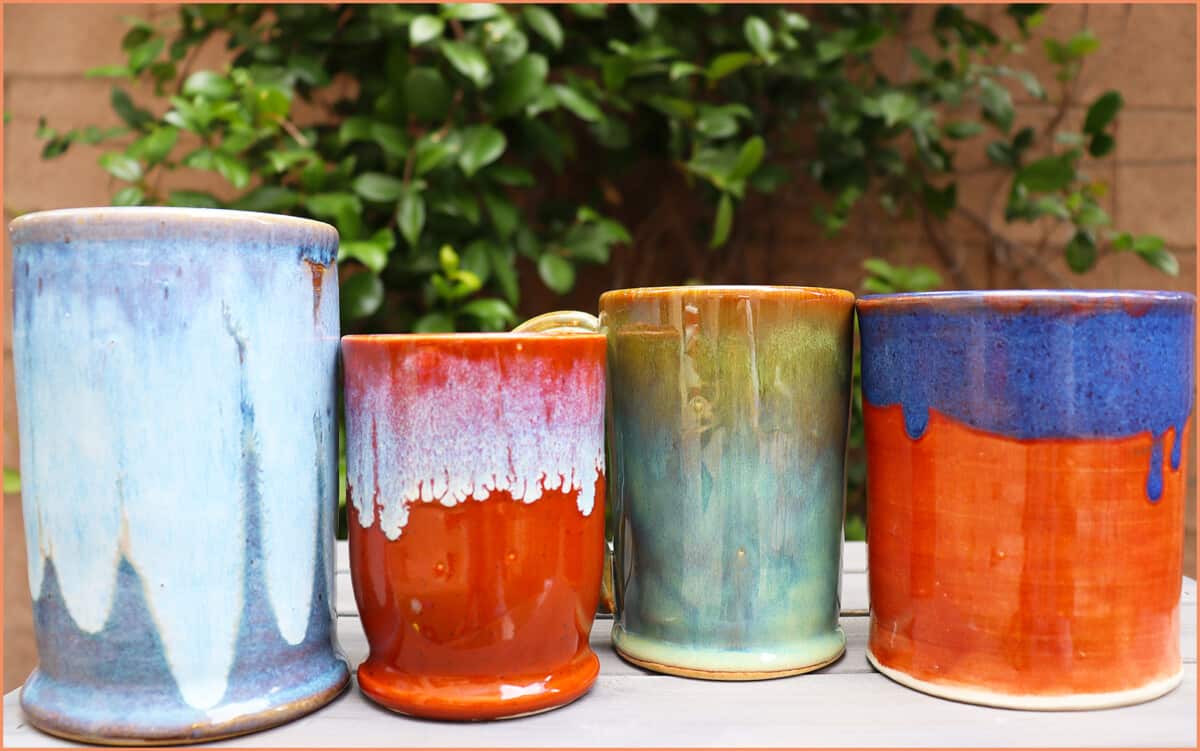
What Causes Pinholes in Pottery Glaze and How To Prevent Them
Pinholes are one of the most common imperfections that occur during or after glazing pottery. Although you may prefer a few pinholes for aesthetic and stylistic reasons, you will also want to minimize them for safety and hygiene. In order to do so, you need to understand what causes pinholes in pottery and how you can prevent them.
The main cause of pinholes in pottery is air bubbles created by gases in the Glaze or Clay body. You can minimize them by using finer particles, adding more flux, applying a second, thinner glaze layer, and using a well-ventilated kiln.
In this post, I will elaborate on the factors leading to pinholes in pottery glaze and what you can do to address them.
Affiliate Disclaimer: We are ambassadors or affiliates for many of the brands we reference on the website. As an Amazon Associate, I earn from qualifying purchases.
Gases Have Formed in the Glaze
The most common cause of pinholes in pottery is the gases that form on the Glaze in the shape of bubbles. During firing, gases escape from the Glaze and/or Clay body and form bubbles that penetrate the surface.
These bubbles burst, creating cracks inside the Glaze known as pinholes. These gases can have many different sources, including organic matter in the clay.

How To Prevent
To make sure the body composition of the clay isn’t the culprit. You can slow your bisque fire down. Raise your bisque firing temperature (no higher than cone 04). Or select a lighter Clay body. Darker clays will produce more gases, while white clays contain less organic material and burn cleaner.
You will need to eliminate clumps or coarse particles in your glaze by sieving (running it through a strainer). This is especially important when making dipping glazes.
The Glaze Wasn’t Applied Properly
One of the most important features of the Glaze you use is that it should be suitable for the glazing process. For example, if you use a fast-fire glazing process, you need to use a glaze composition that fits it. You need to add materials that produce a later melt.
Otherwise, fast-firing using materials not specifically formulated for this process will lead to pinholes and other imperfections.
Another problem related to the glaze application happens when you glaze the inside and outside simultaneously. In such cases, the water content absorbed during the process traps the air inside the bisque’s pores. Check out Glazing Pottery Dip, Drip, and Brush | Pottery Glazing Tips for more detailed information on applying pottery glaze.
How To Prevent
To avoid this problem, rinse the bisque, wipe it dry, wait for one hour, and glaze it. This way, you can reduce the amount of trapped air and produce fewer bubbles.
Additionally, you can rub down all visible pinholes after applying the Glaze, or add a thin layer of Glaze again after adding some water.
The Kiln Lacks Proper Airflow
During the firing process, the decomposition of the clay body and glaze materials produces many byproducts in the form of gases. You need oxygen to oxidize these products and remove them from the kiln and from the glaze surface.
How To Prevent
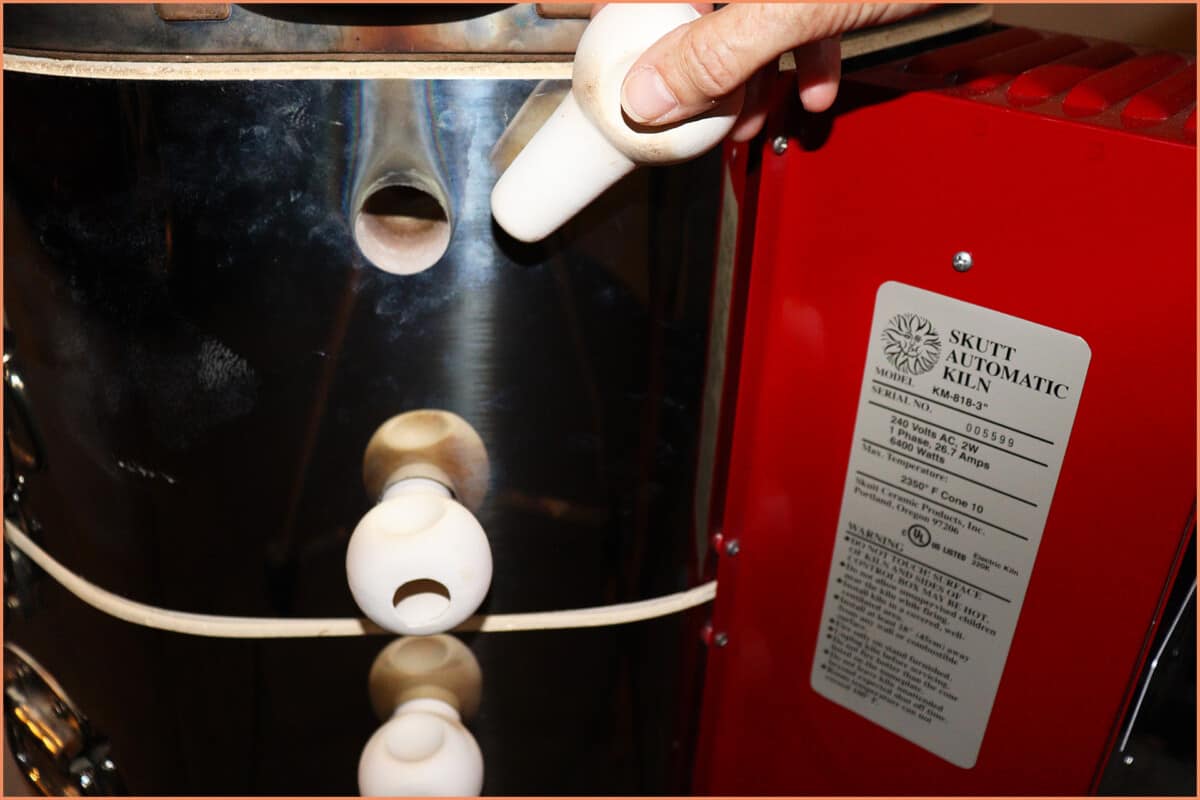
Make sure your Kiln has adequate airflow to allow air to pass through all the ware. Keeping the top peep open throughout the firing will help. Also, having a downdraft venting system.
Pinholes can also form during cooldown, which makes it important to manage this process. This is because rapid cooling freezes the bubbles before the Glaze has a chance to flow and eliminate the pinhole. Smaller Kilns do cool down faster. Controlled cooling or using thicker bricks helps slow the cooling process.
The Single-Firing Process Can Reduce the Body’s Strength
After crawling, pinholes are the second most common problem in single-fired pottery. As the name suggests, once-firing refers to the process of glazing the dried ware in one operation. It weakens the bond between the Glaze and the Clay body, creating more gas during firing than in bisque-fired.
How To Prevent
One possible solution is bisque firing, especially when the gases in the raw clay body don’t pass through the glazing process.
Avoiding bubbles and body dehydration is challenging. You need to make a glaze slurry that tolerates shrinkage, creates a good bond between the body and the Glaze and maintains an efficient drying process.
The Glaze Is Too Thin
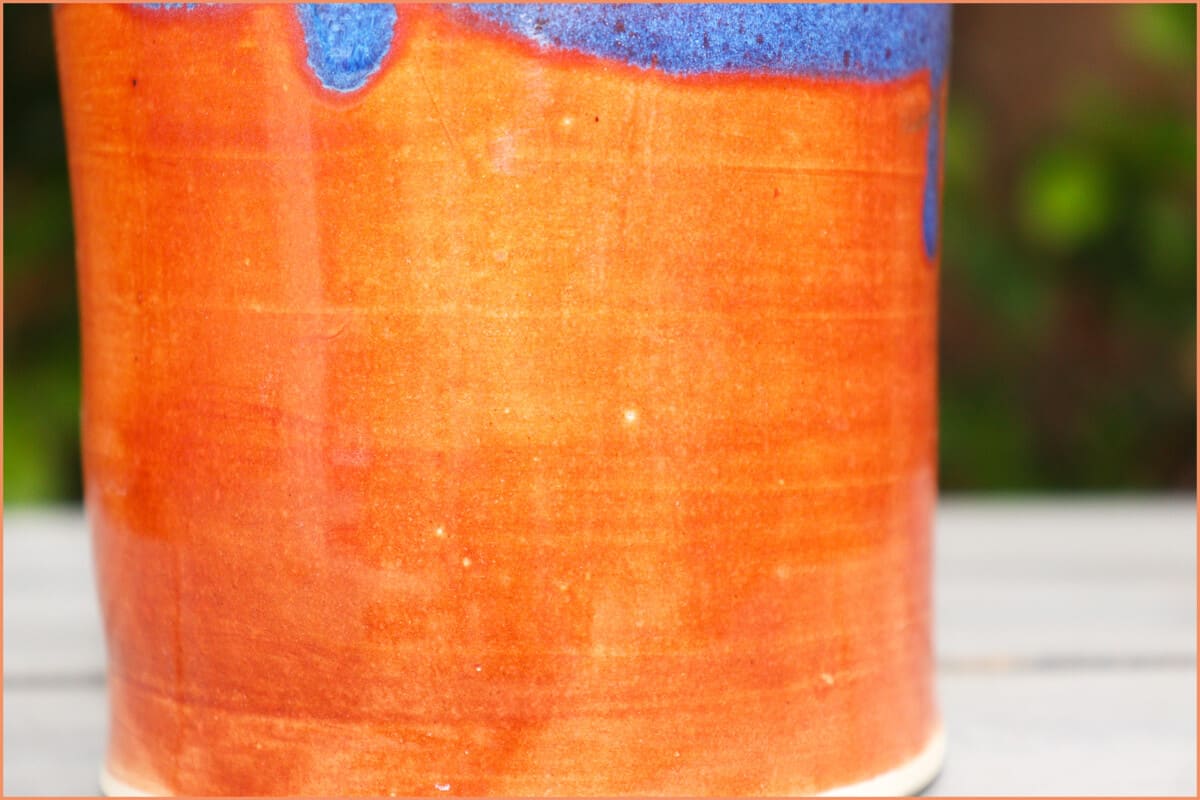
If you add only one thin layer of Glaze, it won’t cover the surface properly. Increasing the glaze thickness or adding another layer of Glaze will help you reduce the number of pinholes.
The Glaze must be thick enough to be stable and not run down the surface. Keep in mind that if the Glaze doesn’t bond well with the surface, it will lead to crazing.
How To Prevent
To make sure thin Glaze doesn’t lead to pinholes and other problems (like crawling), you will need to control the amount of water in your glaze material. This will ensure it’s dense enough to stick to the surface and thin enough to flow uniformly and minimize airspace.
Keep in mind that the water you use should be distilled and dust-free to avoid making pinholes while the Glaze dries. If the Glaze is contaminated, you may experience sparse and few pinholes. You can check by running the Glaze through a fine screen.
The Glaze Was Fired Too Quickly
Suppose you perform the glaze firing process too rapidly. In that case, the glaze melt doesn’t have enough time to run over and eliminate the gases. If you see more pinholes in the thicker parts of your pottery pieces, you can fix the issue by firing more slowly.

How To Prevent
The Glaze and clay body’s characteristics determine what part of the process needs a slower firing. For example, when you have early-melting materials in your Glaze, it’s better to wait for the frit to start fusing. You can just slow the firing down just before that to allow the maximum amount of gas to escape.
It’s better to choose a slow firing rate. Or you can fire at a medium speed, one cone down, and apply a 10- to 20-minute hold at the end of the fire. Again, it’s about the temperature and the time.
For example, if you fire to cone 6. You will want to fire to cone 5 and place a 20 hold at the end. This is equal to firing to cone 6 but allows the glaze to cure more. I glaze fire this way and hardly ever get pinholes.
The Bisque Firing Process Was Too Short
The primary factor in creating pinholes is the production of gases. However, long bisque periods can eliminate these gases. That said, you shouldn’t go overboard with a long, high-bisque firing, as it may lead to overfiring, another cause of pinholes. In addition, high bisque firing makes the ware less absorbent, reducing the effectiveness of glazing. A recommended bisque temperature is cone 06 and even 04.
How To Prevent
The only solution is to determine an optimal temperature between high-bisque firing and overfiring by analyzing the clay body and glaze compositions.
Another thing to remember during bisque firing is to briefly soak at the highest temperature to help the bubbles fire out. For example, you can fire to Cone 05 or 06, hold at peak temperature for 15 to 20 minutes.
The Glaze Is Too Dense
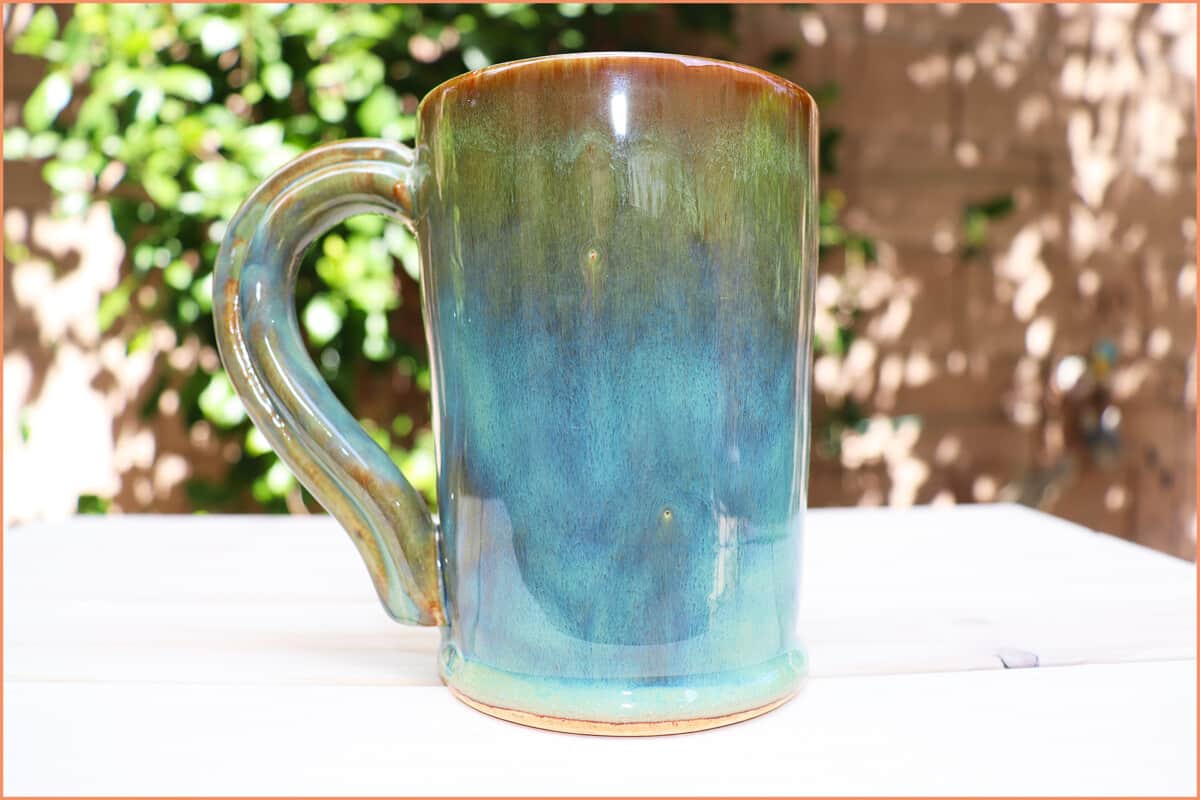
When you melt the Glaze, it should flow freely, allowing gas bubbles to pass through and out of the way without getting trapped on the surface. Unfortunately, resistance to flow occurs due to inadequate melting. That said, some materials inside the Glaze can make it too dense. For example, even if the Glaze melts well, high zirconium or aluminum content can make it not flow smoothly enough.
How To Prevent
Melt flow testers can help you take the guesswork out of determining melting properties, because looking at glaze flow doesn’t tell you how fluid the Glaze is.
Suppose the tests show that your glaze fluidity is low. In that case, you can increase the flux levels by adding small amounts of zinc oxide, lithium oxide, or strontia. That’s particularly the case when you see vertical ware developing fewer pinholes than horizontal ones. It’s a clear sign that the Glaze isn’t fluid enough.
Alternatively, you could decrease the alumina content to make the Glaze more fluid. Still, it’s not suitable for matte finishes because it will give you a glossy effect.
For more detailed information on Glazing Pottery, check out 27 Glazing Tips For Beginners
Summary
Pinholes are one of the most common imperfections that form on the surface of the pottery. There are many reasons for this to happen. The leading cause is usually air bubbles formed by organic matter within the Clay body and Glaze.
Because of the different clays, glazes, firing temperatures, and firing rates, it can be hard to pinpoint the cause of pinholes. All of these solutions will help you to eliminate pinholes in your pottery.