
How to Remove Mold from Clay: Best Ways to Save Moldy Pottery Clay
Finding mold in your clay can be frustrating, but it does not mean the clay is ruined. Mold can grow in any clay, whether recycled or not. A small amount of mold is natural in clay, and some potters like the way slightly aged clay gives it more plasticity. But when mold becomes excessive, it can smell bad, be unpleasant to handle, and create health concerns, especially for anyone with allergies or sensitivities.
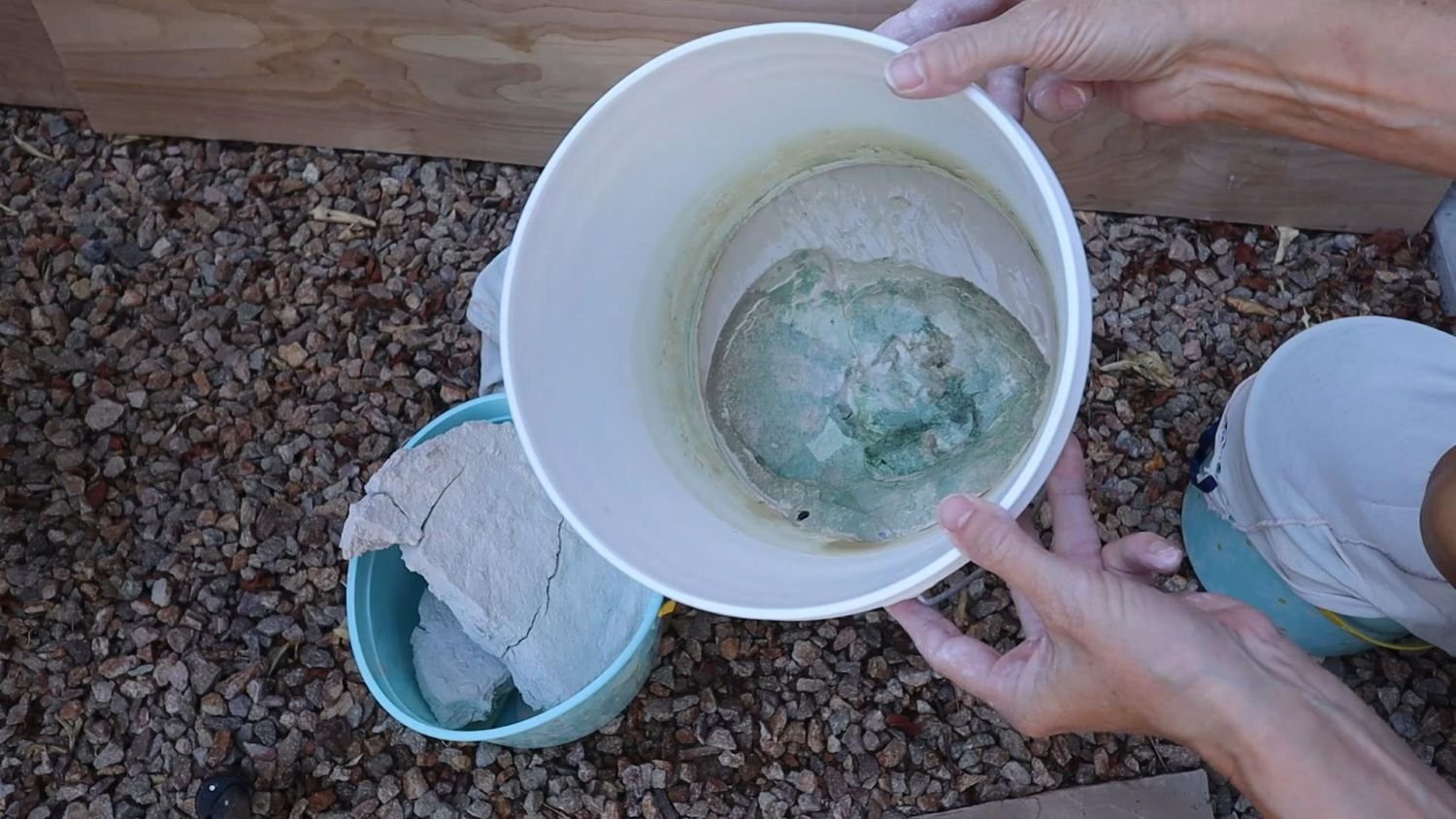
The good news is that reclaiming moldy clay can help reduce the mold and bring the clay back to a cleaner condition. That is exactly what I wanted to test. I tried vinegar, hydrogen peroxide, and during the rehydration process to see which one worked best for reducing mold while still keeping the clay usable.
In this post, I will walk you through how to effectively remove mold from clay, how to reclaim moldy clay step by step, what happened in my test, and why the amount you use should depend on how moldy the clay actually is. The clay I tested was very moldy, so if your clay only has a small amount of mold, you may not need as much bleach or hydrogen peroxide to get good results. What I found was interesting, surprising, and very helpful.
Affiliate Disclaimer: We are ambassadors or affiliates for many of the brands we reference on the website. As an Amazon Associate, I earn from qualifying purchases.
Why Mold Can Grow in Any Clay
Clay naturally holds moisture, and once it stays wet long enough, mold can begin to develop. It does not matter whether the clay is fresh from the bag, sitting in storage, or being reclaimed. If the conditions are right, mold can grow.
Recycled clay often gets the blame because it tends to sit wet longer, but any clay can develop mold. Buckets, plastic bags, containers, and damp boxes can all create an environment where mold grows.
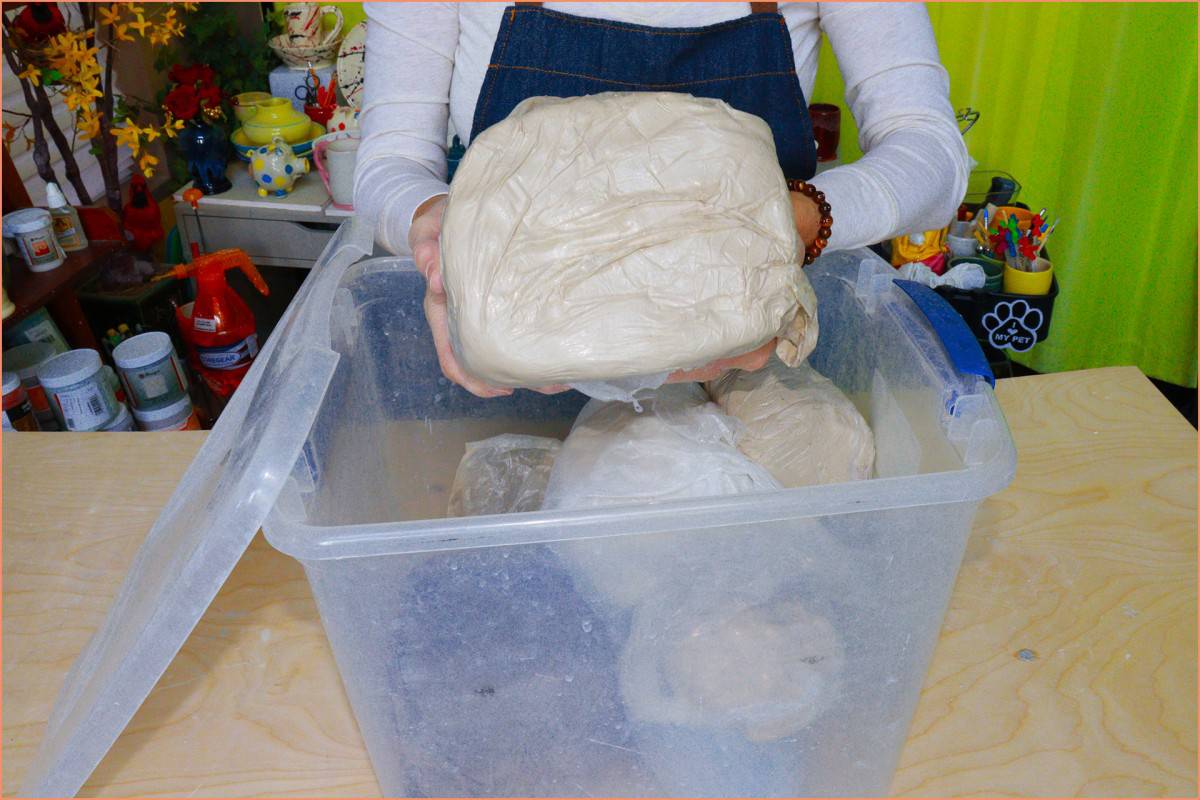
So, if you have moldy clay, it does not mean you did anything wrong. It just means the clay had enough moisture, oxygen, and time for mold to develop.
You can keep mold growth at bay when clay is stored properly. For more detailed information, check out How to Wedge Clay: 5 Methods for Wedging Clay.
Does Mold Affect Clay Plasticity?
Yes, mold can actually improve plasticity, but too much mold can cause odors and health issues if it is allergenic.
This is one reason mold in clay can be a little confusing. A small amount of mold is often associated with older, softer, more workable clay. But once the mold gets heavy, the smell and potential health problems can outweigh any benefit.
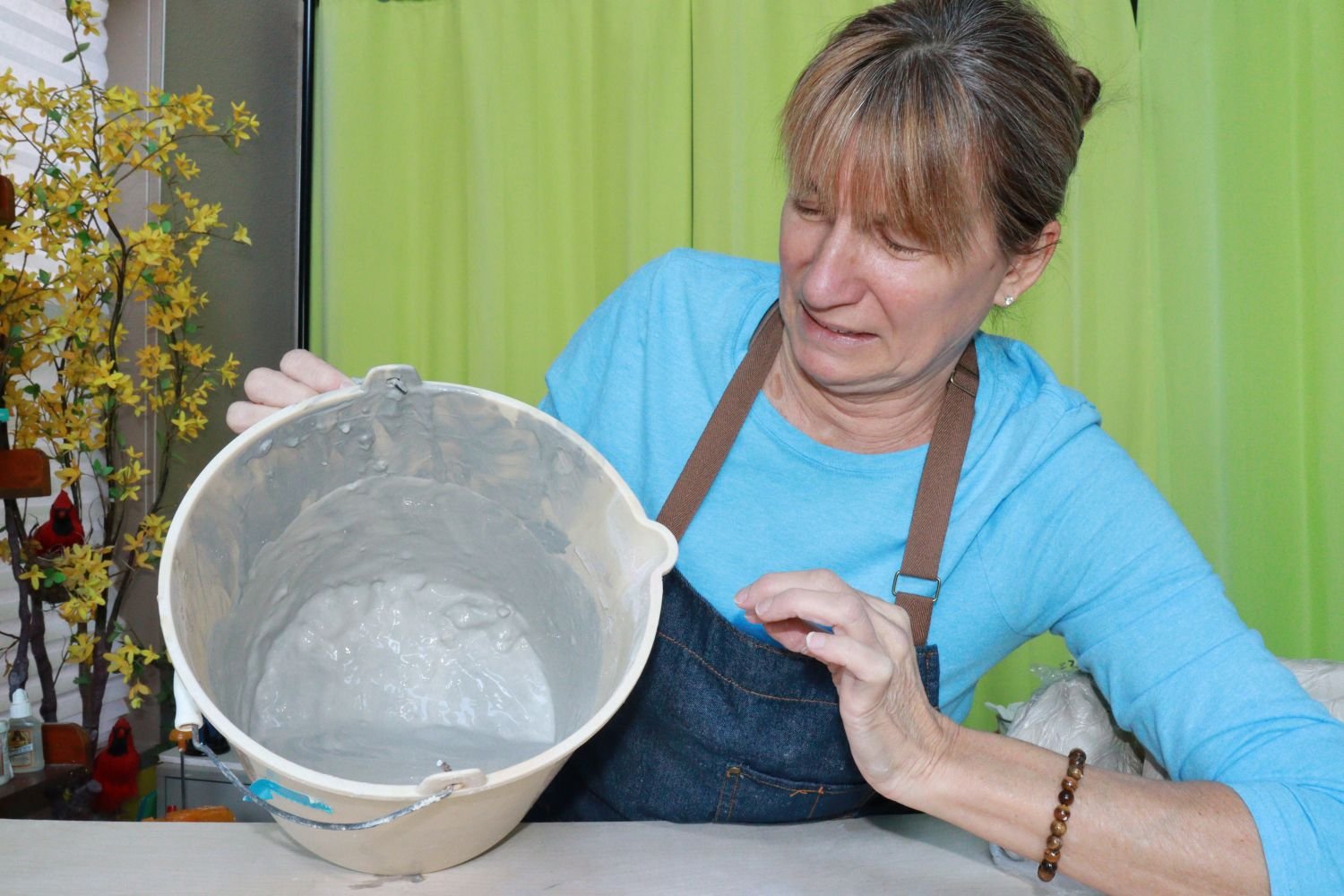
So, when I talk about removing mold from clay, I am not talking about making the clay perfectly sterile. I am talking about getting excessive mold under control, so the clay is more pleasant and practical to work with.
Supplies I Use to Reclaim Moldy Clay
This method is simple and does not require fancy equipment.
Here is what I use:
- Moldy bone-dry clay
- Plastic bags
- Mallet
- Pillowcases
- Buckets
- Water
- Bleach, Hydrogen Peroxide, or Vinegar, if you want to compare methods or choose one
- a Hook
- Wedging table
- Timer
This setup is beginner-friendly and works whether you are reclaiming a small batch or a larger amount of moldy clay.
Why Use a Plastic Bag to Break Up Bone-Dry Clay?
It helps contain dust and keeps the clay pieces from scattering.
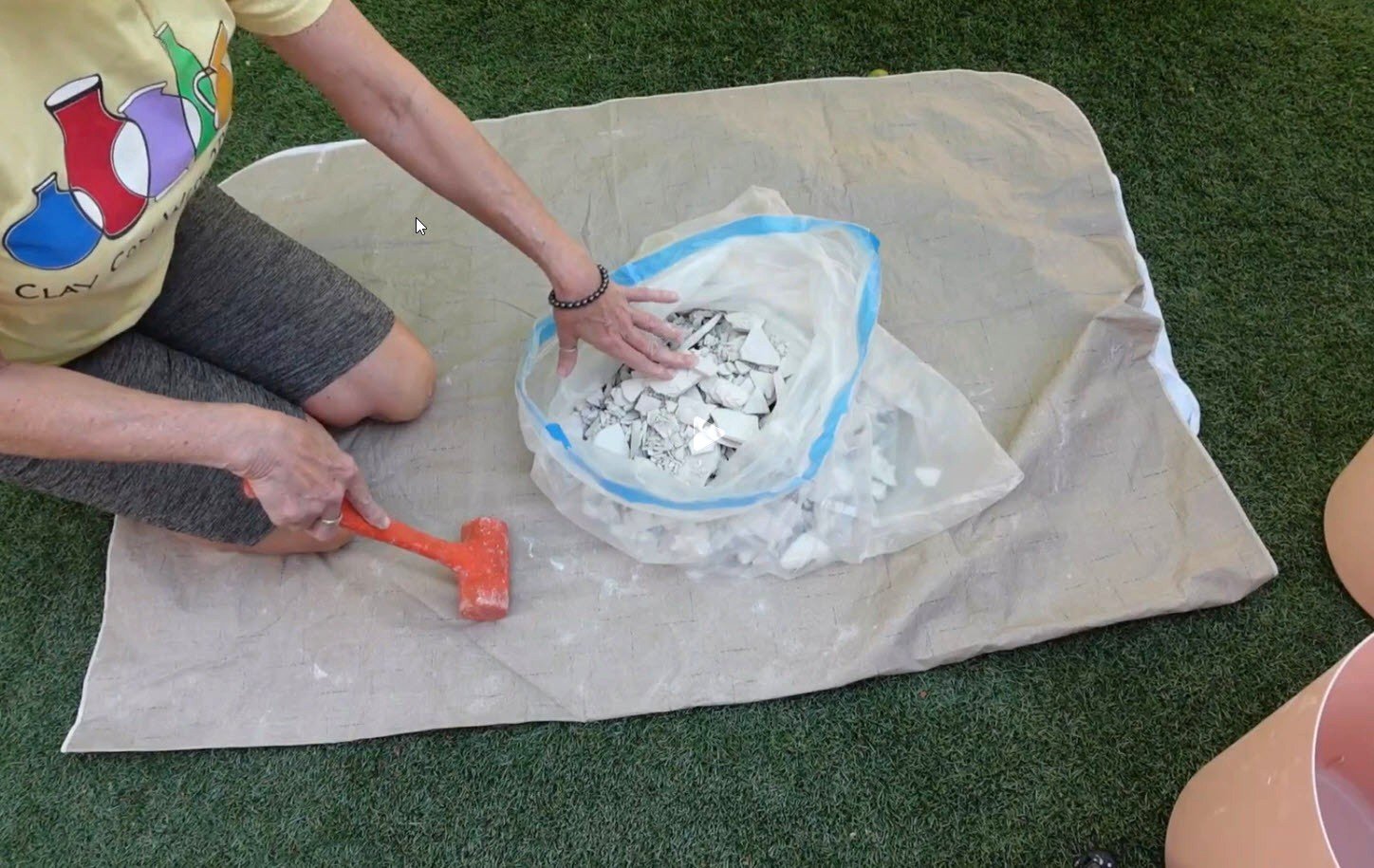
This is one of those simple studio habits that makes the whole process easier. When I break up bone-dry clay inside a plastic bag, I do not have clay dust flying around the studio or little bits of dry clay bouncing all over the place. It is cleaner, safer, and much easier to control.
Why use a pillowcase for reclaiming clay?
It keeps the clay contained while soaking and makes draining much easier, and the clay peels off the fabric.
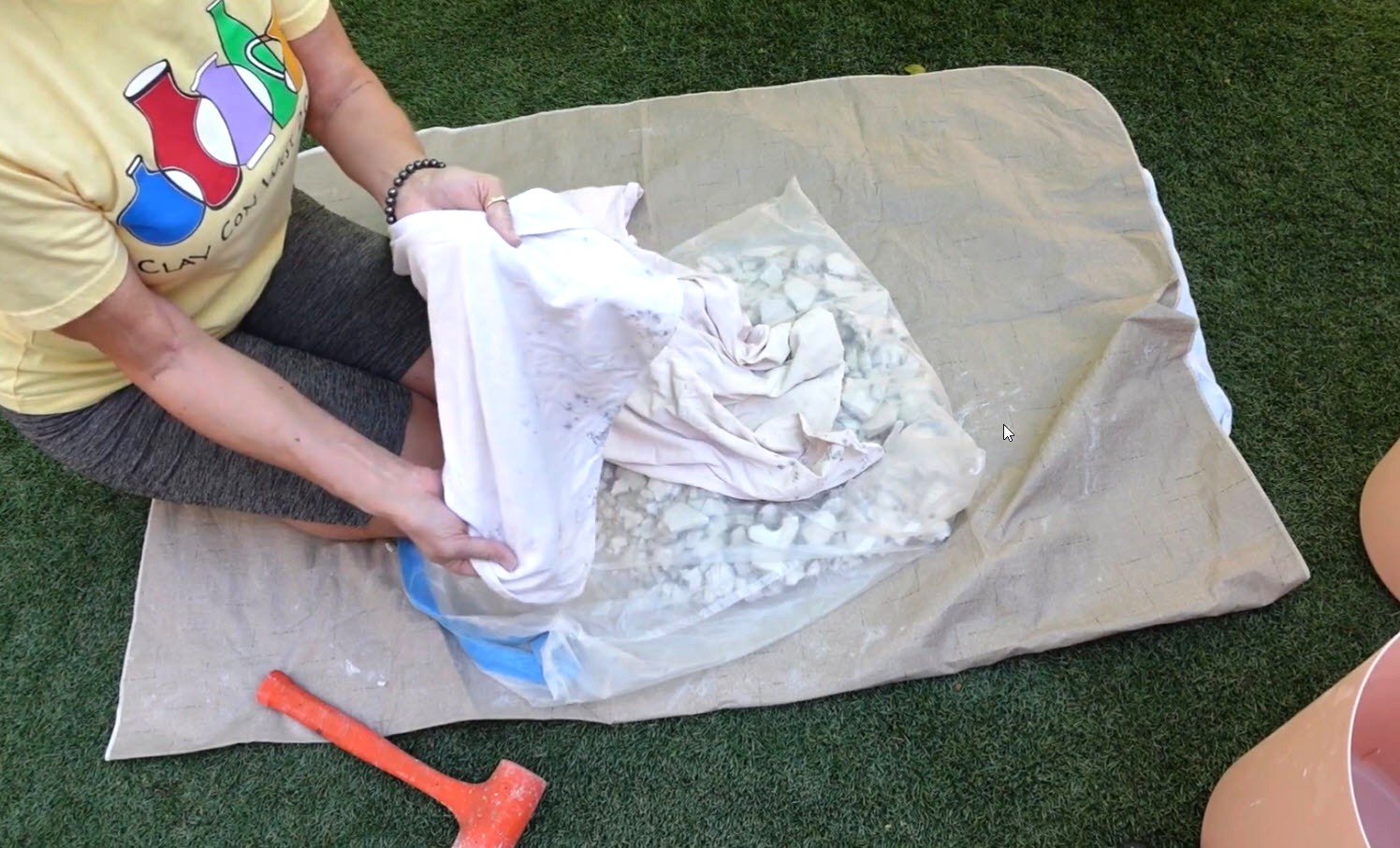
This is one of my favorite pottery reclaim tricks because it is simple and it works. Once the clay is inside the pillowcase, I can submerge it in the water and the additive mixture without turning everything into a messy slurry. Then, once the clay is soft, I can lift the whole pillowcase out and hang it up so the excess water drips away.
Plus, once the clay is at the workable stage, it peels right off the fabric and is ready to be wedged.
How to Reclaim Moldy Clay Step by Step
Step 1: Break the clay into smaller pieces
Start with bone-dry clay. It breaks up easily and absorbs the water faster and more evenly. Use a Mallet to break up the clay.
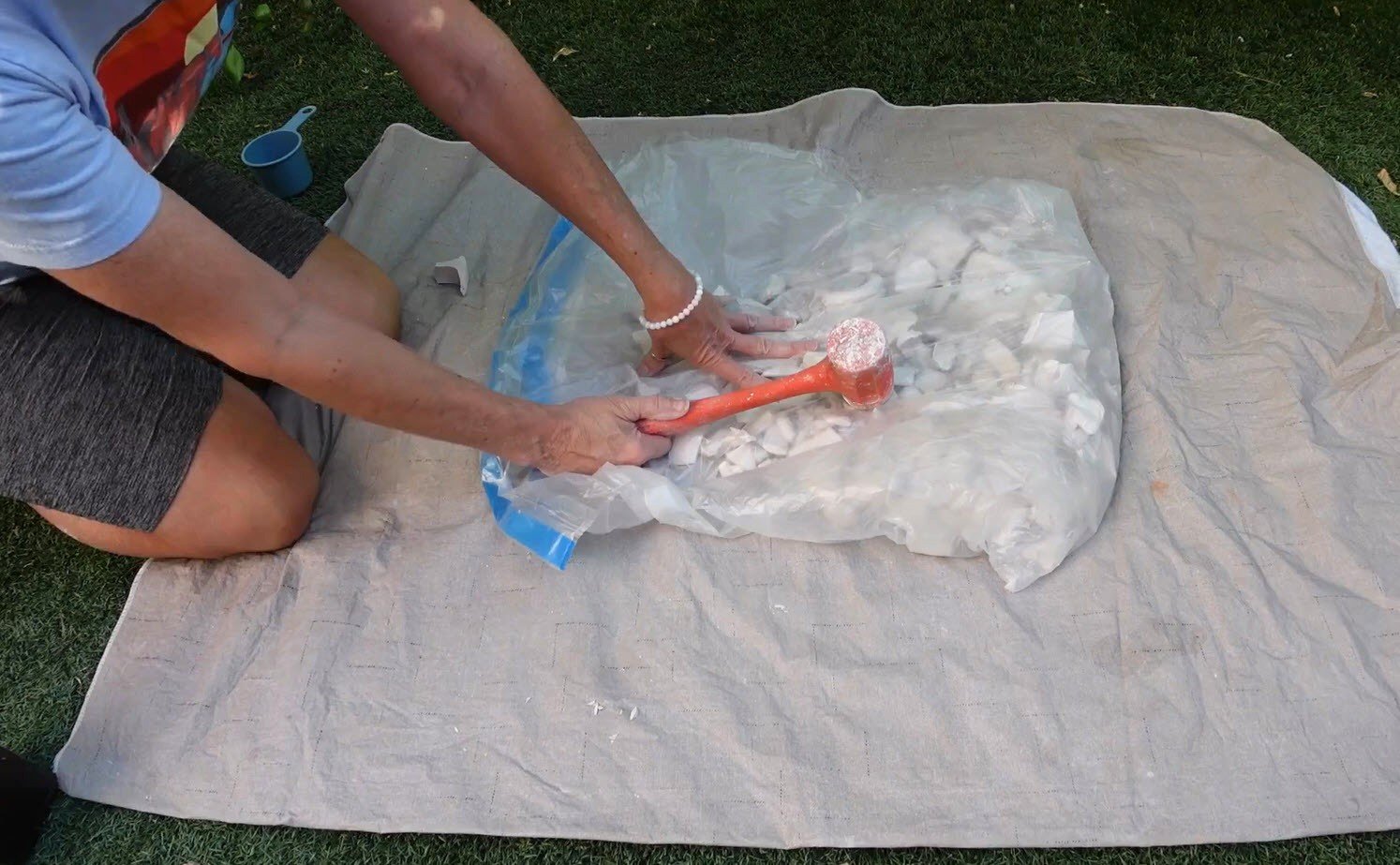
I like to do this inside a Clear Plastic Bag to see the clay I’m breaking up, keep the dust under control, and keep the pieces contained.
Step 2: Put the clay into pillowcases
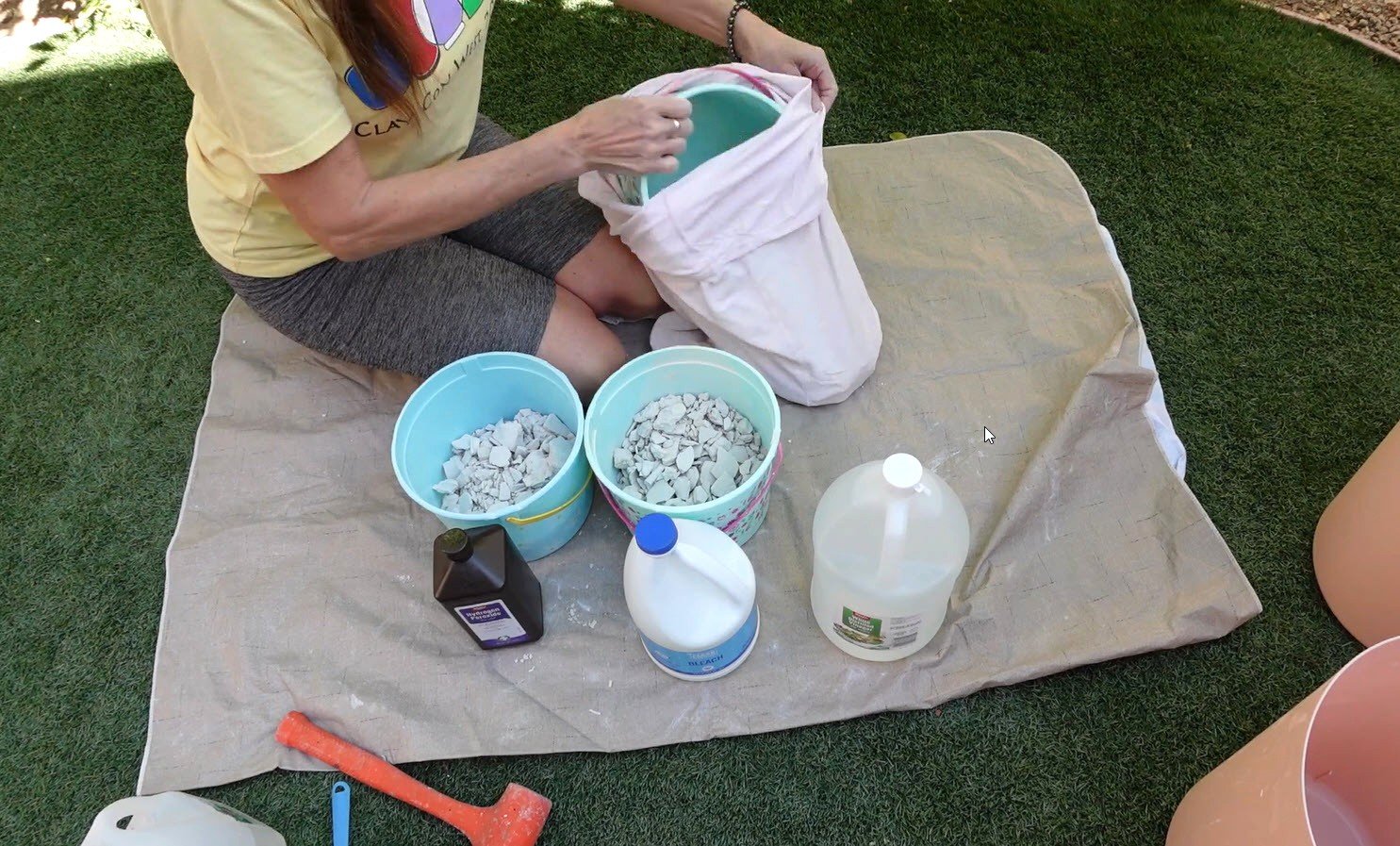
I used four-pound batches during my test, but you can adjust the amount based on how much clay you have. Tie a knot in the pillowcase, so it is easier to handle later.
Step 3: Fill your buckets with water and your chosen additive
For each test Bucket, I used half a gallon of water, which is about 2 liters.
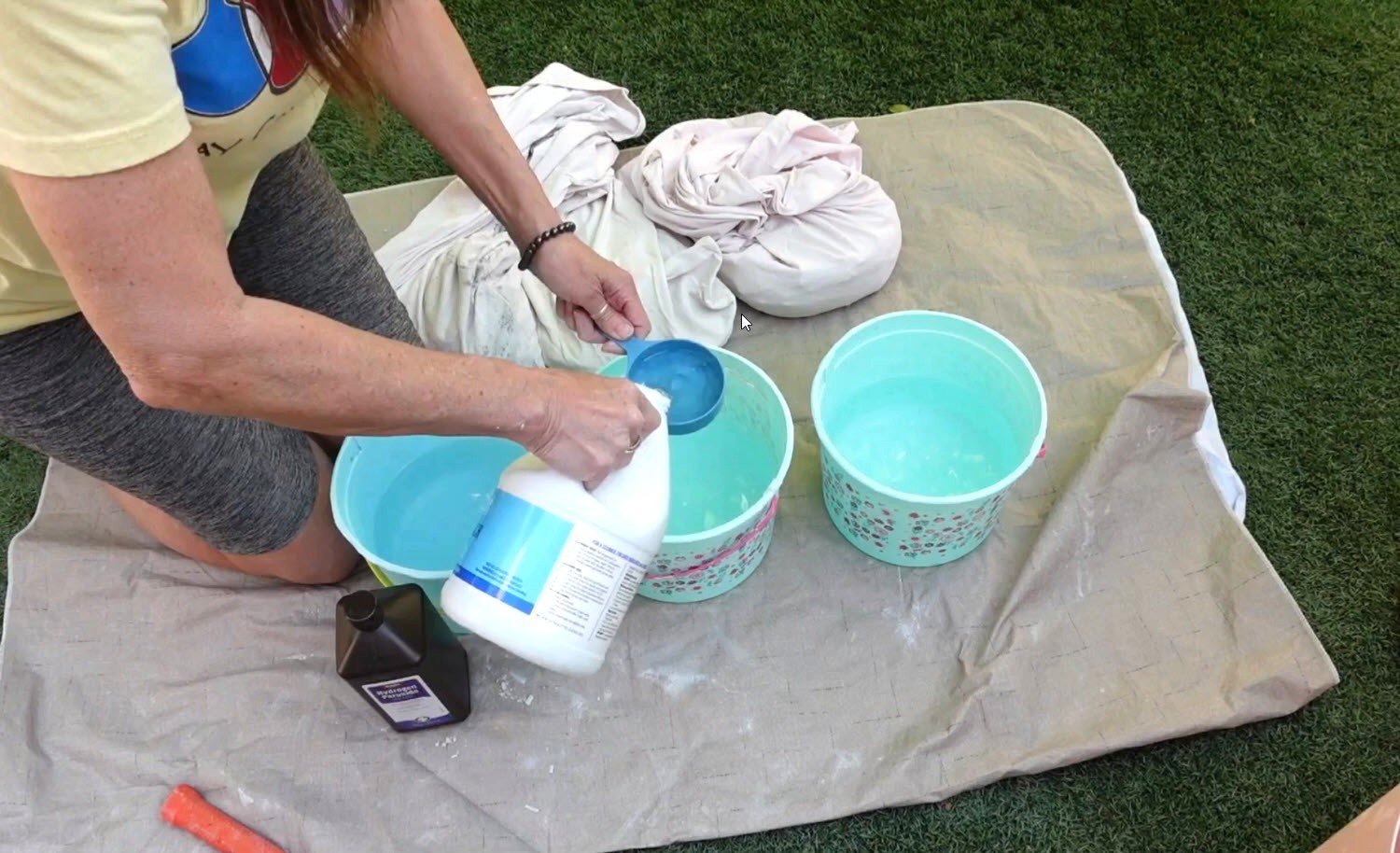
Then I added one of the following:
- Vinegar
- Bleach
- Hydrogen peroxide
Step 4: Submerge the entire pillowcase
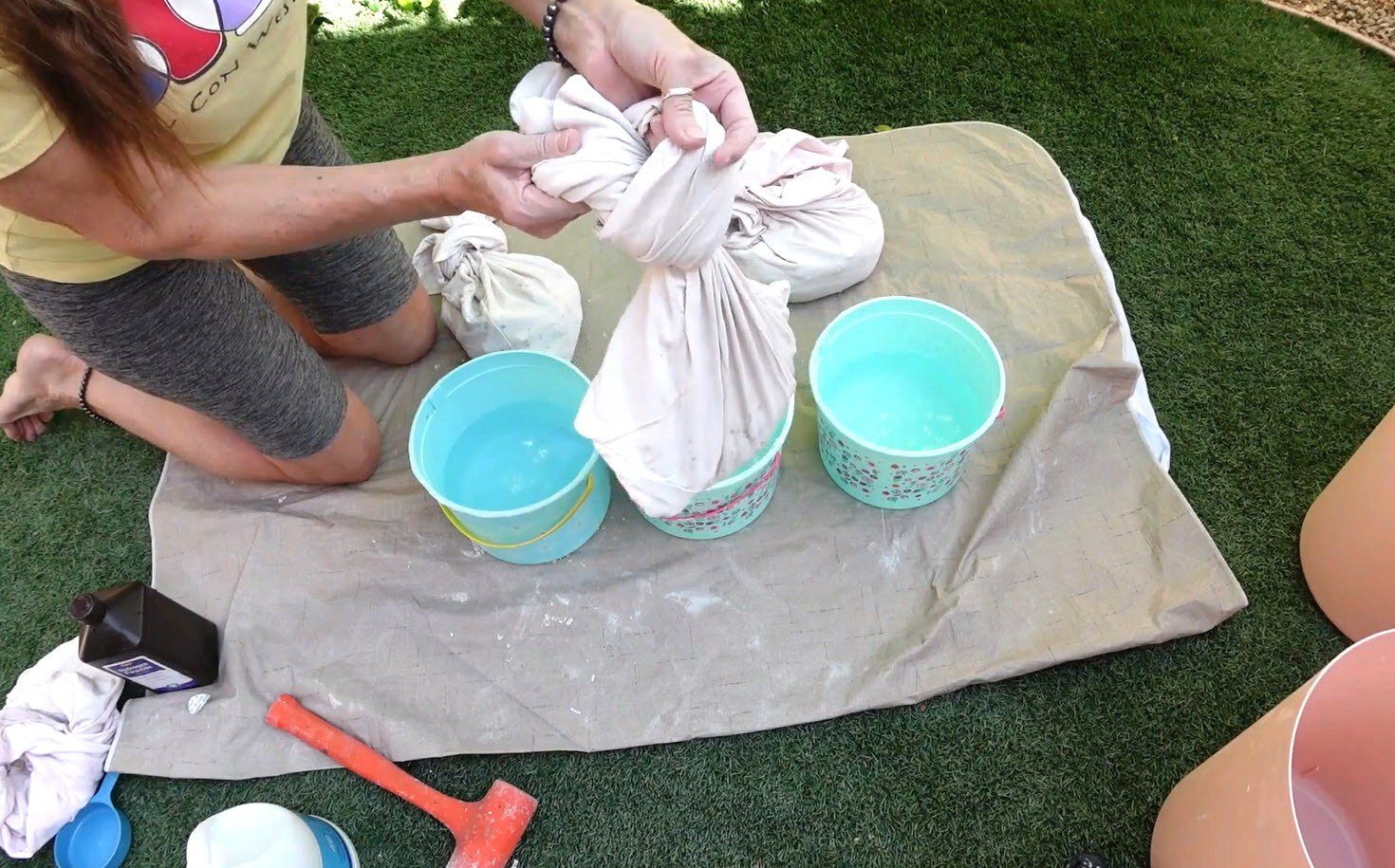
Make sure the whole pillowcase goes into the bucket. If part of it hangs out, the fabric can draw the liquid out of the bucket. Then let the water rehydrate the clay.
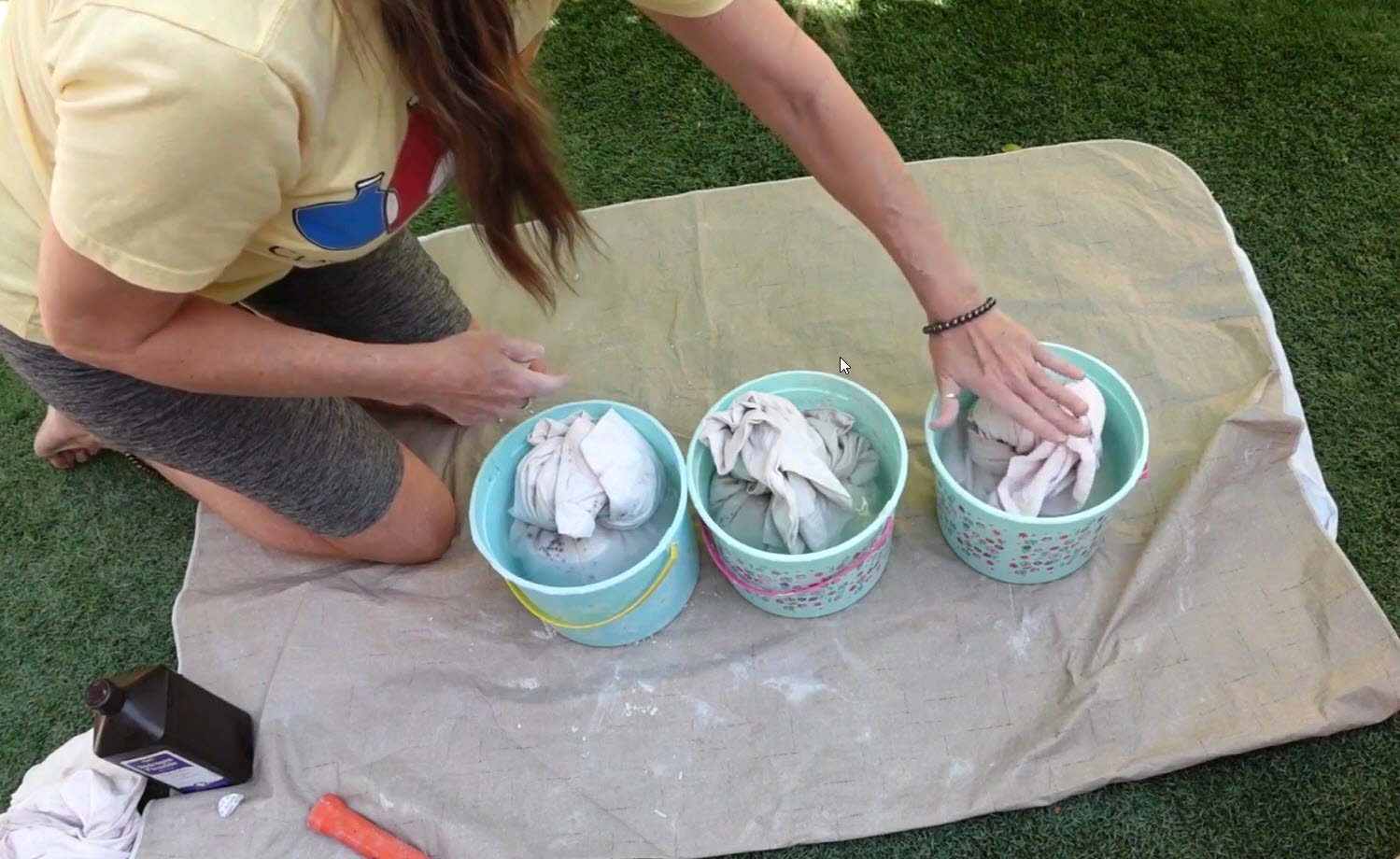
Step 5: Check the clay until it is fully soft
As the clay sits, the dry clay hydrates. Check it from time to time until the clay feels smooth and no hard lumps remain.
Step 6: hook up the pillowcase to drain
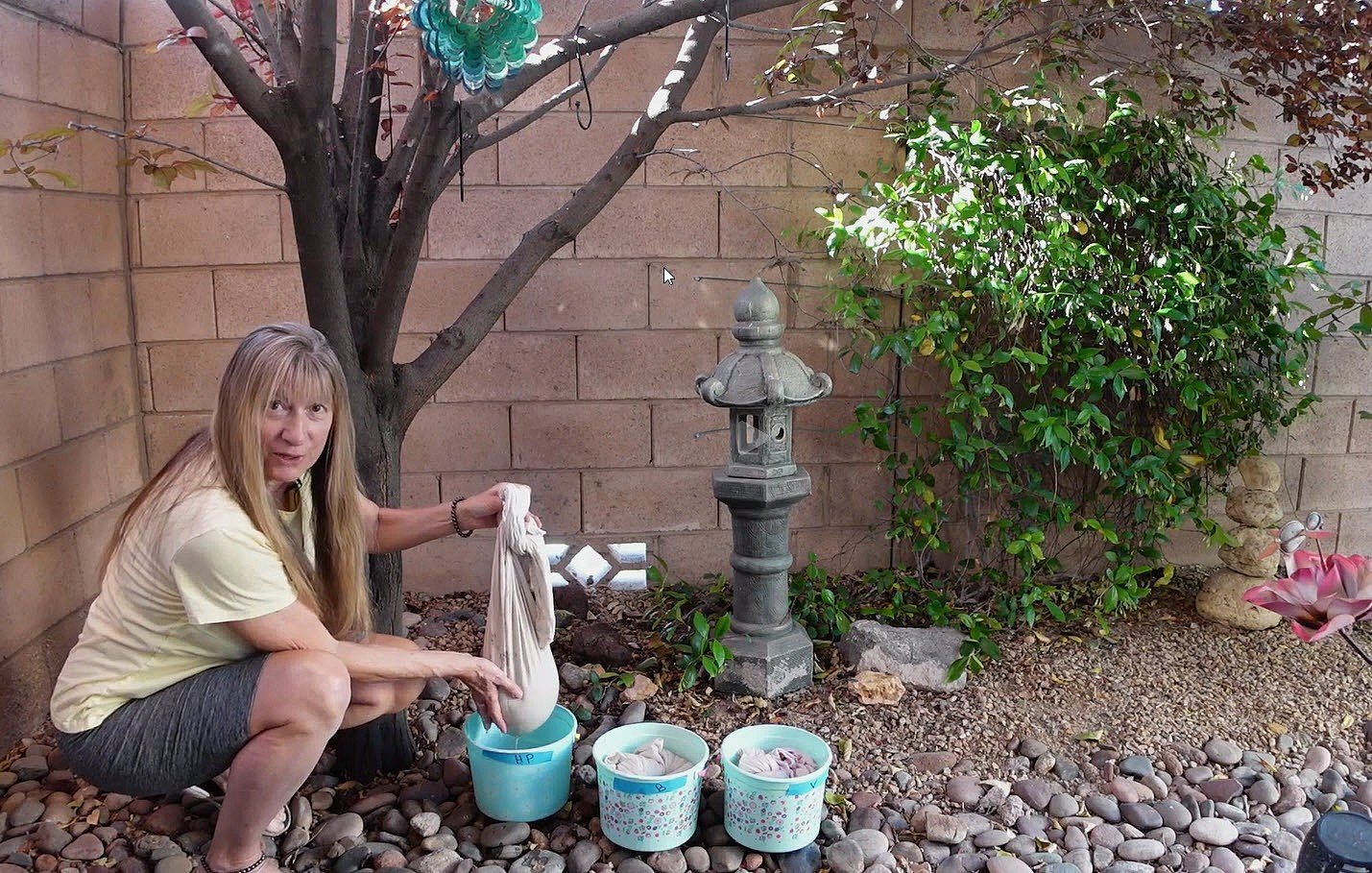
Once the clay is rehydrated, Hook up the pillowcase so the excess water can drip out.
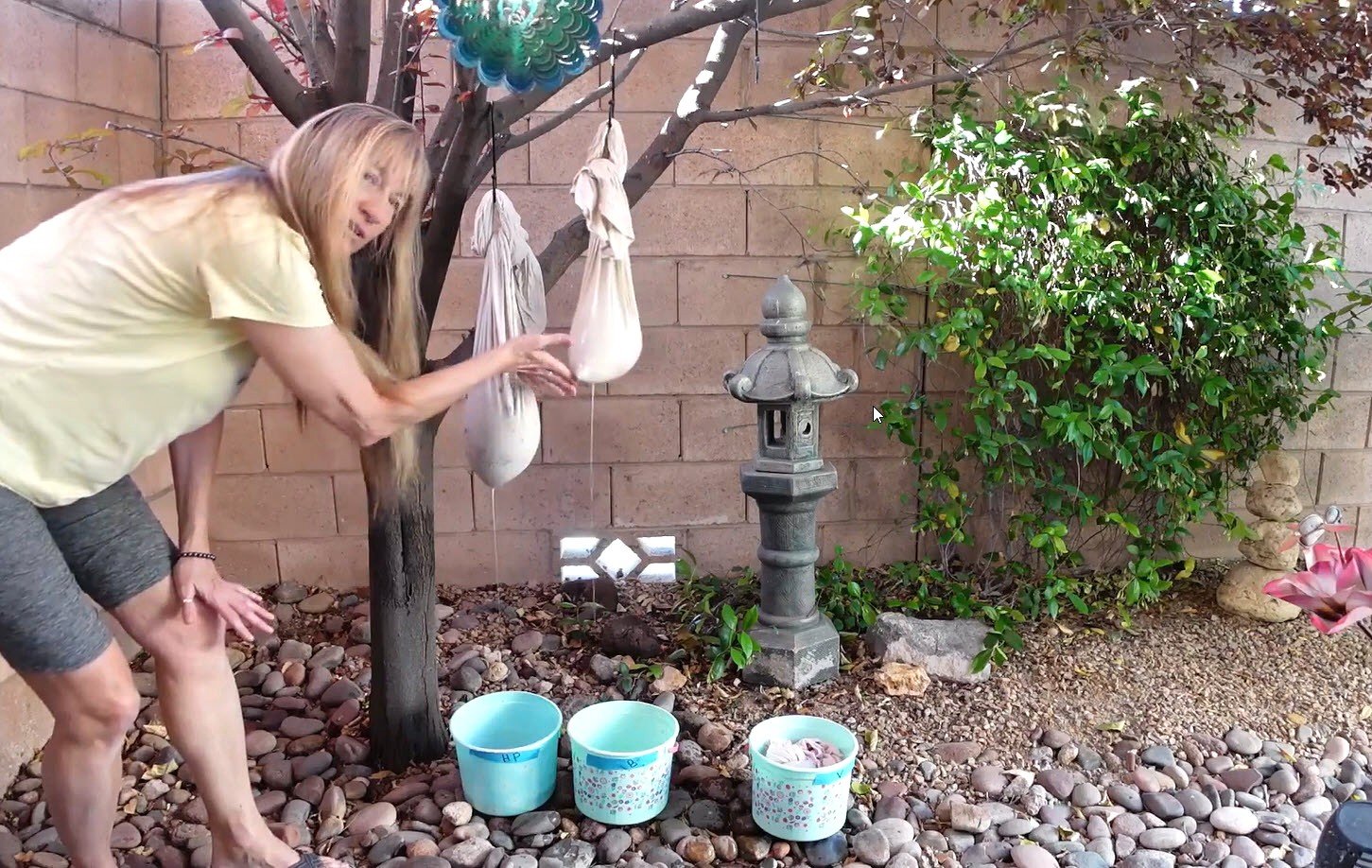
You can reuse any water left in the bucket, so you do not waste it.
Step 7: Unhook the clay when the stops dripping
Don’t wait too long, because the clay can harden too much to be rewedged. If the clay feels too wet to wedge, that is fine.
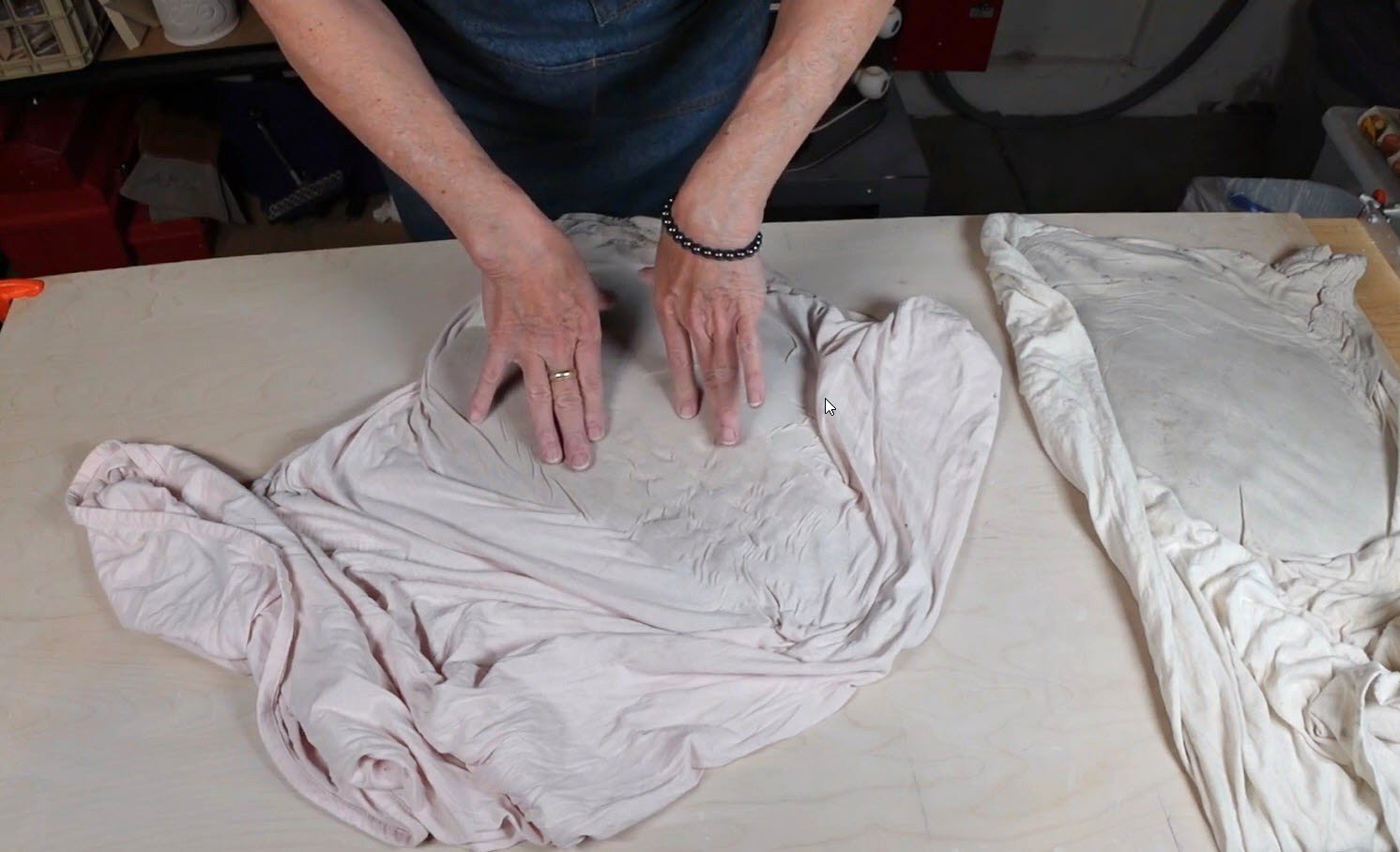
Leave it in the pillow case and flatten it so it dries more evenly. If needed, place it on a plaster slab or another absorbent surface to draw out excess moisture more quickly.
Step 8: Check it often until the clay is workable
I like to set a timer for 30-minute increments, so I do not forget to check the clay. Left the pillowcase off the clay and poked it to feel its consistency.
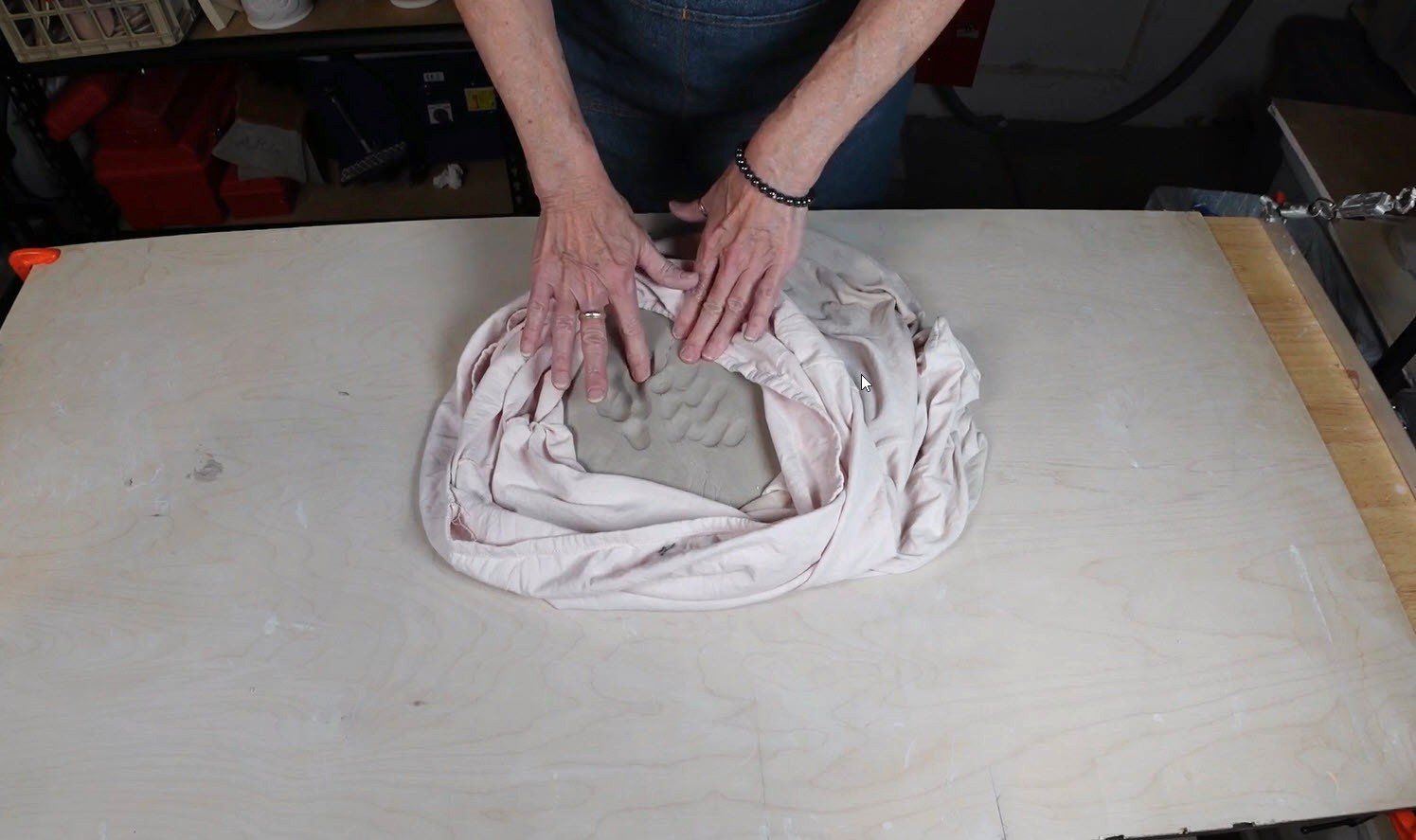
The most important part is checking the clay often. If the clay dries out too much, you have to start over.
Step 9: Wedge the clay thoroughly
Once the clay reaches a nice, workable stage, wedge it well so the moisture is evenly distributed.
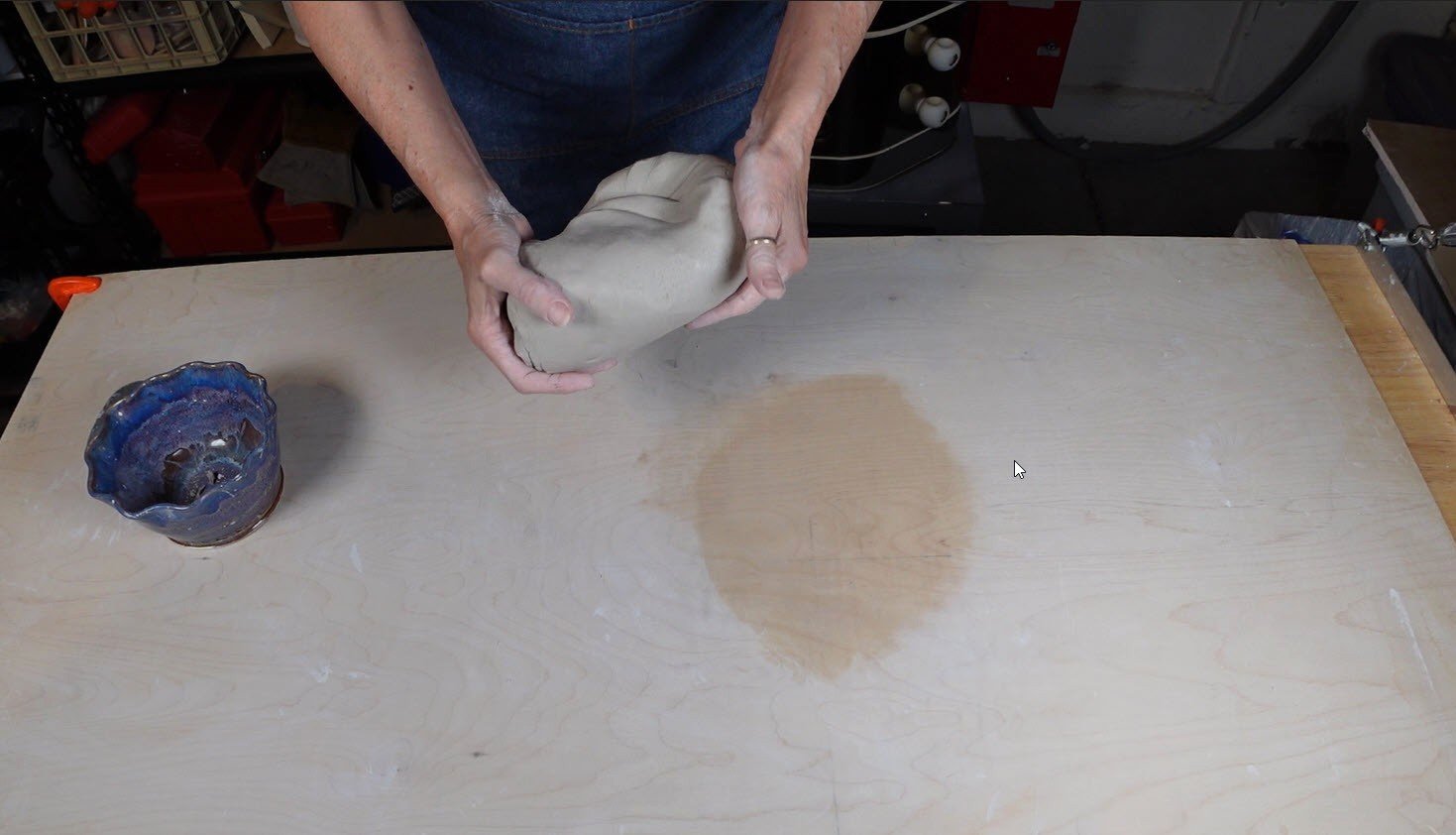
For detailed information on wedging and the different techniques you can use, check my post on How to Wedge Clay: 5 Methods for Wedging Clay
My Mold Removal Test Results: Bleach vs Vinegar vs Hydrogen Peroxide
I wanted to see which common additive would do the best job of reducing mold in clay.
Before I get into the results, this is the important part. The clay I tested was very moldy. That matters because the amount needed to help control very moldy clay may be much higher than what you would need for clay with only a mild mold problem.
So if your clay only has a little mold, start with less. You may not need as much bleach or hydrogen peroxide as I used in this test.
First Round of Testing: Lower Amounts
I started with a lighter ratio because I wanted to use as little as possible.
For the first round, I used:
- 4 oz vinegar in 1/2 gallon of water
- 4 oz bleach in 1/2 gallon of water
- 4 oz hydrogen peroxide in 1/2 gallon of water
After testing, here is what I found. Vinegar did not stop the mold.
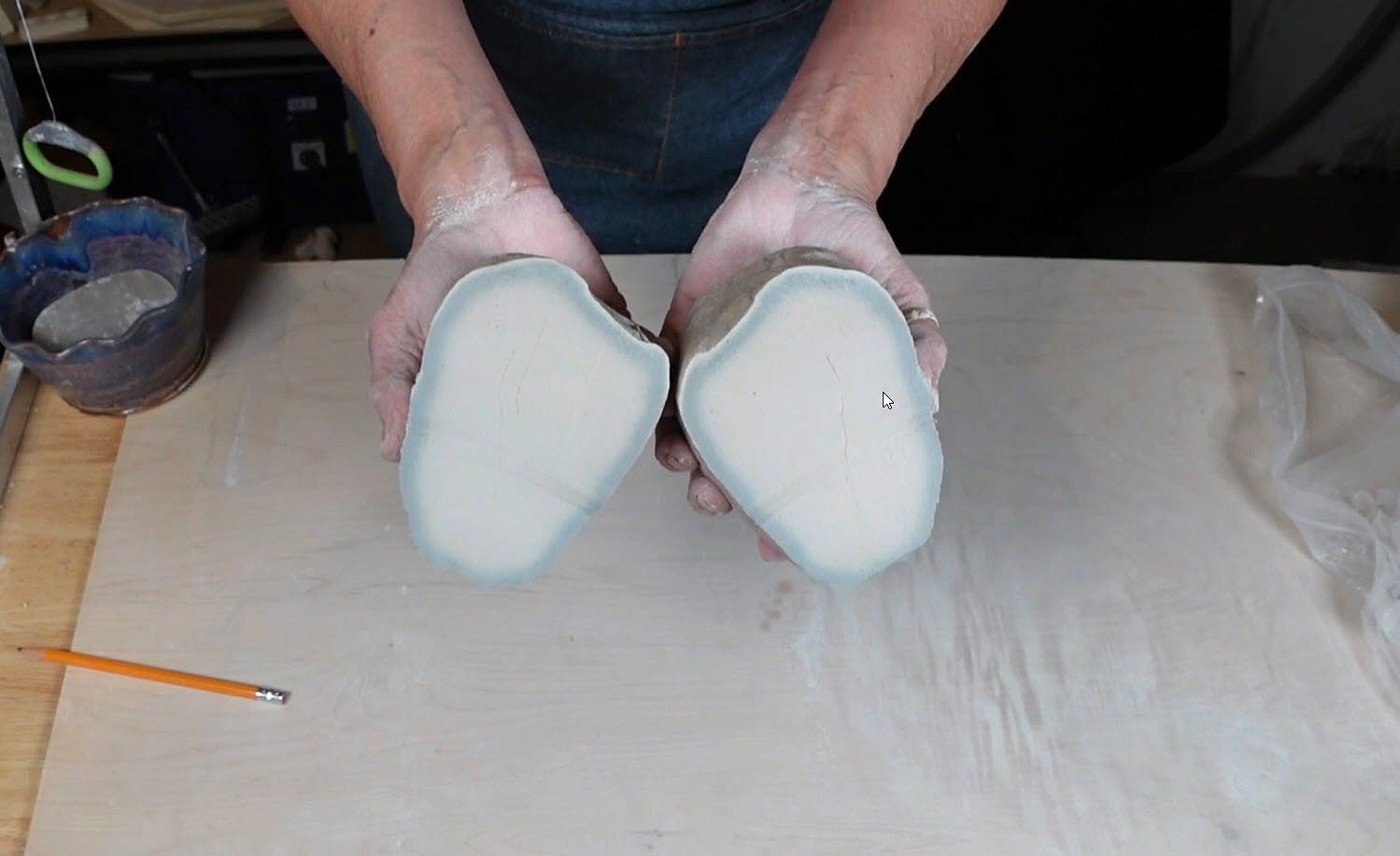
Hydrogen peroxide helped somewhat, but it did not fully eliminate the mold.
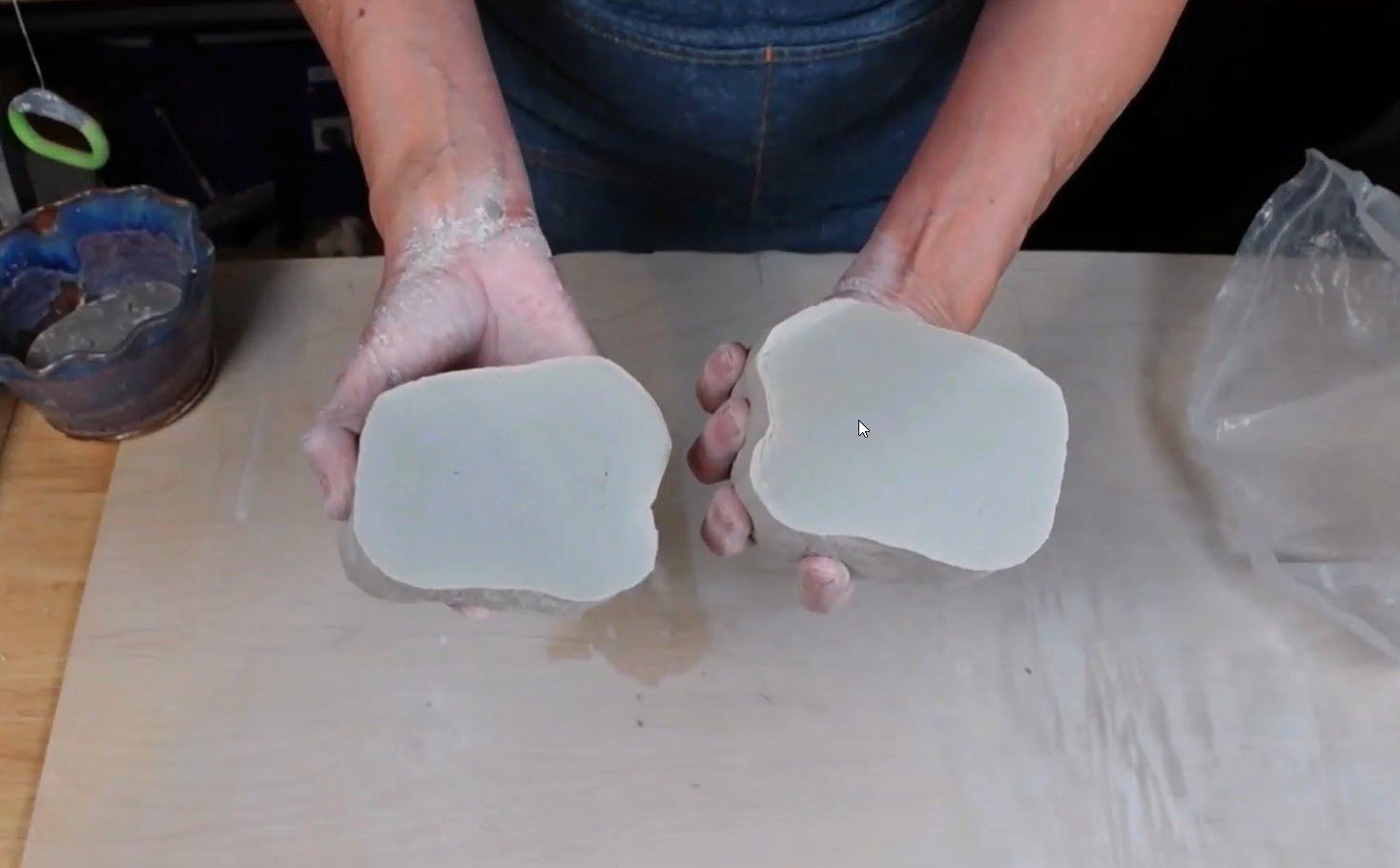
Bleach performed better than the others, but even with very moldy clay, this lower amount was still not enough to completely eliminate the large amount of mold.
Second Round of Testing: Stronger Amounts
Because the first round did not fully solve the problem, I repeated the process with larger amounts of each product.
For the second round, I used:
- 8 oz vinegar in 1/2 gallon of water
- 8 oz bleach in 1/2 gallon of water
- 8 oz hydrogen peroxide in 1/2 gallon of water
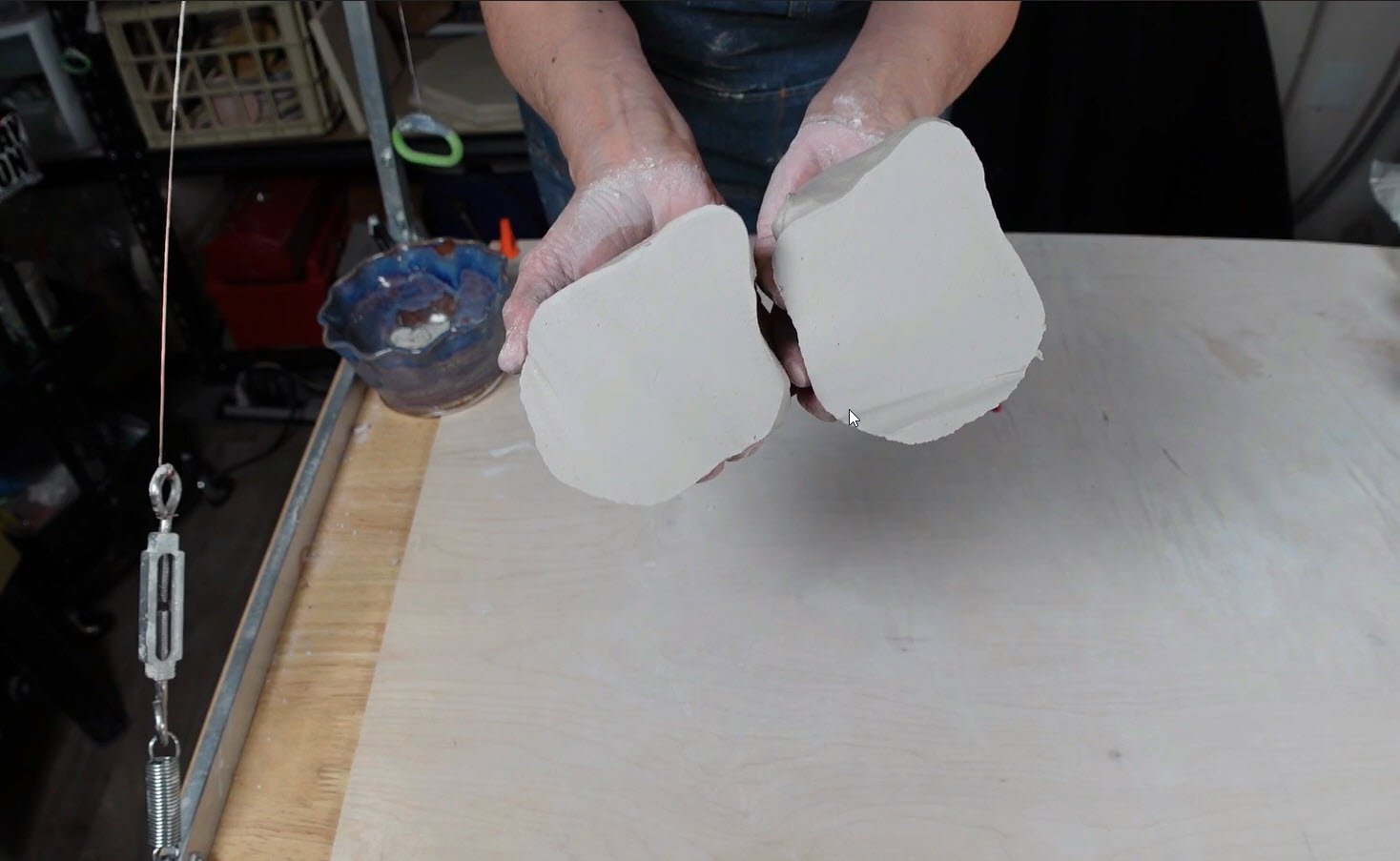
This time, the results were much clearer.
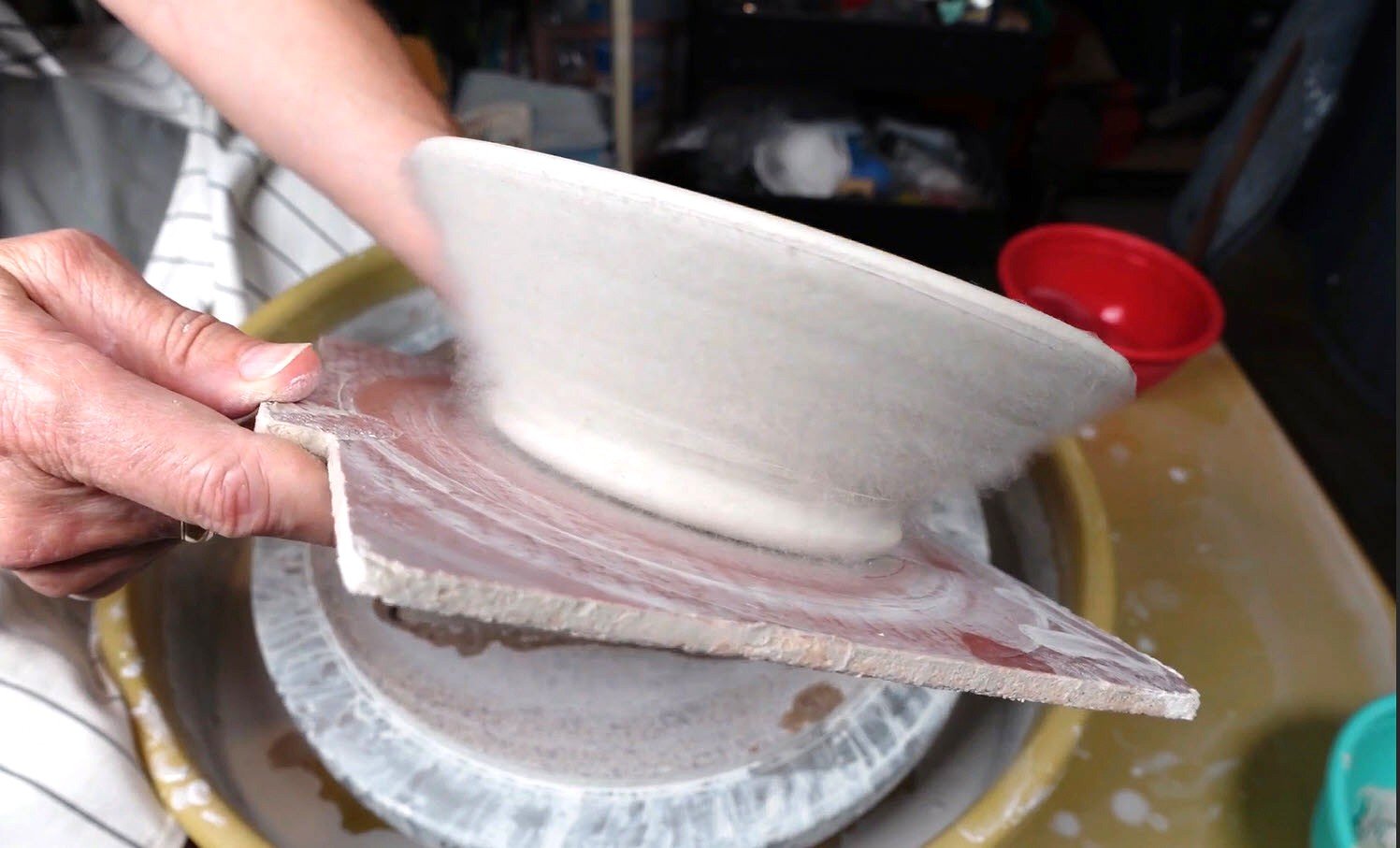
Vinegar was the worst option. Instead of helping, it resulted in a strange, hairy mold growth that I have never seen before.
Hydrogen Peroxide improved the results, and if your clay only has a mild mold issue, I think it would be enough. But in my test with very moldy clay, it still did not eliminate the mold completely.
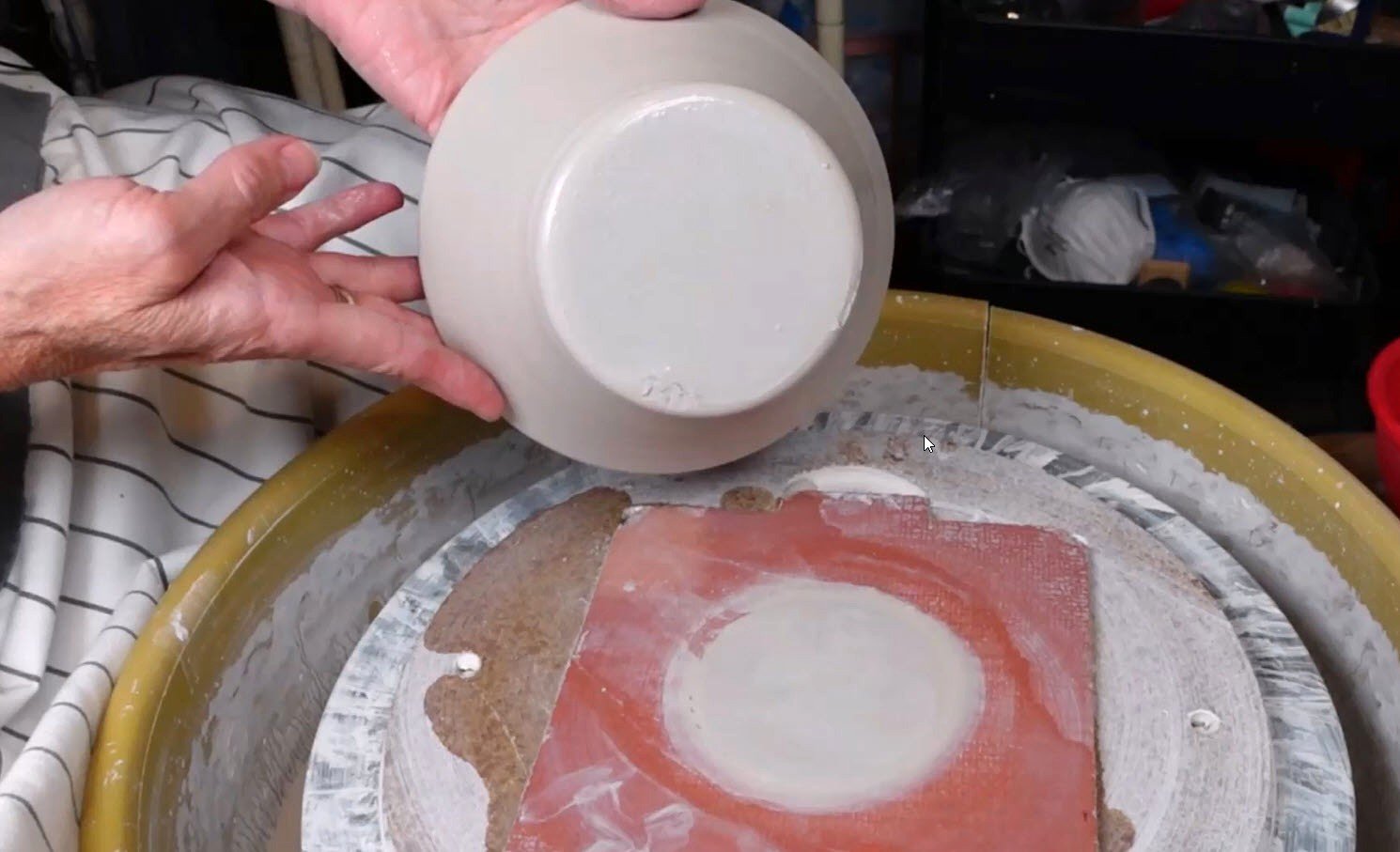
Bleach was the clear winner. At 8 oz per half gallon of water, it did the best job keeping mold from growing on the very moldy clay, and the clay still stayed workable.
Is Bleach the Best Mold Remover for Clay?
In my test with very moldy clay, bleach worked best. But if your clay only has a little mold, you may not need that much, or you can even go with hydrogen peroxide.
That is the part I would really pay attention to. Bleach gave me the best result on heavily moldy clay, but that does not mean the strongest amount is always the right amount. If your clay only has mild mold growth, a smaller amount may be enough to help control it while being easier on your hands and gentler on the clay.
Are More Chemicals Always Better?
No. If your clay only has a little mold, start with less. Too much bleach can be harsh on your hands and affect the clay’s plasticity.
This is why I would not automatically jump to the strongest mixture unless the clay is very moldy. My test was done on clay with a lot of mold, so I needed a stronger amount to really compare the results. But for lightly moldy clay, starting with less makes more sense.
That way you are:
- using only what you need
- being gentler on your hands
- helping preserve the clay’s feel and plasticity
You can also check my Video on The Best Way To Remove Mold From Clay – This Method Worked The Best.
Final Thoughts
If you find mold in your clay, do not throw it away just yet.
Mold can grow in any clay, not just recycled clay. A little mold is normal, and sometimes it can even help the clay feel better. But when the mold becomes excessive, smells bad, or makes the clay unpleasant to handle, reclaiming the clay can help reduce the mold and restore it to a more workable condition.
From my test, here is the biggest takeaway.
Bleach worked the best on very moldy clay.
Hydrogen peroxide helped, but not completely.
Vinegar was the least effective and gave me the strangest result of all.
But just as important as the test result is this reminder: the clay I tested was very moldy. If your clay only has a mild mold problem, you likely do not need as much bleach or hydrogen peroxide. I would start with the minimum needed and increase it only if necessary.
That approach is easier on your hands, may help preserve the clay’s plasticity, and avoids using more than you really need. So if you are trying to figure out how to effectively remove mold from clay, reclaiming the moldy clay is one of the best ways to get the mold under control while saving the clay.