
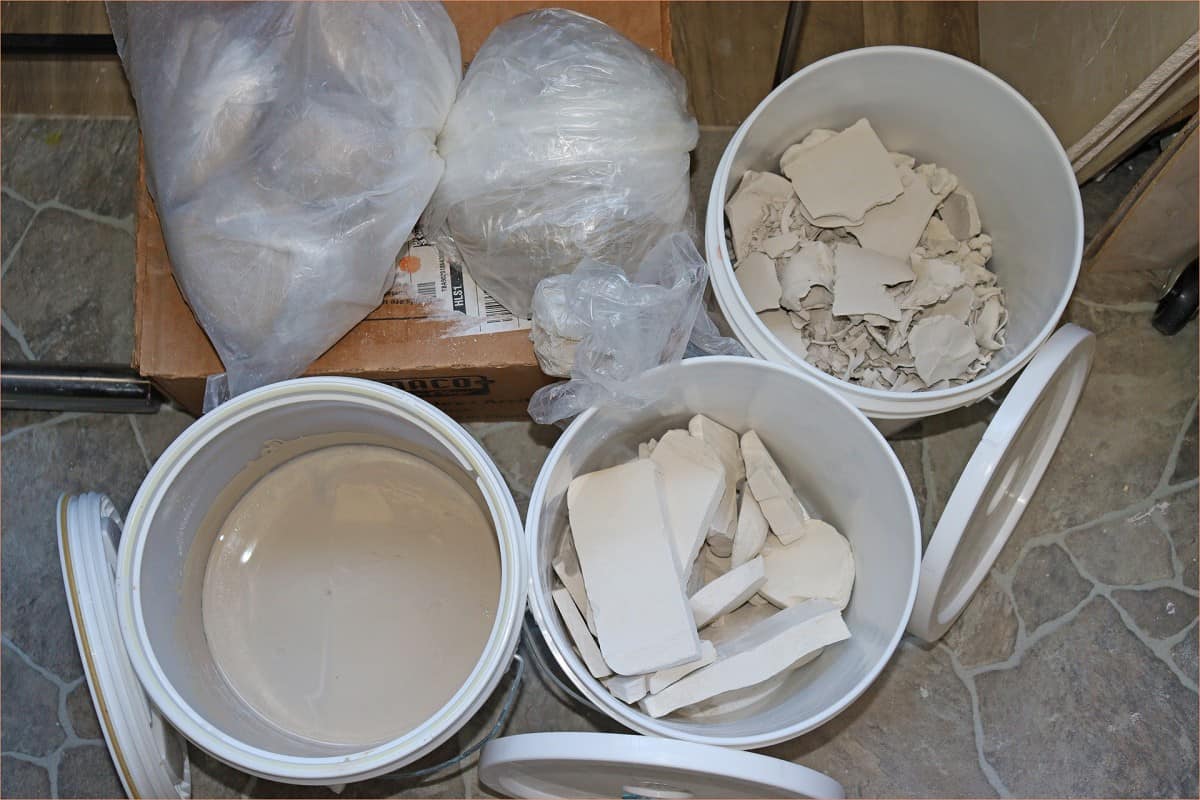
How to Reclaim Pottery Clay: A Studio-Proven Guide
How to reclaim pottery clay is one of the first things I teach in my studio, because it turns your waste back into a valuable resource. Over 25 years of throwing, I’ve found that a simple 4-step cycle works best: slaking, drying, wedging, and storing.
By following this flow, you can recycle nearly 100% of your clay scraps from bone-dry greenware to wet wheel trimmings back into a fresh, workable body. Whether you’re using a high-end pugmill or a basic pillowcase, the goal is always the same: uniform moisture and clay that’s ready for the wheel.
Affiliate Disclaimer: We are ambassadors or affiliates for many of the brands we reference on the website. As an Amazon Associate, I earn from qualifying purchases.
What Exactly is “Reclaiming”?
In plain English, reclamation is the process of hydrating and de-watering unfired clay to restore its “plasticity.” As long as you haven’t put a piece through the kiln, the clay is never truly “spent.” It’s a circular resource that, if handled correctly, can be used repeatedly without losing quality.
Which Method is Right for Your Studio?
I’ve tried just about every way to recycle clay over the years. The “best” method really depends on how much room you have and how much work you’re willing to put in. Here is my take on the three most common ways to get the job done:
The Pugmill
A pugmill is a massive time-saver; it can process unlimited clay in minutes, but they are expensive ($2,000+). If you’re throwing or handbuilding a lot in a week, it’s a lifesaver.
The Plaster Bat
If you have the space for a few plaster slabs, this is my top recommendation for home studios. It’s perfect for medium batches (5–25 lbs) and usually takes 12 to 48 hours, depending on your climate. It costs very little to make your own bats.
The Pillowcase Method
If you’re working out of a spare room or a small garage, this is the way to go. Use an old cotton pillowcase and hook it up. It’s the lowest cost option ($5 or less) and takes about 2 to 4 days. Gravity does all the hard work for you.
The 4-Step Cycle for Success
I’ve taught hundreds of students this process. It isn’t difficult, but you can’t rush the process of it.
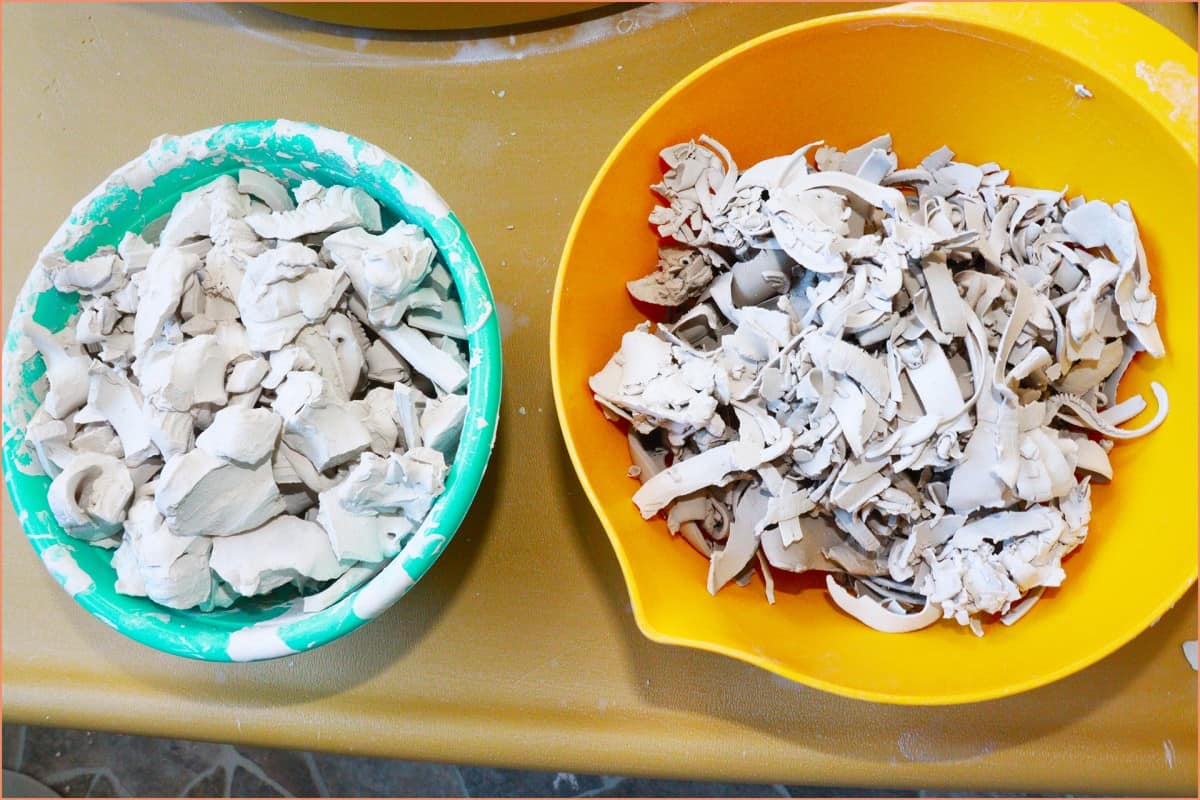
Step 1: Slaking. Drop your bone-dry scraps into a bucket of water. My rule: It must be bone-dry. If you throw wet scraps in, the outside gets mushy while the inside stays a hard lump. Let it sit until it’s a smooth, thick soup.
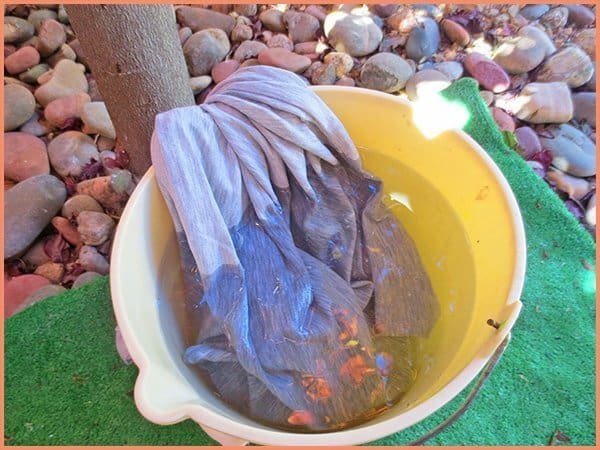
Place dry clay in a pillowcase if you use the pillowcase method.
Step 2: Drying. Pour that “slurry” onto a porous surface. I prefer large plaster slabs, but a simple cotton pillowcase hung over a bucket works wonders if you’re short on space.
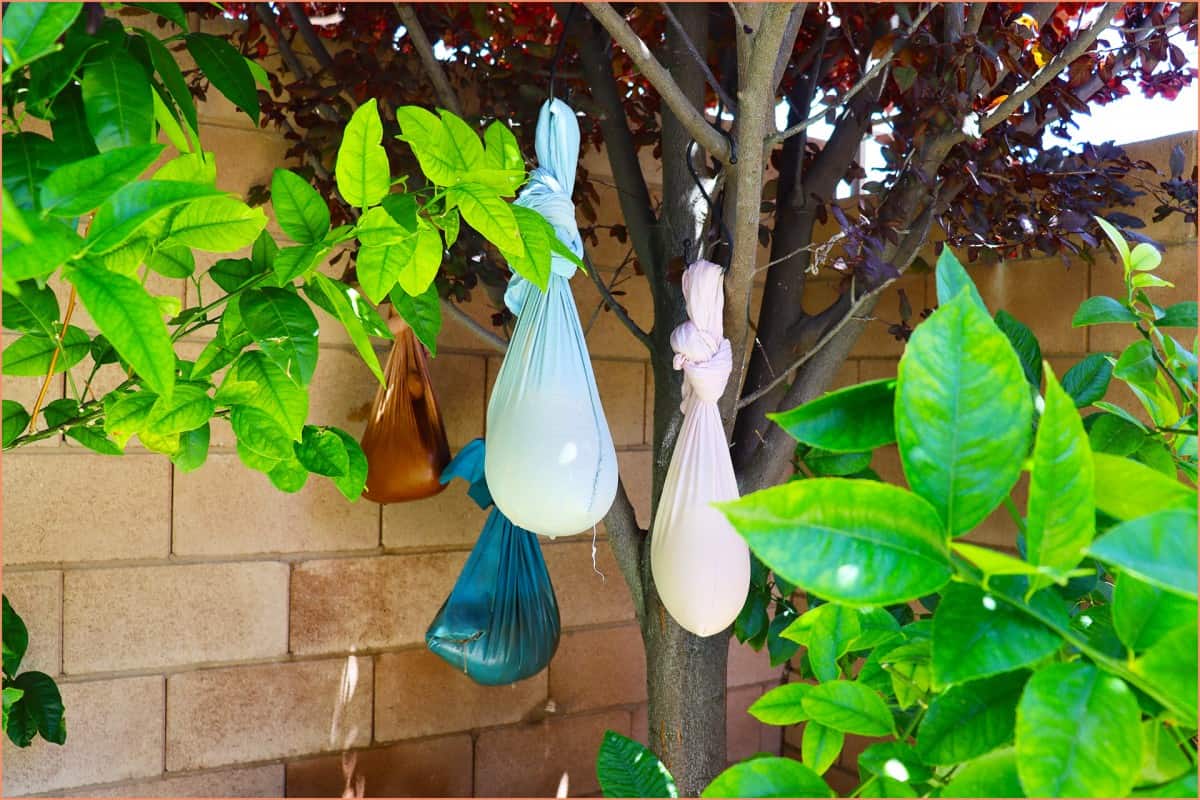
Step 3: Wedging. Once the clay is firm enough to peel off the plaster, or pillowcase, it’s time to wedge. You need to wedge to ensure the moisture is the same throughout and the air bubbles are gone. Here is more information on ways to Wedge Your Clay.

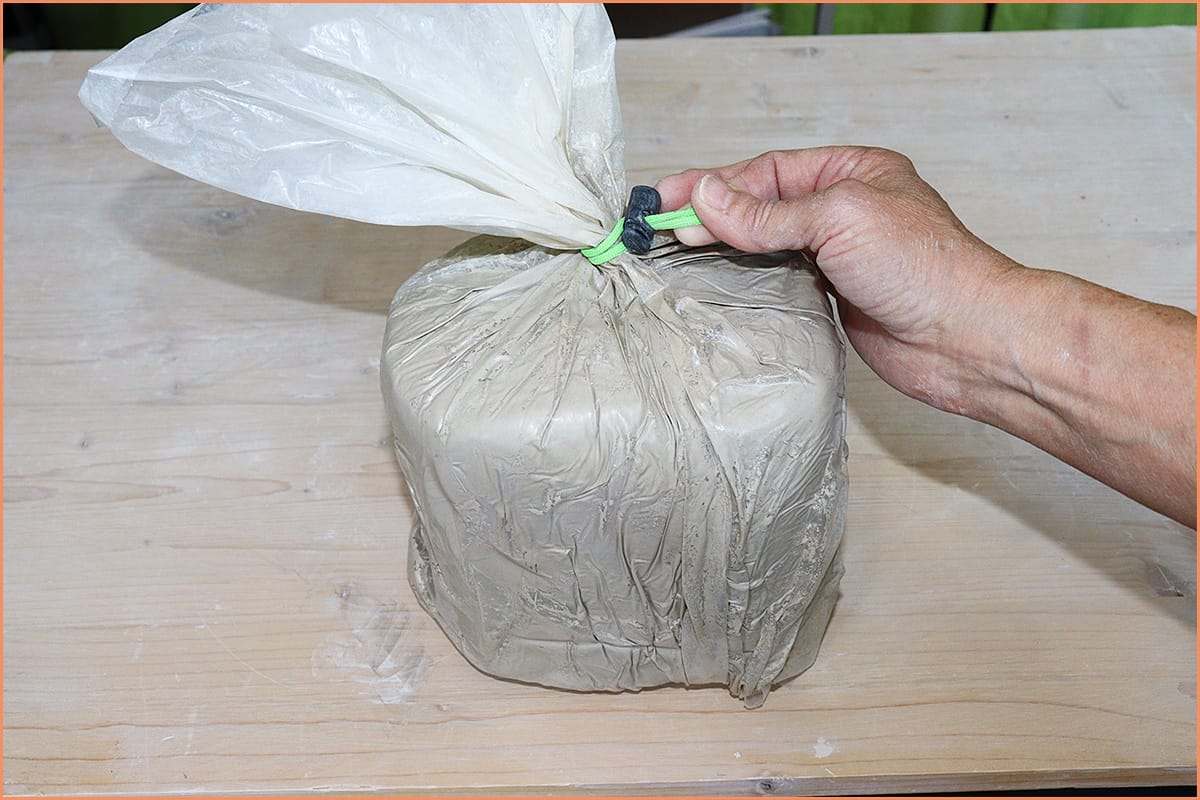
Step 4: Storing. Don’t just leave it out. Get it into a Strong Plastic Bag, then into sealed, Smaller Buckets or a plastic container immediately. I like to let my reclaim “rest” for a day or two before throwing with it.
Pro-Tip: Fixing “Short” or Tired Clay
Sometimes, after you’ve reclaimed the same clay a few times and it feels stiff, it cracks when you try to bend it. This is usually because the plasticity is a bit off.
The Fix: Add a splash of white vinegar or a little Epsom salt to your slake bucket. This process is called flocculation. It sounds fancy, but it just means the acid helps those tiny clay particles stick together again. It restores the clay’s “memory” and stretch. I’ve saved countless bags of clay this way that others would have thrown in the garden.
Common Questions I Hear in the Studio
Can I mix different types of clay?
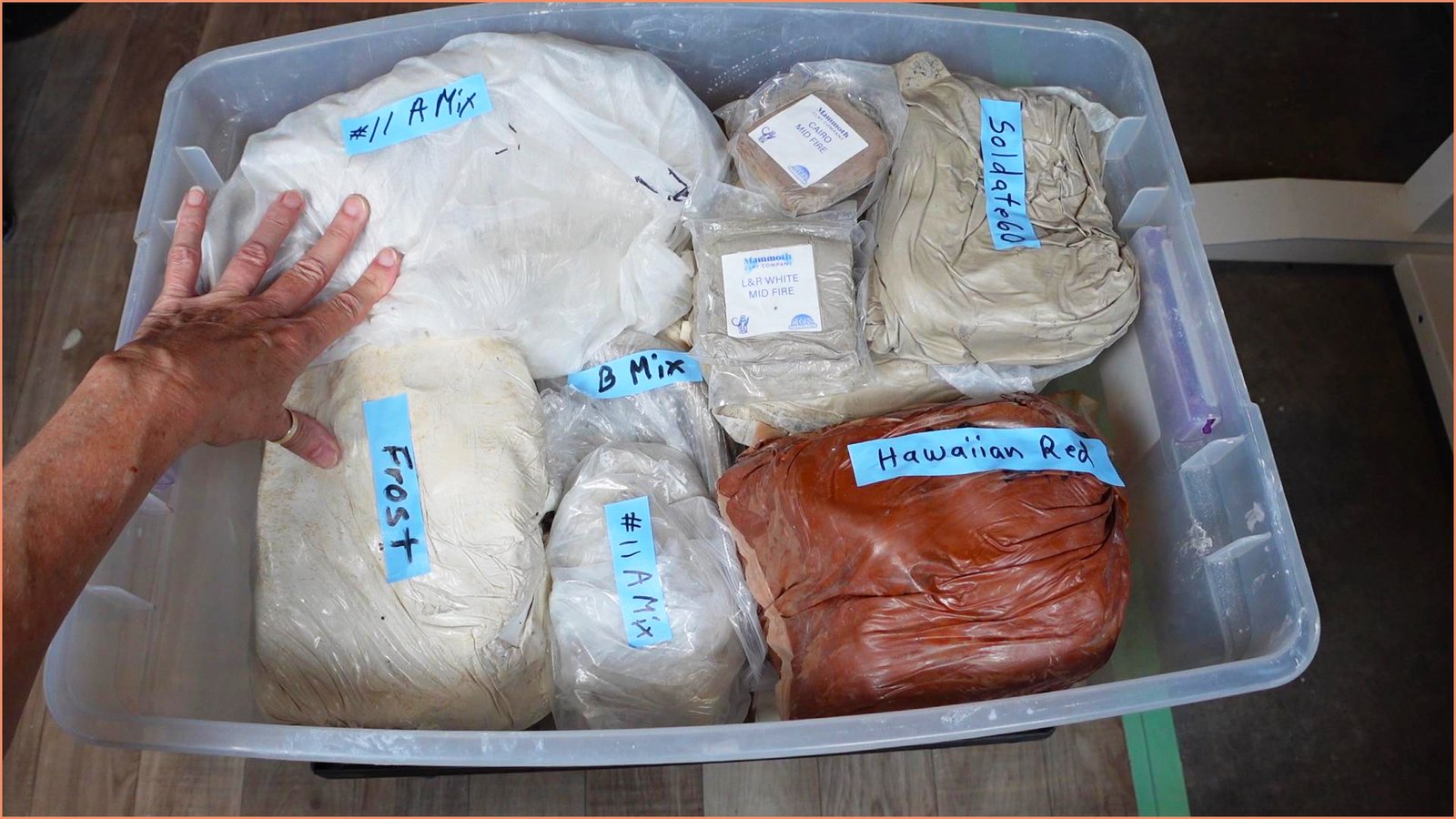
I wouldn’t. Every clay body has a different shrinkage rate and firing temperature (Cones). If you mix a high-fire stoneware with a low-fire earthenware, your pots will likely melt or bloat in the kiln. Keep separate bags for each clay body you use. Make sure you label the clay.
For information on mixing Clay, Check out Can Pottery Clay Be Mixed
Why does my reclaim bucket smell like a swamp?
That’s just organic matter breaking down. It’s harmless to the clay, but if the smell bothers you or you are allergic to mold, add bleach or Hydrogen Peroxide to the water before you start the slaking process.
Is reclaimed clay as good as new clay?
Honestly? Sometimes it’s better. The extra attention you give it during wedging and the bacterial growth that happens in the bucket can actually make the clay more “plastic” and easier to throw than a fresh bag from the manufacturer.
Marie’s Golden Rules for Reclamation:
- Keep it clean: A single bit of plaster or a stray sponge fragment in your reclaim can ruin a pot in the kiln.
- Always start bone-dry: Never rush the slaking process by adding wet clay to the bucket.
- Don’t skip the wedge: Reclaimed clay is only as good as the work you put into homogenizing it.
- Listen to the plasticity of the clay: If it feels “stiff,” a little vinegar goes a long way.
Final Thoughts
Reclaiming clay isn’t just a way to save a few dollars; it’s about respecting your materials and mastering the full cycle of the craft. Once you get into the rhythm of slaking and drying your own scraps, you’ll find you’re rarely ever “out of clay.” It gives you the freedom to fail, to cut a pot in half to check the wall thickness, and to start over without a second thought.