
Glazing Pottery Dip, Drip, and Brush | Pottery Glazing Tips
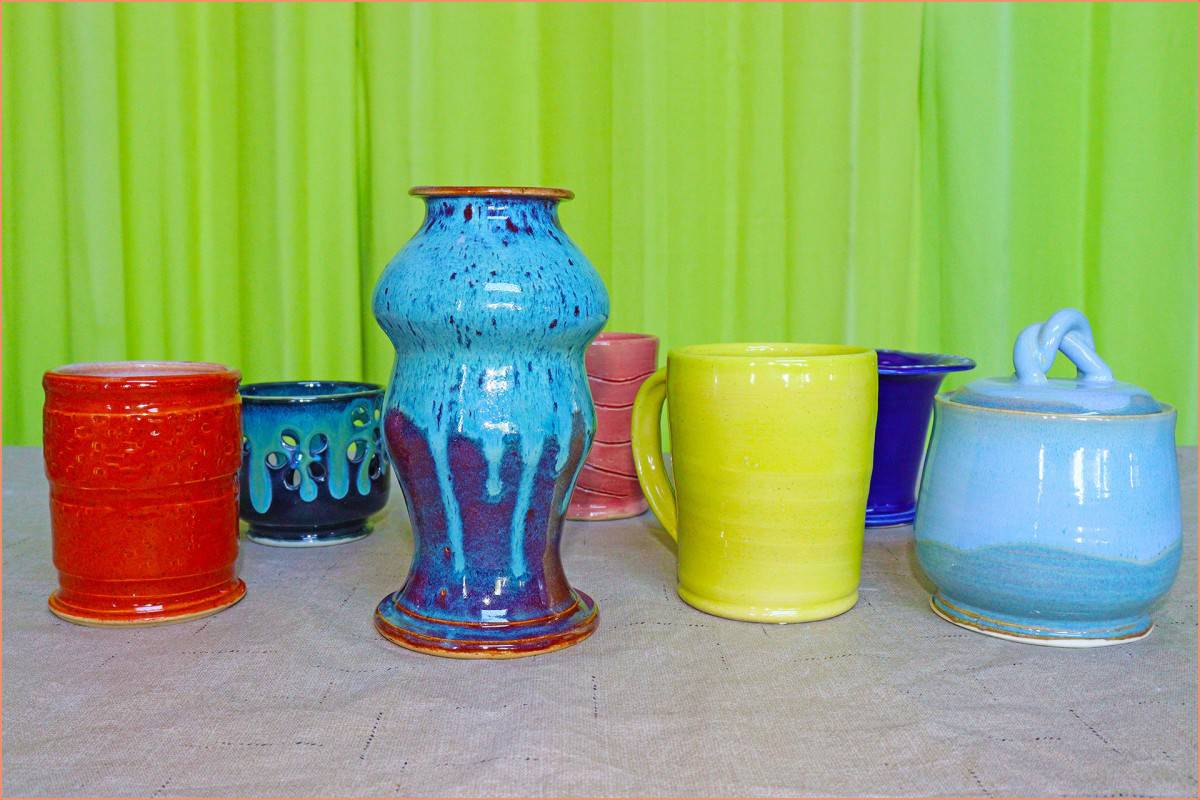
Glazing is a crucial step in pottery-making. No piece of Pottery looks pretty without Glaze application. Glazing is a way to give color and texture to an otherwise bland piece of Pottery. The process is very fun, but can also be a little tricky at times.
So what are the best ways to apply glaze? Potters use several techniques to glaze Pottery, but the most popular are dipping, dripping, and brushing.
Affiliate Disclaimer: We are ambassadors or affiliates for many of the brands we reference on the website. As an Amazon Associate, I earn from qualifying purchases.
Dipping
As the name suggests, Dipping is a process in which Pottery is submerged in the glaze for a few seconds before being removed. The glaze adheres to the porous Pottery giving a smooth, even coat. Dipping is used to apply the base layer.
Dripping
This technique involves pouring the liquid along the edges of a pottery piece, brushing the glaze along the edges, or dipping the edge of the pottery and letting it flow downwards. The glaze will stop flowing at different points throughout the piece.
The glaze can drip when applying or while firing in the kiln, giving it a gorgeous texture and contrasting colors. It’s usually applied as a second or third layer.
Brushing
Is a process using different-sized brushes to cover Pottery will give you different results. Brushing is often done to add the base layer and create fascinating, intricate patterns on the Pottery. Streakiness may appear in some cases, especially for beginners.
If you’re feeling a little confused, nervous, or simply overwhelmed, don’t worry! I’ve listed a method to all three of these glaze application techniques, plus a couple of tips and tricks that’ll help you master the art of glazing. So let’s dive in, starting with the Dipping technique!
How to Glaze Pottery by Dipping
Dipping is the easiest and one of the most popular ways to glaze Pottery. A smooth coat by Dipping can be easily achieved by people relatively new to Pottery. Just remember that Dipping is the best method for setting a base layer.
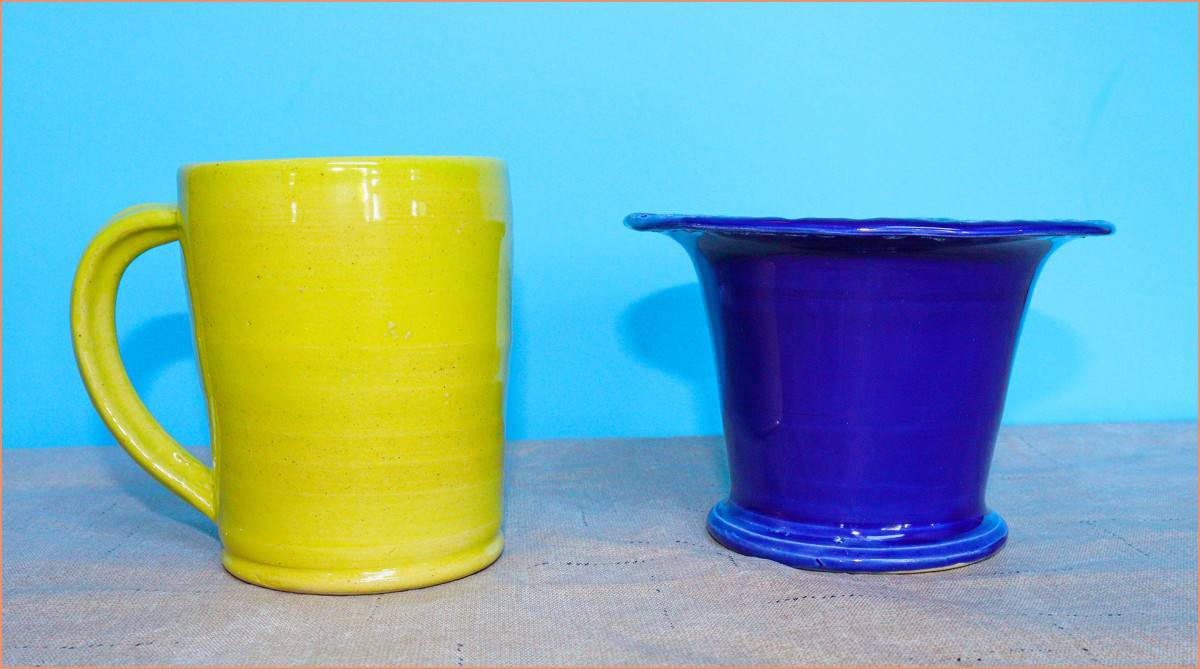
You’ll have to rely on methods like brushing, spraying, and dripping to create intricate patterns and mesmerizing textures. As with other methods, start by sieving your glaze (unless otherwise stated), then stirring it. Make sure the consistency is right (like cream).
Prepare some small, additional pottery pieces and test the glaze consistency if it’s your first time using the particular brand or if you’ve never glazed before. As soon as the sample turns out desirable, use the consistency you made.
Glazing Bowls and Mugs by Dipping
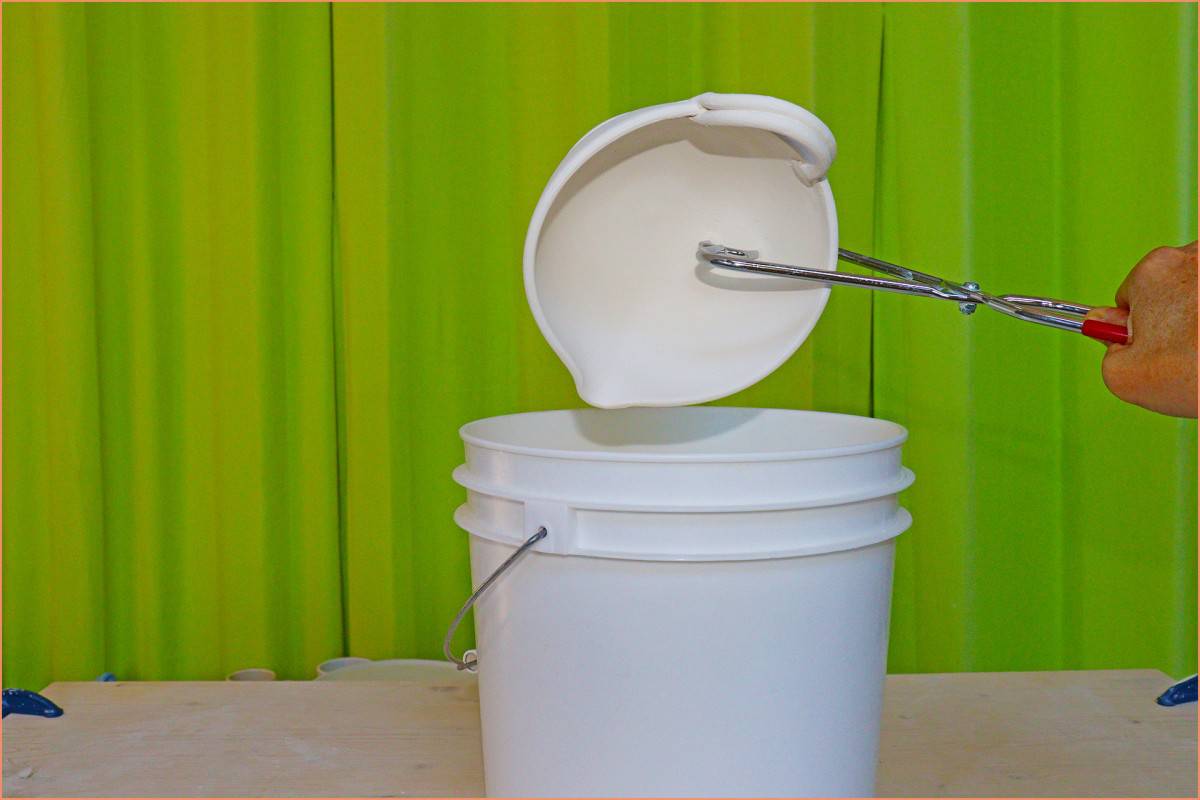
- It is best to use tongs to do this. Make sure you place the tongs in the most solid and secure area of your Pottery. You will be clamping down firmly with the tongs so the piece doesn’t slip, and you don’t want to crack or even break it.
- Dip the bowl or mug into the glaze diagonally, almost as if it were a ladle. Don’t plunge the object directly into the glaze as it’ll splash around and cause a mess.
- Depending on the glaze, hold the mug inside it for 2-5 seconds.
- Remove the bowl or mug from the glaze again, diagonally, as if you’re pouring soup from a ladle. This minimizes splashing.
- The tongs should be held upright, and the mug or bowl should be placed upside down just above the glaze bucket so any excess pours off.
- Once the base has dried, place the bowl or mug upright and let it dry.
- Inspect the piece before firing. Make sure the coat is even and smooth. Any drip spots will show up in the final piece. Fire the piece once you’re happy.
Glazing Flat Items by Dipping
- Grab the plate, tray, or dish with tongs, then slide it slowly into the glaze bucket to prevent splashing.
- Hold the flat object inside the glaze for 3-5 seconds.
- Remove from the glaze using tongs. Hold in a vertical position while doing so.
- Shake the glazed piece, so any excess glaze comes right off.
- Once the wet sheen is gone, set the object down.
- If there are tong marks, smooth them out with a soft blending sponge, a round-tip brush, or a Q-tip.
To get more detailed information on dipping read What is Dip Glazing | Glazing Tips Tools And Ideas. Once you get the hang of it, dipping is a good way to glaze.
How to Glaze Pottery by Dripping
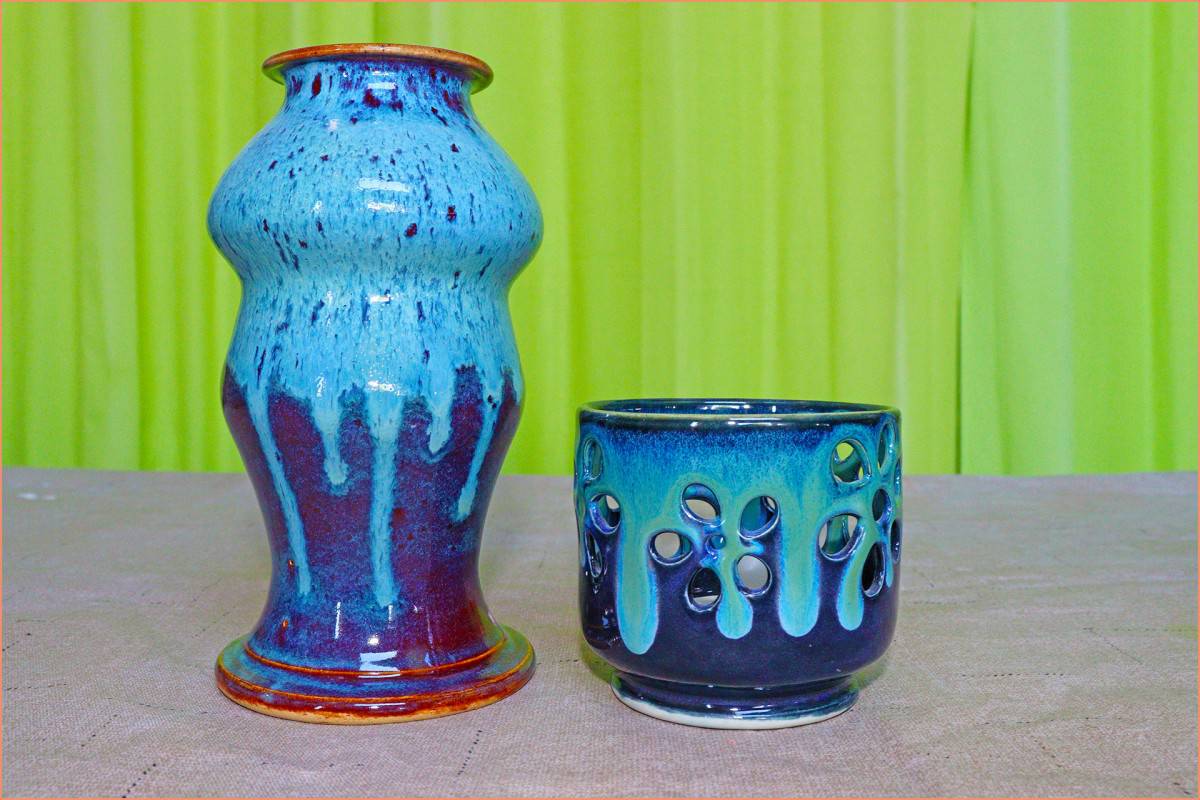
Dripping is a brilliant technique of pouring glaze along the rim of a pottery piece to achieve a drippy liquid texture. It’s mostly done on decoration items, but it can be done on any pottery if you like.
Dripping is often done along with Dipping, where the Pottery is dipped first and then dripped on, or just the rim is dipped again. This results in eye-catching color contrast and gives a look of finesse to the final piece. It also gives a certain depth to the textures and colors.
Preparing For Dripping
Before dripping, glaze the interiors. Start by pouring the glaze into your piece and let it sit for 3-4 seconds. Swiftly pour the glaze back inside the bucket.
Some glaze would be absorbed by the Pottery and will cover the insides. If any excess glaze remains, flick it off using your hands. Rotate your wrists instead of the Pottery itself.
You can also use a sponge to wipe it. If there is a small irregularity and the bisque ware is a vase or has a small opening, leave it be. Going on an abstract route, you can let the little mistakes slide and consider them a decorative effect.
Now that you’re done with the interior, start pouring the glaze on the outside surface.
Different Ways to Drip Glaze
- You can use the pouring method to make the base layer, or you can dip the Pottery. Once the base layer has set, let it dry. Now grab a squeezable bottle with a nozzle of the thickness you prefer and fill it with the glaze.
- You can make different layers of drips by dripping once and letting it dry, then dripping again.
- You can add two or more glazes and mix them to create a specific color. Squeeze the bottle along the rim of the pottery piece. Let gravity take care of where the drip flows. Once you’re satisfied, let your glaze dry and fire it.
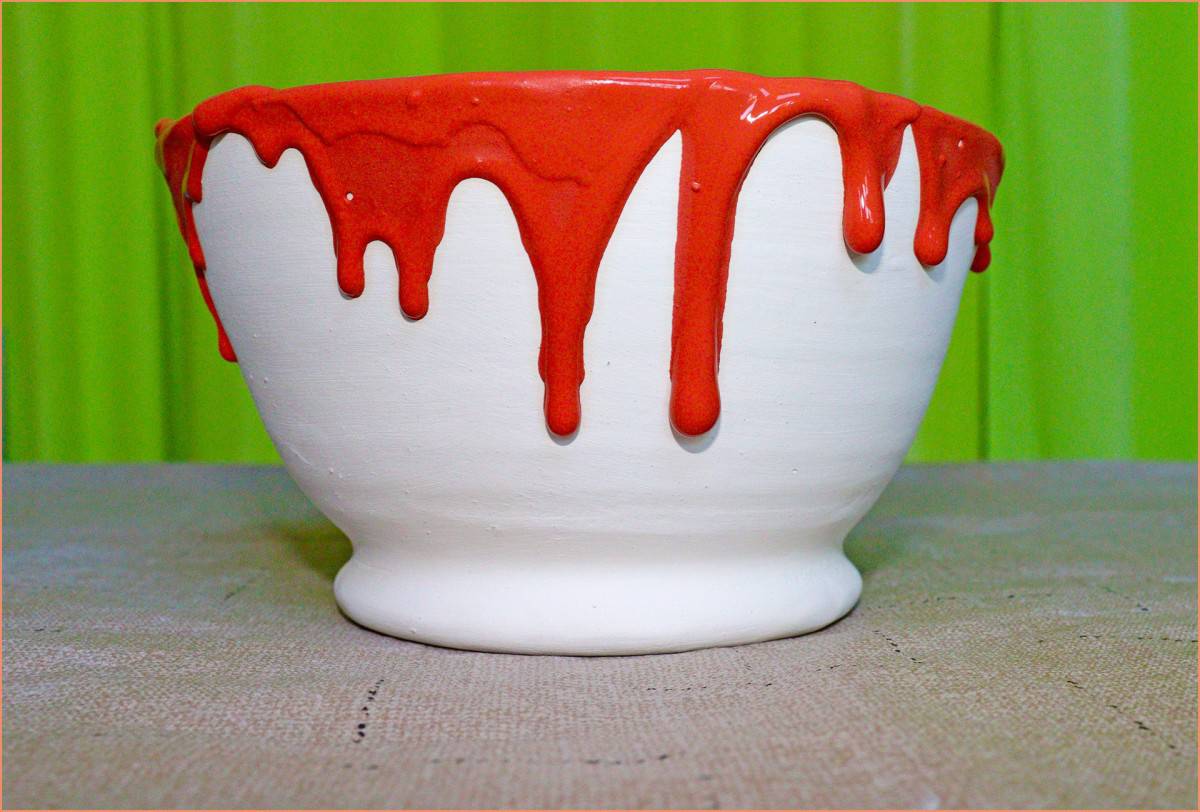
- One fun trick you can try is pouring glazes of different colors into a bottle with a large opening, then pouring them along the sides of your pottery piece. The colors will merge together at some points while remaining separate at others, giving an abstract feel with different textures and saturation. Make sure you don’t mix them. Let the colors do the magic themselves.
- You can also brush or dip-glaze the rim with glazes that say “Creates separation,” “flows,” “breaks,” or “floats” on the label. These are glazes that can move when fired and will give you a dripping effect.
How to Glaze Pottery using a Brush
Brushing glazes on top of Pottery is a choice many beginner Potters make. It seems to give them more control over the glazing process. Plus, you can buy it in small pints, unlike dipping glazes.
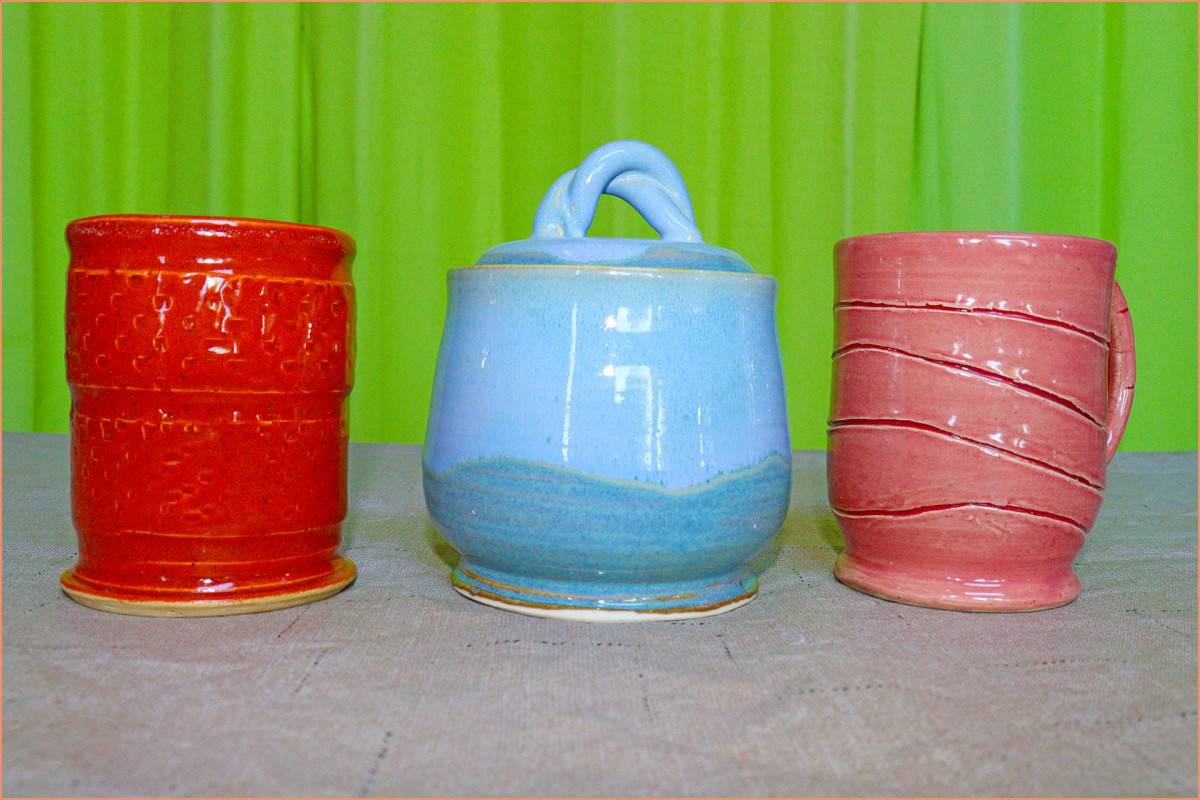
If you’re brushing the surface coat, it’s likely to develop an unevenness. This is not your fault, rather just the nature of this method, so don’t worry if you notice a lack of symmetry.
Most brush Glazes are formulated for application to bisqueware. Other reasons to opt for brushing glaze are if you need a brushed texture, or if streakiness and lines on the Pottery don’t matter. You will not get streak marks when the proper amount of glaze is applied to your pottery.
Choosing Your Brushes
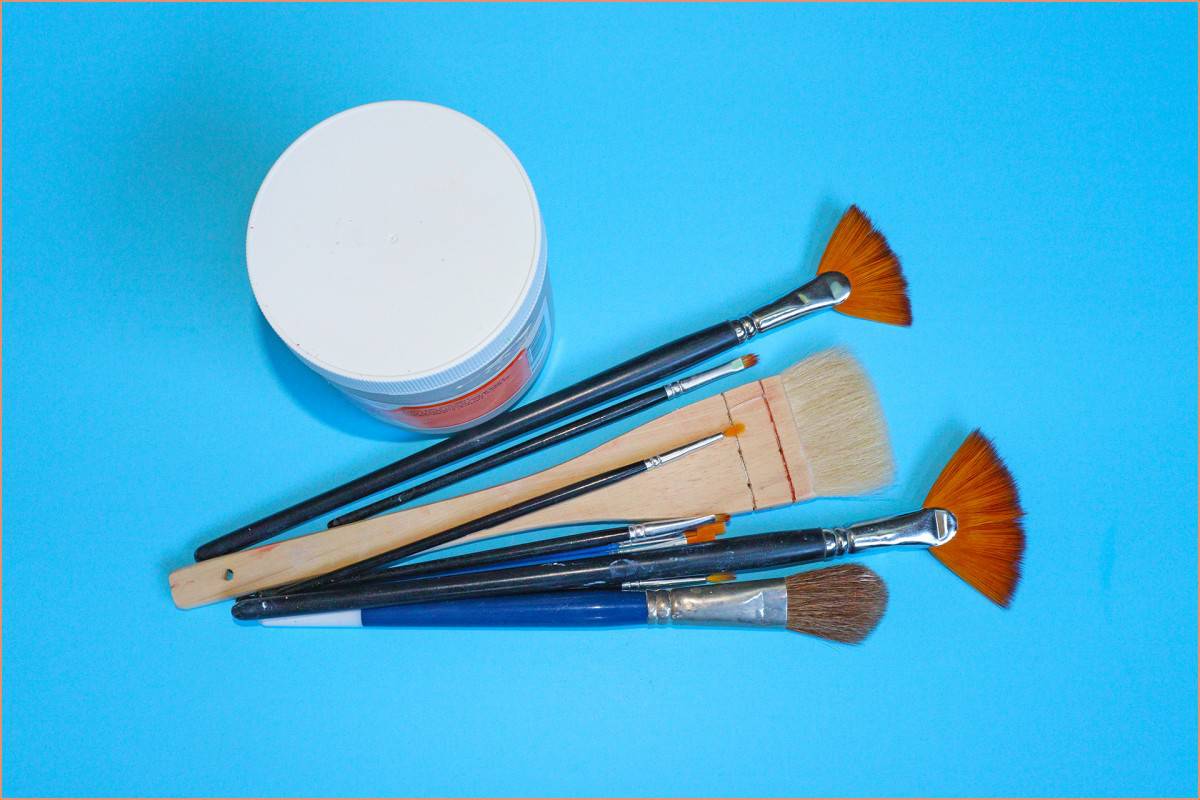
While glazing seems similar to painting, it’s not. The ingredients of glazes consist mainly of silica and clay, which makes it far different than paint. That’s why not just any brush will do.
When brush glazing, there are several different types of brushes to choose from. Picking the right kind of brushes depends on your needs, such as the texture you want in the end and the area you have to cover.
Affiliate Disclaimer: We are ambassadors or affiliates for many of the brands we reference on the website. As an Amazon Associate, I earn from qualifying purchases.
Hake brushes
Hake brushes were designed with the potter in mind. This set of Hake Brushes is great for glazing. The long hairs are good at holding a huge amount of glaze. This allows the glaze to flow on instead of being brushed on. The choice of 3 sizes: 1.18in, 2in, and 2.95in. definitely makes a difference when glazing large and small pieces of pottery.
Mop Brush
It’s called a mop brush for a good reason. It can hold a good amount of glaze for a one-inch (2.54cm) brush. This mop brush has soft bristles that hold glaze well, allowing it to flow off the brush nicely. It’s good for covering medium to larger areas. When it comes to glazing brushes, this Wilson Bickford Mop Brush is a good addition.
Fan Brushes
Fan brushes can create different effects, and the coverage they produce has been wonderful. These Fan Brushes make Glazing more enjoyable when you feel the glaze slide on your pottery nicely and smoothly. You can apply thin lines by using the side of your brush. Abstract painting is also fun and easy with these brushes. This Fan brush set includes 6 brush sizes: #2, #4, #6, #8, #10, and #12. You can order yours by clicking Fan Brush Set.
Detail Brushes
When the pattern is delicate, use small brushes. Detail brushes are perfect for drawing fine lines on your pottery. For very flexible, soft strokes to glaze your pottery, this 7-piece brush set is a good choice. Click Here to get yours.
These are a few Types of glaze brushes you can choose from. You can also check this Glaze Brush Selection to get more information on choosing brushes. When it comes to brushing on glazes, the creativity is endless. These brushes help me enjoy the Art of brushing on glazes, hope they do the same for you.
Some Tips for Brushing
- The brushes you use to glaze should be clean and hold a good amount of glaze. This helps you cover a greater area in one sweep.
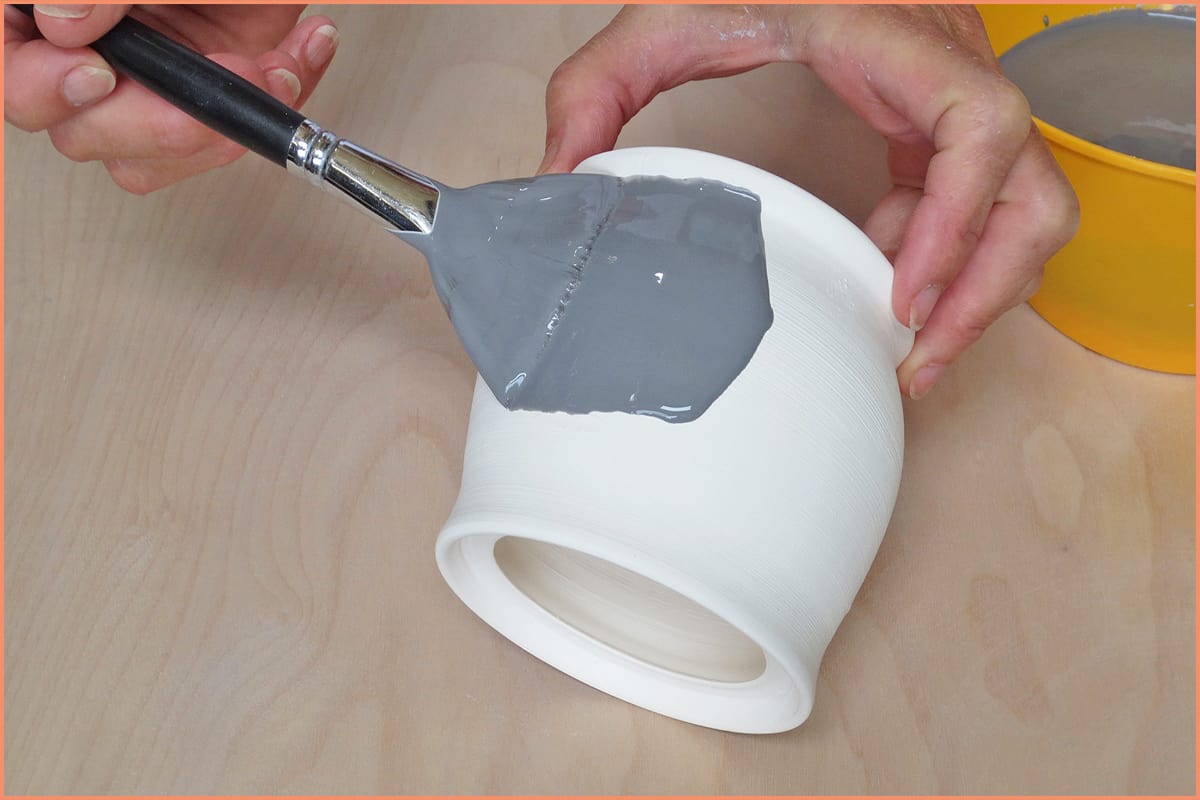
- Every time you go over an area again, change the direction of your brush (horizontal and vertical) to decrease the chances of obtaining a streaky-looking pottery piece. If you go over three or more times, streaks are less likely to appear. Make sure the glaze flows over the piece to cover the area.
- To disguise brush marks that you’ve accidentally made, apply another layer of glaze in the opposite direction.
- Use soft brushes that hold a good amount of glaze to achieve a flat, evenly glazed surface.
- Wash your brushes before applying additional glaze layers. Make sure no color remains.
- Never use a brush you’ve previously used for wax resist. It’s important to keep your wax resist brushes separate from your glaze brushes. It’ll ruin your pottery piece. Click here for more information on wax resist.
Brushing Styles:
Painting Effect
If you’re already using a brush, why worry about hiding its texture? You can use brushes to paint the Underglaze and the glaze on any piece of pottery, such as bowls or mugs. Let the brush leave its texture.
Use different colors, make random strokes (don’t mix vastly different glaze colors too much!). It will end up looking brown or dark green. Or If you are lucky and didn’t mix up the glazes too much, it’ll end up looking like a cool abstract painting.
Personalized Dinnerware
Have you made your pet dog a cute little bowl? Did you want to give your best friend a handmade mug? Make the Pottery a little special by brushing with Underglaze.
You can personalize dinnerware using brushes. It can be anything, from simply writing a name, making a memorable symbol, or painting a small portrait! Don’t forget to brush on a layer or two of Clear Glaze to seal your Pottery.
Brushing with Stencil
Brushing can be tricky. If you can’t draw a design, don’t be intimidated; instead, start with a stencil. Apply the base layer first. Then use a stencil to make stars, flowers, or even basic shapes. You can get stencils from any stationery store or order online.
Splatter Effect
I love the splatter effect. It’s fun to do. Brushes can help you get a splatter effect on your Pottery. Once the base layer is done, pick a vibrant color, coat your brush, and flick away. You can use multiple colors. You can do this on decoration pieces or almost any pottery you have. The sky is the limit.
Try glazing with a base layer of white, then add yellows, pinks, and oranges. Another idea would be to glaze in a light blue color and make darker blue splatters (or vice versa).
You can also splatter Underglaze on your piece and give it a clear glaze coat.
Cool Designs
You can make coasters, wall art, and even fridge magnets using a detail brush. Make some square and round tiles that you can use as coasters, magnets, and wall art.
Create some interesting yet easy designs using vibrant underglaze and glaze colors. A simple idea is to draw a flower or tree, color it vibrantly, and add a few background colors.
Best Pottery Glazes
Whether you prefer brushing, dipping, or dripping, only a well-formulated and colored glaze will give you a brilliant result. Here are a couple of my top picks!
Amaco Potters Choice Glaze Set
This set of Amaco glazes offers six colors that are well-suited for decorating your Pottery. The list of colors includes Chun Plum, Ironstone, Lustrous Jade, Seaweed, Saturation Gold, and Textured Turquoise. The colors can be mixed together and applied in layers as well. Here are some basic features of this set:
- The glazes have a very nice consistency and can provide a wonderful shiny finish if applied with the right technique. It shows great consistency on several differently textured surfaces.
- The colors are quite vibrant, so they’re fine on their own or on a pattern. However, these glazes can be layered with other colors to produce interesting results.
- The glaze is well-suited for bisqueware as the first coat absorbs really well into the bisque piece’s pores. If you’re brushing, you’ll feel the second layer smoothly glide over the surface. You can dip, pour, and even use sponges.
- The glazes can turn out to be thicker than usual, so you can dilute them with some distilled water. Make sure to mix well after adding water.
- These glazes are also non-toxic and safe for use on dinnerware.
- For ideal results, apply to cone 04 bisque. Fire the Pottery at cone 5-6.
Amaco Dry Glazes
Dry glazes are popular among pottery studio owners and last twice as long as liquid glazes. They also let you make batches as per your requirement. They are perfect for storage.
Some of the best dry glazes are by Amaco. There is a wide selection to pick from. Here are some things you should know about these glazes:
- Dry glazes are made liquid by mixing them with water in the right proportions. For every 5 pounds of glaze, you’ll need at least a half a gallon (1.9 liters) of pure distilled water. This will make a perfect consistency.
- These dry glazes have great coverage when dipping. They do behave differently from brushing glazes. They may be difficult to layer and require testing first, but they are great for base dipping, giving you a nice, even coat.
- Dry Glazes come in a 2-gallon bucket for mixing and storing, making them easy to use and store. These glazes are made with mixing in mind. You can tint, shade, and create your own personal colors.
- Amaco dry glazes are certified non-toxic after adding water and foodware safe. Best results when applied to cone 04 bisque ware and fired to cone 5-6.
- Being able to make large or small batches, ease of use, and good storage are great reasons to add these dipping glazes to your growing collection.
- 1 – Marigold – 10lb Dry
- 2 – Obsidian – 10lb Dry
- 3 – Snow – 10lb Dry
- 4 – Deep Firebrick – 25lb Dry
Tricks to Master Glazing
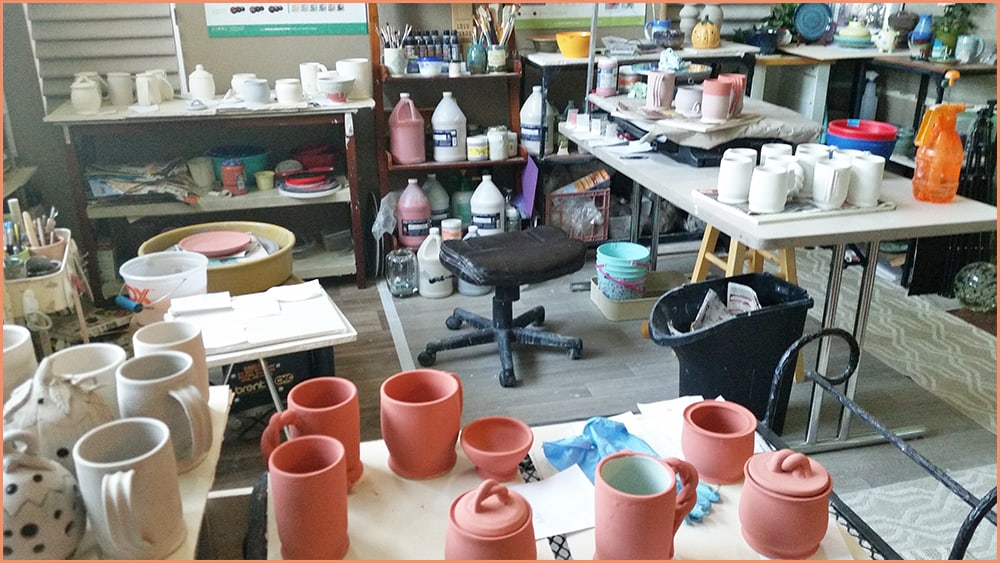
Here are a couple of tips and tricks regarding glazing that every potter should know!
- After bisque firing, clean your pottery with a damp sponge.
- Make sure your hands are dry before you touch the Pottery. Any moisturizer on your hand or even the natural oil released by your skin can create a resistant spot where the glaze won’t adhere. This will result in uneven glazing.
- Wearing a clean pair of gloves is a better option than constantly drying your hands, because even when your hands are dry, any oil released by the glands in your skin can still cause spots. Wear gloves at all stages of your glazing process, including loading and unloading the kiln.
- Use sandpaper to go over parts of the bisqueware that aren’t fine or smooth. Any rough spots you didn’t even out before bisque firing can be dealt with in this way.
- After you’ve sanded bisqueware, damp a sponge and wipe the pottery piece with it. This will remove any trace of dust left after sanding.
- Place the bisqueware on foam when sanding to avoid chipping, breaking, or any other damage.
- Mix the glazes very well. Using an electric drill or mixer is a good idea. No chunky glaze particles should be lying in a bucket. Stir very well and sieve.
- Glazing inside the pot first is a better choice. It’s easier to glaze by the pouring method as it results in a smooth coverage. You don’t really find texture inside pottery pieces anyway. Just pour the glaze inside the pottery and roll the piece around. That’ll cover all of the insides.
- If your pottery piece is complex and has multiple steps of underglazing, glazing, overglazing, wax resisting, and firing, glaze the inside of the Pottery first and let it dry. This gives you a drier piece to work with. Do this if you’re brushing.
For all the tips on glazing, visit 27 Glazing Tips For Beginners to get the best recommendations for your pottery projects.
To summarize
Dip glazing is the easiest way to glaze your Pottery, especially when working on large amounts of ceramics at a time. There is no exact way to dip, and you can get creative, but brush glazing is less limited.
Dripping is a fun way to add a cool look to your Pottery. If you make the drips yourself or if the kiln does, both are great ways to drip decorate.
Glaze Brushing presents endless possibilities. Your imagination is the limit. If you follow the few golden rules, your Pottery will have your own unique look.
I like all 3 glazing methods. If you choose to apply your glaze all or in one way, make sure you enjoy it and keep making that beautiful Pottery.