
Do You Need a Kiln to Glaze Pottery at Home
There are differences between creating pottery at home and in a Pottery Studio. The biggest difference is having access to a kiln. So, do You Need a Kiln to Glaze Pottery at home?
You do need a Kiln to Glaze Pottery properly. However, certain glazes that do not require extreme heat may be used, making them perfect for decorating pottery at home. There is also an alternative to glaze that can make creating pottery at home easy.
Let’s explore the different ways you can Glaze Pottery at Home without a kiln. You’ll discover the glaze and alternative you can use and how to paint pottery safely in the comfort of your home without a kiln.
Affiliate Disclaimer: We are ambassadors or affiliates for many of the brands we reference on the website. As an Amazon Associate, I earn from qualifying purchases.
The Importance of Glazing
It is important to have some understanding of the significance of glaze in pottery. Without the glaze, pottery may not be as durable. It certainly is not as decorative as it could be. A glaze finish can make your pottery waterproof and stain-proof. Also, more resistant to chipping, depending on what type of glaze is used for your pottery projects.
Kiln Glazing vs. No Kiln Glazing
When using glazes that require a kiln, your glazed piece of pottery is placed into the kiln. The kiln is then fired up, reaching high temperatures. The higher temperatures in the kiln melt the glaze, creating a glass-like outer layer on the pottery piece.
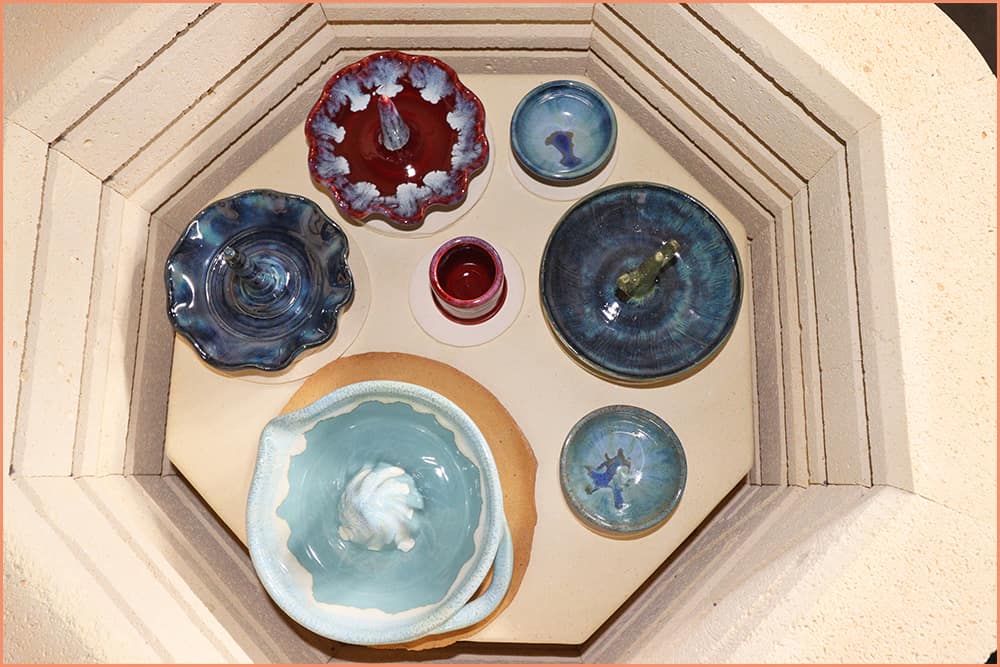
Many ceramic glazes used in kiln glazing are food-safe, meaning they can be used to serve food without any consequences. The glass-like quality of the melted glaze protects the pottery from water damage and staining. It is a good idea to check the label on your glaze to know if it is food-safe.
Using alternative glazes that air dry rather than being fired is different from kiln glazes. They are not food-safe, meaning these pottery pieces can not be used to serve anything that is consumed. These alternative glazes are mostly used for decoration purposes.
Alternatives to Fire Glaze without a Kiln?
While glazed pottery is typically set in the extreme heat of a Gas or Electric Kiln, there are some alternatives that can be done at home to get similar results. These alternatives include using fire. You will need to have a fire-safe area.
Raku Firing
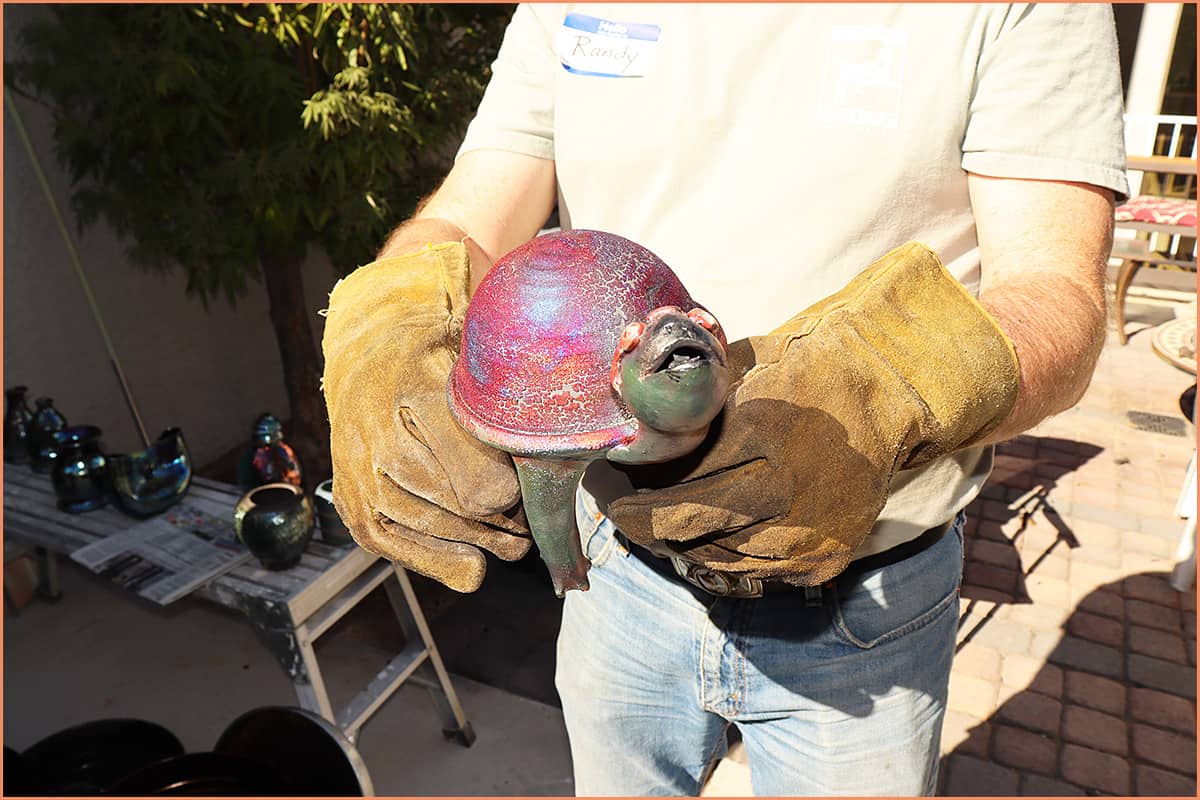
While not everyone has access to a proper pottery kiln, one method for glazing pottery without a kiln is called Raku Firing. This method requires a bisque fire to turn the clay into a ceramic material. The required temperature depends strictly on the type of clay being used. In addition, this method requires a place where you can create the fire. Most commonly, this method is done in an art studio with a kiln, but it is also possible to do it at home with a pit fire.
Pit Firing
A second method used without a proper pottery kiln is a pit fire. You can use either a large pit area or a smaller one. This is the earliest firing method. While this doesn’t produce the same exact results as a kiln piece of pottery, it can be just as valuable.
Pit firing also takes a long time with unique results. You can use bricks as kiln shelves and cover the pottery with a galvanized bucket to protect it from fire fuel, such as charcoal and/or wood.
The pit firing temperature will reach around 1562℉ (850℃), which would be considered a very low bisque fire. This temperature would be hot enough to convert the clay into a ceramic material, but not hot enough to vitrify it or make the glaze food-safe.
I would not recommend using a kitchen oven. A home oven will not reach the recommended temperature needed for the glaze.
Types of Pottery Clay to Use With or Without a Kiln
Choosing the right Clay Body is essential for anyone who wants to work with clay. Whether you’re using a kiln or not, the type of clay does matter. There are many different Types of Clay, each with its own benefits and drawbacks. However, clay bodies are better suited for firing without a kiln than others.
Raku Clay:
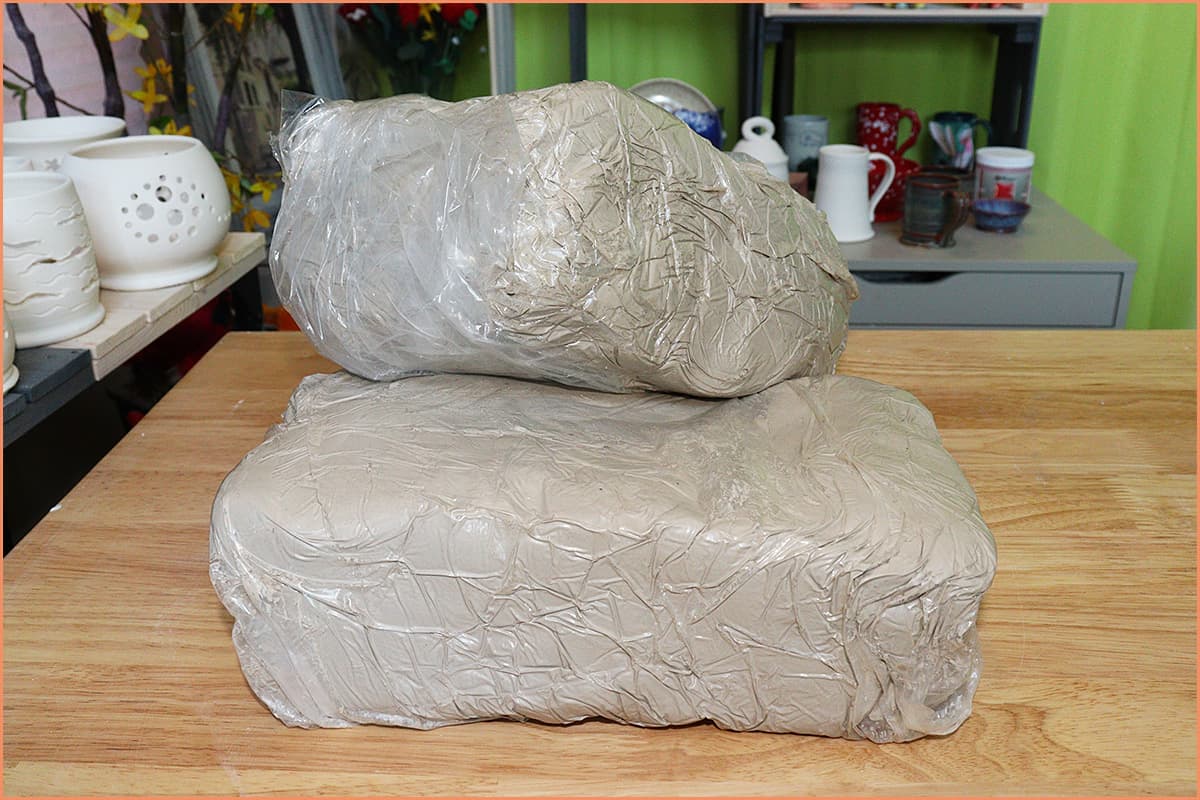
This low-fire Raku Clay is made for fast heating and cooling. It works great for both pit firing and raku firing.
Earthenware Clay
Earthenware Clay is a popular low-firing clay for those who want to create pottery without a kiln. However, if you choose to use it for pit firing or raku firing, you will need to have or add 20% Sand, Grog, or Volcanic Ash. This tempers your clay for fast firing and cooling.
Air Dry Clay
If you don’t have access to any firing, then Air-dry Cay is a good choice. It is not as fragile when it dries, and there is no need for a glaze firing. Air-dry is used for decorative pieces only, as it can be water-resistant when sealed but not waterproof. I found Stonex Air-dry Clay works best on the pottery wheel.
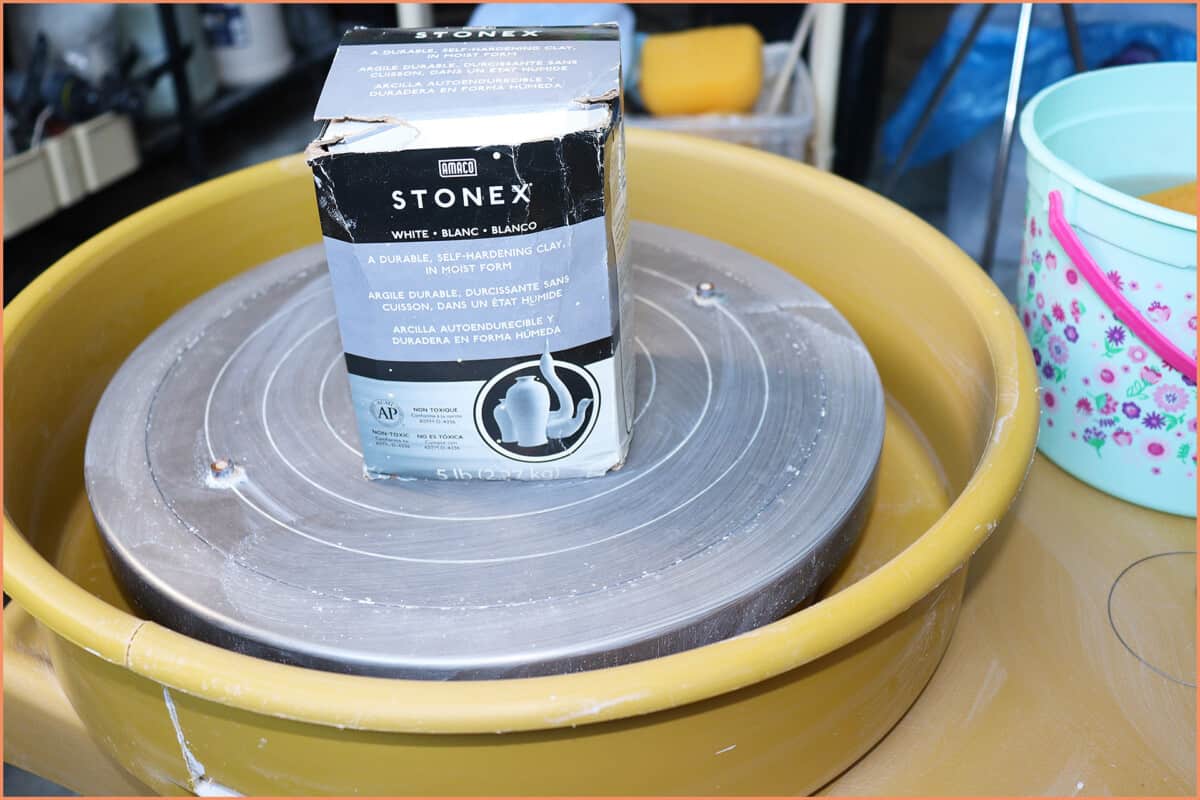
You can check out this article on Three Air-dry Clays tested on the pottery wheel.
What Type of Pottery Glaze Should I Use?
Kilns heat up to 1800°F (982℃) to 2400°F (1315℃). You will need to look for Low-fire glazes because you don’t have access to the extreme heat needed to glaze clay pots. You can also make your own glaze with a lower melting temperature. These glazes will allow you to set your pottery in lower temperatures than those required for a kiln. There are also Raku glazes that will be perfect for other methods, such as Raku Firing and pit firing.
When choosing these glazes, you should always test fire with small pieces of Bisqued Pottery.
If you still do not have access to high enough temperatures required for “Low Fire Glazes,” consider painting your pottery with Acrylic Paint. Although this will not produce a glass-like state as a kiln-glazed pot, it will allow you to add color and vibrancy to your finished product without using expensive equipment.
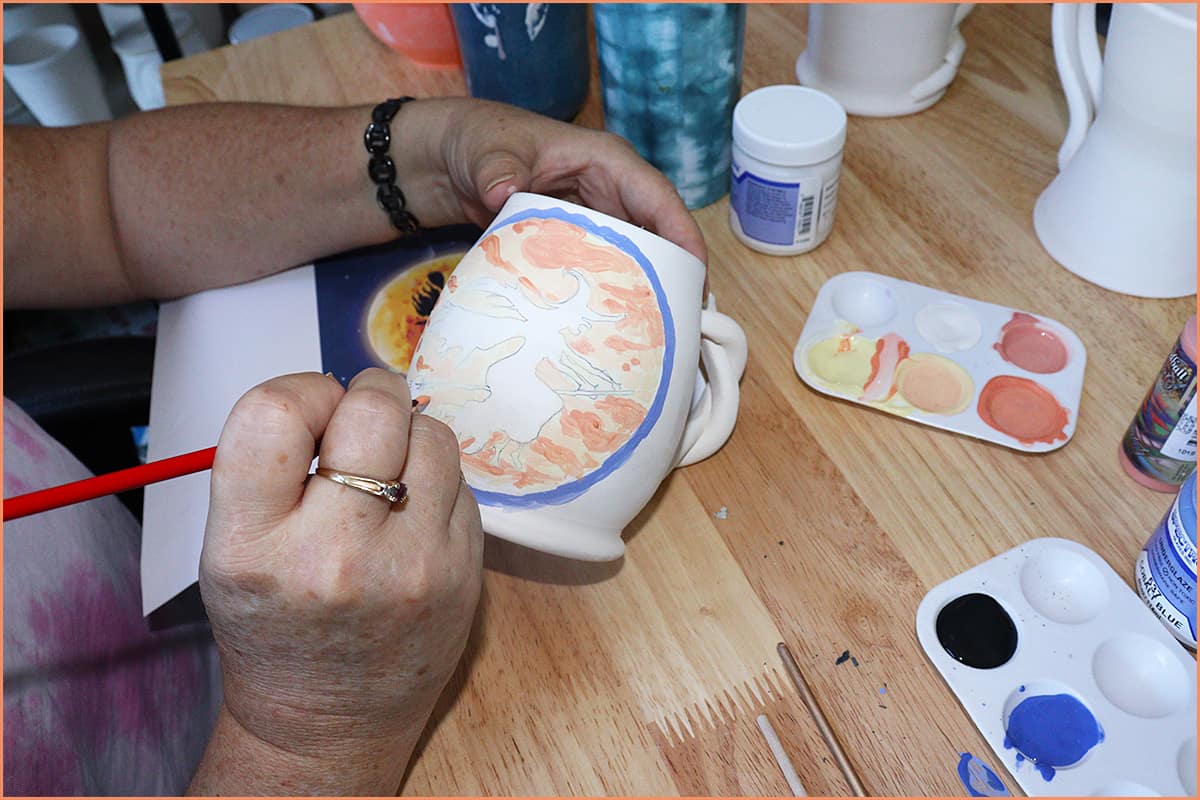
You can still your clay pieces hot enough to turn them into a ceramic material to strengthen your clay. Then use these at-home glazing alternatives, including Acrylic paint, Clear polyurethane varnish, and an Acrylic Sealer. If you can’t raku-fire or pit-fire your clay, Using Air-dry Clay is a good alternative.
Another alternative would be to glaze your pieces at home and rent kiln space at a pottery studio in your area. Where you live will determine the pricing for renting the kiln space.
Final Thoughts
Although most pottery is generally suited for the kiln-fire glaze, there are a few ways to enjoy this hobby without the use of a kiln. The outcomes may vary from traditional pottery views, but there are great ways to incorporate pottery into your lifestyle, just the way it is!
FAQ
Can I use any type of paint to glaze my pottery?
No, you cannot use just any type of paint to glaze your pottery. You need to use a specific type of paint designed for pottery. Like Underglazes, Glazes, Oxide stains, and colored slips. If you are not kiln firing, then Acrylic Paints are a good option for glazing pottery at home.
What is the best way to apply the glaze?
The best way to apply the glaze depends on what look you want to achieve. Here are 9 Pottery Glazing Techniques for you to choose from. The most popular way to glaze for beginners and hobby potters is Brush glazing. And the popular way to apply for production potters is Dip Glazing.
Can I glaze the bottom of my pottery?
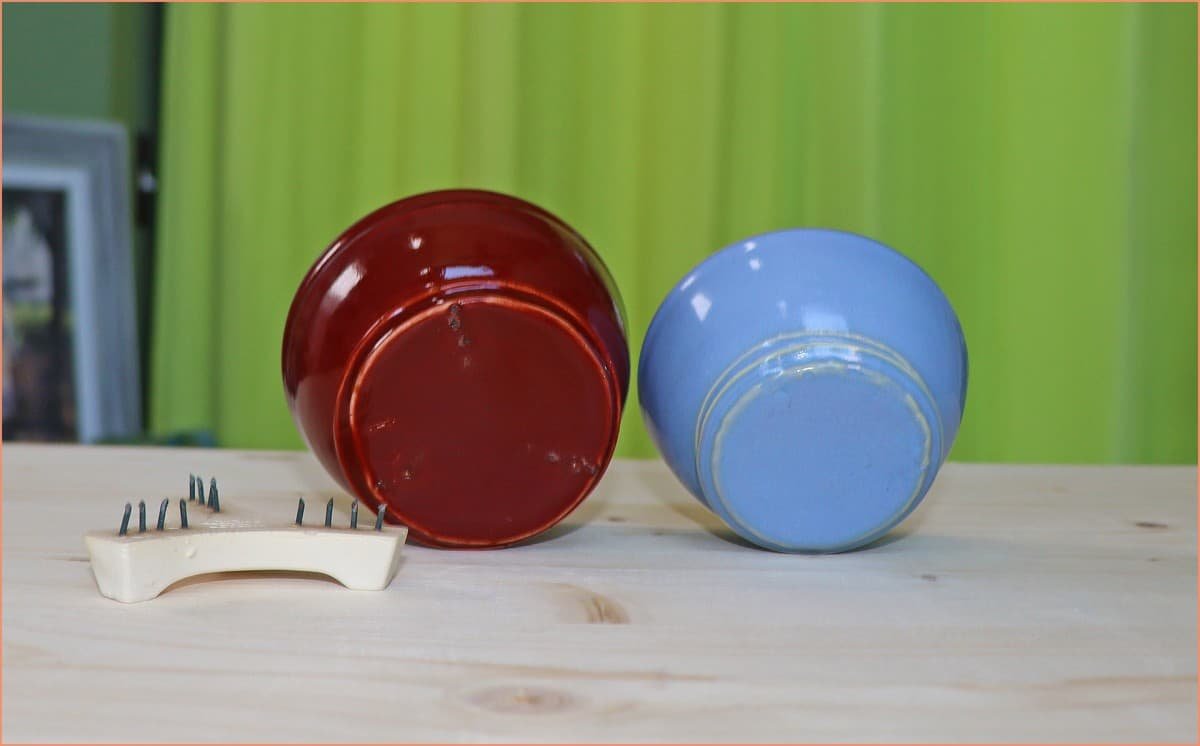
It’s important to remember NOT to glaze the bottom of your pottery unless you use Ceramic Stilts. Because glazing the bottom of your pottery can cause the pot to fuse to whatever surface it’s placed on during firing. However, you can apply glaze on the bottom if you use ceramic stilts. Click here to find out How To Glaze the Bottom of Pottery.
How long does it typically take for glaze to dry?
The time it takes for the glaze to dry depends on the type of glaze you use and the climate you live in. It may take longer or shorter for the glaze to set. The first coat dries pretty quickly as it absorbs into ceramic material. The next layers can take hours for the glaze to dry completely. If the glaze is not dry, it will be cold to the touch. Make sure it’s room temperature before you fire it up in the kiln.
My pottery is not firing in the kiln. What can I do?
When your kiln begins malfunctioning, it may be time for a service call. However, it is possible to troubleshoot and solve some of the most common problems that are likely to affect your kiln. To go over possible causes, check out The Ultimate Guide to Troubleshooting Kiln Problems