
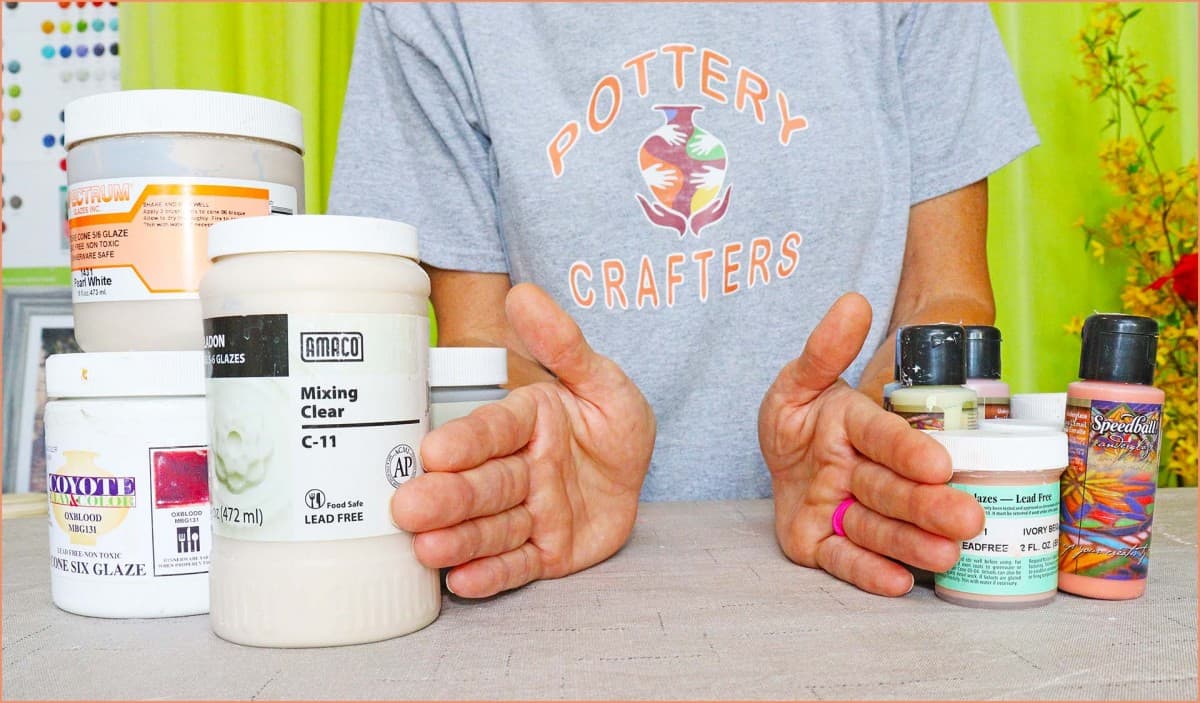
Can Glaze and Underglaze Be Mixed?
Underglazes and glazes are both common ways of adding color to a pottery piece. Typically, both can be applied to pottery at different stages. This raises the question: can glaze and underglaze be mixed?
No, mixing glaze and underglaze together is not recommended and can result in defects. Glazes can be mixed together with other glazes to create a different color, and underglazes can be mixed together to create a new color. Underglazes can also be mixed with slip.
Let’s take a closer look at mixing glazes together and mixing underglazes together, but why is it best not to mix glazes together with underglaze?
Affiliate Disclaimer: We are ambassadors or affiliates for many of the brands we reference on the website. As an Amazon Associate, I earn from qualifying purchases.
Mixing Glazes Together
Mixing glazes together is a fun and creative way to create a variety of interesting colors and textures. Although most Glazes are compatible with mixing, it comes with its own set of risks. It’s important that potters understand the properties of each glaze and how it will react when combined with another before playing around too much. It is best to mix glazes from the same manufacturer.
Also, combining certain glazes can lead to a muddy, darker look! Mixing test tiles can help to predict what the final product might look like.
Mixing Underglazes Together
When mixing underglazes, make sure they are compatible. Many Underglaze recipes are similar, but not identical. It is best to mix them from the same manufacturer. Mixing Underglazes together provides endless possibilities for getting just the right shade your projects need.
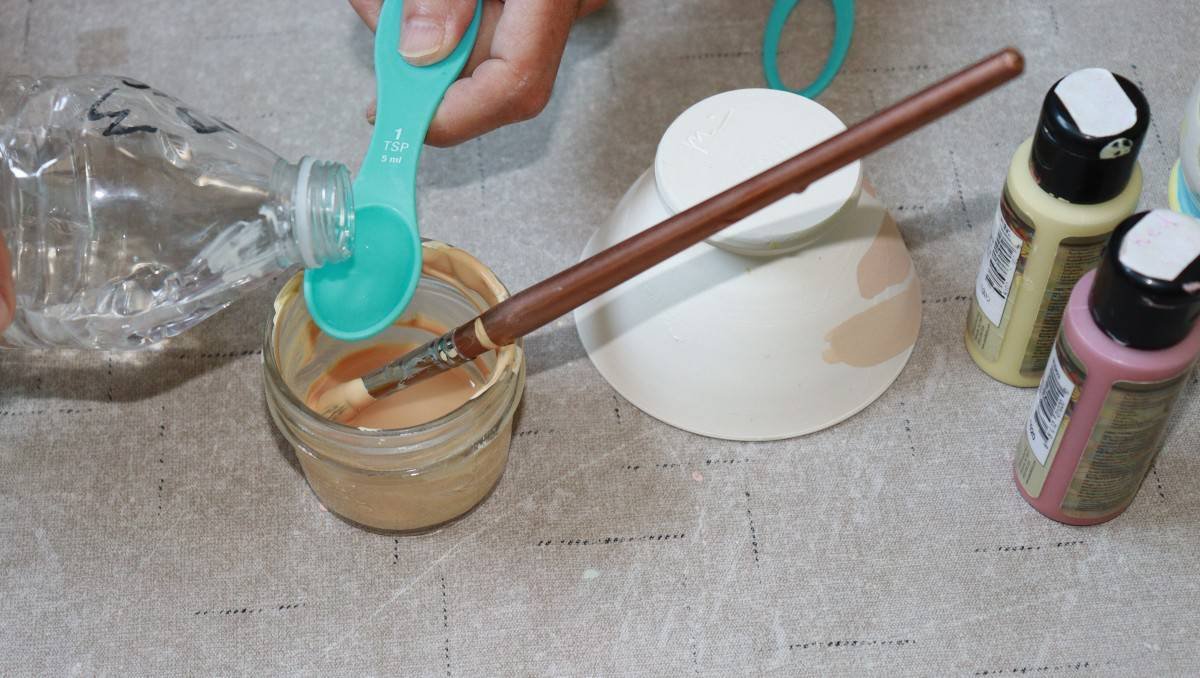
For more detailed information on mixing underglazes together, go to How Do You Mix Underglazes / Tips to Mix Underglazes.
Different Firing Temperatures of Glazes and Underglazes
Basically, the Underglaze and Glaze you’re trying to mix might not be compatible because of the different firing temperatures. Make sure you buy Underglazes with the same firing temperature as your Glazes.
It’s important to know if the Glazes you mix together are low or higher fire, and if the Underglazes you are mixing together are also low or higher fire.
Mixing Glaze Together with Underglaze
Different Composition of Glaze and Underglaze
Right off the bat, underglazes have a different composition than glazes. Underglazes contain materials that make them more adhesive, so they stick to the clay surface in a particular area, while Glaze is less adhesive and tends to flow. Both materials contain very different ingredients that might not get along too well in the kiln.
Even application
Let’s say you decorate an area with this mix. The Glaze may flow into different areas, while the Underglaze will remain. Even if you applied it evenly, patches of color could still occur.
Aside from this, the composition will be really hard to replicate. Say you’re making a dinnerware set. You mix a batch of Glaze with a certain amount of Underglaze. It can be hard to measure the exact quantity if you run out.
Dinnerware Safe
While we’re talking about dinnerware, you mustn’t forget that many Underglazes are not dinnerware safe, and Glazes are. Mixing the two and applying them wouldn’t counter the problem. The mixture would remain unsafe for dinnerware and other objects that are washed often. Underglazes don’t seal against moisture (they also look dry or matte after firing).
Different Stages of Application for Glaze and Underglaze
Underglazes are formulated to be applied at the greenware and bisqueware stages. Glaze (usually Clear) is applied over bisqued Underglaze. It is also applied to Underglaze, which has been applied to bisque ware. This makes the underglaze dinnerware safe after the final fire.

From this process, we can see how Underglaze can be applied to greenware. Glaze coats are applied to bisque-fired pieces. Most pottery art manufacturers keep this process in mind when they create underglazes and glazes.
There are Glazes made to work on greenware. But even if you have experience with these glazes, a mixture of both can still be a little problematic.
Inconvenient
Mixing Glazes with Underglazes is very inconvenient. It might look like it’s saving you time or the hassle of applying them separately, but it’s not worth it.
You’ll have to add varying consistencies of underglazes and glazes and test-fire different sample pieces. There’s also a high chance you’ll waste your products, as the results can come out looking defective.
Instead of experimenting with mixing, you can buy a commercially prepared underglaze, color the piece with it and apply a simple, clear glaze coat on top. You’ll save time you’d otherwise spend on making clay pieces for test runs.
Dullness
Your main goal behind mixing these two items together is probably to obtain either a new tone or make the Glaze more saturated in color. But due to the nature of pigments and differences in texture, you might end up with a dull piece.
You can’t layer as many times as you would with a glaze, so the clay color may show beneath. The saturation difference won’t be much unless you add a lot of underglazes, which can mess with your proportions.
There’s also a possibility that, despite your mixing and straining, colored patches occur. These can make the pottery look darker in some areas, while lighter and duller in others.
Pinhole Formation
Because of the differences between Underglazes and Glazes, pinholes can form. These small holes are very annoying on fired pottery. Their main cause is firing for too short or too long. A thick application can also lead to pinhole formation. You’ll have to refire to get rid of these.
Crawling
Because Glazes and Underglazes have different adhesiveness and thickness, crawling may occur. In crawling, the glaze layer collects in some areas, shows cracks all over, and crawls into raised pieces that chip away easily. Your perfect pottery piece can be ruined if crawling is severe.
Glossiness Issues
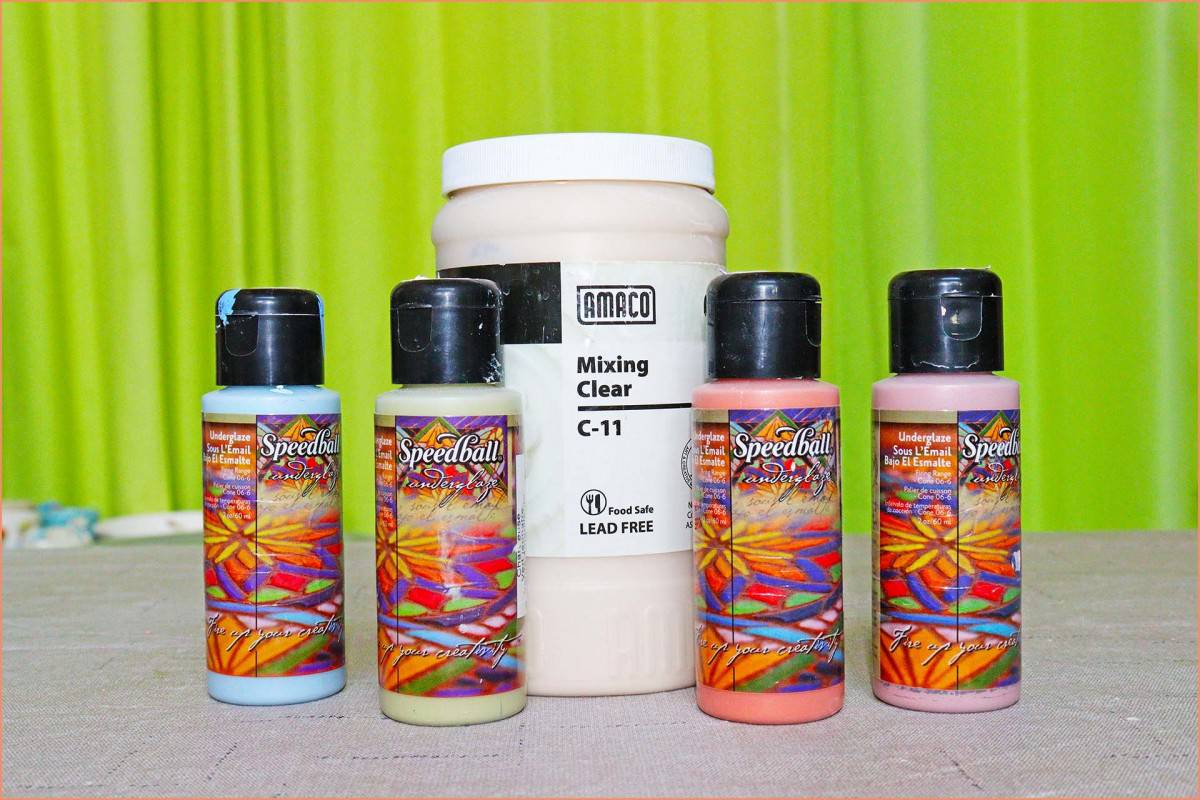
Underglazes are generally matte, while glazes can be very shiny and glossy. There are also Matte and Semi-Gloss glazes. Mixing the two would result in a piece that’s neither matte nor shiny enough to be considered finished or food safe.
But here’s the catch. Because you’ve already layered with a mixture of varying consistencies and materials with contrasting nature, you have a high risk of ruining a look that’s already hard to achieve if you add a clear glaze layer.
If you applied the mixture to greenware, the bisque-fired piece you obtain contains enough glass that the clear Glaze won’t adhere evenly in the next firing.
Materials You Can Mix
If you’re in an experimental mood, you can try mixing these materials and firing samples. That is the fun of ceramics. It is so subjective. Of course, there are some rules that you can not break. But there is also a lot of room to experiment.
Engobes and Glazes
Glazes and Engobes (Slip with less clay and more flux or silica) might be a better mix than Underglazes and Glazes. Engobes give the color of Underglaze but are somewhat similar to Glazes as they contain silica. They can be considered a midpoint between pigmented Underglazes and Glazes.
It’s not guaranteed that the result will be error-free, and you’ll have to run a couple of batches with varying consistencies. Maybe you’ll obtain a unique, sort of abstract design.
Mixing Slips and Underglazes
Slips and underglazes can be mixed together as well. Getting appealing looks from mixing the two is possible as they’re fairly similar. The main difference is that slips are slightly raised during the application, while underglazes don’t unless applied very thickly.
You can use wax resist in conjunction with the two and create interesting patterns with a unique look. Both are well-pigmented and show great colors. To read more about using wax resist, check outWax Resist Tips | Protect-Decorate-Design.
For more information on Slips and Underglazes, read: Is Colored Slip the Same As Underglaze?
Conclusion
In this article, we discussed multiple reasons why mixing glazes and underglazes is possible. Mixing glaze with an underglaze is not a good idea. It might sound convenient at first, but the main reason why you’re adding the two together is to increase the color concentration or create a new tone.
Unfortunately, you can’t achieve that result by mixing the two. It renders the mixing rather pointless. There are just too many possible errors that can arise from this.
If you really want to experiment, you can still mix small batches and make test tile samples, though there’s a high chance the result won’t be ideal. Underglazes and Glazes are just two very different substances, even if they sound similar.