
At What Temperature Can You Open a Pottery Kiln?
Having your own pottery kiln gives you the freedom to work at home, at your own pace, whenever you want. For anyone who enjoys making Pottery as a hobby, it’s great. And for Potters that make a living selling their work, it is a necessity. But owning a kiln comes with its own set of rules.
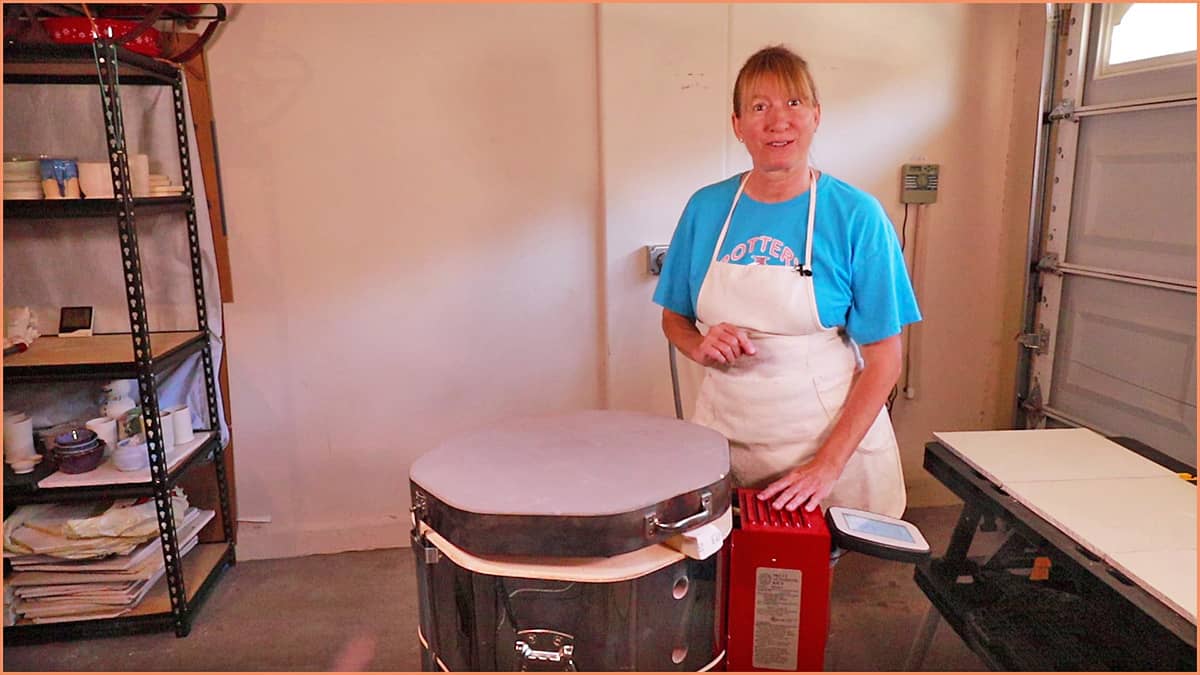
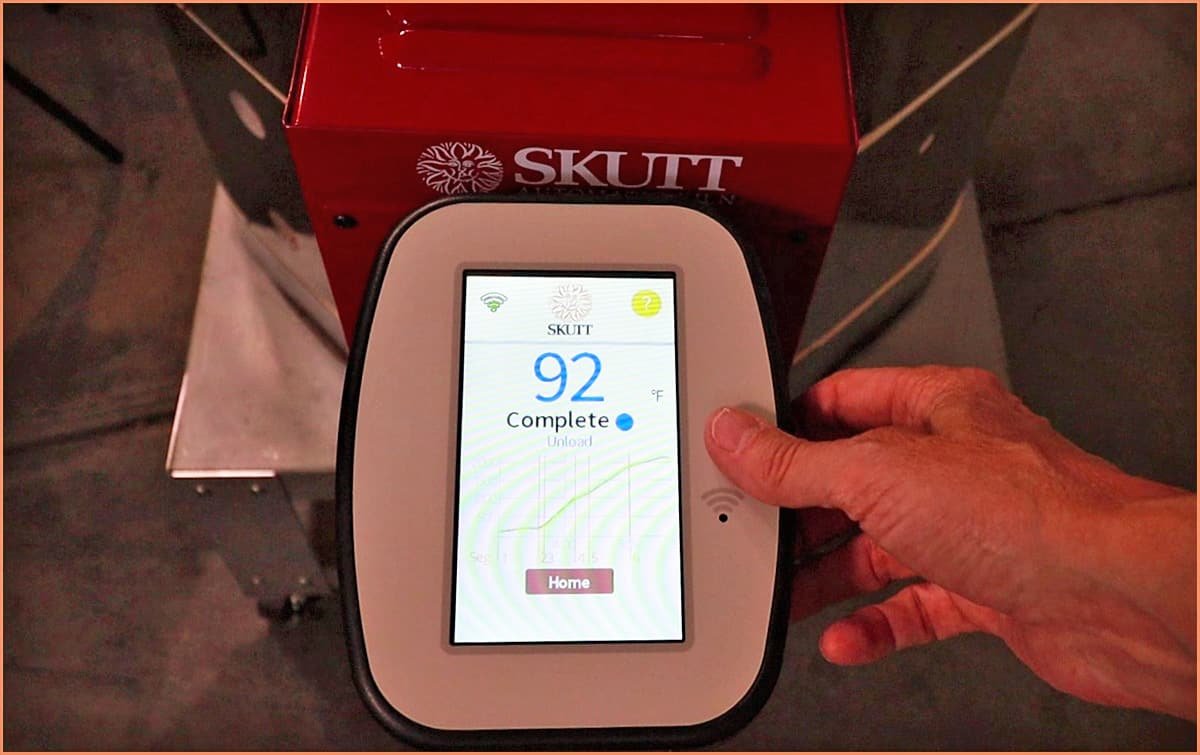
A Pottery Kiln can be opened once it has cooled to at least 125° F (51° C). Experts recommend keeping it closed until then to avoid injury and ensure the piece doesn’t crack from thermal shock. You can open all the peepholes to let the heat out, but only the top one is typically recommended after 400° F (204° C).
In this article, we will explore why you should wait until the temperature drops to at least 125 °F (51.6 °C). We will also look at other kiln-related information that will help you get started.
Affiliate Disclaimer: We are ambassadors or affiliates for many of the brands we reference on the website. As an Amazon Associate, I earn from qualifying purchases.
The High Heat Can Burn and Break Your Pottery
Anyone who has been working with Pottery for a long time will have stories of things going wrong and their pottery not making it through the kiln firing. For beginners, it can be challenging to learn, and you’ll undoubtedly lose a few pieces while you get to Know Your Kiln.
When operating your kiln, you have two primary concerns: the safety of your pottery and the safety of your person. The last thing you want is to start a fire or get burned. In addition, steam can build up under pressure, causing pottery to crack and even explode.
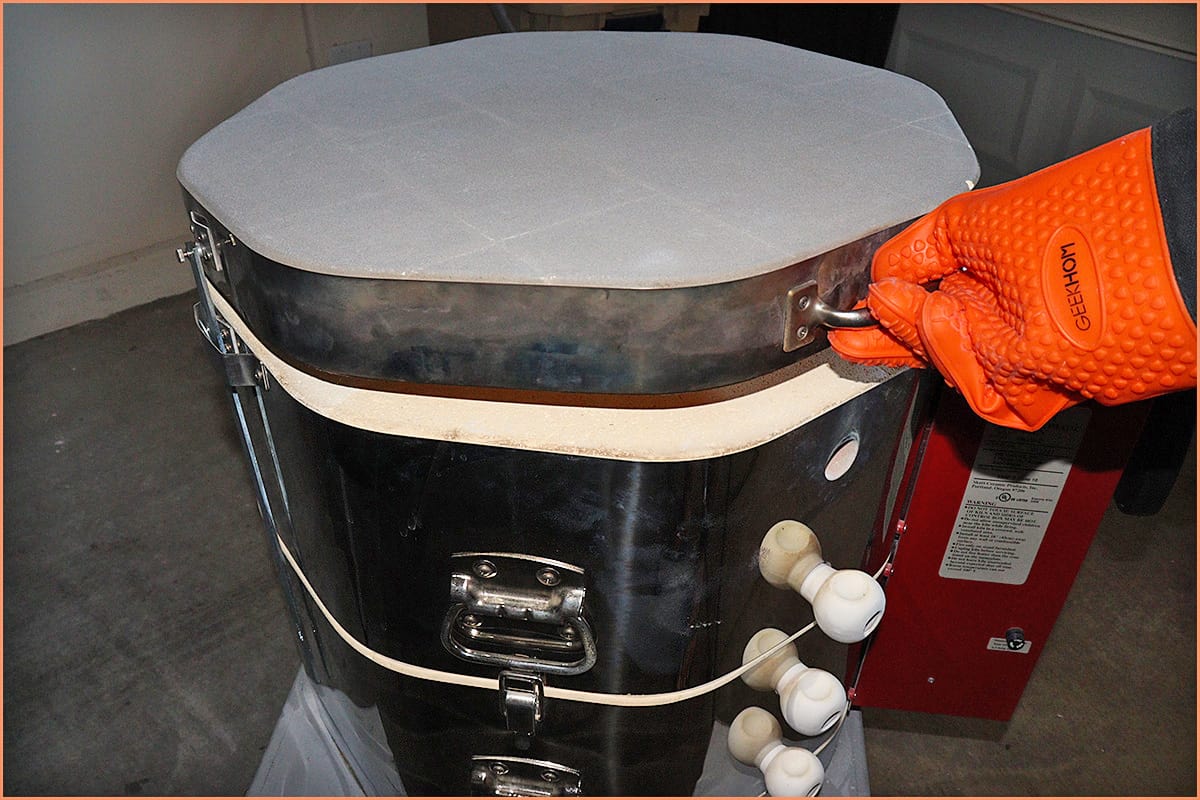
When dealing with heat work, depending on the type of kiln you have, heating elements such as electric coils, propane, and high-temperature burning wood (which can become a gas under intense heat) are all hazards to be aware of. If you need to be near the kiln while it’s on or cooling, Wear Gloves to avoid hurting yourself.
Letting Cool Air in Can Crack Your Pottery
You can damage the pottery, which is the most common frustration potters come across. The sudden release of heat and the introduction of cool Air into Your Kiln can cause pottery to crack or tiny fractures to appear on glazed pottery, a process called “crazing.” Because the clay and glaze expand and contract together during firing, if the glaze cools too quickly, it may contract around the clay too quickly, causing these cracks.
You can try covering these cracks with glaze and firing it again in the kiln. If it doesn’t work, the gaps will remain and become a hosting spot for bacteria. The last thing you want is mold or nasties that cause food-borne illness lurking in your homemade dishware.
Can I Cool My Pottery Kiln Down Faster?
We all get impatient, and waiting for a kiln to cool can feel like a waste of time. But, as you can see in the section above, it is also necessary.
So, is there a way to compromise and get your kiln to cool faster? Perhaps a few magic tricks for releasing heat?
You can cool your kiln faster by propping the lid and removing one or all the peepholes once the temperature reaches around 400° F (204° C), as long as you don’t have a vent under the kiln. Even though more experienced potters may remove all the peepholes, it isn’t recommended.

Venting the peepholes or propping the lid still holds a safety risk and increases the chances of crazing in your pottery. In addition, it may cause further problems by releasing heat from the KIln too rapidly.
Expect your kiln to take longer to cool than it did to fire.
Yes, that means it will add more time to your wait before you can unload the kiln. Just remember, good things come to those who wait. The beautiful ceramic work will be worth the added effort of waiting, and it will also avoid a blast of heat to the face.
Does Having an Updraft or Downdraft Vented Kiln Matter?
The differences between an updraft and a downdraft vent are minimal; they refer to how each transfers heat. The main function of kiln vents is to evenly distribute heat throughout the kiln.
In an Updraft Vent, your heat starts at the bottom and evacuates through the vent at the top of the unit. Downdraft Vents are located at the bottom of the unit, and air evacuates through them.
It doesn’t matter which vent you have for cooling your kiln, as both should only slightly change how fast the pottery cools down. You don’t want your pottery to cool down too fast. If so, you will want to program a controlled cooling. Some Potters turn their vents off after the kiln reaches its peak temperature.
Factors That Affect How Quickly Your Kiln Cools
Some factors may cut down on your cool time. But keep in mind the general rule of thumb that the cool time equals how long it has been operating will still hold true.
However, because some kilns will heat and fire more efficiently, they may release heat a bit faster without damaging your pottery.
Some factors that dictate how quickly your kiln will cool are:
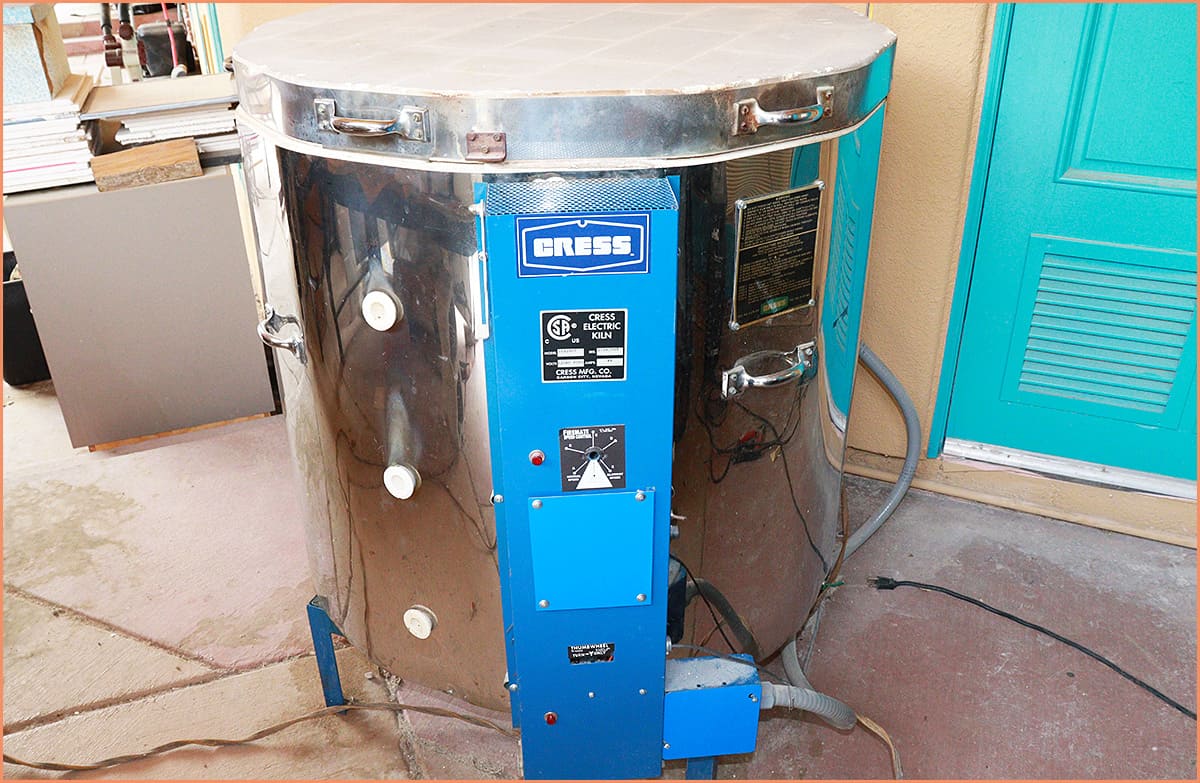
- The style of the kiln. As stated above, a downdraft-style kiln could potentially cool a little faster because it more efficiently utilizes fuel and uses a circulating firing method that gives the potter more control. It also has a better ventilation system.
- The level of insulation. A heavily insulated kiln will cool more slowly because it is designed to retain heat for as long as possible. This is awesome for slow-firing but can sometimes take much longer to cool down. A thinner, less insulated kiln wall will do the opposite, releasing heat from the moment you turn down the flame. In this case, you may want to program a controlled cooling.
- The size of your kiln. The larger the kiln, the longer it will take to both heat and cool. However, since you will be operating this equipment in your house and probably won’t be mass-producing pieces, having a Smaller Kiln may be right for you.
The bonus of reducing cooling time may be enough to consider going with a more compact model. But this might also limit the items you make if you plan to make larger pieces in the future.
Kiln Tips for Potters
Now that we have looked more deeply into cooling your kiln, let’s explore more about kilns in general.
First of all, Beginners Don’t Always Need a Pottery Kiln of Their Own Right Away. Not everyone who loves pottery needs to buy and install a kiln right away. In fact, for many hobbyists, it’s smart to wait until you have figured out which Kiln is right for you. If you are considering getting a kiln installed in your home, there are some things you should know before Choosing your Kiln. This information is perfect if you have never had one before.
Shared Kilns Will Cost Less To Operate
Try finding a fellow Potter or a firing space nearby that lets you use their Kiln for a small fee. It will also allow you to become comfortable with different firing methods alongside more experienced users. You can get crucial tips this way and may learn some helpful shortcuts.
The operational costs of running a kiln vary by location, fuel type, kiln size, etc. This can add up quickly if you use your kiln regularly.
Also, more and more potters are getting together with others in their area to invest in a communal kiln and studio where those costs can be shared between multiple artists.
In addition, choosing a lower-cost fuel type for your region (example: propane over wood if lumber is expensive where you live) could keep your pottery-making more budget-friendly.
If you know buying a Pottery Kiln is right for you
Here are some questions you may have:
You will be working with fire and flammable material, so you want to make sure you have a proper area to place your Kiln.
Another concern is the cost, both upfront and operational. It won’t come as a shock to know that a kiln is an investment and shouldn’t be gone into lightly.
When looking for a Kiln, be aware that the costs range anywhere from $800 to $15,000, depending on size, style, features, brand, and type. The median cost for a Smaller Kiln is around $800 to $2000. Medium to Larger units start at around $2,500 to $15,000.
Hire a Professional To Install Your Kiln
It is much better to hire a Licensed Electrician to install your kiln I have found that Home Advisor (affiliate link) is an excellent choice than going DIY. Because an Electrician will ensure the safe and proper installation of wiring, breaker boxes, and outlets. You will need a unique outlet due to the amount of power a kiln requires.
Electricians are also aware of the local safety and fire codes to follow to avoid zoning trouble down the line. Don’t take any chances. Anything worth doing is worth doing the right way. If you have any electrical problems, you will surely regret not taking the time to find a contractor.
For information on operating your kiln, check out these 21 most frequently asked Kiln Questions.
Final Thoughts
Owning a kiln is fantastic for many reasons, but you want to make sure you take every precaution necessary to protect yourself and the work you are creating. Cooling down your kiln before you open it is better than trying shortcuts that aren’t worth the risk. With some caution and know-how, you will be firing ceramic masterpieces in no time.