Are Pottery and Ceramics The Same Thing
Many people say the terms pottery and ceramics are interchangeable, with no distinction. Still, you may wonder whether the two words differ. The differences will soon become easier to understand.
Although often used interchangeably, pottery and ceramics are not exactly the same. Pottery refers specifically to clay objects fired at high temperatures and decorated with paint or glaze. Ceramics, on the other hand, encompass a broader category that includes both pottery and non-crystalline clay objects resembling glass.
To learn more about the difference between ceramics and pottery, follow along as we further distinguish the two crafts.
Affiliate Disclaimer: We are ambassadors or affiliates for many of the brands we reference on the website. As an Amazon Associate, I earn from qualifying purchases.
Ceramics vs. Pottery
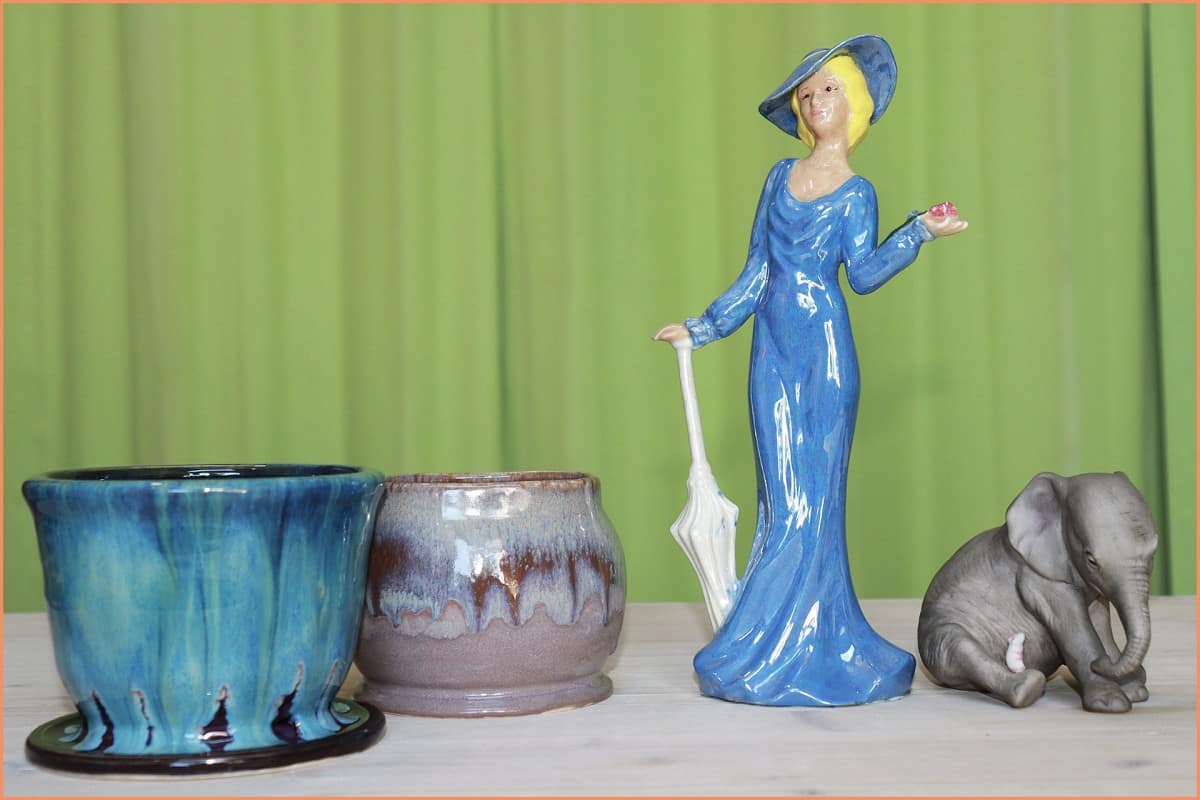
Ceramics usually refers to the fine arts. You will find many examples of high-quality and fine arts in ceramics. Ceramics are also made from clay, but can be Crystalline (a solid body like pottery) or Noncrystalline (glass-like).
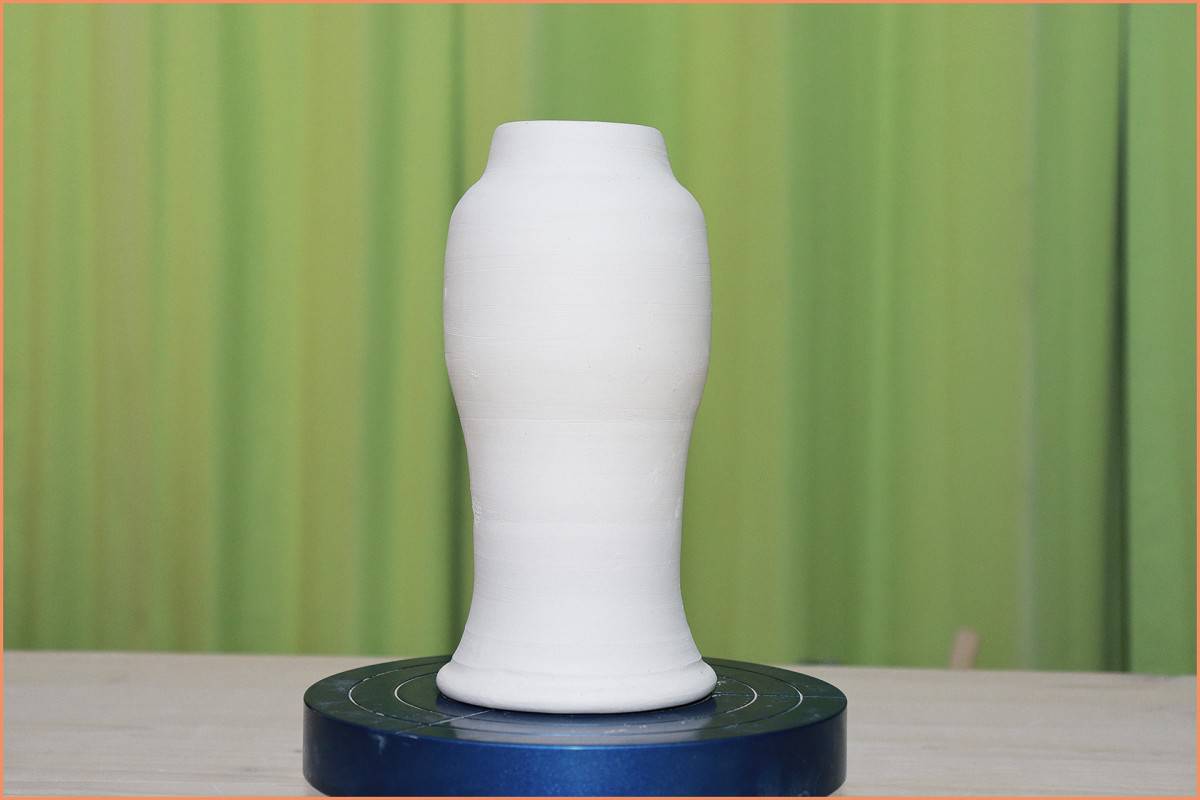
On the other hand, pottery is more often classified as functional art, serving practical purposes, such as dinnerware, serving bowls, ovenware, and Vases. Pottery may serve artistic purposes, but ceramics usually refer to use as a fine art. The level of sophistication usually goes up because you can do more things with it than just create functional art. Still, pottery is respected as the oldest form of ceramics.
What Crafts Exist within the Ceramic Arts?
Excluding pottery, some crafts within the ceramic arts include items made from ceramic materials such as clay. Some of the craft categories include:
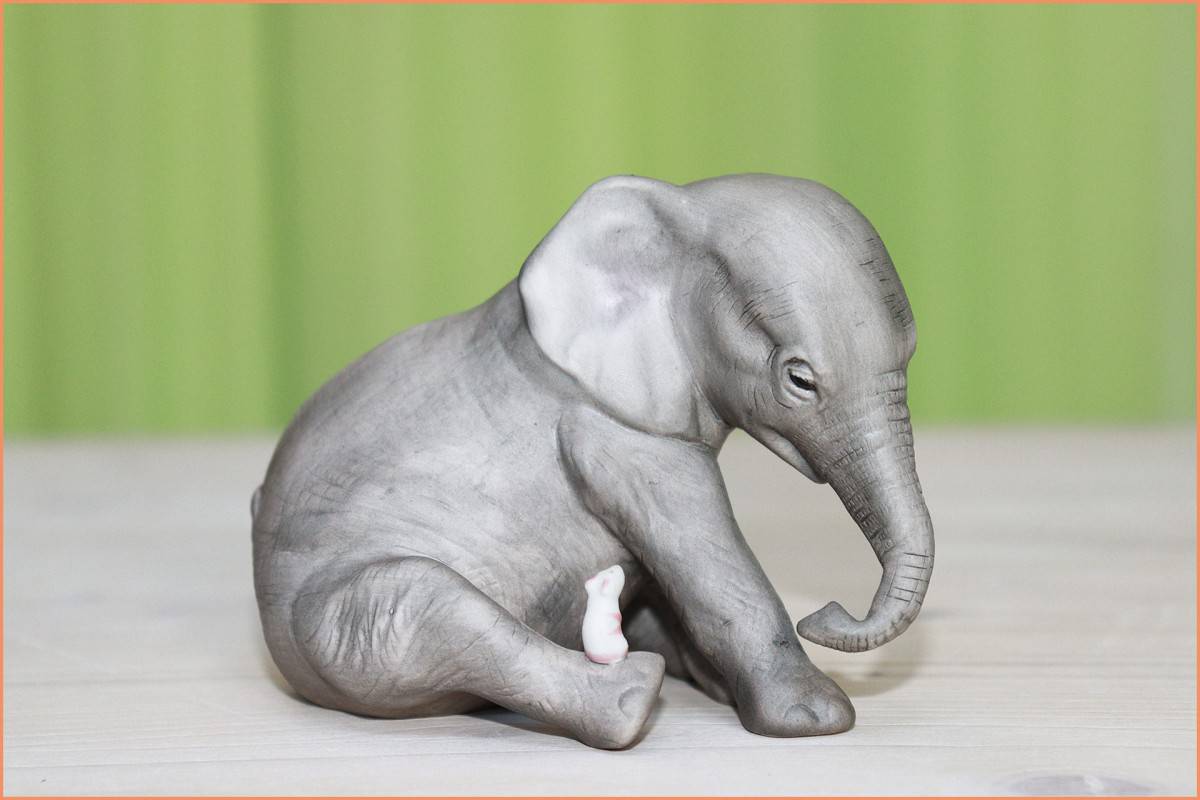
- Figurines
- Tile arts
- Terracotta
- Glass arts
A clay art piece is classified as a ceramic, but a clay container is considered pottery. You also notice that glass art is mentioned here as ceramic art. Ceramics may include materials not made from clay, such as glass, which undergoes several steps in the ceramic-making process.
Understanding Ceramics and What They’re Made From
Traditionally, most people think of ceramics as made from clay. Technically speaking, however, they are classified as anything made from non-metal materials. The material changes form when heated in the kiln. Most ceramic arts use glazes during the firing process.
Looking beyond the ceramic arts, you have several objects that are classified as everyday ceramics, such as:
- Bricks
- Glass
- Toilets
- Counter-tops
In terms of clay used in ceramics and pottery, they fall under the Four most common Clay Types:
- Earthenware
- Stoneware
- Porcelain
- Ball Clay
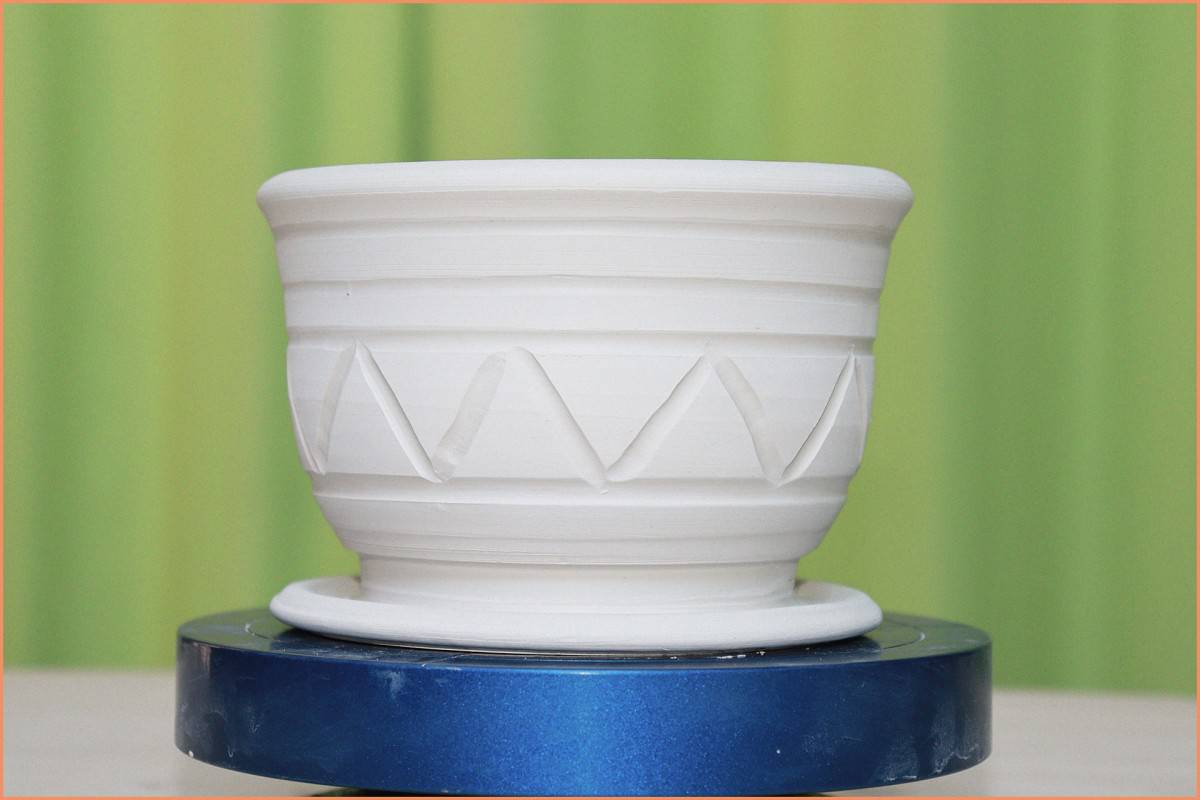
All of these clay materials fall under the category of ceramics. When something is made from these materials, it counts as a ceramic piece, but it may not count as pottery. Check out The Four Common Types of Clay for more detailed information.
How Pottery and Ceramics are Similar
We spoke a lot about the differences, but you should know where they intersect. For example, studying the ceramic arts will provide crossover knowledge of pottery, as many processes are similar, such as ceramic firing. Learning how to work with clay in the ceramic arts also has a carryover effect if you decide to work at the potter’s wheel. You will find that you can manipulate the clay more effectively.
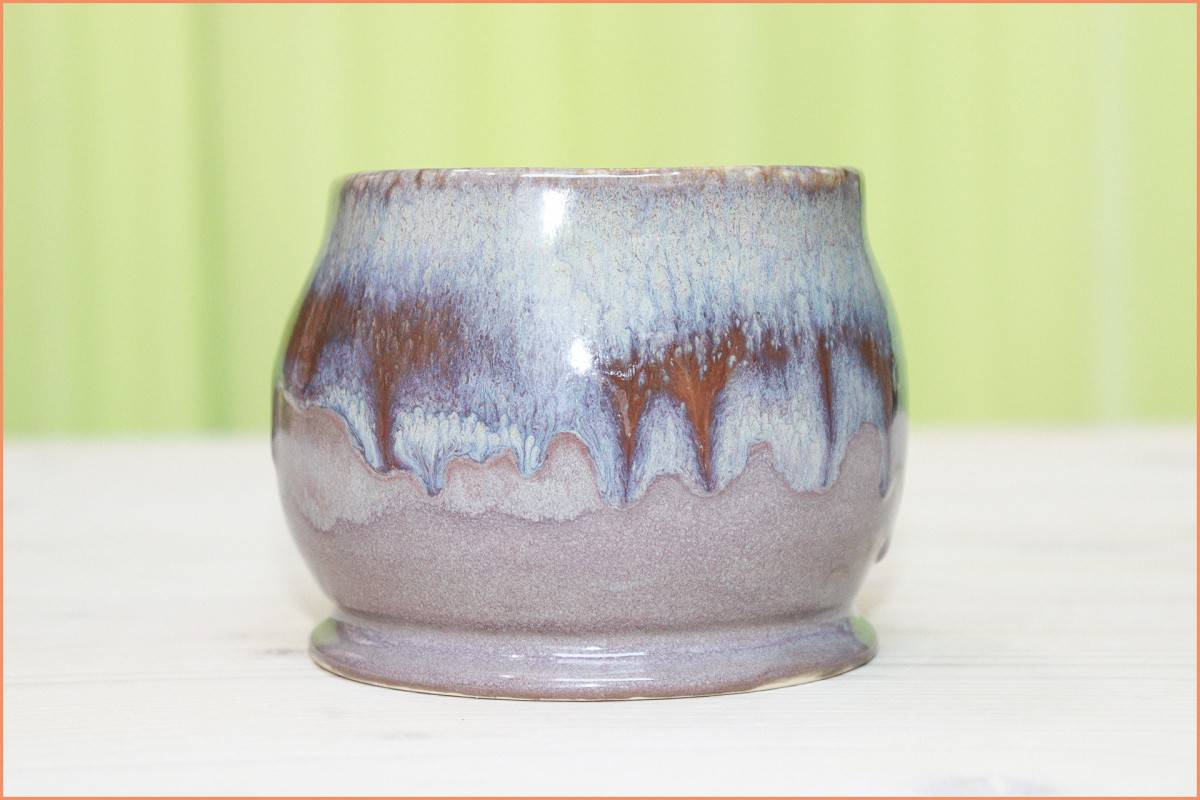
When working with clay, whether doing pottery or ceramics, you must Wedge the Clay to eliminate air bubbles.
What About Handmade Pottery Not Made on the Wheel?
Handmade pottery is classified as pottery, obviously. Think of the above as a general rule with one exception meant to simplify your understanding. The key distinction is that you’re making a pot by hand—pottery. Cups also fall under this category, and usually, we refer to anything like a container as pottery.
All other handmade items are classified as ceramics, but with pottery, other topics fall under ceramics as a ceramic craft.
Pottery and Ceramics: The Surface
When adding materials such as sand and grog, pottery may have a coarse surface. In fact, some potters sand the surface of their pottery with 220-grit sandpaper to make it smoother. It’s common with more earthenware and stoneware clays. Just be sure the clay remains wet, or, if it’s dry, use a Dust Mask.
On the other hand, ceramics feel smoother to the touch because they serve a different purpose, and people create them in a way that doesn’t produce as coarse a surface.
The Difference in Pottery
Ceramics use more materials than pottery. What you use will depend on the ceramic art being done. With pottery, you will always use clay as the material for your pots. At the same time, the techniques used in pottery will differ slightly from those used in ceramics.
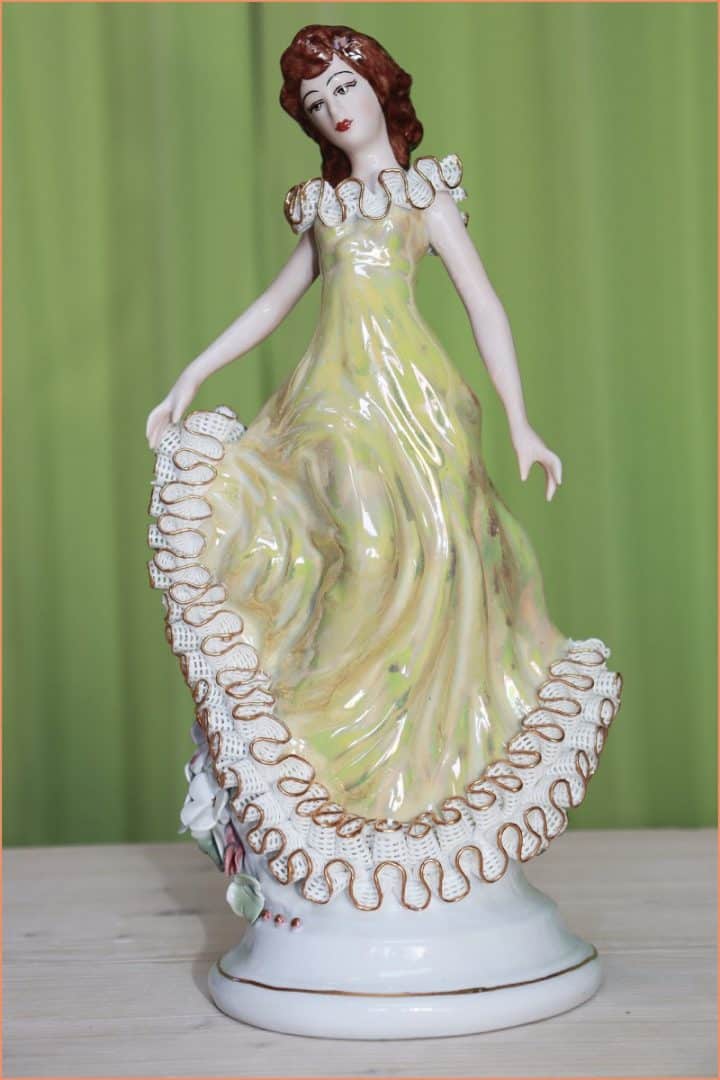
For example, when sculpting your clay figurine, you will use tools like a small knife and often draw a picture of what you want to sculpt from three separate angles. This helps you as you begin to sculpt your piece from clay.
Are clay pots considered ceramic?
Anything made with clay and then fired in the kiln is now considered a ceramic piece. Traditionally, items made from clay were considered ceramics, but ceramics now encompass a broader range of materials. However, it would be correct to refer to pots as ceramics.
Conclusion
Hopefully, this shows you that pottery and ceramics are not the same. Pottery exists as a category under ceramics. While pottery is a ceramic art, you could refer to your pottery as ceramics. Not all ceramic arts are pottery. Many similarities between the two exist, but at the same time, it would be a mistake to think of them as exactly the same.