
My Top Clay Picks
The first time I ever sat down at a Pottery Wheel, I thought all clay was the same. How little did I know? I thought you threw some clay on the wheel and some water, and that was it.
Choosing clay can be difficult, from the texture to the types of glazes, and even the firing process.
Flash forward to Hundreds of Pounds of wedged and Thrown Clay, and I have learned a thing or two about Choosing Clay.
Below, I will tell you what to look out for when Picking Out Your Pottery Clay. I will also give you an Overview of My Favorites and the ones you might want to choose.
Affiliate Disclaimer: We are ambassadors or affiliates for many of the brands we reference on the website. As an Amazon Associate, I earn from qualifying purchases.
What To Look For When Choosing Your Clay
What Cone Size Do You Need
Cone size refers to the temperature at which you will be firing your clay.
This is the most essential part of choosing your clay. If you fire cone 04 clay to cone 4, the clay will melt. If you fire cone 6 clay to cone 06, the clay will not vitrify (partially fuse together to make the clay nonporous), and your piece will not be dinnerware safe.
Grog or Sand in Clay
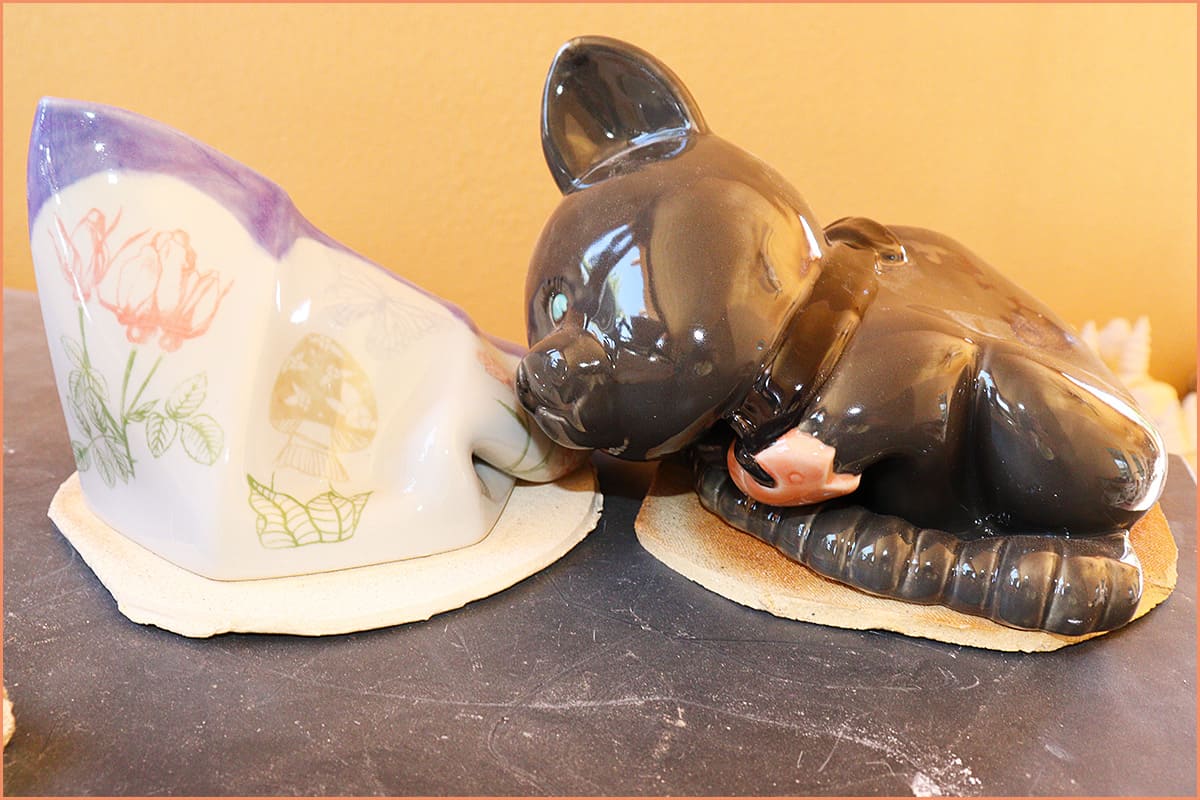
Sand is on the finer side. Grog is clay that has been fired and then ground up. The Grog can be ground up super fine or coarse. Grog and Sand help to keep the clay firm when hand-building and throwing large pieces on the wheel. They also reduce the shrinkage in clay during firing and help gases escape. The type and amount will determine how coarse you want your clay to be.
How Much Plasticity Does Your Clay Have
Plasticity refers to the clay’s flexibility and smoothness. You want to be able to push, pull, and mold the clay to your desired shape.
How Well Does Your Clay Throw on the Wheel?
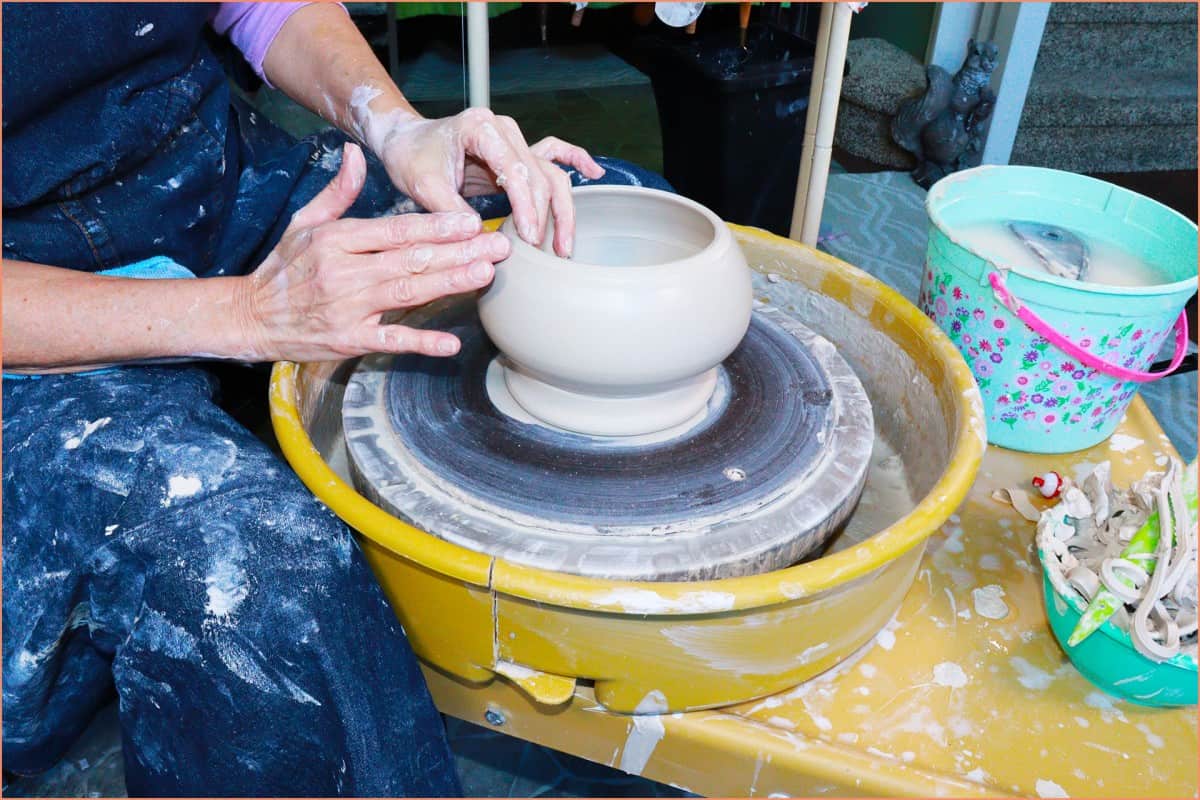
The ability to throw the clay into your desired shape without struggling, hurting your hands, or having the clay collapse.
Is the Clay Good for Hand Building
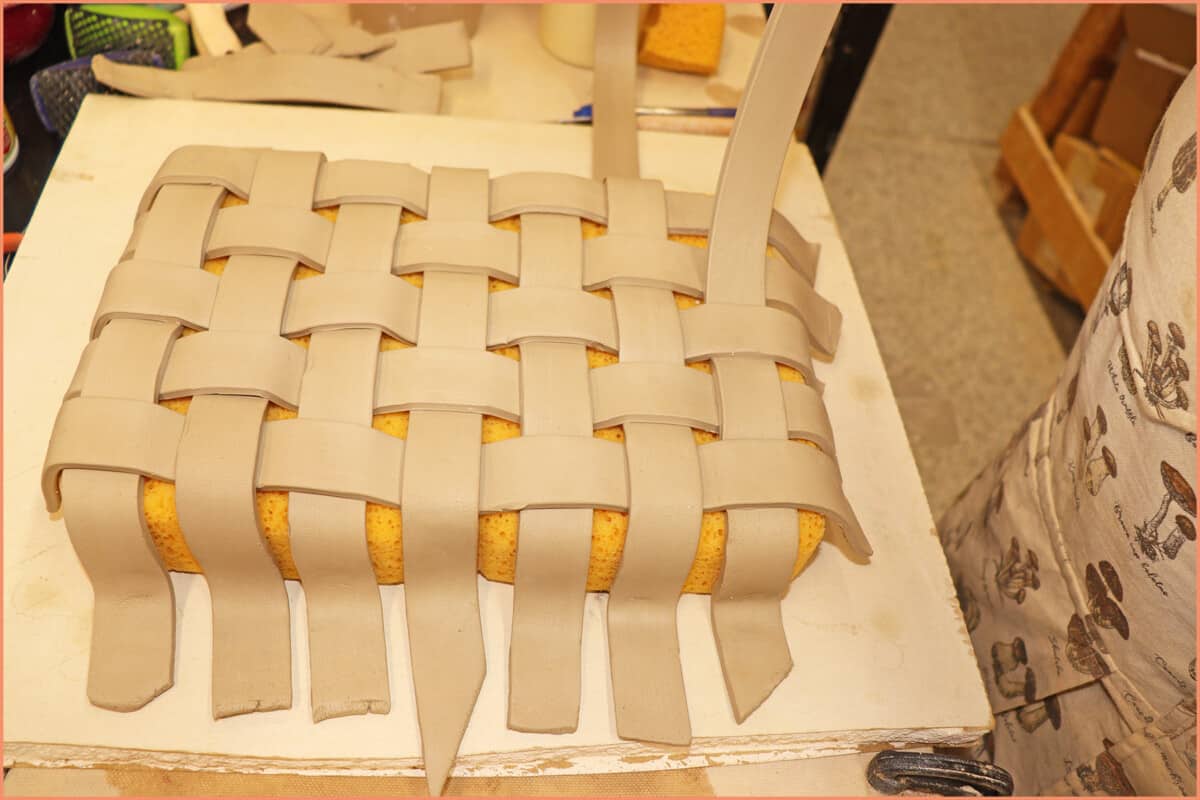
The ability to pull, push, and move the clay around without breaking and cracking, and having the clay stay firm enough to keep its shape.
Basic Kiln Cone Temperature Guide When Choosing Clay
- Low-Fire Range: Cone 022 – 1087 degrees F (586 C) to Cone 2 – 2088 degrees F (1142 C)
- Mid-fire Range: Cone 3 – 2106 degrees F (1152 C) to Cone 7 – 2262 degrees F (1239 C)
- High–Fire Range: Cone 8 – 2280 degrees F ( 1249 C) to Cone 10 – 2345 degrees F (1285 C)

When looking for clay, the most common low fire range is 04 to 06.
The most common Mid-Fire range is cone 5-6.
The most common High-Fire is cone 10
For more detailed information on Pottery Clay, check out Choosing Your Pottery Clay.
Top Clay Picks
When it comes to making pottery, choosing the right Clay is very important. Of course, there are many different Clays to choose from. These are just the Top six Clay picks from all the different clays I have used.
- #46 Amaco Stoneware Buff Clay
- #38 Amaco Stoneware White Clay
- #11 A- mix Amaco Stoneware White Clay
- #25 Amaco White Art Clay
- Deouss Terra Cotta Clay
- Standard Clay Company 213 Porcelain Clay
1. #46 Amaco Stoneware Buff Clay
Here are several reasons why my first top clay pick is #46 Amaco Stoneware Buff Clay. Amaco is a great company with outstanding customer service, and I have always liked the consistency in their clay. When I open a new bag of Amaco clay, I feel like I know what to expect, and that matters when you are trying to enjoy your time at the wheel.
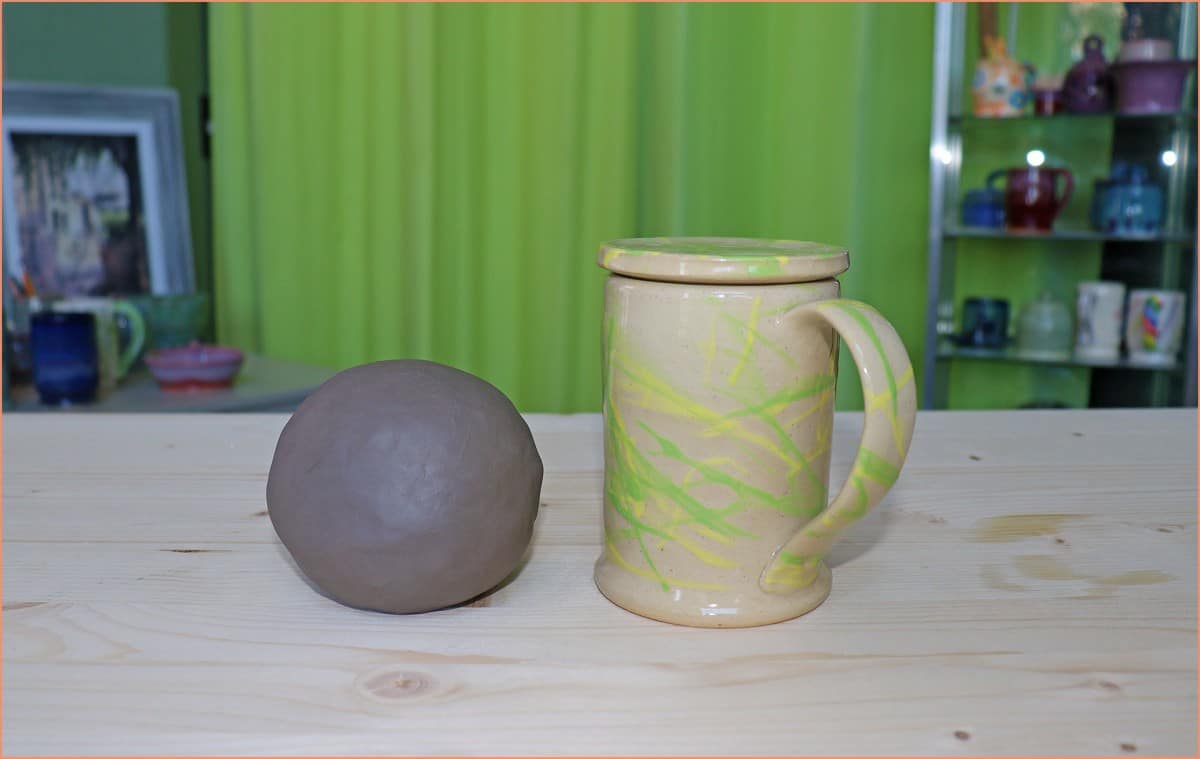
This clay has been my favorite of all the clays I have sampled so far. It has a smooth feel, holds up nicely, and is forgiving enough for beginners while still being enjoyable for more experienced potters. It is one of those clays that makes throwing feel a little easier and a lot more fun.
Texture:
This clay has no grog or sand in it, so it feels very smooth in your hands. I really enjoy that because it is easier on your fingers, especially when you are throwing for a long time. Some clays can feel rough or scratchy after a while, but this one stays comfortable to work with.
The smooth texture makes centering and throwing on the wheel easier and more enjoyable. Your hands can glide over the clay without that gritty feeling, which helps you stay relaxed while working. I have found that when the clay feels good in my hands, I am more likely to slow down and enjoy the process.
Even though it is smooth, it does not feel weak. That is one of the things I like most about it. It gives you that soft, pleasant texture without feeling like it is going to collapse the moment you start shaping it.
This clay is also nice for adding surface decoration. Since the clay body is smooth, it works well for carving, stamping, underglaze work, and simple clean designs. It gives you a nice surface to work with without fighting rough grog or sand.
Workability:
#46 Buff Clay is wonderful to work with. It stays sturdy and has good flexibility, which is a great combination. It lets you shape and move the clay, but it also has enough strength to hold up while you are working.
New potters naturally play with their clay on the wheel for longer. That is just part of learning. You center it, open it, pull it, smooth it, fix it, and sometimes keep touching it even when you probably should stop. A lot of clays will get too soft quickly when this happens, but this clay holds up longer for the beginner potter.
That makes it a very nice clay for practicing. It gives you a little more time to learn what your hands are doing. You can work through the steps without the clay becoming mushy right away.
The walls stay firm even when throwing thinner. This is helpful when you are learning how to pull walls evenly. It gives you more confidence because the clay does not feel like it is going to give up on you too soon.
I also like that this clay works well for both wheel throwing and hand-building. It has enough body to hold simple slab forms, coils, mugs, bowls, planters, and other everyday pottery pieces. It is a good all-around clay that you can use for many projects in the studio.
Firing Temperature:
Stoneware Buff is a mid-fire to high-fire clay. It can be fired to cone 10, but it is recommended to fire to cone 5 or cone 6 with many glazes.
That makes it a great choice for potters who fire in an electric kiln. Cone 5 and cone 6 are very common firing ranges, and this clay works beautifully there. You can get a strong finished piece while still having a nice range of glaze options.
At cone 5 or cone 6, this clay has a warm, light buff color that gives your pottery a natural look. It is not as white as porcelain or white stoneware, but that is part of what makes it so nice. The warmer clay body gives your pottery a softer, earthier feel.
As always, it is a good idea to test your glazes first. Glazes can look different depending on the clay body, and this buff clay may warm up certain glaze colors in a very pretty way.
Other Qualities:
Trimming and decorating are easy if you do not let the clay get past the leather-hard stage. When it is at the right stage, your trimming tool moves through the clay nicely, and it is easy to clean up the foot of a bowl or mug. I find it trims smoothly and gives a nice finished look.
I have had no cracking so far, which is always a big plus. Of course, good drying habits still matter. You still want to dry your pieces slowly and evenly, especially if they have handles, thicker bottoms, or attached pieces. But overall, this clay has been very dependable for me.
After firing, it has a nice light-yellow sand color. I really like that warm tone. It gives the finished pottery a natural, soft look that feels welcoming and handmade.
Glaze colors turn out beautifully with cone 5 to cone 6 glazes. The buff clay body gives the glaze a little warmth underneath, which can make the finished piece feel rich and grounded. It works well with many glaze colors, especially earthy tones, soft neutrals, blues, greens, and creamy glazes.
If you like to recycle your clay, this one is easy to recycle and wedges out well. That is helpful when you are practicing a lot and creating scraps, trimmings, or pieces that did not quite turn out. Being able to reclaim the clay and use it again is always a nice benefit.
The more I use this clay, the more I love it. It feels smooth, throws nicely, holds up well, trims easily, and fires to a beautiful warm color. It is my favorite of all the clays I have sampled so far.
Overall, #46 Amaco Stoneware Buff Clay is my top clay pick because it is smooth, dependable, forgiving, and enjoyable to use. It is a wonderful clay for beginners, but it also has enough quality and workability for potters who want a clay they can keep coming back to.
👇 For the Current Price on #46 Amaco Stoneware Buff Clay 👇
2. #38 Amaco Stoneware White Clay
This second clay pick is also one of my favorites. #38 Amaco Stoneware White Clay is a beautiful clay if you like working with a smooth, lighter-colored stoneware body. It has a clean feel, throws nicely, and gives your glazes a bright, colorful look.
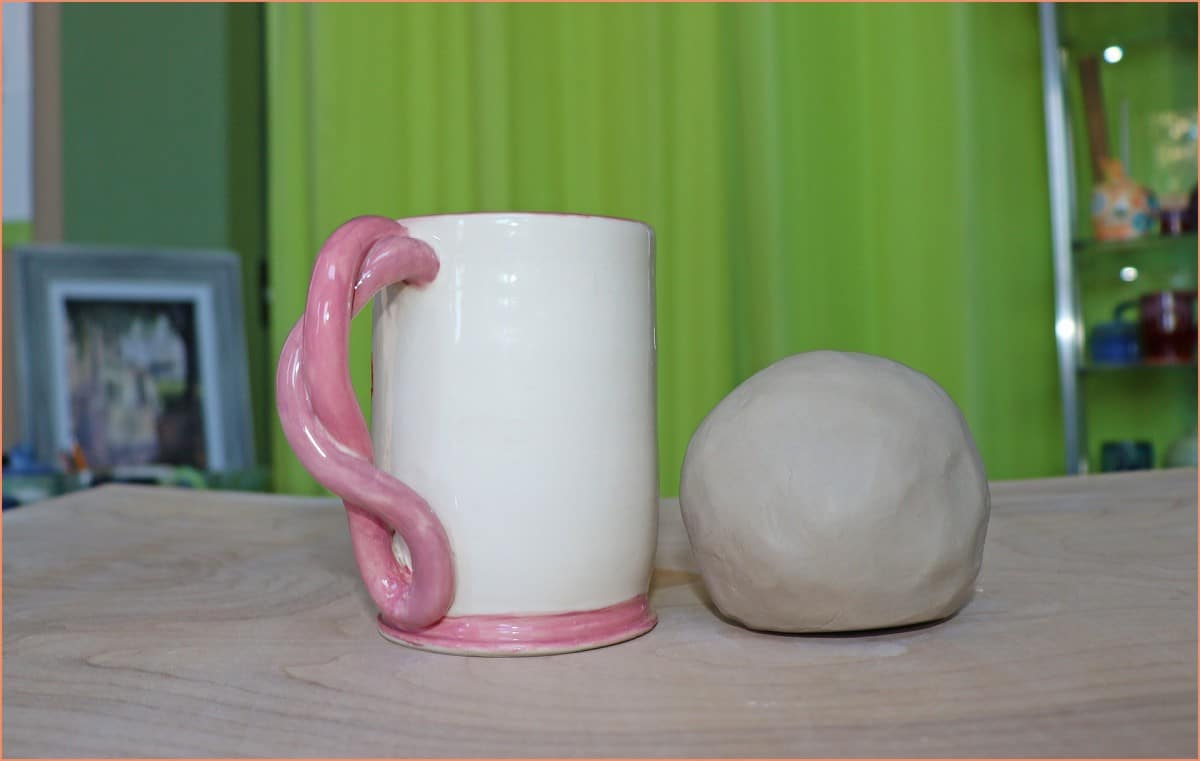
I like this clay because it gives you some of the smoothness you may want without going all the way into porcelain. It is still stoneware, so it has a nice dependable feel, but it is smoother and lighter than many other stoneware clays.
Texture:
Being a stoneware clay without grog, #38 Amaco White Stoneware Clay has a nice smooth texture that makes it easy and comfortable to work with. Since there is no grog, it does not have that sandy or rough feeling that some stoneware clays have. This makes it easier on your hands, especially when throwing for a longer period of time.
It is excellent for throwing smaller items on the wheel. Mugs, bowls, small vases, and planters are all nice projects for this clay. The smooth texture helps the clay move under your hands without feeling scratchy or gritty.
Even though it has no grog, hand-building is still good with this clay. It can work nicely for slabs, coils, small trays, and decorative pieces. Since it is smooth, you can also add texture, stamps, carving, or underglaze designs without fighting a rough clay body.
The lighter color is another thing I really like. It gives your pottery a cleaner surface and makes glaze colors show up better than they would on a darker clay.
Workability:
For throwing on the wheel, this clay has good flexibility and is easy to mold. It centers nicely and responds well to your hands. It feels smooth and soft, which makes it enjoyable to shape.
I like how this clay pulls up on the wheel. It gives you a nice even wall when you use steady pressure. Because it is smooth, your hands can glide over the clay easily, which helps when making smaller and more refined pieces.
One thing to watch for is how long you work with it. If you tend to play with the clay longer than normal, it can start to get mushy. Too much water or too much handling can make it softer than you want. Once that happens, it may become harder to control and could start to lose its shape.
The best way to work with this clay is to stay gentle and steady. Try not to overwork it. Use only the water you need, and let the clay firm up a little if it starts feeling too soft.
For hand-building, it is nice for pieces that are not too large or heavy. Since it does not have grog, it may not have the same extra support as a rougher clay body, but it still works well when you give it time to set up between steps.
Firing Temperature:
#38 Stoneware is a mid-fire to high-fire clay. It fires to cone 10 nicely, but it can also be fired to cone 5 with no problems.
This gives you a good amount of flexibility depending on how you fire your pottery. If you use an electric kiln, cone 5 or cone 6 can be a very practical range. If you fire hotter, this clay can also handle cone 10.
At cone 5 to cone 6, this clay gives you a nice light stoneware body that works beautifully with many glazes. Since the clay is lighter in color, glaze results can look brighter and cleaner.
As always, it is a good idea to test your glazes with this clay body first. Even when a clay works well at different temperatures, glazes can change depending on the firing cone, the kiln, and the thickness of the glaze.
Other Qualities:
This clay makes glazes look bright and colorful with cone 5 to cone 6 glazes. That is one of the reasons I enjoy using it. The lighter clay body gives your glaze a nice clean base, which can really help colors stand out.
Trimming is also smooth and easy at the leather-hard stage. Since this clay does not have grog, your trimming tool moves through it nicely. It is easier to clean up the foot of a bowl, shape the bottom of a mug, or add a nice finished look to your piece.
I also like this clay for pottery that needs a smoother surface. If you want your mugs, bowls, or decorative pieces to have a cleaner and lighter look, this clay is a good choice.
It is a nice clay for potters who want quality stoneware that is smoother and lighter in color. It gives you the strength of stoneware with a softer, more refined feel.
Overall, #38 Amaco Stoneware White Clay is a lovely clay for wheel throwing, smaller pieces, and smooth-looking pottery. If you want a dependable stoneware clay that feels nice in your hands and helps your glazes look bright and colorful, this clay is a great pick.
👇 For the Current Price on #38 Amaco Stoneware White Clay 👇
3. #11 Amaco Stoneware A-Mix White Clay
I had a hard time deciding where to place this clay. It is #3 because even though I really love it, this clay can be a bit harder for beginners to work with.
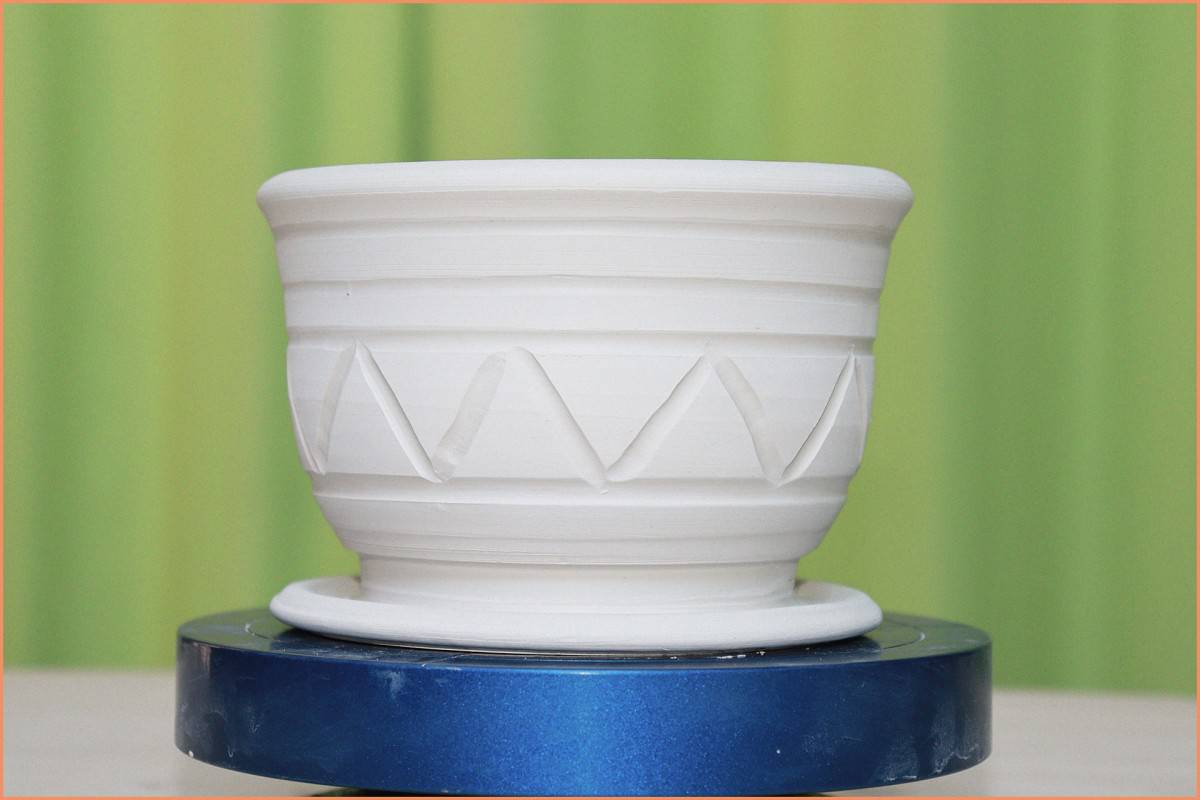
#11 Amaco Stoneware A-Mix White Clay is a beautiful clay body if you like that smooth porcelain-like feel but still want the strength and workability of stoneware. It has a clean white color, a soft feel, and a refined look when fired. It is one of those clays that can make your pottery look a little more polished and elegant.
I would say this clay is a good choice for potters who have a little experience with centering, pulling walls, and controlling the moisture in their clay. Beginners can use it, but it may take a little more patience.
Texture:
#11 is an A-Mix Stoneware Clay without grog. Because it does not have grog, it has a very smooth texture. It feels soft and refined in your hands, which makes it enjoyable to throw with and shape.
This A-Mix Clay is close to the texture of porcelain but is more forgiving than true porcelain. Porcelain can be beautiful, but it can also be a little fussy. This clay gives you some of that same smooth, clean feeling without being quite as demanding.
The surface of this clay is very nice for pieces where you want a smooth finish. It works well for mugs, bowls, vases, and pieces with simple clean lines. Since it has a white clay body, it is also a great choice if you like using glazes that you want to look bright and clear.
You will also notice that your hands and tools glide over this clay nicely. It does not have that gritty feeling that some stoneware clays have, which makes it easier on your hands during longer throwing sessions.
Workability:
If you love the smooth feel that porcelain gives you, but you are not quite ready to work with porcelain yet, this A-Mix Clay is a good stepping stone. It is also a wonderful alternative if you want that porcelain look but still want a clay that behaves more like stoneware.
It gives you a nice smooth texture and good flexibility, which makes it easy to mold and shape. On the wheel, it centers nicely and pulls up smoothly. It feels soft under your hands, which can make throwing feel very enjoyable.
This clay stays up surprisingly well for being so smooth, but you do have to pay attention to it. Be careful not to push it too far. It can look like it is holding strong, and then all of a sudden, it may start to collapse. That is why I think it can be a little tricky for beginners.
With this clay, it helps to use less water and keep your hands steady. Let the clay do some of the work instead of forcing it. If you throw too thin too fast, it may not forgive you as much as a groggier stoneware clay would.
For hand-building, it can also work nicely, especially for smaller or more refined pieces. Since it is smooth and does not have grog, it is good for soft curves, clean edges, and detailed surface work. Just make sure your pieces have enough support as they firm up.
Firing Temperature:
Amaco #11 A-Mix is a mid-fire to high-fire clay. It fires and glazes beautifully at cone 5 or cone 6, which makes it a great choice for many electric kiln potters.
At cone 5 or 6, this clay gives you a lovely white stoneware body that works well with many glazes. The white clay helps glaze colors look bright, clean, and true. This is one of the reasons I enjoy using it so much.
This clay also produces beautiful colors with cone 10 glazes. That gives you more options if you work in different firing ranges or have access to a high-fire kiln.
As always, it is a good idea to test your glazes on this clay body first. Since this clay is white and smooth, glazes can look different on it than they do on darker or groggier stoneware clay.
Other Qualities:
Amaco #11 A-Mix is on my list of favorite clays because it feels like porcelain and has the workability of stoneware. That combination makes it special. You get the smooth, refined feel without having to jump all the way into true porcelain.
This lead-free white clay gives your pottery a bright and colorful look when paired with cone 5 to cone 6 glazes. If you like clean glaze results, soft colors, or bright decorative finishes, this clay is a very nice choice.
Trimming is also smooth and easy at the leather-hard stage. Since there is no grog, your trimming tool moves through the clay nicely. This makes it easier to clean up feet, shape bottoms, and add a nice finished look to your pottery.
I also like this clay for pieces that need a more refined surface. It can make simple forms look beautiful because the clay itself has such a smooth and clean appearance. A simple mug, bowl, or vase can look very elegant with this clay body.
The one thing to remember is that this clay likes a gentle touch. It is not as rugged as some stoneware clays with grog. If you are just starting out, take your time with it. Do not overwater it, do not pull it too thin too quickly, and let the clay firm up when it needs to.
Overall, #11 Amaco Stoneware A-Mix White Clay is a beautiful choice if you want a smooth white stoneware clay that feels close to porcelain. It is a good stepping stone before working with porcelain, and it is also a wonderful clay on its own. If you are looking for a stoneware clay that gives you a clean, smooth, porcelain-like finish, #11 A-Mix is a great choice.
👇 For the Current Price on #11 A-Mix Amaco Stoneware White Clay 👇
4. #25 Amaco Art Low-Fire White Clay
This is my go-to clay for low-fire work. #25 Amaco Art Low-Fire White Clay is one of those clays that feels nice right from the start. It is smooth, soft, and easy to work with, which makes it a great choice for both beginners and more experienced potters.
I like this clay because it is very versatile. You can throw with it, hand-build with it, and use it for different types of low-fire projects. It also gives you a nice white surface, which is wonderful when you want your glaze colors to look bright and clear.
Texture:
This White Art Clay is extremely plastic, which means it moves and bends nicely without cracking too easily. It has a smooth texture with no grog, so it feels soft and pleasant in your hands. If you like working with a clay body that is easy on your fingers, you will probably enjoy the feel of this clay.
Because there is no grog, it does not have that gritty or sandy feel that some clay bodies have. This makes it very nice for throwing on the wheel and for hand-building pieces where you want a smoother finish.
The smooth white surface is also great for decorating. Underglazes, stains, and low-fire glazes can show up beautifully on this clay. If you like bright colors or painted designs, this clay gives you a clean background to work with.
Workability:
You will love the workability of this clay. It has a very nice consistency for throwing on the wheel and responds well to your hands. It centers nicely and pulls up smoothly, which makes it a good clay for practicing bowls, mugs, small vases, and other simple forms.
Because it is so soft and plastic, you do want to be careful not to let it get too thin. If you push it too far, the walls can become weak and may start to wobble or collapse. I find it helps to use steady pressure and not add too much water while throwing.
This clay also works great for hand-building. It is nice for slabs, coils, pinch pots, tiles, and decorative pieces. Since it is smooth and easy to shape, it is also a good clay for adding texture, carving, and making small details.
Another nice thing about this clay is that it can be used for making molds for casting. That makes it useful if you like trying different pottery techniques and want one clay body that can do a little bit of everything.
Firing Temperature:
Amaco #25 White Art Clay fires beautifully with cone 04 to cone 06 glazes. It is a low-fire clay and fires to cone 06 with no problem.
This makes it a good choice for low-fire pottery classes, home studios, and potters who enjoy using bright commercial glazes. Low-fire glazes can have beautiful color, and this white clay body helps those colors stand out nicely.
Since it is a low-fire clay, it is important to use glazes that fit this firing range. When the clay and glaze fit well together, you can get a nice smooth finish with fewer issues. As always, testing your glaze first is a good idea, especially if you are making functional pieces.
Other Qualities:
#25 White Art Clay is one of my favorite low-fire clays because of its feel and workability. It is soft enough to be enjoyable, but it still has enough strength for many types of pottery projects. It is a good all-around clay to keep in the studio.
This lead-free white clay gives your pottery a bright, colorful look when paired with cone 04 to cone 06 glazes. The white clay body makes glaze colors look clean and cheerful, which is one reason it is so popular for decorative pottery, tiles, ornaments, and beginner projects.
Trimming is easy at the leather-hard stage. The clay cuts smoothly and does not feel too rough on your trimming tools. That makes cleaning up the foot of a bowl or mug much easier.
Another thing I like is that this clay is easy to recycle. If you have scraps, trimmings, or pieces that did not work out, you can reclaim the clay and use it again. That is always a nice bonus, especially when you are practicing.
It also resists crazing, which is helpful when pairing it with the right low-fire glazes. Crazing can happen when the glaze and clay do not fit well together, so having a clay body that helps reduce this issue is a good thing.
Overall, #25 Amaco Art Low-Fire White Clay is a wonderful low-fire clay if you want something smooth, soft, dependable, and easy to work with. It is great for wheel throwing, hand-building, decorating, and learning. If you are looking for a good all-around low-fire clay, this is a very good choice.
👇 For the Current Price on #25 Amaco White Art Clay 👇
5. Deouss Low-Fire Terra Cotta Clay
I am particularly drawn to the natural beauty of terra cotta low-fire clay. There is something so warm and earthy about it. The rich reddish-orange color gives your pottery a natural, handmade look before you even add glaze. It has that classic clay feel that many of us picture when we think of pottery.

This clay is a nice choice if you enjoy making decorative pieces, planters, small sculptures, tiles, and handbuilt pottery. It has a down-to-earth look that feels simple, rustic, and timeless.
Texture:
The raw material for this pottery clay is kaolin, which gives it a fine and uniform texture. This helps the clay feel smooth in your hands and makes it easier to shape and mold. It does not feel overly rough or difficult to move, which is always nice when you are working on smaller details.
I like that this clay has a warm, earthy tone and a natural rustic look. Terra cotta has so much character on its own. Even without heavy decoration, it can give your pottery a beautiful handmade feel.
Its texture makes it a versatile clay body for many decorative and artistic purposes. You can use it for simple forms or more detailed pieces. It has enough smoothness for shaping, but still gives you that natural terra cotta look that makes each piece feel grounded and organic.
Workability:
This terra cotta clay is known for being easy to work with. It has great plasticity, which means it bends, stretches, and forms nicely without fighting you too much. That makes it a good clay for hand-building, wheel throwing, and sculpting.
For hand-building, it is nice because it holds its shape well when making slabs, coils, and small forms. You can press, pinch, smooth, and attach pieces without feeling like the clay is too stiff or too soft. This is helpful when making decorative pots, small trays, ornaments, and garden pieces.
It is also smooth and easy to shape, which makes it good for adding details and designs. If you like carving, stamping, or adding texture, terra cotta can be a lot of fun. The warm clay body shows texture beautifully and gives your piece a natural handmade charm.
When throwing on the wheel, it can feel soft and responsive. As with any low-fire clay, you still want to be careful not to use too much water because it can get soft quickly. A steady hand and a little patience will help you get the best results.
Firing Temperature:
Deouss Terra Cotta is a low-fire clay, which makes it a good option for potters who fire at lower temperatures. It can be fired in the kiln to cone 04 for bisque and cone 06 for glaze.
Because it fires at a lower temperature, it is often easier to use in beginner pottery classes, home studios, and smaller kiln setups. Low-fire clay can be a nice way to learn the basics of forming, drying, bisque firing, glazing, and glaze firing without needing to go into higher firing ranges.
The warm terra cotta color becomes even richer after firing. That beautiful reddish clay body can look lovely with clear glaze, white glaze, underglazes, or colorful low-fire glazes. It gives your pottery a completely different look than white clay or stoneware.
As always, it is a good idea to test your glaze with this clay body first. Terra cotta can affect glaze colors because of its darker clay body, and some glazes may look deeper, warmer, or more rustic on it.
Other Qualities:
This terra cotta clay is a popular choice for both beginners and advanced potters because it is easy to use and very versatile. Beginners may like it because it is forgiving and enjoyable to shape. More experienced potters may like it because of its natural beauty and the creative possibilities it offers.
This clay also takes glazes nicely. You can leave some areas unglazed for a more natural terra cotta look, or glaze the whole piece for more color and shine. It works well with decorative finishes, underglazes, and surface designs.
It is important to remember that this clay is food safe only when properly glazed. Since terra cotta is low-fire and more porous than higher-fired clay, it needs a food-safe glaze if you are making pieces for food or drinks.
This clay should also not be put in the dishwasher. Handwashing is best, especially for low-fire pottery. This helps protect the glaze, the clay body, and the life of your finished piece.
Overall, Deouss Low-Fire Terra Cotta Clay is a lovely clay for potters who enjoy warm earthy tones, easy workability, and a rustic handmade look. It is a great choice for decorative pottery, handbuilt pieces, small sculptures, and pottery that has a natural, organic feel.
👇 For the Current Price on Deouss Low-Fire Terra Cotta Clay 👇
6. Standard Clay Company 213 Porcelain Clay
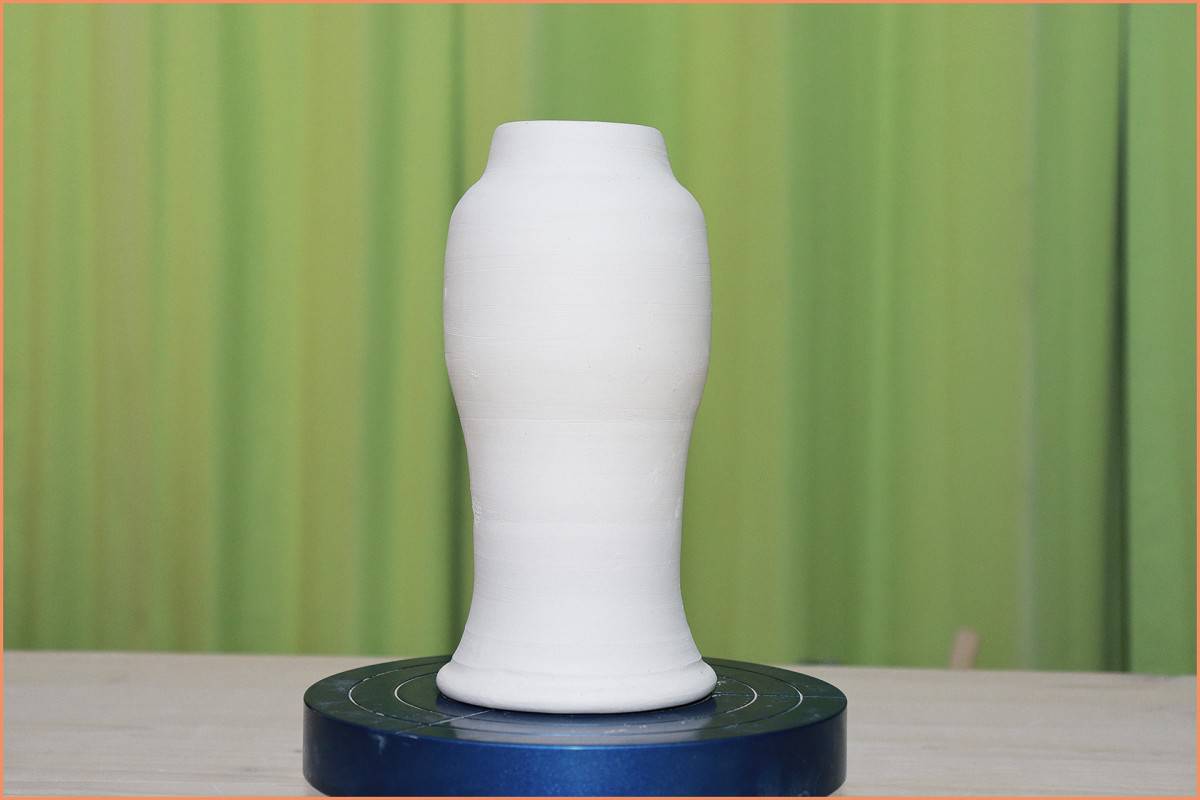
I found that Standard Clay Company 213 Porcelain Clay is a good clay for potters who are just starting to use porcelain. Porcelain can feel a little intimidating at first because it is smoother, softer, and a bit more delicate than stoneware. But this clay is a nice place to start because it gives you that beautiful porcelain feel while still being more forgiving than true porcelain.
Texture:
This porcelain clay has a very smooth texture, which makes it wonderful for creating delicate and refined pottery. It has a nice fine body that feels soft in your hands and glides nicely when you are working with it. This makes it a good choice for thinner forms, smaller details, and pieces where you want a clean, smooth surface.
Because it is so smooth, I would not recommend it as much for handbuilding, especially when you are just starting out with porcelain. It can be harder to handle when making slabs, coils, or larger handbuilt pieces because it does not have as much structure as a groggier clay body. It can slump, bend, or lose its shape more easily if it gets too soft or too wet. For handbuilding, you really have to take your time and let the clay firm up between steps.
Workability:
This clay works very well on the pottery wheel. I found it to be a good choice for wheel throwing because of its smooth texture and fine particle size. It centers nicely and feels soft under your hands, which makes it easier to shape once you get used to how porcelain moves.
One thing I like about this clay is that it is more plastic and less elastic than true porcelain. That means it is easier to work with and does not fight you as much on the wheel. True porcelain can sometimes feel like it wants to move back or collapse if you push it too far. This clay gives you a little more control, which is helpful when you are still learning how porcelain behaves.
You still want to be gentle with it. Porcelain does not like to be overworked, and too much water can make it get soft fast. A light touch, steady hands, and a little patience go a long way with this clay.
Firing Temperature:
Because of the flux in this clay, the white body is formulated to be fired to cone 6. That is one of the reasons I think it is a nice option for potters who want to try porcelain without firing to higher temperatures.
At cone 6, you can still get a lovely white porcelain look with a strong finished piece. This makes it easier for many studio potters because cone 6 is a common firing temperature, especially for electric kilns. You get the beauty of porcelain without needing to fire all the way up to cone 10.
As always, it is a good idea to test your glazes with this clay body. Porcelain can really make glaze colors look clean and bright, but every glaze and clay combination can act a little differently in the kiln.
Other Qualities:
Porcelain clay is a popular choice among potters and ceramic artists because of its beautiful finished look. It is known for its smooth texture, fine particle size, and clean white color after firing. This makes it especially nice for pieces where you want a more refined look.
The white clay body can make glaze colors stand out beautifully. Clear glazes look especially nice on porcelain, and colored glazes can look brighter and cleaner than they do on darker clay bodies. It is also a great clay for carving, trimming, and adding fine details because the surface is so smooth.
The finished product can be strong, durable, and vitrified when fired properly. That means the clay becomes dense and less porous, which is great for functional pottery. Mugs, bowls, small vases, and decorative pieces can all look beautiful with this clay.
Overall, Standard Clay Company 213 Porcelain Clay is a nice stepping stone into the world of porcelain. It gives you the smoothness and beauty that porcelain is known for, while still being a little easier to work with than traditional porcelain clay. For potters who are ready to try something smoother and more refined, this is a good clay to explore.
👇 For the Current Price on Standard Clay Company 213 Porcelain Clay 👇
Top 7 Clay Choices
Affiliate Disclaimer: We are ambassadors or affiliates for many of the brands we reference on the channel. As an Amazon Associate, I earn from qualifying purchases.
Recommended Clay Helpers
When playing with clay, we all want helpers to make it easier for us. These are a few things that may help you, too, especially if you recycle your Clay.
Must-Have Clay Cutter
This Mudwire is by far my favorite wire cutter. The length of the wire and the feel of the handles are just right for me. Even when my hands are covered in Clay and slip, I can still get a good grip on the handles without them feeling awkward or slippery. That makes a big difference when I’m working at the wheel and don’t want to stop and wipe my hands every few minutes.
When cutting through your Clay, you want to feel like you have control over how much clay you are removing. The 13-inch wire gives you that control without feeling too long or too short. It is long enough to cut through a good-sized piece of clay, but not so long that it gets in the way. I like that I can make a clean cut without fighting with the wire or trying to manage extra length.
When cutting pieces off the wheel, you don’t want to have to wrap the extra wire around your fingers. That can feel uncomfortable, especially when your hands are wet or tired from throwing. This Cutter lets you hold both handles comfortably and pull the wire through the clay with even pressure. That makes it easier to cut your pottery free from the wheel without dragging, lifting, or pulling your piece out of shape.
I also like how simple and dependable this Mudwire is. It does what it is supposed to do without making the job harder. Whether I am cutting a lump of clay from the bag, slicing off a smaller piece to wedge, or removing a finished pot from the wheel head, it feels steady in my hands. It is one of those tools I reach for all the time because it makes the process feel smoother and more controlled.
👇 For the Current Price on Mudwire Clay Cutter 👇
Convenient Clay Container
With its seamless construction, this Clay Container was built with Clay in mind. I like that there are no little corners or seams where clay can get stuck and dry out. That makes it easier to clean and much better for holding wet clay, slip, or reclaim. When you are working with Clay, you want a container that can handle the weight, the moisture, and the mess without becoming a problem.
The 20-gallon size is a good size for a Clay Container. It is big enough to hold a nice amount of Clay, whether you are mixing new clay from dry form or storing clay that you are reclaiming. But it is not so big that it becomes hard to move, stir, or manage. When a container gets too large, the clay can become heavy and harder to work with. This size gives you a good balance.
This container works well for recycling Clay because it gives you enough room to add your scraps, water them down, mix them, and let everything soften. You can keep your reclaim in one place instead of having little buckets of clay sitting all over the studio. That makes your workspace feel cleaner and more organized.
I also like that a container like this helps you build a good studio habit. When you have a proper place for reclaim, you are more likely to save your clay scraps instead of tossing them out. It keeps the process simple. Scraps go in, water can be added when needed, and later you can mix it back into a workable clay body.
👇 For the Current Price on the Rubbermaid Brute Refuse Container 👇
Heavy-Duty Plastic Bags
Clear Bags are great for keeping your Clay moist and workable. Once clay starts drying out, it can become harder to wedge, center, and shape. Having a good clear bag helps hold in the moisture so your clay stays soft and ready to use. I like clear bags because you can see what is inside without opening every bag to check.
These Clear Bags are durable and hold up well for normal studio use. That is important because Clay can be heavy, wet, and messy. You want a bag that does not tear the first time you move it or press the air out. A strong bag makes storing clay much easier and helps keep your workspace cleaner.
They are also great for recycled Clay. After you reclaim your scraps and wedge the clay back together, you can place it in a clear bag to rest and firm up. This helps the moisture even out through the clay body. I like having a few bags ready so I can separate my reclaim from my fresh clay and keep everything more organized.
Clear Bags also come in handy when preparing different amounts of Clay for throwing or Hand-building projects. You can weigh out or separate the amount of clay you need, then bag it up until you are ready to use it. This is really helpful when making several pieces, working on a bigger project, or getting clay ready for a class or studio session.
Clear Plastic Reclosable Zip Poly Bags 13 X 18” – 2 Mil
👇 For the Current Price on the Clear Plastic Poly Bags 👇
Clay can be your best friend and feel like silk, or it can be your worst enemy and feel like sandpaper when you’re throwing on the Wheel. Having the right Clay to play with makes all the difference in the world. Clay can be a personal thing. Some Potters even get local Clay. Some Potters find their perfect Clay, and some are on that never-ending journey. I will continue to try other clays and hold on to my favorites. Hope this helped you in selecting your Clay.
