
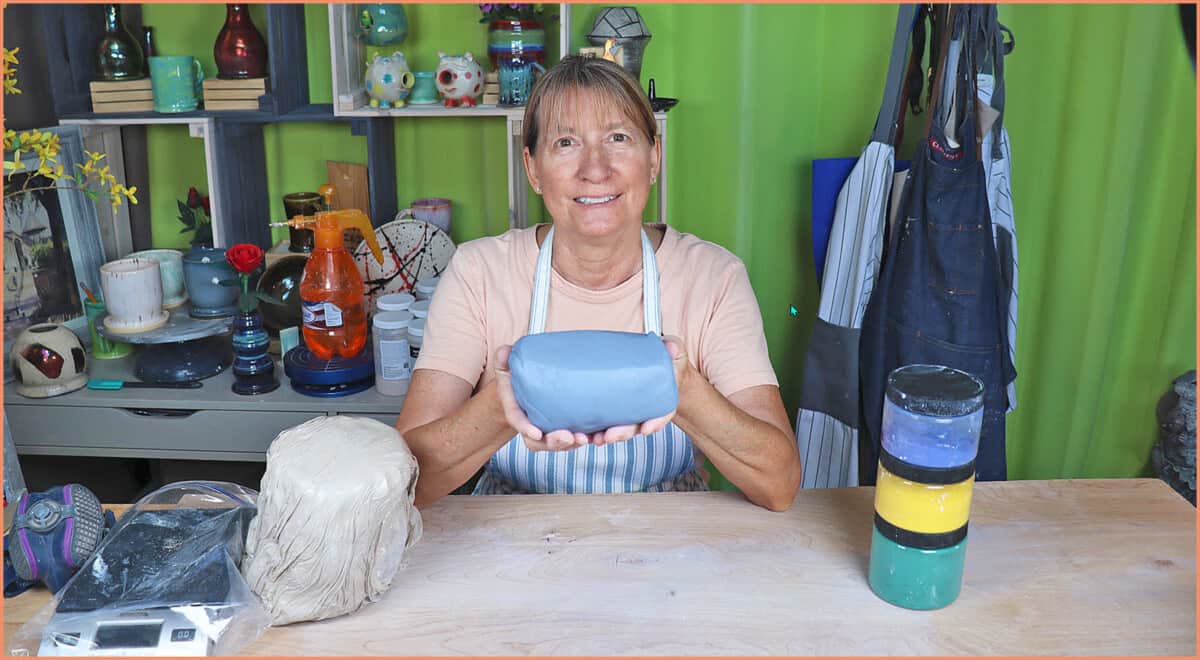
How to Make Colored Clay For Pottery : A Step-by-Step Guide
Imagine creating pottery where vibrant colors flow through the entire piece—not just painted on the surface, but swirled, marbled, and patterned all the way through the clay itself.
If you’ve been admiring those stunning Nerikomi patterns or mesmerizing Agateware swirls and wondering “How do they DO that?” you’re about to discover it’s easier than you think. Making colored clay isn’t a closely guarded secret of master potters. It’s a straightforward technique that any potter can master with the right guidance.
In this complete guide, you’ll learn:
The exact materials and tools you need (including crucial safety gear)
A foolproof step-by-step process for mixing perfect colored clay every time
Professional tips for achieving consistent colors and avoiding common mistakes
How to create stunning Nerikomi patterns and Agateware effects
Troubleshooting solutions for when things don’t go as planned
Whether you’re looking to add subtle earth tones or bold, vibrant hues to your work, this guide will transform how you approach pottery. Let’s dive into the colorful world of clay mixing and unlock a whole new dimension of creative possibilities.
Affiliate Disclaimer: We are ambassadors or affiliates for many of the brands we reference on the website. As an Amazon Associate, I earn from qualifying purchases.
Materials You’ll Need
Before diving into making colored clay, it’s important to have all the supplies you need and set up your working area properly.
- Dust Mask Respirator: When working with Stains and Oxides in powdered form, ALWAYS wear a Dust Mask. This is because the powders contain chemicals that you should not inhale.
- Mister Spray Bottle: A spray bottle is an essential tool for making colored clay. It’s best to use a Mister Spray Bottle. It controls the amount of water you add to the colorant and clay body more effectively.
- Digital Scale: Accuracy helps you recreate the same color later.
- Colorant: Mason stains are the easiest for beginners because they are stable and consistent. You can also use metal oxides for a more natural, earthy look. Oxides, on the other hand, are challenging to manage for color stability and are used more often in Making Glazes. Therefore, I will be using Blue Mason Stain
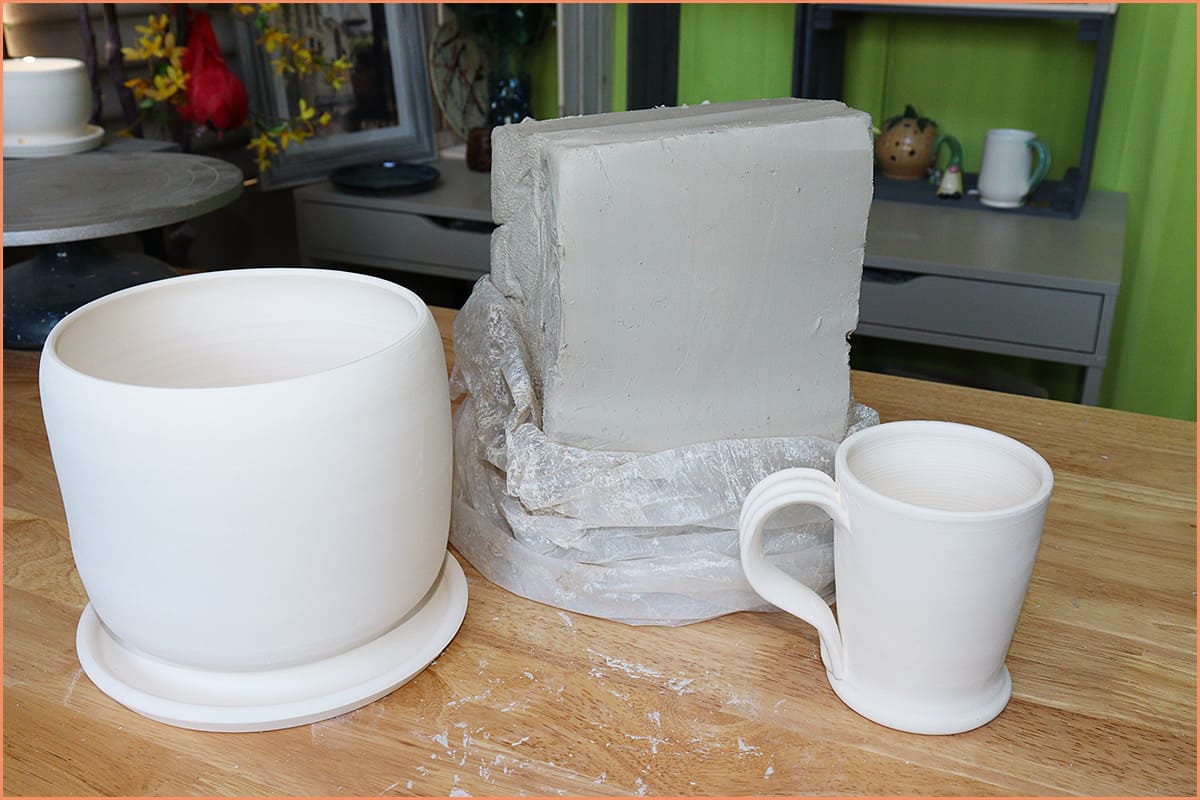
- White Clay: These show colors most vividly. I mainly med fire to cone 5 and 6, so I use Amaco #38 Stoneware White Clay. I also use Amaco #11 A-Mix Stoneware Clay. If you are firing at low temperatures to cone 06 and 04, Amaco Low Fire #25 White Clay Multi-Purpose is a good Clay to use.
Calculate Your Ratios
Don’t eyeball it! Accuracy is the secret to being able to recreate a color you love.
- Light Tints: 0.5 oz of stain per 1 lb of clay (approx. 3% stain).
- Medium/Standard: 1 oz of stain per 1 lb of clay (approx. 6% stain).
- Dark/Saturated: 1.5 – 2 oz of stain per 1 lb of clay (approx. 10%+ stain).
- Note: Oxides are much stronger; usually, 1–5% is plenty.

Safety and Preparation
Before you open that jar of stain, put on your Dust Mask Respirator. These powders are very fine and contain heavy metals you definitely don’t want to inhale. Use a digital scale for your measurements and have a Mister Spray Bottle ready.
The Mixing Process (The “Clay Sandwich”)
Create a Well: Flatten your clay into a thick slab and use your thumb to push a little “well” or bowl into the center.
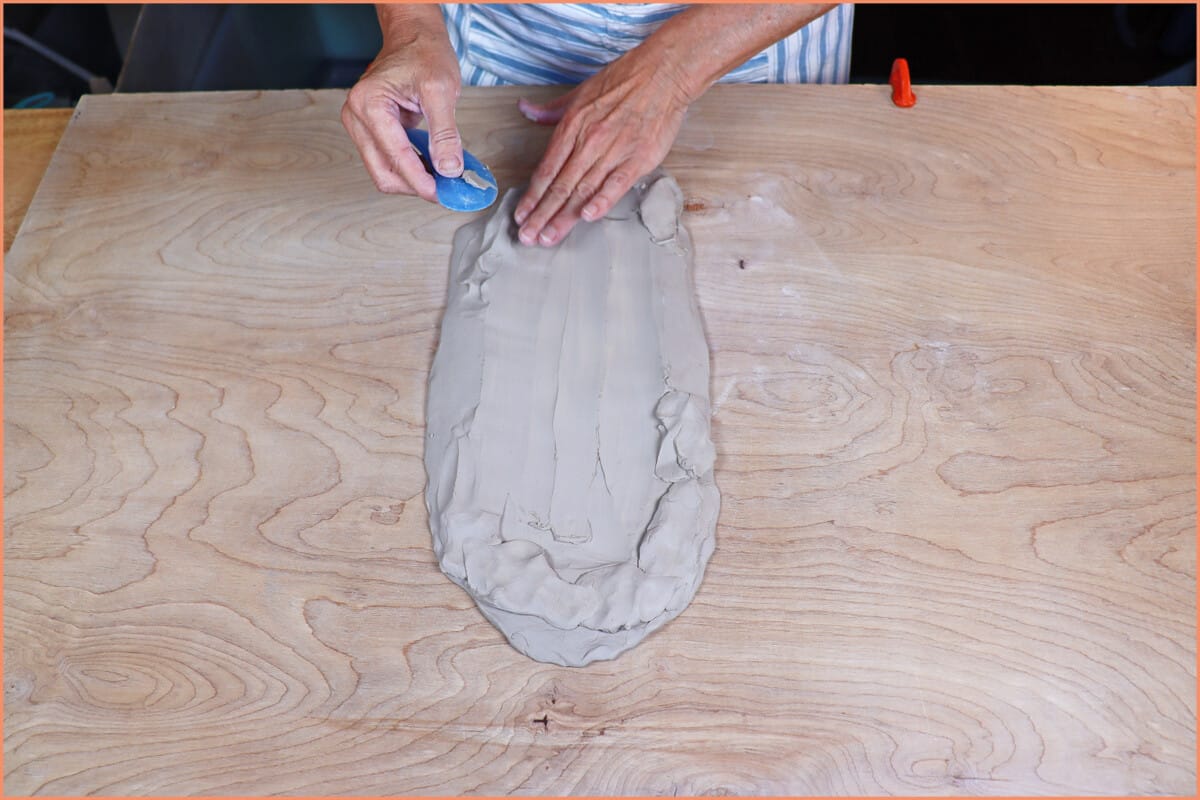
Add the Color: Pour your stain into the well.
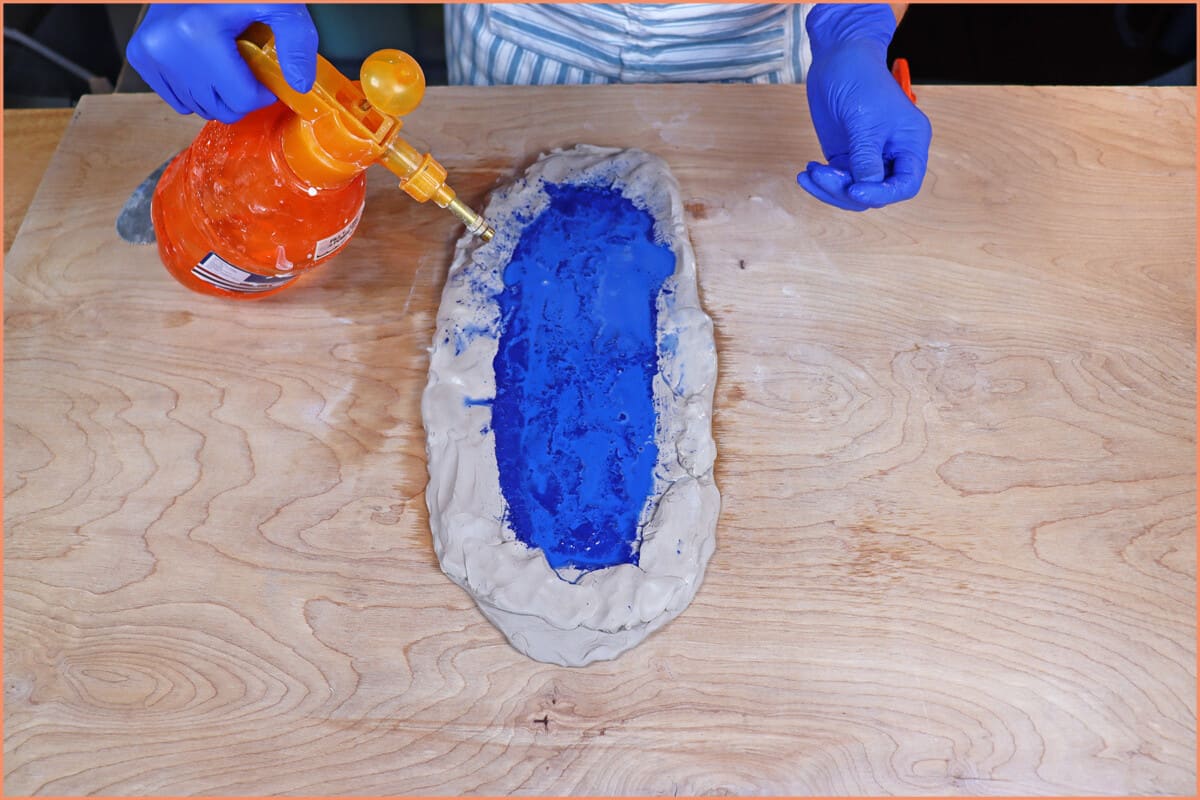
Pro Tip: Give the powder a quick mist with a spray bottle. This stops the fine dust from floating into the air when you start mixing. Use Disposable Gloves: Stains can get under your fingernails, making them hard to remove, especially with an oxide stain.

You can add the stain in three ways:
Dry: Sprinkle the powder directly into the well and mist it with water. Once all the stain is on the clay, spray some water over the stain to wet it. To avoid adding too much water, pause to let the stain absorb it. Then add more water until all the mason stain is wet.
Slip: Mix the stain into liquid clay (slip) for a smoother blend.
Here is more detailed information on A Quick and Easy Way to Make Slip.
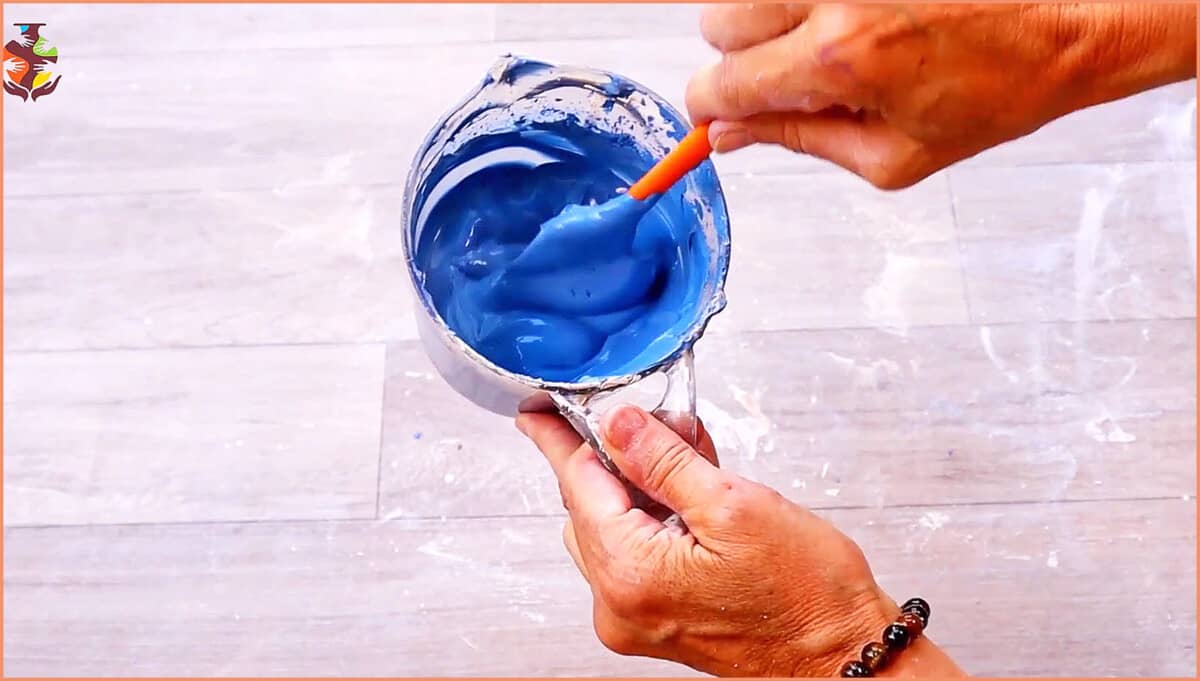
Liquid: Mix the stain with a little water to form a paste before adding it.
The Sandwich Roll: Fold the clay edges over the stain to trap it inside, then roll the whole thing into a log. This keeps the pigment going on the work surface as much as possible! I found this process less messy.
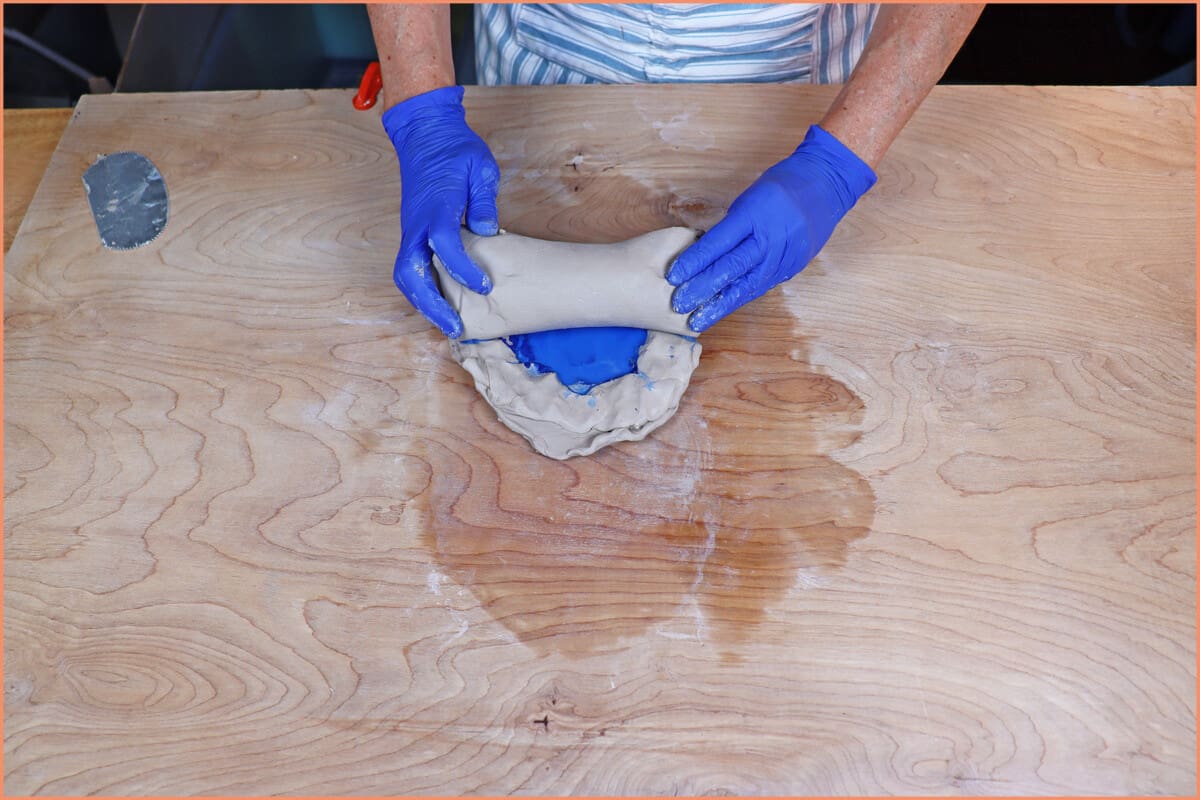
After successfully rolling up the clay, I wait a few minutes before wedging the clay and the stain together.
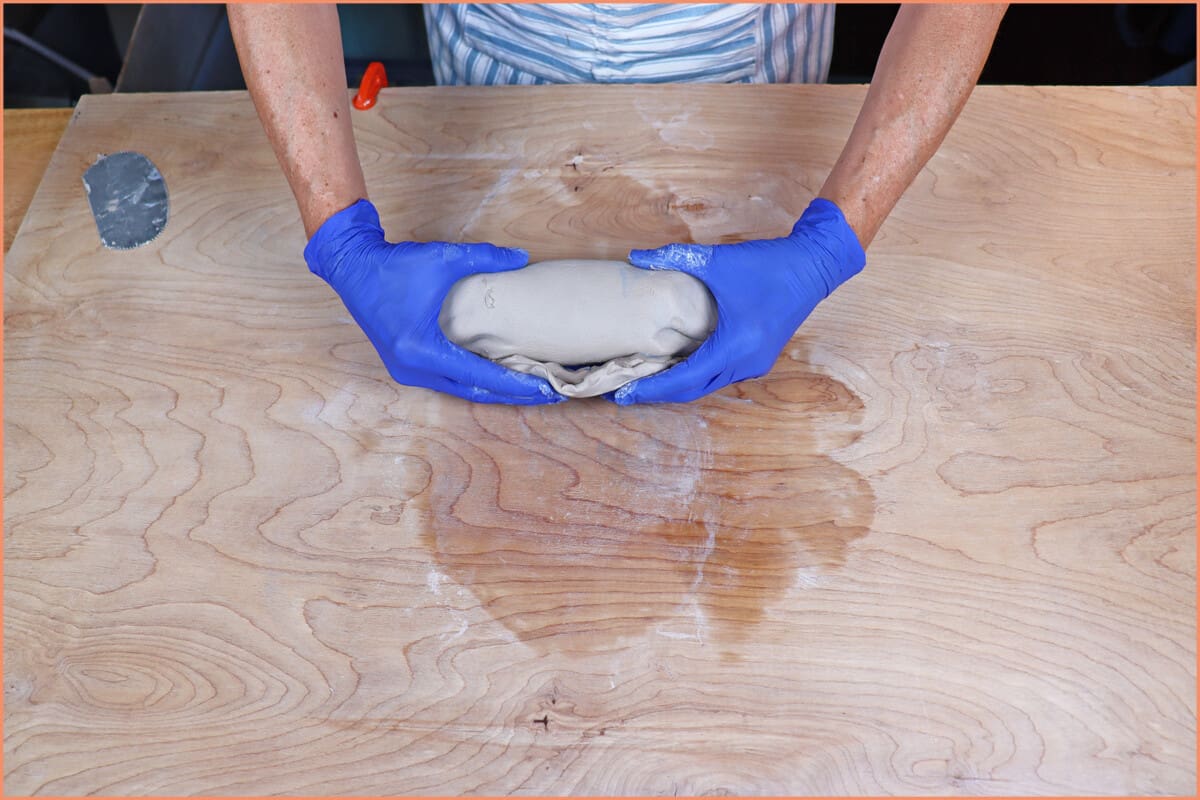
Wedge: Use a Spiral or Ram’s Head wedge. You will need to wedge significantly longer than usual..
Learning the spiral wedge technique may save you some time. There’s a link to my article, which includes a video demonstrating Three Different Ways to Wedge Clay.

Pro Tip: Use a wire cutter to slice the clay in half. If you see streaks, keep wedging until the cross-section is a solid, uniform color.
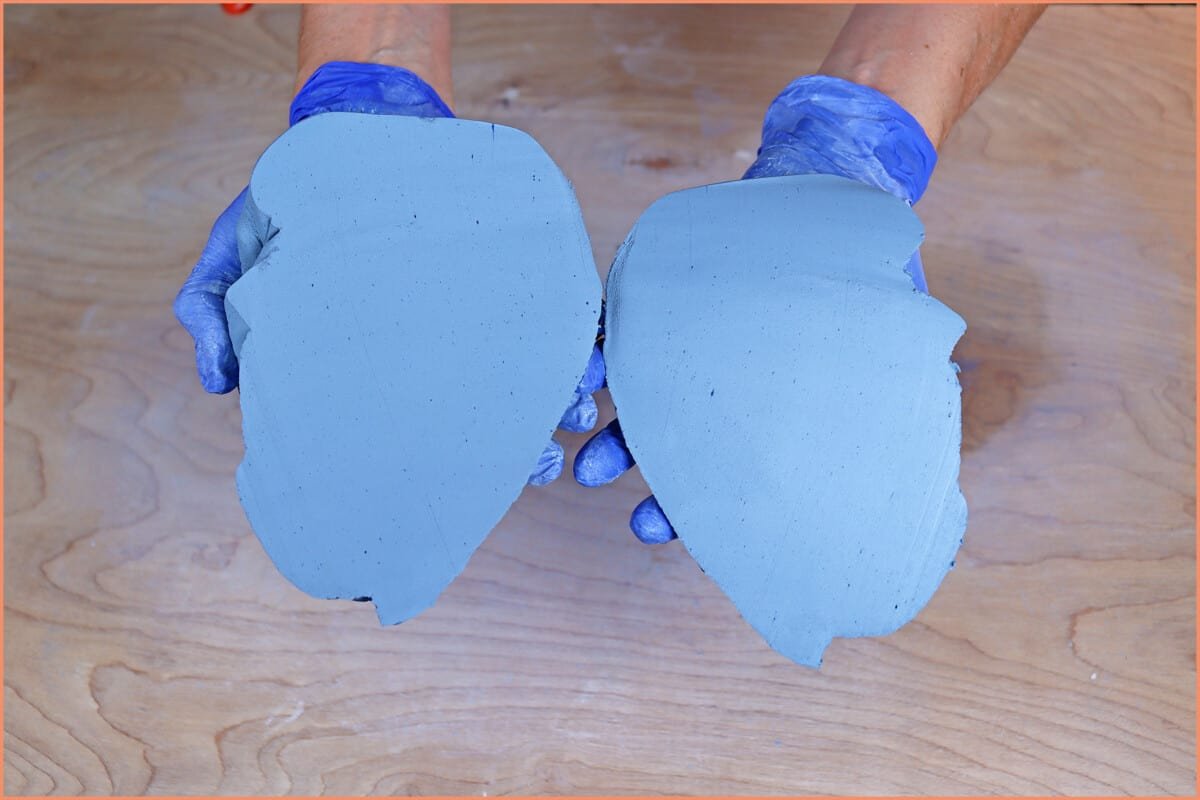
Keep wedging the clay until the color is evenly distributed throughout.

Essential Tips for Success
Record Keeping: Write down your exact ratios. A color that looks beautiful today will be hard to recreate next month if you didn’t weigh the ingredients.
Moisture Control: Keep a spray bottle nearby to mist the clay as you wedge to maintain plasticity.
The “Pop” Factor: To make your custom colors truly vibrant, finish your pieces with a clear glossy glaze. This saturates the pigment and brings out the color’s depth.
Remember that the color of the clay will fire darker in the kiln; the higher you fire the clay, the deeper the shades in your finished pottery.
Frequently Asked Questions About Colored Clay
Can I use food coloring or acrylic paint to color my pottery clay? While it’s tempting to use what you have at home, food coloring and acrylic paints will not work for kiln-fired pottery. The organic pigments in these items burn away at high temperatures, leaving your clay looking plain or gray. For permanent, vibrant color that survives the kiln, you must use mineral-based Mason stains or metal oxides.
Can you color air-dry clay using this method? Yes! You can definitely use Mason stains to color air-dry clay. However, because air-dry clay isn’t fired, you have more options—you can also use acrylic paints, inks, or even chalk pastels to tint it. Just remember that adding too much liquid or powder can change the clay’s consistency and drying time.
Does adding stain change the firing temperature of the clay? Generally, no. As long as you stay within the recommended ratio of 1 ounce of stain per pound of clay, your clay will still fire to its original “cone” (temperature) rating. If you add an excessive amount of certain oxides (such as cobalt or manganese), they can occasionally act as a “flux” and cause the clay to soften earlier, so always fire a test tile first!
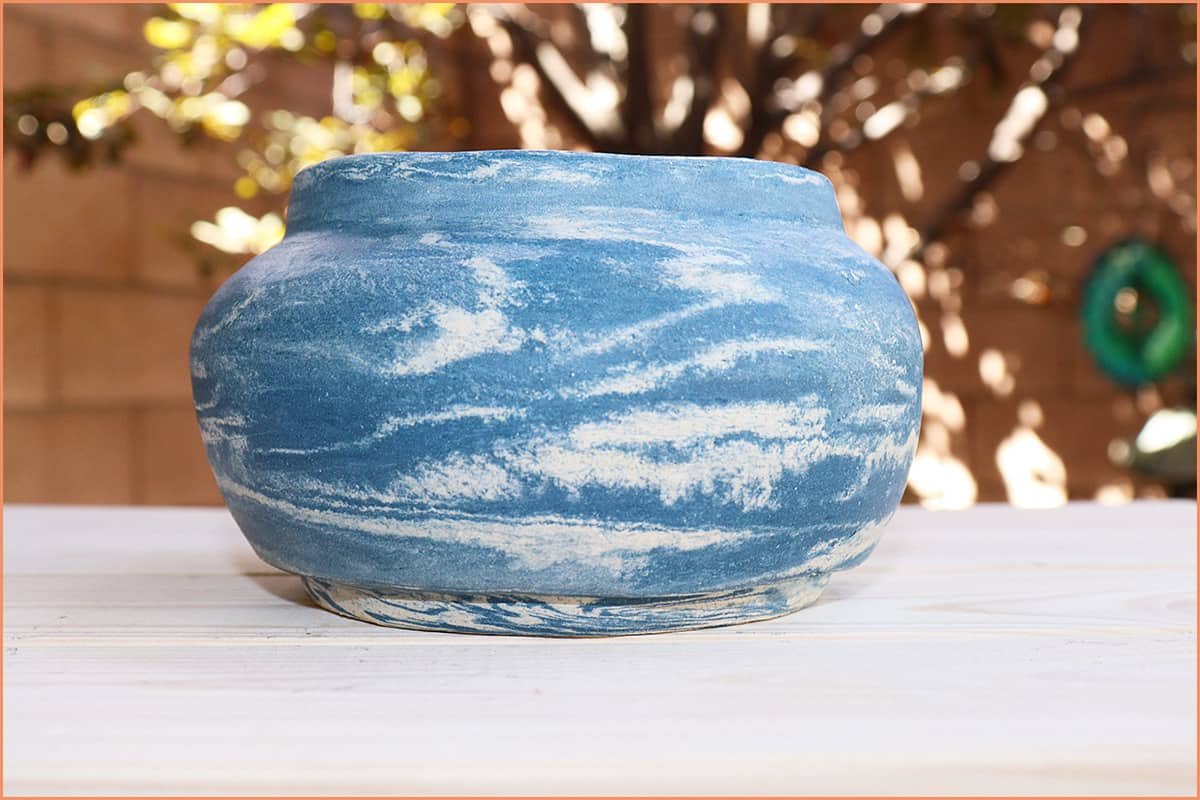
Can I mix two different colors of clay together? Absolutely! This is how the beautiful “Agateware” marbling effect is achieved. Just make sure both colors are made from the same clay body (both are Amaco #38). If you mix a stoneware-colored clay with a porcelain-colored clay, they may shrink at different rates, causing your piece to crack as it dries or fires.
Is it safe to eat off of pottery made with colored clay? Yes, once the piece has been fired and coated in a food-safe clear glaze. While Mason stains contain metals, they are encapsulated in the clay and sealed under the glaze, making the finished surface safe for functional use, such as mugs or bowls.
You can also check out this step-by-step YouTube Video below on making colored clay.

Summary
In conclusion, making colored clay is a simple and fun way to add some personality to your pottery projects. With just a few steps, you can create unique and vibrant colors that are sure to impress. By measuring out your clay and colorant, you can ensure a consistent and even mixture that can be duplicated.
It’s important to wear a Dust Mask Respirator when working with mason stains in powder form, as they can be harmful if inhaled. Taking the necessary precautions will ensure a safe and enjoyable experience.
With your colored clay ready, the possibilities for creativity are endless. Whether you’re creating a set of mugs or a decorative vase, the unique color variations will add a special touch to your finished piece. So go ahead and experiment with different colors and designs, and have fun with the process!
